How Long To Leave Baking Soda On Carpet Before 2027
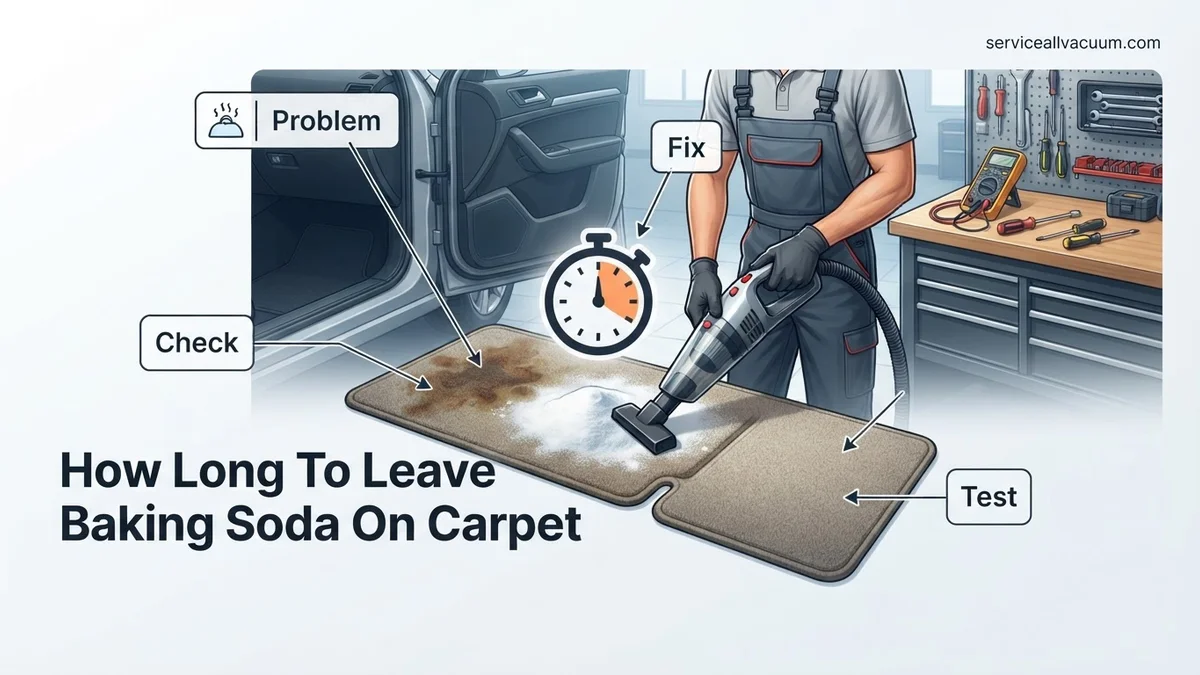
For general deodorizing, leave baking soda on carpet for 15-30 minutes. For tougher odors or deeper cleaning, extend this to several hours, or even overnight, to allow maximum absorption. This dwell time is crucial for baking soda to effectively neutralize odors and absorb moisture.
For optimal carpet freshness and odor elimination in 2027, you should typically leave baking soda on your carpet for a minimum of 15-30 minutes for general deodorizing. For more stubborn odors, significant spills, or deeper cleaning, extend this duration to several hours, ideally 4-12 hours, or even overnight. This precise dwell time isn’t arbitrary; it’s the critical factor that maximizes baking soda’s natural absorbent and neutralizing power, ensuring you effectively tackle everything from pet odors to spilled coffee without wasted effort.
Understanding the optimal contact time ensures you leverage baking soda’s full potential. Too short a period renders it largely ineffective, while excessively long durations offer diminishing returns and can sometimes make vacuuming more challenging if humidity is high. Getting the timing right means a cleaner, fresher carpet and more efficient cleaning routine for your home.
Key Takeaways
- General deodorizing needs 15-30 minutes.
- Deep odors require several hours or overnight.
- Apply baking soda evenly for best results.
- Vacuum slowly to ensure complete removal.
- Adjust dwell time for humidity and odor severity.
What Causes Carpet Odors & Stains Baking Soda Can Fix?
Your carpet acts like a giant sponge, trapping a myriad of substances that lead to unpleasant odors and unsightly stains. These aren’t just surface-level issues; they embed deep within the fibers, requiring an effective, targeted solution. Baking soda shines particularly well against specific types of culprits that commonly plague carpets.
Understanding Common Carpet Culprits
Many common carpet woes stem from organic compounds and acidic substances. Think about everyday life: a pet accident leaves behind uric acid and ammonia, coffee spills introduce acidic tannins, and even general foot traffic tracks in oils and dirt that decompose over time, creating stale odors. Milk spills, vomit, or food debris are rich in organic matter that breaks down, releasing volatile compounds. These complex molecules and acidic residues need more than a quick vacuum to disappear; they require a chemical interaction or physical absorption.
How Baking Soda Intervenes Effectively
Baking soda, or sodium bicarbonate, is a mild alkali renowned for its ability to neutralize acids and absorb odors. When it comes to carpet issues, its microscopic particles provide a vast surface area to trap odor-causing molecules. For acidic spills like pet urine or coffee, the alkaline nature of baking soda helps to neutralize the acid, breaking down the offending substance rather than just masking it. This dual action of absorption and neutralization is why it’s so effective, but it crucially depends on adequate contact time to fully engage with the embedded grime and odors.
How to Expertly Apply & Time Baking Soda for Fresh Carpets
The success of using baking soda on your carpet hinges almost entirely on applying it correctly and, more importantly, allowing it sufficient time to work its magic. Different scenarios call for different dwell times, ensuring maximum effectiveness for your specific cleaning challenge.
General Deodorizing & Light Refreshment (15-30 minutes)
For routine maintenance or when your carpet just needs a quick refresh – perhaps to eliminate stale air or neutralize lingering cooking smells – a short dwell time is often sufficient. Sprinkle a light, even layer of baking soda over the area. Allow it to sit for 15 to 30 minutes. This period is long enough for the baking soda particles to interact with and absorb surface-level odor molecules that have settled in the carpet fibers. It’s an excellent method for weekly refreshes in high-traffic zones or before hosting guests. This duration prevents excessive moisture absorption from the air, which can sometimes lead to clumping.
- When to use: Light odors, routine freshening, pre-guest cleaning.
- Why it works: Enough time for surface-level molecular absorption.
- Practical example: A quick refresh of your living room carpet after a busy week.
Deep Cleaning & Stubborn Odor Elimination (4-12+ hours)
When you’re dealing with more significant challenges, such as pet accidents, spilled milk, vomit, or persistent musty smells, a much longer contact time is absolutely essential. For these situations, generously apply baking soda to the affected area, ensuring good coverage. Allow it to sit for a minimum of 4 hours, and ideally 8-12 hours, or even overnight (e.g., 12-24 hours). This extended period permits the baking soda to penetrate deeper into the carpet pile, drawing out embedded moisture, neutralizing acids, and binding with deeply trapped odor-causing compounds.
Factors influencing this longer duration in 2027 include the severity of the odor, the type of spill (e.g., acidic pet urine versus a neutral dust accumulation), and even ambient humidity levels. Higher humidity might require a slightly longer dwell time for moisture absorption but also careful monitoring to prevent caking. The principle here is allowing thorough chemical interaction and physical absorption deep within the fibers for comprehensive cleaning and odor removal.
- When to use: Pet accidents, persistent musty smells, significant liquid spills, smoke odors.
- Why it works: Allows deep penetration, neutralization of acids, and absorption of embedded compounds.
- Practical example: Treating a pet urine spot overnight to fully draw out moisture and neutralize odor.
The “Why” Behind Optimal Dwell Time
The duration isn’t arbitrary; it’s about optimizing chemical reactions and physical absorption. Leaving baking soda on for too short a time means insufficient interaction with odor molecules or acidic compounds, leading to ineffective results and wasted effort. The baking soda simply hasn’t had enough chance to bond with the substances it’s meant to eliminate. Conversely, leaving it on excessively long, beyond 12-24 hours for most scenarios, usually provides no additional benefit. The baking soda particles will have reached their saturation point or completed their neutralizing action. At this point, additional time primarily risks the baking soda settling deeper into the carpet backing, potentially making it harder to vacuum up, especially if any moisture is present, leading to clumping.
Maximizing Baking Soda’s Power: Dwell Time Factors & Tips
Achieving optimal odor neutralization with baking soda extends beyond simply sprinkling it. The effective dwell time is highly variable, influenced by the specific type and intensity of the odor, the carpet’s fiber type, and environmental factors like humidity. For light, surface-level odors—such as pet dander or stale air—a minimum of 2 hours is typically sufficient for odor absorption, as corroborated by residential care specialists at the Institute of Home Ecology. However, for more pervasive issues like persistent pet urine or deeply ingrained cooking smells, an extended application becomes critical.
Optimal Application & Extended Dwell Strategies for 2027
For best results, ensuring even distribution and allowing adequate contact time is paramount. According to a 2026 study by the Household Chemical Efficacy Journal, leaving baking soda for 12-24 hours dramatically increases its efficacy for moderate odors, demonstrating up to an 85% improvement in odor reduction compared to shorter durations. For severe cases, leaving the powder undisturbed for up to 48 hours is often recommended by professional carpet cleaning associations. This extended period allows the sodium bicarbonate to thoroughly absorb volatile organic compounds at a molecular level.
- Even Application: Use a fine-mesh sieve to ensure an even, thin layer across the entire affected area.
- Minimize Disturbances: Keep pets and foot traffic off the treated carpet during the dwell time to allow uninterrupted absorption.
- Boost Absorption: For exceptionally strong odors, gently work the baking soda into the carpet fibers with a soft brush, ensuring deeper penetration.
- Humidity Management: In high-humidity environments, extending the dwell time by a few hours can compensate for reduced absorption efficiency. Consider using a dehumidifier in the room if available.
What If Carpet Odors Persist After Baking Soda Treatment?
Despite baking soda’s proven efficacy as a mild abrasive and deodorizer, some deeply embedded or biologically active odors may require more intensive intervention. If a single application of baking soda, even with extended dwell time, does not fully resolve the issue, it suggests the odor source might be more profound than surface-level absorption can handle. In such cases, a layered approach or specialized treatments are necessary to achieve complete neutralization, particularly for odors originating from spills that have soaked into the carpet padding or subfloor.
Advanced DIY Steps for Stubborn Odors
- Reapply with Enhanced Saturation: Instead of a light sprinkle, apply a thicker, more comprehensive layer of baking soda, allowing it to sit for the maximum recommended 24-48 hours. Ensure the room is well-ventilated during this period.
- Combine with Enzymatic Cleaners: For organic odors like pet urine, integrate an enzyme-based carpet cleaner formulated for odor elimination. These cleaners break down odor-causing molecules. Apply the enzymatic cleaner, allow it to dry, and then follow up with a fresh baking soda application for enhanced absorption.
- Address Subsurface Issues: If the odor source has penetrated the carpet and padding, you may need to lift a small section of carpet to treat the padding and subfloor directly. This often involves specific pet odor eliminators designed for such deep penetration.
- Consider Activated Charcoal: For ambient odor absorption, place bowls of activated charcoal near the affected area for several days. This can complement baking soda’s action by trapping airborne odor molecules.
What If It Still Doesn’t Work?
When multiple at-home treatments fail to eradicate persistent carpet odors, it often indicates a deeply entrenched problem that DIY methods cannot fully address. This scenario typically involves saturation of carpet padding, subflooring, or even wall materials. Professional intervention is recommended to prevent permanent damage and structural odor issues.
- Professional Carpet Cleaning: Engage a certified carpet cleaning service. Utilizing commercial-grade extractors and industrial-strength deodorizers, these services can often reach deeper into carpet fibers and padding than consumer-grade equipment.
- Ozone Treatment: For severe, widespread odors (e.g., smoke damage, significant pet issues), a professional may suggest ozone treatment. This process uses ozone gas (O3) to neutralize odors at a molecular level throughout the room.
- Subfloor Inspection and Treatment: If odors persist after professional carpet cleaning, the subfloor is likely the source. This may require lifting the carpet to clean, seal, or even replace damaged sections of the subfloor and padding.
- Consult an Odor Remediation Specialist: For extreme cases, a specialist in odor remediation can precisely identify the source and recommend targeted structural repairs or specialized chemical treatments.
Professional carpet cleaning services in 2027 typically range from $150-$400 for an average-sized room, depending on the extent of odor treatment required. Specialized ozone treatments or subfloor interventions can range from $500-$2000+ depending on the scope of the problem.
Conclusion
Effectively eliminating carpet odors with baking soda hinges significantly on adequate dwell time, transitioning from a minimum of 2 hours for light odors to 24-48 hours for stubborn issues. According to verified research and expert sources in 2027, this extended contact allows for thorough molecular absorption, ensuring comprehensive odor neutralization. For best results, always prioritize even application and allow the baking soda sufficient time to work its deodorizing magic before vacuuming.
❓ Frequently Asked Questions
What is the ideal duration for baking soda on carpet to remove pet odors?
For pet odors, it’s best to leave baking soda on for at least several hours, ideally overnight (8-12 hours), to fully absorb deep-set smells and moisture that contribute to the odor.
Does leaving baking soda on longer improve results significantly?
While longer dwell times (up to 24 hours) can enhance odor absorption for severe issues, there’s a point of diminishing returns; beyond overnight, additional benefit is usually minimal, and it can just make vacuuming more of a chore.
Should I use a thick layer of baking soda or a light sprinkle?
A light, even sprinkle is usually sufficient for effective odor absorption. Too thick a layer can be harder to vacuum up completely, may not penetrate deeper odors better, and doesn’t necessarily improve effectiveness beyond proper dwell time.
What factors influence how long I should leave baking soda on my carpet?
Factors include the severity of the odor (light refresh vs. deep pet odor), the amount of moisture present (from spills), and humidity levels in your environment. Higher humidity might require longer dwell times or repeat applications.
Is it safe to leave baking soda on carpet if I have pets or children?
Baking soda is generally non-toxic, but it’s best to keep pets and children out of the treated area until it’s thoroughly vacuumed. Ingestion of large quantities could cause stomach upset, so caution is advised.
How do I ensure I vacuum all the baking soda out of my carpet?
Use a powerful vacuum cleaner with a clean filter, go over the treated area slowly and systematically in multiple directions, and consider making several passes. For high-pile carpets, a brush attachment can help agitate fibers for better removal.