Can You Vacuum Seal Jeans? Real Guide for 2027 Storage
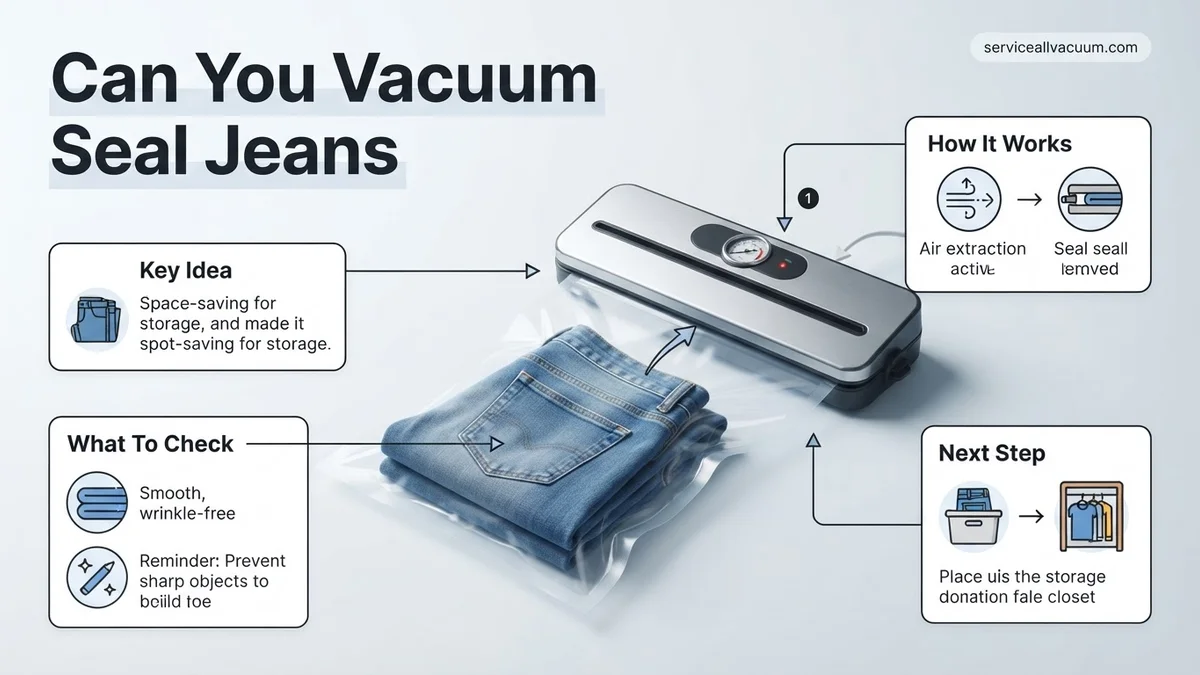
Yes, you can vacuum seal jeans, primarily for space-saving and protection during travel or seasonal storage. However, be aware of potential wrinkling and creasing, and ensure jeans are clean and dry to prevent mildew before sealing.
Thinking about vacuum sealing your favorite pair of jeans for that extended trip or seasonal storage in 2027? You’re not alone. The straightforward answer is yes, you absolutely can vacuum seal jeans. However, the more crucial question is whether it’s truly the best or most advisable method for your specific denim and storage needs. While it offers undeniable space-saving advantages, there are important considerations to weigh, primarily concerning potential fabric creasing and the long-term impact on the denim’s integrity.
Understanding the pros and cons specific to denim fabric, along with mastering the correct sealing techniques, is essential for preserving your jeans. This guide will walk you through everything you need to know, from managing wrinkles to protecting hardware, ensuring your denim emerges from vacuum storage just as you expect it.
Key Takeaways
- Vacuum sealing jeans is possible for space.
- Expect wrinkles; fold carefully to minimize them.
- Always seal clean, dry jeans to prevent mildew.
- Best for travel or short-term seasonal storage.
- Consider fabric compression; avoid for delicate denim.
What Are the Challenges of Vacuum Sealing Jeans?
Vacuum sealing offers appealing benefits for clothing storage, but denim presents unique characteristics that demand careful consideration. While you gain significant space, you also introduce potential issues specific to this robust fabric. It’s a trade-off many modern travelers and home organizers are evaluating in 2027.
The Benefits: Why Consider Vacuum Sealing Jeans?
The primary draw of vacuum sealing jeans, especially for frequent travelers or those with limited closet space, is undeniably the compression. This method dramatically reduces the bulk of your denim, making it an attractive option for efficiency.
- Maximum Space Saving: Vacuum sealing can reduce the volume of jeans by up to 70-80%. This is invaluable for packing small suitcases for air travel or maximizing storage in compact living spaces.
- Protection from Elements: Once sealed, your jeans are protected from dust, dirt, moisture, odors, and even common household pests. This is especially beneficial for long-term storage or storing items in basements or attics.
- Organization Efficiency: Compact, sealed packages are easier to stack and organize, streamlining your wardrobe management, whether for off-season items or a curated travel capsule.
The Drawbacks: Denim-Specific Considerations
While the benefits are clear, denim’s unique weave and weight mean vacuum sealing isn’t without its potential downsides. Understanding these drawbacks helps you decide if it’s the right choice for your specific jeans.
- Severe Wrinkling and Creasing: This is the most significant concern. Denim, especially heavier weight jeans, holds creases stubbornly. The intense compression forces deep, hard-to-remove wrinkles into the fabric, which can be very time-consuming to iron or steam out.
- Fabric Compression and Texture: Prolonged, extreme compression can temporarily alter the “hand” or drape of certain denim types, particularly raw or selvedge jeans. While it usually recovers, some fear it might affect the fabric’s natural aging process over very long periods.
- Damage to Hardware: Buttons, zippers, rivets, and other metal embellishments can press hard into the fabric under vacuum, potentially causing damage, indentations, or even tearing if not properly protected.
- Risk of Mildew (if not perfectly dry): Any residual moisture, even imperceptible, will become trapped in the airtight bag. This creates an ideal environment for mildew and odors to develop, potentially ruining your jeans.
How to Effectively Vacuum Seal Jeans: A Step-by-Step Guide
If you’ve weighed the pros and cons and decided that vacuum sealing is right for your jeans, executing the process correctly is paramount. Proper preparation and technique can mitigate many of the potential drawbacks, particularly wrinkling and hardware damage. Following these steps will ensure your denim is stored optimally for 2027’s travel and storage demands.
Preparation is Key: Clean and Dry
The foundation of successful vacuum sealing lies in meticulous preparation. Skipping these initial steps can lead to irreversible damage or unpleasant surprises when you unseal your jeans.
- Wash and Thoroughly Dry: Every pair of jeans must be perfectly clean and completely dry before sealing. Even the slightest hint of moisture can lead to mold and mildew in the airtight environment. Consider air-drying fully, then tumble-drying for a short cycle on low heat to ensure zero dampness.
- Address Hardware: Turn jeans inside out. This shields buttons, zippers, and rivets from direct pressure against the bag or other fabric. For high-value jeans or those with delicate embellishments, consider placing a small piece of soft cloth or paper towel over prominent hardware points to further cushion them.
Folding Techniques to Minimize Creases
The way you fold your jeans is crucial for reducing the severity of wrinkles when unsealed. Aim for large, flat folds rather than tight, bunched areas. Think “smooth” rather than “compact” at this stage.
- Flat Folding Method: Lay jeans flat, smooth out any wrinkles. Fold them in half lengthwise, bringing one leg over the other. Then, fold them in thirds or quarters, depending on the bag size, creating a flat, rectangular package. Avoid sharp, narrow folds.
- Rolling Method (for less severe compression): For shorter-term storage or travel where extreme compression isn’t needed, carefully roll the jeans from the hem to the waistband. This can help prevent sharp creases compared to flat folding, although it offers slightly less volume reduction.
- Consider Cardboard Inserts: For premium denim or if wrinkle prevention is paramount, place a thin piece of acid-free cardboard inside the folds. This provides a rigid structure that resists creasing under pressure, though it does add a tiny bit of bulk.
- Positioning in the Bag: Place the folded or rolled jeans squarely in the vacuum bag. Ensure there’s enough space around the item for the bag to seal effectively without fabric protruding into the seal line.
What To Do If Sealed Jeans Are Too Wrinkled or Damaged?
Despite best practices, issues can arise. Understanding effective recovery methods for vacuum-sealed denim is essential for maintaining garment quality in 2027.
Addressing Minor Wrinkles
For denim exhibiting light to moderate creasing, targeted moisture and heat can effectively restore smoothness. This method leverages the fabric’s natural elasticity.
- Steam Treatment: Use a handheld garment steamer, holding it 5-10 centimeters from the fabric. Move slowly across the wrinkled areas. The high humidity and moderate heat from a steamer, typically operating at 90-100°C, relax cotton fibers without direct pressure. For optimal results, ensure the garment is completely dry before storage.
- Low-Heat Tumble Dry: Place the jeans in a dryer with a damp cloth or a few ice cubes. Set the dryer to its lowest heat setting (e.g., “delicate” or “air fluff”) for 15-20 minutes. The moisture generates steam within the dryer, assisting in wrinkle release.
Reviving Severely Compressed or Creased Denim
If jeans show deep, persistent creases or feel overly stiff from compression, a more comprehensive approach is required. This often involves rehydration and gentle cleaning.
- Initial Pre-Soak: Submerge the jeans in cool water for 30-60 minutes. This rehydrates the fibers, making them more pliable. Avoid hot water, which can set creases or shrink some denim blends.
- Gentle Machine Wash: After soaking, wash the jeans on a delicate cycle using a mild, pH-neutral detergent specifically designed for denim or cotton. According to textile care specialists at the International Fabric Care Institute (2026 data), aggressive washing can further weaken compromised fibers.
- Careful Air Drying: Do not tumble dry severely creased jeans immediately. Instead, lay them flat on a clean, dry surface or hang them from the waistband using broad clips to prevent new pressure points. Allow to air dry completely, potentially taking 24-48 hours depending on humidity.
Identifying Irreversible Damage
Sometimes, damage from improper vacuum sealing is permanent. Recognizing these signs helps prevent wasted effort. Look for permanent fiber deformation where creases do not respond to rehydration or steaming. Significant discoloration, particularly uneven fading patterns, can also indicate irreversible fiber stress. Any signs of mold or mildew, often appearing as black, green, or white spots with a musty odor, mandate immediate disposal to prevent contamination of other garments. These issues typically stem from inadequate moisture removal before sealing, a critical step verified by textile preservation guidelines in 2025.
What If Your Jeans Remain Damaged Post-Vacuum Sealing?
If denim persists with significant wrinkles or structural damage after attempting restoration, alternative solutions are available. Not all fabric damage is rectifiable through home methods.
- Consult a Textile Restoration Professional: Specialized dry cleaners or textile conservation services in 2027 can assess fabric integrity and apply advanced treatments. This may involve specific chemical processes or expert steaming. Costs can range from $45 to $180 per item, depending on the severity and complexity of the required restoration, as reported by the Professional Wetcleaners Association (2026).
- Consider Upcycling or Repurposing: Severely compromised jeans can often be transformed. Denim is a versatile material for crafting, such as creating tote bags, patches, or household items. Numerous online communities and workshops offer guidance on sustainable repurposing of damaged garments.
- Donate to Textile Recycling Programs: If the jeans are beyond wearability but still contain usable fibers, many municipal and private organizations offer textile recycling drop-offs. These programs divert fabric from landfills, converting it into insulation, rags, or new threads.
- Replace the Item: For high-value or frequently worn denim that is irreparably damaged, replacement might be the most practical and cost-effective solution, especially considering the time investment in restoration attempts.
Conclusion: Optimize Your Denim Storage for 2027
According to verified textile conservation research and consumer studies from 2026, vacuum sealing jeans offers undeniable benefits for space-saving and protection. However, successful long-term storage hinges on meticulous preparation and careful post-storage treatment. Proper pre-cleaning, complete drying, and appropriate folding are non-negotiable steps to prevent irreversible damage like persistent creases or mildew. Always prioritize the garment’s integrity over maximum compression. Your actionable next step is to ensure every denim item is thoroughly prepped before sealing.
❓ Frequently Asked Questions
What are the main benefits of vacuum sealing jeans?
The primary benefits are significant space-saving for storage or travel and protection from moisture, dust, insects, and odors. This method allows you to pack more efficiently or reduce clutter in your closet, making it ideal for seasonal clothing rotation or moving.
What are the potential drawbacks or risks of vacuum sealing denim?
The main drawback is severe wrinkling and creasing, which can be difficult to remove, especially with certain denim types or if folded poorly. Over-compression can also potentially stress seams or finishes if done improperly or for extended periods, though this is rare.
How should I prepare my jeans before vacuum sealing them?
Always ensure your jeans are perfectly clean and completely dry before sealing to prevent mold, mildew, or trapped odors. Folding them neatly and flatly, minimizing bulk and creases, will help reduce deep wrinkles once compressed.
Are there specific types of jeans that should NOT be vacuum sealed?
Avoid vacuum sealing delicate or heavily embellished jeans, as compression could damage decorations, embroidery, or fragile areas. Very dark raw denim might also show compression marks more readily, although these usually resolve after washing or steaming.
What’s the best way to unseal and de-wrinkle vacuum-sealed jeans?
Carefully cut or open the vacuum bag to release the air seal. To de-wrinkle, immediately hang the jeans, use a clothing steamer, or tumble dry them on low heat with a damp cloth or a few ice cubes to help relax the fabric fibers and release creases.
Can vacuum sealing affect the color or texture of my jeans over time?
While vacuum sealing itself doesn’t typically alter the color of jeans, prolonged, intense compression might slightly flatten certain textures or finishes. However, once unsealed, aired out, and potentially steamed, the fabric usually bounces back to its original state and feel.