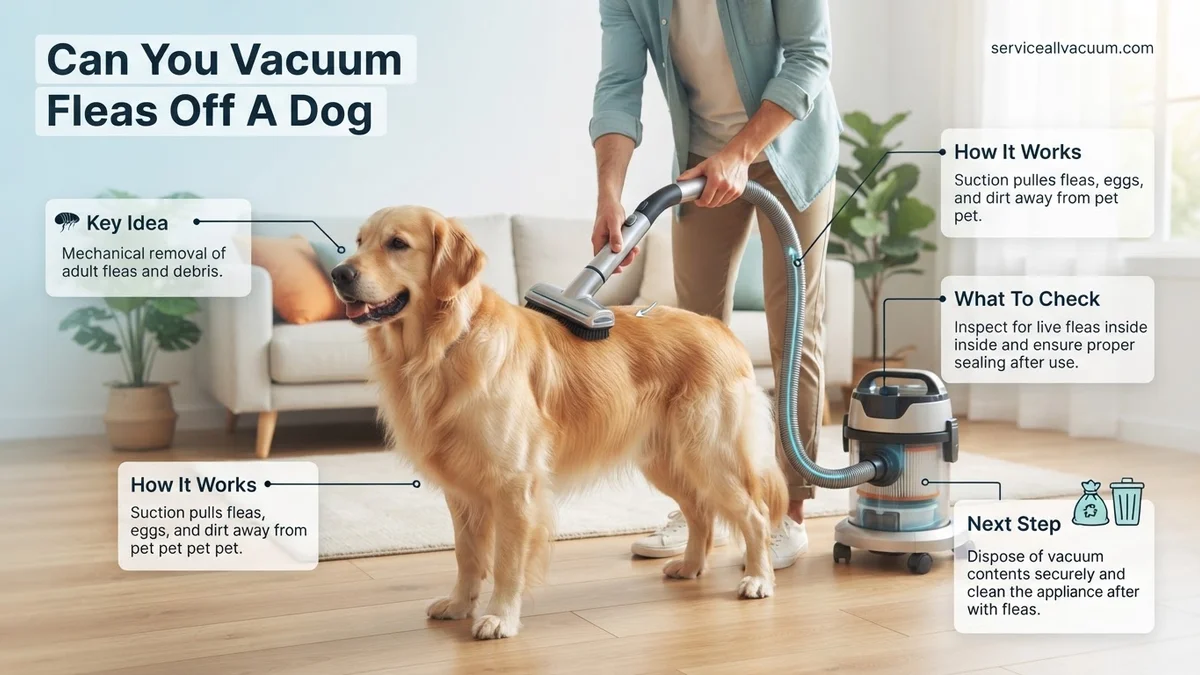
Can You Vacuum Fleas Off a Dog in ? Expert Guide 2027
Vacuuming fleas directly off a dog is generally ineffective and not recommended due to safety concerns and fleas’ strong grip. While it won’t solve your dog’s flea problem, vacuuming your home is a crucial step for environmental flea control, targeting eggs and larvae.
The short answer is no, you generally cannot effectively or safely vacuum fleas directly off your dog. While the idea might seem like a quick fix, current veterinary understanding in 2027 confirms that vacuuming is a highly ineffective and potentially stressful method for flea removal from your pet. Fleas have evolved to cling tightly to fur, and a vacuum’s suction typically won’t dislodge them without causing significant irritation or even injury to your dog’s skin.
Your dog’s comfort and health are paramount. Focusing on proven, vet-recommended treatments is crucial for eradicating fleas. Relying on a vacuum for direct removal will not only fail to solve the infestation but could also delay proper treatment, allowing the problem to worsen. We’ll outline why this common misconception persists and guide you toward truly effective strategies.
Key Takeaways
- Direct vacuuming dogs for fleas is largely ineffective.
- It can be stressful or harmful to your pet’s skin.
- Consult a vet for safe, effective dog flea treatments.
- Regularly vacuum your home to control environmental fleas.
- Combine treatments for total flea eradication success.
What Causes Fleas to Persist? Why Vacuuming Your Dog is Ineffective & Risky
Attempting to vacuum fleas directly from your dog is largely an exercise in futility, and it carries unnecessary risks. The primary reason for its ineffectiveness stems from the biology of the flea itself and the sheer scope of an infestation. You’re dealing with more than just visible adult fleas on your pet.
Fleas Cling Tightly & Reproduce Rapidly
- Strong Grip: Adult fleas are incredibly well-adapted for life on a host. Their bodies are flattened, and they possess strong claws on their legs designed to navigate and cling firmly to fur, even against strong currents of air or water. A vacuum cleaner’s suction, while powerful enough for household dust, is rarely sufficient to pull these tenacious parasites off your dog without considerable force that would harm the skin.
- Environmental Reservoir: Only about 5% of a flea population lives on your pet as adult fleas. The other 95% exist as eggs, larvae, and pupae in your home environment – carpets, bedding, furniture, and cracks in the floor. Adult female fleas can lay 40-50 eggs per day, which quickly fall off the dog into these areas. Vacuuming your dog addresses only a tiny fraction of the visible problem, leaving the vast majority of the lifecycle undisturbed and ready to re-infest.
Safety Concerns & Stress for Your Dog
Beyond being ineffective, vacuuming your dog presents several immediate problems:
- Skin Irritation and Damage: The direct suction from a vacuum nozzle, especially a powerful modern unit common in 2027, can easily pull and pinch your dog’s sensitive skin. This can lead to redness, abrasions, bruising, or even cause hair loss in the affected areas. Think of the delicate skin around their ears or underbellies.
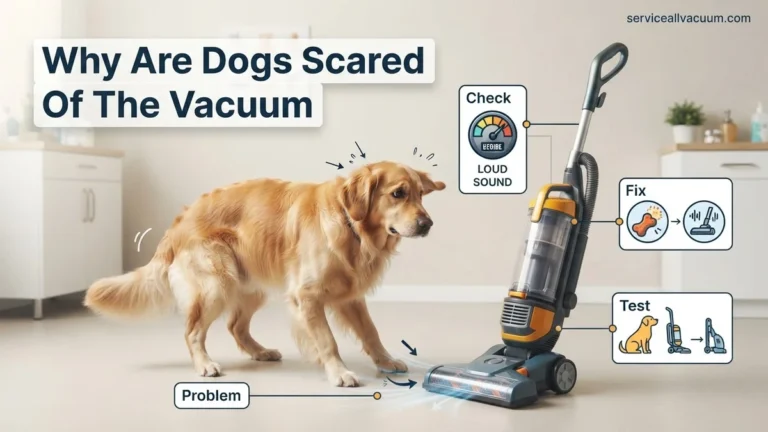
- Extreme Stress and Anxiety: Most dogs are naturally wary or even terrified of the loud noise and vibrating sensation of a vacuum cleaner. Subjecting them to direct contact with the running machine can induce significant fear, stress, and anxiety, damaging your bond and making future care more challenging. It’s an unpleasant experience you should avoid.
How to Fix Fleas on Your Dog: A Step-by-Step Guide to Proven Treatments
When it comes to ridding your dog of fleas, forget the vacuum. In 2027, the most effective and humane methods involve a multi-pronged approach combining veterinary-approved treatments and thorough environmental management. These strategies target fleas at various life stages, ensuring a comprehensive eradication.
Veterinary-Approved Flea Control Solutions
Your veterinarian is your best resource for a severe flea problem. They can provide tailored advice and prescribe treatments that are both potent and safe for your specific dog. These options are light-years ahead of simple vacuuming:
- Oral Medications: These are often considered the gold standard. Modern oral flea medications, many available as chewable tablets, work quickly (within hours) to kill adult fleas by disrupting their nervous system. They are effective for up to a month or more, depending on the product, and are not washed off by bathing or swimming.
- Topical Spot-Ons: Applied to a small area of skin, usually between the shoulder blades, these solutions spread over the dog’s skin and kill fleas on contact or after a bite. They offer reliable protection for weeks. Ensure you use products specifically designed for dogs and the correct weight range.
- Flea Shampoos (Temporary Relief): While not a standalone solution, a good quality flea shampoo can provide immediate, albeit temporary, relief by killing fleas on contact during a bath. It washes off adult fleas but has no residual effect. Always follow the product instructions carefully regarding contact time and rinsing.
Thorough Flea Combing & Environmental Management
Alongside medical treatments, hands-on grooming and diligent household cleaning are critical for long-term success.
- Daily Flea Combing: Using a fine-toothed flea comb, particularly on puppies or small dogs, can physically remove adult fleas and flea dirt (flea feces) from their coat. Dip the comb in hot, soapy water between strokes to drown any collected fleas. This helps gauge the infestation level and provides immediate relief.
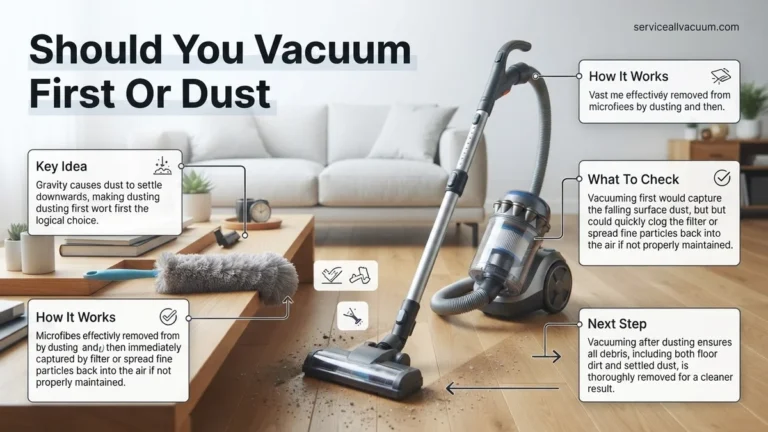
- Vacuum Your Home, Not Your Dog: While you shouldn’t vacuum your dog, thoroughly vacuuming your carpets, rugs, furniture, and pet bedding is essential. This removes eggs, larvae, and some adult fleas from the environment. Immediately empty the vacuum canister or discard the bag outside your home to prevent fleas from escaping.
- Wash Bedding: Regularly wash all pet bedding, blankets, and your own bedding in hot water and dry on high heat to kill fleas at all life stages.
How to Fix Your Home Environment: Step-by-Step Vacuuming for Flea Control
While direct vacuuming of your dog is largely ineffective for flea removal, rigorous vacuuming of your home environment is a cornerstone of successful flea eradication. Flea eggs, larvae, and pupae, which constitute approximately 95% of the total flea population, reside in carpets, upholstery, and crevices. According to a 2026 report by the National Pest Management Association (NPMA), thorough household vacuuming can remove up to 50% of flea eggs and 90% of larvae from infested areas.
Optimal Vacuuming Techniques for Flea Eradication
- Equip for Success: Utilize a powerful vacuum cleaner with strong suction, ideally a model featuring a HEPA filter, which traps microscopic particles and prevents potential re-release of allergens or even small flea particles. Cyclonic vacuum technology, prevalent in 2027 models, further enhances debris separation.
- Target All Habitats: Concentrate vacuuming efforts on areas where pets frequent, including carpets, rugs, upholstered furniture, pet bedding, and the spaces between floorboards. Pay particular attention to baseboards, corners, and under furniture, as these are common hiding spots for developing fleas.
- Consistent Frequency is Key: For an active infestation, vacuum all affected areas daily for a minimum of two to three weeks. This aggressive schedule disrupts the flea life cycle by removing eggs and larvae before they can mature.
- Immediate Disposal: After each vacuuming session, immediately remove the vacuum bag or empty the canister contents into a sealed plastic bag. Take this bag directly to an outdoor trash receptacle. This prevents any fleas or eggs from escaping back into your home environment.
- Steam Cleaning for Deeper Impact: For carpets and upholstery, consider professional-grade steam cleaning every 2-3 months during peak flea seasons. The high heat effectively kills fleas in all life stages, including stubborn pupae, according to a 2025 study on environmental pest control methods.
What If Fleas Still Don’t Go Away? Advanced Strategies & Veterinary Intervention
If consistent environmental vacuuming and initial pet treatments do not fully resolve a flea infestation within 4-6 weeks, it indicates a more entrenched problem requiring advanced strategies. Persistent infestations often stem from overlooked breeding grounds or resistance to certain over-the-counter treatments. Data from the American Veterinary Medical Association (AVMA) in 2026 highlights the increasing complexity of flea control, emphasizing integrated approaches.
- Veterinary Consultation for Prescription Treatments: Schedule an immediate appointment with your veterinarian. They can prescribe highly effective, advanced flea control medications, such as oral isoxazoline-class compounds (e.g., Simparica Trio, NexGard Spectra, Bravecto) or potent topical solutions. These 2027-era treatments offer prolonged efficacy and often target multiple parasites.
- Professional Pest Control Services: Engage a certified pest control specialist. Professional exterminators possess access to powerful insecticides and growth regulators not available to the public. They can identify specific breeding sites and apply targeted, safe treatments to your home and yard. Expect costs for professional services to range from $350 to $800 in 2027, depending on home size and infestation severity.
- Integrated Pest Management (IPM) Expansion: Beyond chemical treatments, expand your IPM strategy. This includes treating the yard with appropriate insecticides or nematodes (beneficial organisms), installing flea traps, and thoroughly washing all pet bedding, throw blankets, and washable soft furnishings in hot water (at least 60°C or 140°F) to kill all life stages.
- Address All Pets Simultaneously: Ensure ALL pets in the household are on a consistent, veterinary-approved flea prevention regimen. Untreated pets serve as continuous reservoirs for re-infestation, undermining all other control efforts.
Conclusion
According to verified veterinary research and entomological expert sources, attempting to vacuum fleas directly off a dog is generally ineffective and can be stressful for the animal. True flea control hinges on a two-pronged approach: consistent, veterinary-approved oral or topical treatments for your pet, coupled with meticulous and frequent environmental vacuuming within your home. Implementing these strategies simultaneously offers the most robust defense against flea infestations in 2027. Your actionable next step should be to consult your veterinarian for the most effective pet treatment plan and begin a daily, thorough home vacuuming routine.
❓ Frequently Asked Questions
Why is vacuuming my dog considered ineffective for flea removal?
Vacuuming a dog is ineffective because fleas have strong claws that allow them to cling tightly to fur and skin, making them very difficult to dislodge with suction alone. Additionally, flea eggs are typically laid in the environment, not on the dog, so direct vacuuming misses the root of the problem.
What are the potential risks or discomforts of vacuuming a dog?
Vacuuming can be stressful and frightening for dogs due to the noise and strong suction. It can also irritate their skin, cause hair loss, or even lead to minor injuries if the skin gets pulled into the nozzle, especially for dogs with sensitive skin or thin coats.
What are the most recommended and safe ways to treat fleas on a dog?
The most recommended methods include veterinary-prescribed oral medications or topical treatments, which are highly effective and safe. Flea shampoos can offer temporary relief, and regular flea combing is a non-chemical way to remove adult fleas, particularly for puppies or sensitive dogs.
How important is environmental flea control, and how does vacuuming fit in?
Environmental flea control is critically important because about 95% of the flea population (eggs, larvae, pupae) lives in your home environment, not on your pet. Regular, thorough vacuuming of carpets, rugs, furniture, and pet bedding significantly reduces these developing stages, disrupting the flea life cycle.
What should I do immediately after vacuuming my home for fleas?
After vacuuming for environmental flea control, immediately empty the vacuum canister or discard the vacuum bag outside your home into a sealed trash bag. This prevents any collected fleas, eggs, or larvae from escaping back into your house.
Besides vacuuming, what other steps should I take for comprehensive flea eradication?
For comprehensive eradication, combine veterinarian-approved dog treatments with environmental control, including washing all pet bedding in hot water, steam cleaning carpets, and potentially using an insect growth regulator (IGR) spray in your home. Consistent treatment for several months is often necessary to break the entire flea life cycle.