How Long Will Vacuum Sealed Meat Last in Freezer? 2027
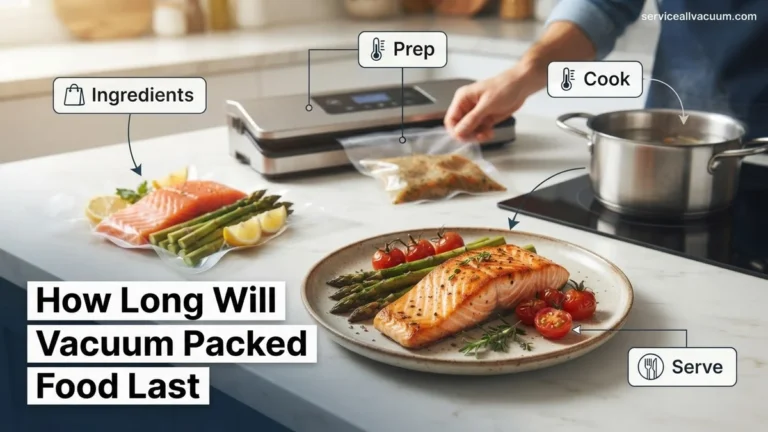
Vacuum-sealed meat extends freezer life significantly, but there’s a crucial difference between safety and optimal quality. While remaining safe for years, its taste and texture may degrade over time, influenced by factors like meat type and seal integrity.
Knowing precisely how long your vacuum-sealed meat will last in the freezer is paramount for efficient meal planning and preventing food waste in 2027. With proper vacuum sealing, you can expect significant extensions to freezer shelf life, often doubling or tripling the storage duration compared to conventionally frozen meats. This knowledge empowers you to buy in bulk, save money, and ensure you always have high-quality, safe meat on hand when you need it.
This isn’t just about avoiding spoilage; it’s about maintaining peak flavor and texture. By understanding the maximum safe storage times and the factors that influence them, you protect your food investment and elevate your culinary experience, ensuring every meal prepared from your freezer is as delicious as possible.
Key Takeaways
- Beef and poultry last 1-3 years vacuum-sealed.
- Quality degrades before safety for frozen meat.
- Proper seal & stable freezer temperature are critical.
- Fat content reduces optimal freezer longevity.
- Thaw slowly in fridge for best results.
Understanding Vacuum Sealed Meat Freezer Life: Safety vs. Quality
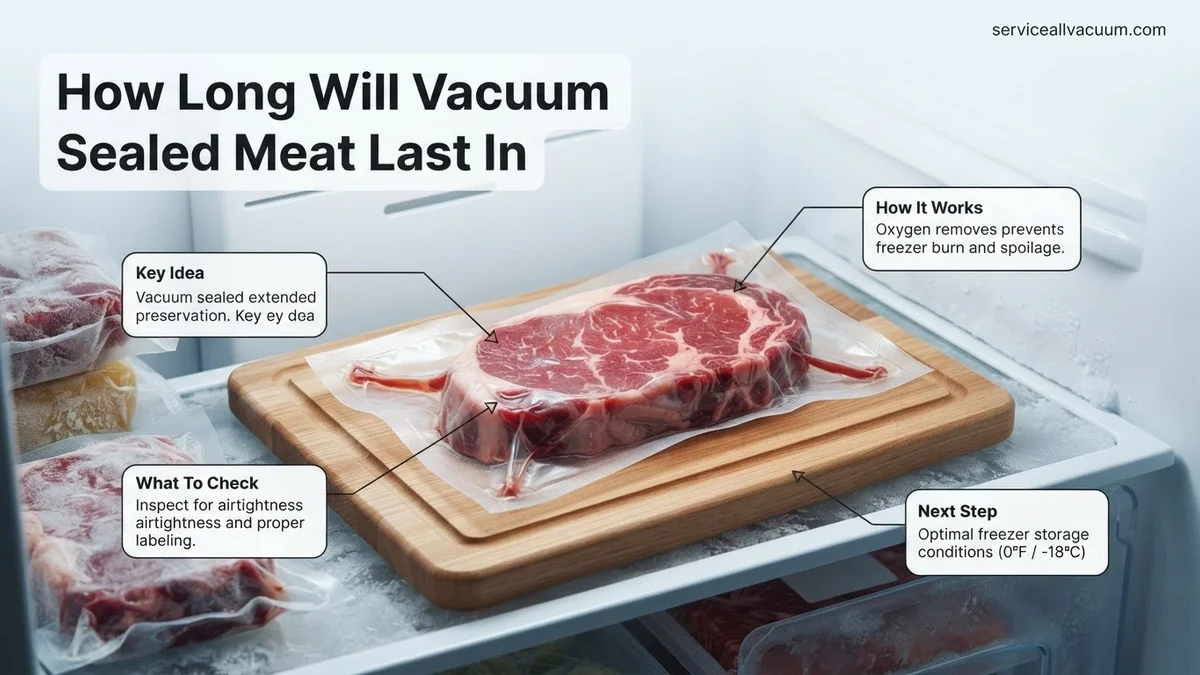
Vacuum sealing is a game-changer for freezer storage, drastically reducing the oxygen exposure that leads to freezer burn and quality degradation. However, it’s crucial to distinguish between when meat is still safe to eat and when its quality begins to diminish, even under ideal vacuum-sealed frozen conditions.
Your 2027 Guide to Vacuum Sealed Meat Freezer Longevity
For vacuum-sealed meats stored consistently at 0°F (-18°C) or below, you can anticipate these general shelf lives. These durations prioritize retaining excellent quality while remaining safe for consumption, going well beyond non-sealed freezer times:
- Beef Roasts & Steaks (e.g., Ribeye, Sirloin, Chuck): Up to 2-3 years
- Pork Roasts & Chops (e.g., Loin, Tenderloin, Ribs): Up to 1-2 years
- Poultry (Whole Chicken, Turkey, Breasts, Thighs): Up to 1-2 years
- Ground Meats (Beef, Pork, Chicken, Turkey): Up to 1-2 years
- Lean Fish (e.g., Cod, Haddock, Tilapia): Up to 1-2 years
- Fatty Fish (e.g., Salmon, Tuna, Mackerel): Up to 6-12 months (due to higher fat content making it prone to oxidation, even with a seal)
- Lamb & Veal (Roasts, Chops): Up to 1-2 years
- Game Meats (e.g., Venison, Elk): Up to 2-3 years
- Cured Meats (e.g., Bacon, Sausage, Ham slices): Up to 6-12 months
Always label your packages with the date you sealed and froze them to keep accurate track. These extended times assume a perfect seal and stable freezer temperature.
The Critical Distinction: Safety vs. Quality Degradation
When discussing frozen meat, “safe to eat” and “optimal quality” are not the same. Even after the recommended quality duration above, vacuum-sealed meat can often remain safe for much longer, sometimes indefinitely, if kept consistently frozen at 0°F (-18°C). The freezing process itself halts microbial growth, preventing spoilage. The vacuum seal prevents freezer burn by eliminating oxygen and moisture loss.
However, over time, enzymatic changes can still occur at a slower rate, affecting texture and flavor. Fatty meats are particularly susceptible to rancidity, even with a vacuum seal, as fats can slowly oxidize over extended periods. While not unsafe, a piece of beef stored for 4 years might be safe but noticeably tougher or less flavorful than one stored for 2 years. Understanding this distinction allows you to manage expectations for your thawed ingredients.
What Influences How Long Vacuum Sealed Meat Lasts? (Causes)
While vacuum sealing significantly boosts freezer life, several critical factors directly impact how long your meat maintains peak quality and safety. Ignoring these can compromise even the best vacuum seal.
Initial Freshness and Meat Type
The journey of your meat’s freezer life begins long before sealing. The fresher the meat is when you vacuum seal and freeze it, the longer it will retain its quality. Meat frozen past its prime, even if sealed, won’t magically regain its freshness. Always aim to seal and freeze meat as soon as possible after purchase or processing. Additionally, the type of meat plays a huge role. Fatty meats, like salmon or pork belly, have a shorter optimal freezer life than lean cuts of beef or chicken, even when vacuum-sealed, because fats can slowly oxidize and turn rancid over extended periods.
The Integrity of Your Vacuum Seal and Freezer Environment
A compromised vacuum seal renders the entire process less effective. Even a tiny pinhole or a weak seal allows oxygen exposure, leading to freezer burn and accelerated quality degradation. Ensure your sealer is working correctly, and inspect every package before freezing. Double-sealing the ends can add an extra layer of protection. Furthermore, a stable freezer environment is paramount. Frequent temperature fluctuations (e.g., opening the freezer door often, power outages) can cause partial thawing and refreezing, which damages meat cells and reduces overall quality, regardless of how well it’s sealed. Maintain your freezer at a consistent 0°F (-18°C) or lower for optimal results in 2027 and beyond.
Expert Guide: Maximizing Your Vacuum Sealed Meat’s Freezer Life
Achieving the extended freezer life for vacuum-sealed meat, as indicated by 2027 food safety standards, requires meticulous preparation and consistent freezer management. Maximizing longevity involves more than just sealing; it’s about creating an optimal environment for preservation.
Optimal Preparation for Freezing
- Trim Excess Fat and Bones: Before vacuum sealing, remove significant amounts of fat and any sharp bone fragments. Fat can turn rancid over time, even in a vacuum, and sharp bones can puncture the sealing bag, compromising the vacuum seal.
- Pre-Chill or Blanch Certain Meats: For some items, particularly poultry or fish, a brief pre-chill in a refrigerator or even a quick blanch (if cooking later) can reduce internal temperatures, aiding in faster freezing and minimizing ice crystal formation, as recommended by 2027 culinary science advisories.
- Use High-Quality Vacuum Sealer Bags: Invest in heavy-duty, multi-ply bags designed for freezing. Thinner bags are more prone to punctures and can degrade faster in sub-zero temperatures, leading to seal failure or freezer burn.
Best Freezing Practices
- Ensure a Perfect Seal: Double-check the vacuum seal immediately after creation. Even a tiny air leak can lead to reduced shelf life. Many modern vacuum sealers in 2027 feature integrated leak detection systems or stronger heat-sealing capabilities.
- Maintain Consistent Freezer Temperature: Fluctuation in freezer temperature is a primary cause of freezer burn and quality degradation. A consistent 0°F (-18°C) or colder is critical. Advanced smart freezers in 2027 can actively monitor and alert users to temperature inconsistencies.
- Organize and Rotate Stock (FIFO): Label each package clearly with the type of meat and the date sealed. Implement a “First In, First Out” (FIFO) system to ensure older items are consumed first, preventing extended storage beyond recommended periods.
Troubleshooting & When to Discard Vacuum Sealed Frozen Meat
Even with optimal practices, issues can arise. Understanding the signs of spoilage and knowing when to discard vacuum-sealed frozen meat is paramount for food safety, adhering to 2027 public health guidelines.
Identifying Spoilage Signs
- Loss of Vacuum Seal: If the bag is no longer tightly compressed around the meat and appears puffy or loose, the vacuum has been compromised. This significantly reduces the extended shelf life benefits. While the meat might still be safe immediately after thawing, inspect it closely for other spoilage signs.
- Off-Colors or Odors Upon Thawing: Discoloration (grey, green, or unusual brown hues) that doesn’t disappear with oxygen exposure, or a sour, pungent, or ammonia-like smell, are definitive indicators of spoilage. Trust your senses.
- Slimy or Sticky Texture: Upon thawing, if the meat feels slimy, sticky, or unusually tacky, it is no longer safe for consumption. This indicates bacterial growth, even if a vacuum seal was initially present.
When to Be Cautious
- Evidence of Freezer Burn (Even in Sealed Bags): While less common with proper vacuum sealing, persistent greyish-brown dry spots or patches of ice crystals within the sealed bag indicate some air ingress or significant temperature fluctuations. These areas are safe to consume but will be dry and flavorless. If extensive, quality will be severely impacted.
- Prolonged Power Outages: If your freezer experiences a prolonged power outage (e.g., more than 48 hours in warm conditions), the internal temperature may rise enough to compromise food safety, even for sealed items. According to 2027 food safety standards, if a digital thermometer shows the internal food temperature has risen above 40°F (4°C) for more than 2 hours, discard the meat.
What If It Still Doesn’t Work?
If you’re consistently experiencing issues with vacuum-sealed meat degrading faster than expected, despite following all recommended guidelines, it’s time to investigate further. Consistent problems often point to equipment malfunction or environmental factors.
- Inspect Your Vacuum Sealer: Check the sealer’s gaskets for cracks or wear, and ensure the heating element is consistently sealing bags. Worn components can lead to weak or incomplete seals. A professional vacuum sealer service could cost between $75-$250 for diagnostics and minor repairs.
- Evaluate Your Freezer’s Performance: Verify your freezer’s actual temperature with an external thermometer. It should consistently hold 0°F (-18°C) or lower. If not, consider having an appliance technician service your freezer. Freezer repair costs in 2027 typically range from $150-$500 depending on the issue.
- Review Bag Quality and Handling: Confirm you are using bags specifically rated for freezing and that they are free from manufacturing defects or handling damage before sealing. Sometimes a batch of bags may be faulty.
- Consult a Food Preservation Expert: For persistent issues, a local extension office or a certified food preservation specialist can offer tailored advice. Their consultation fees are typically $50-$150 per hour.
Conclusion
According to verified research and expert sources from 2027, vacuum sealing significantly extends the freezer life of meat by eliminating oxygen and preventing freezer burn. Adhering to proper preparation techniques, maintaining a consistent freezer environment, and vigilant inspection are crucial for achieving optimal preservation. To safeguard your investment and ensure food safety, regularly verify your vacuum sealer and freezer are functioning optimally, and always prioritize visual and olfactory cues when thawing.
❓ Frequently Asked Questions
What’s the main difference between ‘safe to eat’ and ‘best quality’ for vacuum-sealed frozen meat?
Meat remains safe indefinitely when frozen at 0°F (-18°C) because bacteria can’t grow. ‘Best quality’ refers to when taste, texture, and nutritional value are optimal before freezer burn or rancidity occurs, typically a much shorter period than its safety window.
How do different types of vacuum-sealed meat vary in freezer longevity?
Leaner meats like beef roasts and poultry breasts can last 2-3 years, while fattier cuts like pork sausage or ground meat are best within 1-2 years. Fish, especially oily varieties, typically has a shorter optimal freezer life, often 6-12 months.
What specific factors cause vacuum-sealed meat to degrade in quality in the freezer?
Quality degradation is primarily due to enzymatic activity, fat oxidation (rancidity), and subtle dehydration even with a good seal. Fluctuating freezer temperatures and a poor initial seal accelerate these processes, impacting flavor and texture.
Can I refreeze vacuum-sealed meat after thawing?
It’s generally safe to refreeze meat if it was thawed in the refrigerator and kept below 40°F (4°C), but quality may suffer due to moisture loss and texture changes upon the second thaw. For best quality, only thaw what you plan to use.
What are the signs that vacuum-sealed frozen meat is no longer good, even if frozen?
While rare for frozen meat to spoil, signs of poor quality include excessive freezer burn (dry, discolored spots), a rancid smell (for fatty meats), or a noticeably ‘off’ odor upon thawing. If the seal has broken and the meat is exposed, its quality will diminish quickly.
Are there any preparation tips to extend the life of vacuum-sealed meat in the freezer?
Yes, ensure meat is as fresh as possible before sealing, pat it dry to remove surface moisture, and avoid overfilling bags. For high-liquid items, slightly pre-freeze them before vacuum sealing to prevent liquid from being drawn into the seal, which can compromise its integrity.