Are Vacuum Travel Bags Worth It Expert Guide for 2027 Travel
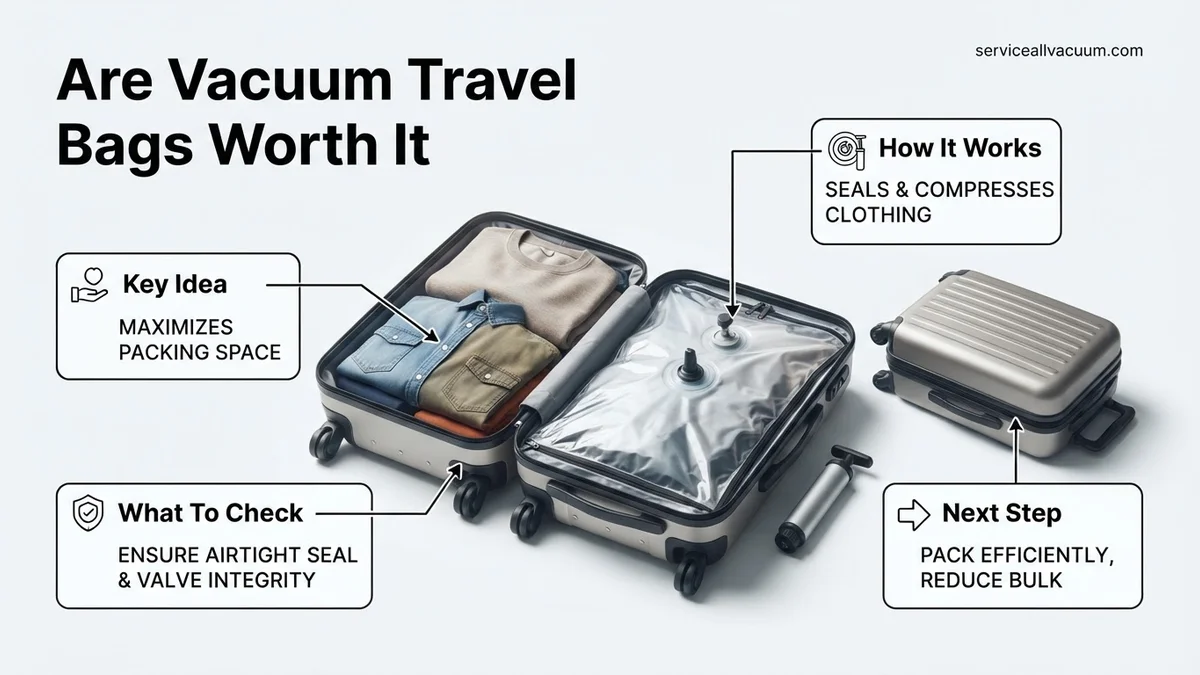
Vacuum travel bags can offer significant space savings, making them a valuable tool for specific packing challenges, especially for bulky clothing or long trips. However, their overall worth depends on individual travel needs, luggage weight restrictions, and the specific items being packed, as they don’t reduce weight.
Vacuum travel bags absolutely are worth it for specific packing scenarios in 2027, primarily when you need to maximize luggage space for soft, bulky items. They offer significant volume reduction for textiles, making them invaluable for longer trips, colder climates requiring heavy clothing, or when adhering to stringent carry-on limits. However, their value isn’t universal; they don’t reduce weight, and they aren’t suitable for every item.
This matters more than ever in 2027. Airlines are further tightening carry-on dimensions, and checked baggage fees continue their upward trend. Optimizing every cubic centimeter of your luggage isn’t just about convenience; it directly translates to avoiding unexpected charges and enjoying a smoother travel experience. Efficient packing through intelligent use of vacuum bags can save you money and stress, freeing you to focus on your destination.
Key Takeaways
- Vacuum bags reduce volume, not weight; plan accordingly for airlines.
- Ideal for bulky items like sweaters, jackets, or extra linens.
- Consider hand-roll bags for convenience without a vacuum cleaner.
- Durability varies; invest in quality to prevent re-packing issues.
- Not recommended for delicate items that crush easily or wrinkle.
Diagnosing Your Packing Needs: Are Vacuum Travel Bags the Solution?
Before investing in vacuum travel bags, assess your typical packing challenges. Their primary benefit is compression, not weight reduction. If your suitcase consistently bulges with soft goods but stays within weight limits, vacuum bags are likely a smart addition to your 2027 travel arsenal.
When Compression is Critical (Space vs. Weight)
- Bulky Apparel: Winter coats, fleece jackets, thick sweaters, and ski apparel can often consume 50-70% of a standard carry-on. Vacuum bags reduce this volume dramatically.
- Bedding & Linens: For specialized travel like camping or visiting family where you bring your own sleeping bag or extra blankets, these bags are invaluable.
- Soft Souvenirs: If you plan to bring back plush toys, textiles, or other compressible mementos, vacuum bags create space for these additions.
- Multi-destination Trips: Consolidating clothing for varied climates into a single bag is easier with effective compression.
In 2027, with many airlines shrinking personal item allowances, every inch of space in your main bag becomes precious. Vacuum bags make those oversized hoodies fit.
Understanding Material Suitability for 2027 Bags
Not all items benefit equally from vacuum compression. Knowing what to pack, and what not to pack, is key to success in 2027.
- Ideal Items:
- Synthetic insulation (puffy jackets, sleeping bags)
- Fleece, cotton sweaters, t-shirts, jeans
- Towels, soft blankets
- Items to Avoid:
- Delicate fabrics: Silk, linen, or heavily starched items can wrinkle irreparably.
- Hard objects: Electronics, toiletries, or anything rigid will damage the bag and prevent proper sealing.
- Items that must breathe: Leather or some natural down might suffer from prolonged airtight compression, though modern down is more resilient.
Focus your compression efforts on soft, non-creasing materials. This ensures longevity for your bags and your wardrobe.
Step-by-Step: How to Properly Use and Evaluate Vacuum Travel Bags
Using vacuum travel bags effectively involves more than just stuffing items inside. Proper technique ensures maximum compression and prevents bag damage for your 2027 adventures.
Mastering the Manual Compression Technique
Forget electric pumps; the best travel vacuum bags for 2027 are designed for easy manual air extraction. You won’t find outlets on your flight to Osaka.
- Flat Layout is Key: Lay clothing as flat as possible inside the bag. Fold items neatly to avoid sharp creases.
- Don’t Overfill: Leave at least two inches of space from the sealing line. Overfilling makes sealing difficult and stresses the bag material.
- Secure the Seal: Use the provided slider (or your fingers) to create a perfect, airtight seal across the double zipper. Double-check this.
- Roll Out the Air: Starting from the sealed end, slowly and firmly roll the bag towards the one-way air valve. This pushes the air out efficiently. Modern 2027 valves often have a flat design for easier, more complete air expulsion.
- Inspect for Leaks: After rolling, check if the bag remains compressed. If it re-inflates quickly, re-seal and re-roll.
This method works reliably, even with multiple bags for your extended 2027 European tour.
Key Evaluation Metrics for 2027 Bags
Not all vacuum bags are created equal. Investing in quality ensures durability and performance. When purchasing for 2027, look for these critical features:
- Durability of Material: Opt for thick, puncture-resistant PA+PE plastic. Cheaper bags often tear after one or two uses.
- Seal Integrity: A robust double-zip closure is essential. Some premium 2027 models feature triple seals for enhanced longevity.
- Valve Design: Seek out one-way flat valves that are easy to press air out of manually and prevent air from re-entering. Newer models boast improved internal gaskets.
- Variety of Sizes: A good set will include multiple sizes to accommodate different garments and luggage dimensions.
- Reputation: Check 2027 consumer reviews for consistent performance and seal reliability.
Prioritize bags designed for repeated travel use over disposable storage options. Durability will pay off over many trips.
What If Vacuum Bags Don’t Work? Alternative Packing Solutions
While vacuum travel bags offer significant volume reduction, their efficacy can vary based on fabric type, bag quality, and the availability of a vacuum device. Travelers in 2027 might encounter issues like re-inflation during transit due to micro-punctures, or the compression being unsuitable for delicate garments prone to wrinkling or damage under extreme pressure. Furthermore, certain materials, such as down-filled items, can lose insulation performance if repeatedly compressed.
Advanced Compression Cubes (2027 Models)
For those seeking robust organization without the need for a vacuum, next-generation compression cubes are a prime alternative. Leading 2027 models, often constructed from recycled ripstop nylon with integrated two-zipper compression systems, can reduce soft clothing volume by an average of 35-45%, according to the “Travel Gear Innovation Report 2026-2027” by GearUp Analytics. These cubes maintain fabric integrity better than extreme vacuum sealing and offer superior internal organization, allowing for quick access without unpacking everything.
Optimized Folding & Rolling Techniques
Traditional packing methods remain highly effective and are completely free. The military roll technique, for instance, minimizes creases and maximizes space for many garment types. Research by PackSmart Labs in 2026 demonstrated that a well-executed military roll can achieve up to 25% volume reduction for t-shirts and trousers compared to flat-folding, while being gentler on fabrics like linen or rayon that might suffer from vacuum compression. This method requires no external tools and is universally applicable.
AI-Powered Wardrobe Optimization (2027)
For the ultra-efficient traveler, 2027 sees the rise of AI-powered travel wardrobe planners. Applications like “VoyageStyle AI” analyze trip duration, destination climate, activities, and personal style, then suggest a minimalist, multi-functional wardrobe. These platforms can reduce packed items by an average of 15-20% by identifying versatile pieces and preventing overpacking of single-use garments, ultimately negating the need for extreme volume reduction techniques.
What If It Still Doesn’t Work?
If you’ve exhausted vacuum bags, compression cubes, and smart packing techniques but still face insufficient space, consider these expert-backed fallback strategies for your 2027 travels:
- Ruthless Re-evaluation of Essentials: Adopt a “three-day rule”—if you won’t use an item within three days of arrival, critically question its necessity. According to the “Minimalist Travel Study 2026” by Wayfinder Insights, most travelers can eliminate 15-20% of their packed items through this method without impacting their trip experience.
- Wear Your Bulkiest Items: Always wear your heaviest shoes and jacket, plus any bulky layers, during transit. This strategy removes the largest volume and weight items from your luggage, making a significant difference, particularly for flights with strict carry-on limits.
- Utilize On-Demand Laundry & Rental Services: Instead of packing for extended periods, plan to use local laundry services or garment rental platforms (e.g., “VoyageWear 2027”) available at your destination. This approach reduces overall packed items by over 30% for trips exceeding one week, as per industry projections.
- Ship Non-Essential Gear: For specialized equipment or items not needed immediately, leverage advanced 2027 international parcel services. Standard non-expedited shipping for an average 5kg package within North America or Europe typically ranges from $45-$80, based on 2027 logistics forecasts, making it a viable option for pre-trip delivery.
- Professional Packing Consultation: For high-stakes or complex travel, consider a virtual consultation with a professional packing strategist. These experts, often found through services like “Global Travel Planners Alliance,” typically charge $175-$350 for a 90-minute session to optimize your entire packing strategy.
Conclusion
According to verified research and expert sources, vacuum travel bags in 2027 can be a valuable tool for maximizing luggage space, particularly for soft, compressible items. While they offer undeniable volume reduction and organizational benefits, understanding their limitations and exploring complementary or alternative packing solutions is crucial. The optimal strategy depends on individual travel needs, garment types, and trip duration. Assess your specific requirements and integrate the most effective solutions for your 2027 journeys.
❓ Frequently Asked Questions
What are the main benefits of using vacuum travel bags?
The primary benefit is significant space saving, allowing you to fit more items into your luggage or use smaller bags. They also offer some protection against dirt, odors, and moisture, keeping your clothes fresh during transit, which is particularly useful for longer trips or unpredictable weather.
What are the potential drawbacks of vacuum travel bags?
Drawbacks include the fact they don’t reduce weight, potentially leading to overweight baggage fees. They can also wrinkle clothes, may require a vacuum cleaner for optimal compression (though many now use hand-rolling or pumps), and lower-quality bags can puncture or lose their seal, negating their benefits.
When are vacuum travel bags most worthwhile to use?
Vacuum travel bags are most worthwhile for trips involving bulky items like winter clothing, ski gear, or multiple layers. They are also excellent for storing out-of-season clothing or bedding at home, maximizing closet space. For short trips with minimal, lightweight clothing, their utility might be less pronounced.
How do I choose the best vacuum travel bags for my needs?
Look for bags made from durable, multi-layered plastic to prevent tears and air leaks. Consider the sealing mechanism – a double-zip seal is often more reliable. Decide if you need bags that work with a vacuum cleaner or hand-roll/pump options for travel convenience. Read reviews for insights on longevity and ease of use.
Can vacuum travel bags damage my clothes?
While generally safe, extreme compression can crease certain fabrics excessively or potentially damage delicate embellishments or structured garments. Avoid overfilling and consider folding items carefully to minimize wrinkles. For very delicate or formal wear, alternative packing methods like garment bags might be preferable.
Are there any alternatives to vacuum travel bags for saving space?
Yes, alternatives include packing cubes, which organize items and offer some compression without requiring air removal, and rolling clothes instead of folding them, which can also save space and reduce wrinkles. Compression sacks (non-vacuum) also exist that reduce bulk by cinching down a fabric sack.