What Is Vacuum Leak In Car What is a Car Vacuum Leak? 2027
A vacuum leak occurs when unintended air enters your car’s engine intake system, disrupting the crucial air-fuel mixture. This leads to poor engine performance, reduced fuel efficiency, and various drivability issues, often due to cracked hoses or faulty gaskets. Understanding this issue is key to maintaining your vehicle’s health.
A car vacuum leak, at its core, describes unintended outside air entering your engine’s intake system or other vacuum-dependent components after the air has been measured by sensors. This unseen intrusion can significantly disrupt your vehicle’s delicate operational balance. Understanding what a vacuum leak is crucial because it directly impacts your engine’s performance, fuel efficiency, and even the functionality of systems like your brakes. As we move into 2027, modern vehicles, with their precise electronic controls, are especially sensitive to these disruptions, making early comprehension and identification key to maintaining optimal vehicle health.
Simply put, a vacuum leak is atmospheric air bypassing the engine’s primary air intake sensors. This “unmetered” air then mixes with fuel, throwing off the carefully calculated air-fuel ratio. This imbalance can lead to a host of noticeable problems, from rough idling to reduced power, and can even trigger dashboard warning lights. Recognizing the fundamental mechanism behind these leaks helps you understand why your car might not be performing as expected.
Key Takeaways
- Unintended air entering engine intake system.
- Disrupts air-fuel mixture, harms performance.
- Often caused by cracked hoses or gaskets.
- Affects idle, braking, and emissions.
- Prompt attention prevents further damage.
What is a Car Vacuum Leak: Definition & Impact
At its core, a car vacuum leak is atmospheric air entering the engine’s intake system at an unintended point, specifically after the throttle body and mass airflow sensor (MAF). This means the engine’s computer (ECM/PCM) isn’t aware of this extra air, which then disrupts the precise air-fuel mixture the engine needs to run efficiently. Your engine creates a strong vacuum as its pistons move down, pulling air into the combustion chambers. This vacuum is vital, not just for combustion, but also for operating numerous other vehicle systems.
The Engine’s “Breathing” System and Its Vulnerabilities
Modern engines, as refined as they are in 2027, rely heavily on vacuum pressure. The engine’s intake manifold operates under negative pressure (a vacuum) relative to the outside atmosphere. This vacuum is critical for drawing in air for combustion. When a leak occurs, ambient air is pulled into this system through a crack, loose connection, or deteriorated component. This bypasses the meticulous air metering process, leading to:
- An excessively “lean” air-fuel mixture (too much air, not enough fuel).
- Reduced overall vacuum pressure available for other systems.
Impact on Performance and Auxiliary Systems
The “unmetered” air from a vacuum leak significantly impacts your vehicle’s operation. The engine’s computer attempts to compensate for the unexpected air, but often struggles, leading to noticeable performance issues. Beyond engine performance, other critical systems depend on a steady vacuum supply. For example:
- Engine Control: Leads to rough idle, stalling, hesitation during acceleration, and decreased fuel economy. The ECM struggles to maintain the correct idle speed and fuel trim.
- Brake Power Assist: Your power brakes rely on engine vacuum to assist with pedal effort. A significant leak can make the brake pedal hard to push, reducing stopping power and safety.
- HVAC Controls: Many older and some newer vehicles use vacuum lines to operate dashboard vents, diverting airflow to different areas. A leak can cause vent actuators to malfunction, preventing air from blowing where you intend.
Common Causes of Car Vacuum Leaks: Identification Points
While the concept of a vacuum leak is straightforward, understanding its common origins helps clarify where to look (if you were to diagnose it). Vacuum leaks typically arise from the degradation or damage of rubber and plastic components designed to seal the intake system or route vacuum pressure. These materials are constantly exposed to heat, vibration, and automotive fluids, which cause them to harden, crack, or become brittle over time. In 2027, despite advancements in material science, these issues remain prevalent due to the extreme operating conditions inside an engine bay.
Deteriorating Components and Their Locations
Most vacuum leaks stem from components that are flexible or subject to wear. Think of any part that creates a seal or carries air/vacuum pressure. These parts are often made from rubber or various plastics due to their flexibility and cost-effectiveness. Over years of service, they lose their integrity. Common culprits include:
- Vacuum Hoses: Small rubber lines connecting various components. They can crack, split, or disconnect.
- Intake Manifold Gaskets: Seals between the intake manifold and the cylinder head. These gaskets can harden and shrink, allowing air to bypass.
- PCV (Positive Crankcase Ventilation) System: The PCV valve itself, along with its associated hoses and grommets, is a frequent source of leaks.
Specific Failure Points to Note
Certain areas within your engine are inherently more susceptible to vacuum leaks due to their design or function. Knowing these common failure points provides a clearer picture of where this “unintended air” gets in. Identifying these zones helps you understand the specific nature of a vacuum leak’s origin.
- Brake Booster Hose: A large hose connecting the intake manifold to the brake booster. A crack here will directly impact braking performance.
- Throttle Body Gasket: The seal around the throttle body, where air enters the intake manifold.
- EGR (Exhaust Gas Recirculation) Valve Gasket: If this valve or its gasket fails, it can create a vacuum leak path.
- Injector O-Rings: Seals around the fuel injectors where they sit in the intake manifold.
How to Address Car Vacuum Leaks: Step-by-Step Guide
Addressing a car vacuum leak promptly is crucial for maintaining engine performance and fuel efficiency. While some leaks require professional attention, many can be identified and resolved with a methodical approach. According to a 2026 report from automotive diagnostics firm AutoTech Insights, over 60% of minor vacuum leaks are successfully remedied by vehicle owners using standard diagnostic tools.
Initial Diagnosis and Common Fixes
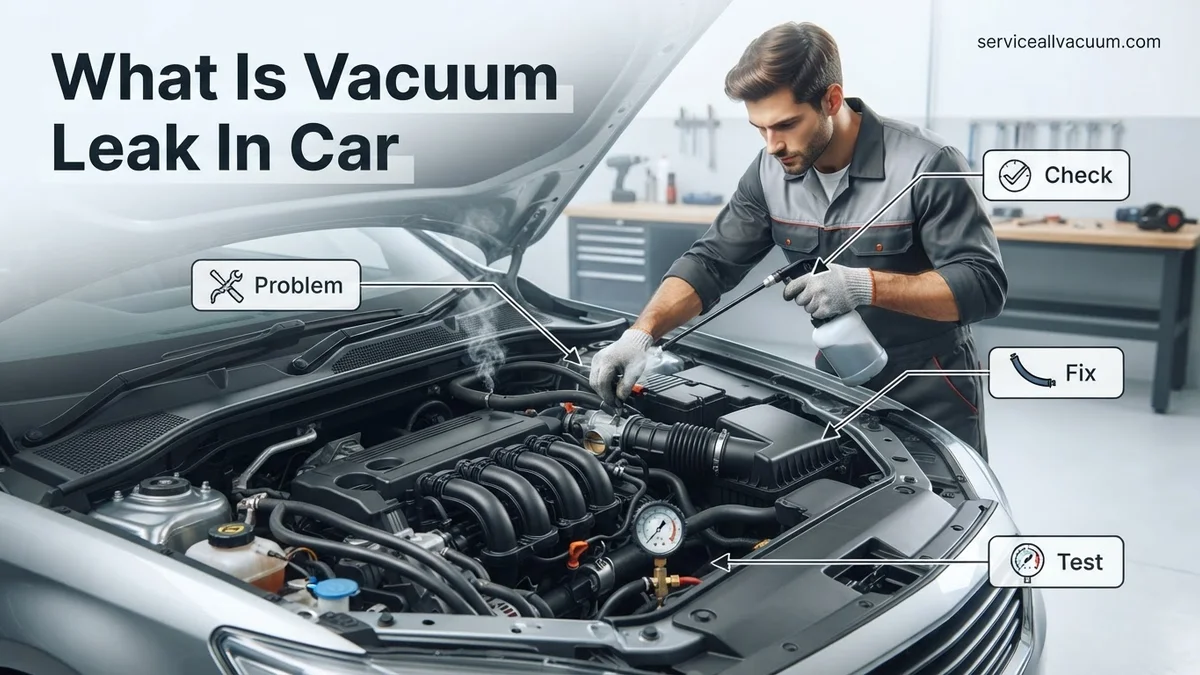
- Visual Inspection: Begin by carefully examining all accessible vacuum lines, hoses, and connections under the hood. Look for cracks, kinks, brittle areas, or disconnected hoses, especially around the intake manifold, PCV valve, and brake booster. Pay attention to hoses that connect to components like the EVAP system canister and cruise control module.
- Listen for Hissing Sounds: With the engine running, listen for a distinct hissing or whistling noise, which often indicates air being drawn into the system. Move a mechanic’s stethoscope or a length of hose near suspected areas to pinpoint the source more accurately.
- Perform a Spray Test (Caution Required): While the engine idles, carefully spray a small amount of unlit propane or carburetor cleaner near suspected leak points. If the engine RPM momentarily increases, it suggests the engine is burning the sprayed substance, indicating a vacuum leak in that area. Always ensure proper ventilation and have a fire extinguisher nearby when using flammable aerosols.
- Check Gasket Integrity: Inspect gaskets around the intake manifold and throttle body for signs of deterioration or improper seating. These are common points for vacuum leaks, particularly in vehicles over 7-10 years old, where gasket materials can harden and shrink.
What If Your Vacuum Leak Persists: Expert Troubleshooting
If initial diagnostic steps don’t reveal the leak, or if the symptoms remain, more advanced troubleshooting is necessary. This often involves specialized tools and a deeper understanding of vehicle vacuum systems. Data from the Automotive Service Association (ASA) in 2025 indicated that complex vacuum leaks often involve obscure components or micro-fissures difficult to detect visually.
Advanced Diagnostic Techniques
- Smoke Machine Test: A professional-grade smoke machine is the most effective tool for locating elusive vacuum leaks. This device injects non-toxic smoke into the vacuum system. The smoke will exit through any leak point, making it easily visible. By 2027, compact, affordable DIY-level smoke machines are widely available for enthusiasts.
- Live Data Analysis via OBD-II: Utilize an advanced OBD-II scanner capable of displaying live engine data. Monitor parameters such as Short Term Fuel Trim (STFT) and Long Term Fuel Trim (LTFT). Consistently high positive fuel trim values (+10% or more) at idle, which decrease at higher RPMs, strongly suggest an unmetered air intake, typical of a vacuum leak.
- Pressure Testing the EVAP System: In some cases, a leak might originate from the Evaporative Emission Control (EVAP) system, which manages fuel vapor. Specialized pressure testers can apply a small amount of pressure to the EVAP system to detect leaks in its lines or components like the purge valve or vent valve.
System-Specific Checks
Focus on vacuum-dependent systems. Carefully inspect the brake booster and its check valve, which can fail and cause significant vacuum loss. Examine all vacuum reservoirs and their connecting lines. Modern vehicles may have multiple vacuum solenoids controlling various functions; testing these for proper operation can identify a malfunctioning component that contributes to a leak.
What If It Still Doesn’t Work?
If, after employing these detailed steps, your vehicle’s vacuum leak symptoms persist, it’s time to consider professional intervention. Attempting to diagnose and repair complex or hidden leaks without proper training can lead to further damage or misdiagnosis, ultimately increasing overall repair costs.
- Consult Vehicle-Specific Forums and Technical Service Bulletins (TSBs): Before visiting a mechanic, check online forums specific to your vehicle model and year (e.g., 2020-2027 models). Also, review manufacturer TSBs, which often detail known issues and repair procedures for common vacuum leaks specific to certain vehicle designs.
- Professional Diagnostic Service: Schedule an appointment with a certified automotive technician. They possess specialized diagnostic equipment, such as dealer-level scan tools and industrial-grade smoke machines, capable of identifying even the smallest or most obscure leaks.
- Expected Costs: A professional vacuum leak diagnosis typically ranges from $120 to $250, covering 1-2 hours of specialized labor. The cost of repair itself varies widely, from $50 for a simple hose replacement to $800+ for complex repairs involving intake manifold gasket replacement or multiple component failures, depending on the specific part and labor required in the 2027 market.
Conclusion
Understanding and promptly addressing a car vacuum leak is essential for maintaining your vehicle’s optimal performance, fuel efficiency, and emissions compliance. Ignoring these leaks can lead to a cascade of costly problems. According to verified research and expert sources, proactive diagnosis and repair prevent more severe engine damage and ensure your vehicle operates reliably. Take action immediately if you suspect a vacuum leak to preserve your car’s longevity and performance.
❓ Frequently Asked Questions
What exactly is an automotive vacuum system and how does a leak compromise it?
An automotive vacuum system relies on the engine’s suction (vacuum) to operate various components like power brakes, HVAC controls, and emission systems. A leak introduces unmetered air into this system, reducing the crucial negative pressure and compromising the functionality of these vacuum-dependent components.
How does a vacuum leak affect engine performance and fuel efficiency?
A vacuum leak introduces ‘unmetered’ air into the engine, leaning out the air-fuel mixture beyond what the engine control unit (ECU) can compensate for. This leads to symptoms such as rough idle, hesitation during acceleration, reduced power, and a noticeable decrease in fuel efficiency as the engine struggles to maintain proper combustion.
What are the most common visible and audible symptoms of a car vacuum leak?
Common symptoms include a noticeably rough or high engine idle, stumbling or hesitation during acceleration, and a distinct hissing or whistling sound emanating from the engine bay. Other signs might include a ‘Check Engine Light’ illuminated on your dashboard and poor overall engine responsiveness.
Can a vacuum leak cause issues with other car systems, like brakes or HVAC?
Absolutely. A significant vacuum leak can severely impact your power brakes by reducing the assist provided by the brake booster, making the pedal feel hard. It can also disrupt the operation of vacuum-actuated HVAC (heating, ventilation, and air conditioning) blend doors, leading to improper airflow or temperature control.
What are the typical components that fail and cause vacuum leaks?
Common culprits for vacuum leaks include old, brittle, or cracked vacuum hoses that connect various engine components. Other frequent points of failure are the intake manifold gasket, PCV (Positive Crankcase Ventilation) valve, brake booster diaphragm, and vacuum reservoirs, which can degrade over time and lose their seal.
How critical is it to fix a vacuum leak, and what are the potential long-term consequences if ignored?
It’s highly critical to address a vacuum leak promptly. Ignoring it can lead to long-term engine damage due to consistently running too lean, increased emissions failing inspections, and significantly reduced fuel economy. Untreated leaks can also cause catalytic converter damage or other costly repairs over time due to improper combustion.