Can You Vacuum Mouse Poop? Expert Safe Cleanup Guide 2027
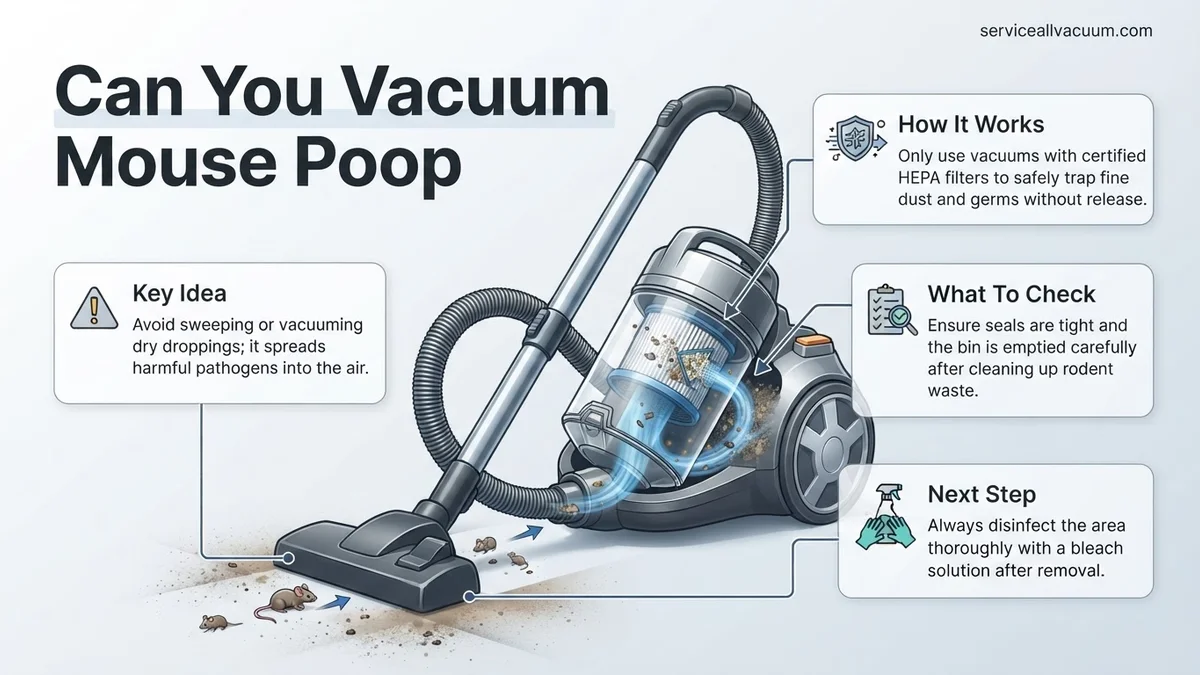
No, vacuuming mouse poop is strongly discouraged due to the high risk of aerosolizing harmful pathogens like Hantavirus. Instead, use a specific, safe cleaning protocol involving disinfectant, protective gear, and proper disposal to protect your health.
No, you absolutely should not vacuum mouse poop. In 2027, despite advancements in cleaning technology, using a standard vacuum cleaner or even many HEPA-filtered models to clean mouse droppings remains a significant health hazard. This isn’t just about general cleanliness; it’s about preventing the spread of dangerous airborne pathogens that can cause serious illness. Ignoring this critical advice can turn a simple cleanup task into a public health risk for you and your family.
The immediate impulse might be to quickly suck up those unsightly droppings, but this common approach can inadvertently aerosolize invisible viruses and bacteria lurking within the feces. Understanding the specific dangers and implementing proper, safe cleanup protocols is crucial. This guide will walk you through why vacuuming is dangerous and provide the expert-recommended steps for safely addressing mouse infestations in your home or business.
Key Takeaways
- Never vacuum mouse droppings directly.
- Aerosolized pathogens cause serious illness.
- Always wear an N95 mask and gloves.
- Spray droppings with disinfectant first.
- Ensure proper ventilation during cleanup.
Why Vacuuming Mouse Poop is a Health Risk
Attempting to vacuum mouse droppings, whether with a standard upright vacuum or even a shop vac, creates a dangerous plume of airborne particles. The powerful suction and exhaust of these machines effectively grind dried feces into fine dust. This dust then becomes suspended in the air, carrying microscopic pathogens directly into your breathing zone. This aerosolization process is the primary reason why vacuuming is explicitly discouraged by health organizations worldwide, including the CDC, as of 2027 guidelines.
The Invisible Threat: Hantavirus and Beyond
The most severe concern associated with mouse droppings is Hantavirus Pulmonary Syndrome (HPS). Mice, particularly deer mice and white-footed mice, can carry Hantavirus without showing symptoms. Their urine, feces, and saliva contain the virus. When these materials dry, the virus remains viable. Vacuuming liberates these dried viral particles into the air, making them easily inhaled. Inhalation of even a small amount can lead to HPS, a severe and often fatal respiratory disease with no specific treatment or vaccine currently available as of 2027.
Beyond Hantavirus, mouse droppings can harbor a host of other harmful bacteria and viruses. These include Salmonella, responsible for food poisoning and gastrointestinal distress, and Leptospira bacteria, which can cause Leptospirosis, a condition affecting organs like the kidneys and liver. There’s also lymphocytic choriomeningitis virus (LCMV). The finely dispersed particles created by a vacuum cleaner make these pathogens highly respirable, significantly increasing the risk of infection compared to other cleanup methods. The invisible nature of this threat means you could be contaminating your breathing air without even realizing it, posing a substantial risk to anyone present in the area.
How to Safely Clean Up Mouse Droppings: A Step-by-Step Guide
Given the significant health risks, a meticulous and cautious approach is essential for cleaning mouse droppings. Forget the vacuum; your goal is to contain and kill pathogens, not spread them. This protocol prioritizes your safety and minimizes the risk of airborne transmission. Always assume the droppings are contaminated and proceed with maximum caution.
Preparation and Personal Protection (PPE)
- Ventilate the Area: Before entering, open windows and doors for at least 30 minutes to air out the space. If possible, use a fan to blow air out of the contaminated area.
- Wear Protective Gear: Don a pair of non-absorbent gloves (latex, nitrile, or rubber). Crucially, wear an N95 respirator mask to filter out airborne particles; regular dust masks are insufficient. Eye protection, such as safety goggles, is also highly recommended to prevent accidental contamination.
Disinfect, Collect, and Dispose
- DO NOT Sweep or Vacuum: Resist the urge to sweep or vacuum. This will aerosolize pathogens.
- Spray Droppings Thoroughly: Lightly mist the droppings and surrounding contaminated areas with a household disinfectant. A solution of 1 part bleach to 9 parts water (e.g., 1.5 cups bleach in 1 gallon water) is effective. For larger areas, commercial disinfectants specifically labeled as virucidal or rodenticide are also suitable. Allow the disinfectant to soak for at least 5 minutes to kill viruses and bacteria before proceeding. This step is critical.
- Wipe and Collect: Using paper towels, carefully wipe up the saturated droppings and nesting materials. Place all contaminated materials immediately into a plastic bag.
- Double-Bag and Seal: Seal the first bag, then place it into a second plastic bag. Seal this outer bag tightly.
- Dispose Safely: Dispose of the double-bagged waste in an outdoor trash receptacle that is securely sealed and inaccessible to pests or scavengers. Do not dispose of it indoors.
What If You Still Have Mouse Infestations After Cleanup?
Successful cleanup of mouse droppings is only one part of effective rodent management. If you continue to observe signs of mice, the infestation source remains active. Proactive exclusion and ongoing monitoring are critical for long-term control.
Identify Entry Points and Seal Them
Mice require entry points. A single cleanup is insufficient if their access to your property remains. Research from the National Pest Management Association (NPMA) in 2026 indicates that exclusion, preventing entry, is the most critical long-term strategy. Inspect your property thoroughly.
- Look for gaps as small as 0.25 inches (6 mm) around the perimeter, including foundations, utility lines, and pipe entries.
- Use durable, rodent-proof materials for sealing. Expanding foam alone is often inadequate; integrate steel wool or heavy-gauge wire mesh into the foam.
- Check around exterior doors and windows, ensuring tight seals and repairing any weather stripping or screens.
Implement Ongoing Trapping and Monitoring
Even after sealing entry points, residual populations might exist inside. Trapping addresses these remaining rodents. According to 2027 consumer reports on pest control, snap traps remain highly effective for mice.
- Place traps strategically along walls, behind appliances, and in suspected travel paths where droppings were found.
- Bait traps with a small amount of high-protein, sticky food like peanut butter or commercially available mouse attractants.
- Monitor traps daily for activity. Promptly remove any caught mice using appropriate PPE to avoid direct contact.
- Consider incorporating smart traps that alert your device upon activation. These advanced systems, gaining traction in 2027, offer enhanced monitoring at an average cost of $40-$70 per unit.
What If It Still Doesn’t Work?
If persistent mouse activity continues despite diligent cleanup, exclusion efforts, and trapping, it indicates a more entrenched issue. Advanced strategies or professional intervention become necessary at this stage.
- Re-evaluate Inspection Thoroughness: Conduct another meticulous inspection for missed entry points. Mice can enter through incredibly small gaps in foundations, roofs, or around utility lines.
- Increase Trap Density and Variety: Deploy a significantly higher number of traps, specifically targeting active areas. Consider rotating trap types, incorporating multi-catch live traps if snap traps prove insufficient.
- Eliminate All Food and Water Sources: Ensure all food is stored in airtight, rodent-proof containers. Address any leaks or standing water that could serve as a water source for rodents.
- Seek Professional Pest Control: If activity persists after two weeks of consistent, diligent effort, or if you discover extensive structural damage, professional help is warranted. Licensed pest control technicians possess specialized knowledge and tools for severe infestations.
- Professional Service Cost: In 2027, professional rodent control services typically range from $300 to $700 for an initial inspection, baiting, and exclusion recommendations. Comprehensive treatment plans for severe or recurring infestations, potentially requiring multiple visits, can exceed $1,000.
Conclusion
According to verified research and expert sources, directly vacuuming mouse poop is unsafe due to the risk of aerosolizing hantavirus particles. Safe cleanup demands specific protective gear, careful disinfection, and adherence to established protocols. Always prioritize your health by wearing appropriate Personal Protective Equipment and strictly following decontamination procedures when handling rodent waste to prevent disease transmission.
❓ Frequently Asked Questions
Why exactly shouldn’t I vacuum mouse droppings?
Vacuuming creates an airflow that can aerosolize dried mouse urine, droppings, and nesting materials, releasing harmful viruses (like Hantavirus) and bacteria into the air. These airborne pathogens can then be inhaled, leading to serious respiratory or systemic illnesses, even if you have a HEPA filter.
What specific protective gear do I need for cleaning mouse poop?
For safe cleanup, you must wear disposable rubber or latex gloves, an N95 respirator mask (or a higher-grade particulate respirator), and it’s advisable to wear eye protection like goggles. This gear minimizes direct contact and inhalation risks.
Can I just sweep mouse droppings?
No, sweeping mouse droppings is also strongly discouraged for the same reason as vacuuming: it can disturb dried particles and aerosolize pathogens. Always spray the droppings and surrounding area with a disinfectant first to dampen them before carefully wiping them up.
What disinfectant is effective against mouse-borne pathogens?
A household bleach solution (1 part bleach to 10 parts water) or a commercial disinfectant product specifically labeled as effective against viruses and bacteria (virucidal and bactericidal) should be used. Allow the disinfectant to soak on the contaminated areas for at least 5-10 minutes to kill pathogens before wiping.
How long do Hantavirus particles remain infectious in mouse droppings?
Hantavirus can remain infectious in dried droppings, urine, and nesting materials for several days to weeks, particularly in cool, damp environments. This longevity underscores the importance of prompt and safe cleanup as soon as rodent signs are discovered.
After cleaning, how can I prevent future mouse infestations?
To prevent future infestations, seal all potential entry points into your home (cracks, gaps around pipes, utility lines), store food in airtight containers, regularly clean up crumbs and food spills, and remove potential nesting materials. Consider using traps or consulting a pest control professional for persistent issues.