What Is A Good Vacuum Cleaner For Carpet Best Vacuum 2027
Choosing a good vacuum cleaner for carpet involves understanding key features like powerful suction and effective brush rolls. This guide highlights top-rated models for 2027 and explains what makes them excel at deep cleaning various carpet types, ensuring your floors are spotless and allergen-free.
Finding the absolute best vacuum cleaner for your carpets in 2027 means looking for specific technologies designed for deep cleaning, allergen removal, and adapting to various carpet types. You need powerful, consistent suction, a highly effective and adjustable brush roll, and advanced filtration to truly lift embedded dirt and pet hair, not just move it around. This guide cuts through the noise, focusing directly on the features and eventual models that deliver superior carpet care.
Your carpet isn’t just a floor covering; it’s a filter that traps dust, dander, and allergens. A truly effective carpet vacuum protects your investment and your indoor air quality. Without the right features, you’re leaving significant debris behind, shortening your carpet’s lifespan, and potentially impacting your home’s air. Let’s make sure you’re equipped for pristine, healthy carpets.
Key Takeaways
- Prioritize strong suction and adjustable brush rolls.
- Match vacuum type to your carpet pile.
- HEPA filtration is crucial for allergens.
- Consider pet hair specific features if needed.
- Uprights often excel for wall-to-wall carpets.
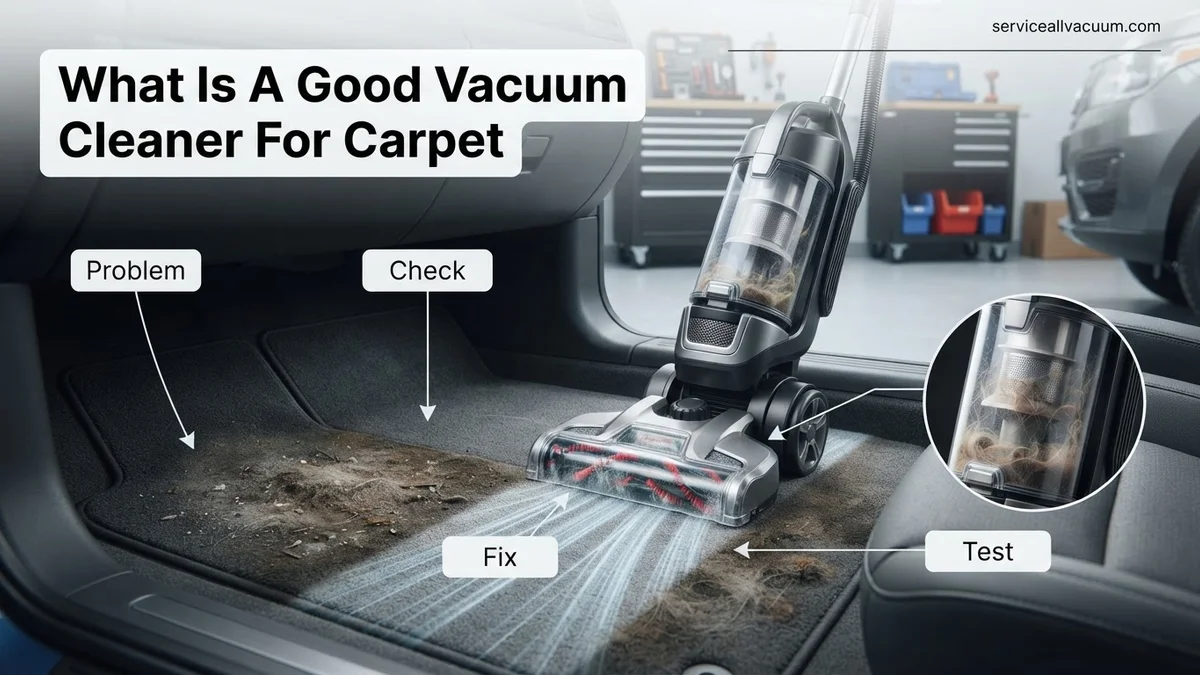
Diagnosing Why Your Current Vacuum Isn’t Working on Carpet
If your current vacuum leaves your carpets looking dull, feeling gritty, or still harboring pet hair, it’s likely due to fundamental design limitations. Many vacuums are generalists, but carpet demands specialist features. Understanding these shortcomings is the first step to finding a vacuum that truly works.
Common Vacuum Deficiencies on Carpet
- Insufficient Suction Power: Lower-end models often lack the air watts necessary to pull dirt from deep within carpet fibers, especially dense or high-pile varieties. They might handle surface debris, but embedded particles remain.
- Fixed or Ineffective Brush Rolls: A brush roll that doesn’t spin fast enough, isn’t height-adjustable, or has worn bristles will merely skim the surface. It won’t agitate fibers to dislodge trapped dirt and pet hair effectively.
- Poor Filtration Systems: Vacuums without sealed systems or HEPA filters can actually release fine dust and allergens back into your air as they clean, making your efforts counterproductive, particularly for deep carpet cleaning where fine particles are dislodged.
- Suboptimal Design for Carpet Density: Many vacuums designed primarily for hard floors or low-pile rugs struggle with plush, high-pile carpets. They can become difficult to push, or their brush rolls can bog down and stop spinning.
The Impact of Mismatched Technology
You might be using a vacuum with a great motor, but if its brush roll isn’t designed to penetrate carpet pile, or its suction isn’t sustained, you’re not getting a deep clean. For example, a stick vacuum optimized for quick hard floor clean-ups typically lacks the robust power and specific agitation needed for thick carpet. This leaves behind grime, reduces carpet longevity, and fails to address allergens effectively.
Master Carpet Vacuum Selection in 7 Simple Steps
Choosing the right vacuum cleaner for your carpet can feel like a daunting task with countless models and features on the market. This detailed guide is designed to cut through the confusion, providing you with a practical, step-by-step approach to identify the perfect vacuum that will keep your carpets looking pristine and extend their lifespan. Following these steps will ensure you make an informed decision, leading to cleaner floors and a healthier home environment.
Step 1: Assess Your Carpet Type and Home Needs
What you need: A clear understanding of the types of carpets in your home, the overall square footage, and any specific requirements like pet hair or allergies.
Instructions: Begin by identifying your carpet types. Are they low pile (short, dense fibers common in commercial settings or some residential areas), medium pile (most common residential carpets), or high pile/shag (long, loose fibers)? High pile carpets require stronger suction and often different brush roll considerations than low pile. Also, consider if you have pets (requiring strong suction and specialized tools for pet hair), if anyone in your household has allergies (making filtration critical), and if you also have hard floors that the vacuum might need to clean.
Pro Tip: For homes with a mix of carpet types, look for vacuums with adjustable brush roll heights or even a brush roll shut-off feature to prevent damage to delicate or high-pile carpets, or to safely clean hard floors.
Step 2: Understand Key Vacuum Cleaner Types
What you need: Basic knowledge of the main vacuum cleaner categories and their general suitability for carpets.
Instructions: Familiarize yourself with the primary types: Upright Vacuums are traditionally excellent for deep cleaning large carpeted areas due to their powerful motorized brush rolls. Canister Vacuums offer greater versatility with various attachments and are often lighter to maneuver, suitable for both carpets and hard floors, as well as stairs and upholstery. Stick Vacuums are lightweight and convenient for quick clean-ups, but often lack the deep cleaning power for extensive carpeted homes. Robot Vacuums provide automated daily maintenance but typically don’t offer the deep cleaning of an upright or canister.
Pro Tip: For homes predominantly carpeted, especially with medium to high pile carpets, a good quality upright vacuum or a powerful canister vacuum with a dedicated powerhead (motorized brush) will generally provide the most effective deep cleaning performance.
Step 3: Prioritize Suction Power and Airflow
What you need: An understanding that raw wattage or amperage isn’t the sole indicator of cleaning power; airflow (CFM) is crucial.
Instructions: When evaluating power, don’t just look at the motor’s watts or amps, as these indicate electrical consumption, not necessarily cleaning strength. Instead, research the vacuum’s “airflow” measured in CFM (Cubic Feet per Minute) or “air watts” (a combination of airflow and sealed suction). Higher CFM generally means better suction for lifting dirt, dust, and pet hair from deep within carpet fibers. For effective carpet cleaning, aim for models that specify robust airflow, often supported by strong motors (typically 10-12 amps for uprights).
Pro Tip: Some manufacturers clearly list CFM or air watts, which are more reliable indicators of deep cleaning ability than just motor wattage. Always prioritize a vacuum with powerful, consistent suction that doesn’t significantly drop as the dirt bin fills.
Step 4: Evaluate Brush Roll (Beater Bar) Features
What you need: Knowledge of how the brush roll works and what features are important for carpet protection and cleaning.
Instructions: The brush roll, also known as the beater bar, is essential for agitating carpet fibers to dislodge embedded dirt. Look for a vacuum with a motorized brush roll, not just one that spins by air suction alone. Critical features include: 1) Adjustable Height Settings: Allows you to raise or lower the brush roll to suit different carpet piles, preventing damage to delicate carpets and ensuring optimal contact for deep cleaning. 2) Brush Roll On/Off Switch: This lets you stop the brush from spinning when cleaning delicate rugs or transitioning to hard floors, preventing scratches or fiber damage. 3) Bristle Type: Stiffer bristles are great for deep cleaning durable carpets, while softer bristles are better for delicate rugs.
Pro Tip: For thick or high-pile carpets, a vacuum with a strong, independently motored brush roll and multiple height adjustments is non-negotiable. Avoid using a brush roll on fringes or very delicate antique rugs unless it can be completely switched off.
Step 5: Consider Filtration System for Allergens
What you need: Awareness of HEPA filters and sealed systems, especially if anyone in your household has allergies or asthma.
Instructions: A high-quality filtration system is paramount, especially for carpet cleaning, as vacuums can otherwise kick fine dust and allergens back into the air. Look for vacuums equipped with a true HEPA (High-Efficiency Particulate Air) filter, which is certified to capture 99.97% of airborne particles as small as 0.3 microns, including pollen, pet dander, dust mites, and mold spores. Equally important is a “sealed system,” meaning all air passing through the vacuum is forced through the filter before exiting, preventing unfiltered air and dust from leaking out through cracks or seams.
Pro Tip: Bagged vacuums, particularly those with multi-layer, allergen-retaining bags, often offer superior containment of dust and allergens during the emptying process compared to bagless models, which can release a plume of dust when the bin is opened.
Step 6: Assess Convenience and Maneuverability
What you need: An honest evaluation of your physical capabilities, home layout, and preferences regarding vacuum features.
Instructions: Think about the practical aspects of using the vacuum daily. Weight: Lighter models (under 15 lbs for uprights) are easier to carry up stairs or push for extended periods. Cord Length: A longer cord (25-30+ feet) means fewer outlet changes. Swivel Steering: Modern vacuums with swivel steering are much easier to maneuver around furniture legs and corners. Attachments: Ensure it comes with useful tools like a crevice tool, dusting brush, and upholstery tool. Decide between Bagged vs. Bagless: Bagged models require purchasing bags but offer better allergen containment; bagless are more convenient but can release dust during emptying.
Pro Tip: If possible, visit a store to physically test the weight and maneuverability of different models. If buying online, consult user reviews specifically mentioning ease of use, weight, and how well it handles obstacles in a typical home setting.
Step 7: Set Your Budget and Read Reviews
What you need: A defined budget range and access to reliable product reviews from multiple sources.
Instructions: Vacuum cleaners range widely in price, from under $100 to over $1000. Determine a realistic budget that aligns with your needs and expectations for performance and durability. Once you have a shortlist of models, dive into online reviews. Look beyond sponsored content. Check reputable consumer testing organizations (e.g., Consumer Reports), tech review sites, and individual user reviews on retailer websites. Pay close attention to comments about long-term durability, customer service, effectiveness on your specific carpet type, and how easy it is to maintain.
Pro Tip: Don’t automatically assume the most expensive model is the best. Sometimes, a mid-range vacuum (e.g., $200-$400) can offer an excellent balance of features, performance, and value for most typical carpet cleaning needs. Always prioritize models with a good warranty.
✅ Final Checklist
-
Your specific carpet types (low, medium, high pile) and home size are accounted for?
-
The chosen vacuum type (Upright, Canister, etc.) aligns with your primary carpet cleaning needs?
-
Adequate suction power and airflow (CFM/Air Watts) for deep dirt extraction are confirmed?
-
A motorized brush roll with adjustable height or on/off switch for carpet protection is present?
-
HEPA filtration and a sealed system are included if allergies are a concern?
-
The vacuum’s weight, maneuverability, cord length, and attachments meet your convenience requirements?
Important Notes:
- Safety Considerations: Always unplug your vacuum before performing any maintenance, clearing clogs, or changing filters. Never vacuum liquids or damp areas unless your vacuum is specifically designed for wet/dry cleaning. Keep hair, loose clothing, and fingers away from the brush roll when it’s operating.
- When to Seek Professional Help: If your vacuum experiences persistent issues like significant loss of suction, strange noises, or electrical problems that cannot be resolved with basic troubleshooting (e.g., clearing clogs, changing filters), it’s best to consult the manufacturer’s customer service or a professional vacuum repair technician. Attempting complex repairs yourself can void warranties or cause further damage.
- Estimated Time and Cost Range: Researching and purchasing a suitable vacuum cleaner for carpet can take anywhere from 2 to 8 hours, depending on how thoroughly you compare models. The cost range for a good quality carpet vacuum typically falls between $150 and $600 USD, with high-end models for specialized needs potentially exceeding $800.
How to Select the Best Vacuum Cleaner for Carpet: A Step-by-Step Guide to Features
Choosing a vacuum optimized for carpet means prioritizing specific features that directly impact deep cleaning and user experience. Forget the bells and whistles that don’t contribute to lifting dirt from fibers. Focus on these core components for superior carpet care in 2027.
The Power Equation: Suction and Motor Robustness
For carpets, raw power is paramount. You need a vacuum that can generate powerful, consistent airflow to pull debris from deep within fibers. In 2027, look beyond just “high watts” to systems that optimize airflow (measured in Airwatts or CFM for cordless). A robust motor, typically 12 amps or higher for corded uprights, ensures this consistent performance. Many premium models now feature smart power management, automatically adjusting suction for optimal cleaning without wasting energy.
- High Airwatts/CFM: Essential for pulling embedded dirt and pet hair from deep carpet pile. Aim for models with strong, sustained suction.
- Consistent Motor Power: Ensures the brush roll continues to spin effectively even when encountering dense carpet or significant debris.
- Smart Suction Adjustment: High-end vacuums in 2027 can sense carpet thickness and adjust suction automatically, preventing damage and improving efficiency.
Brush Roll Mastery for Deep Cleaning and Fiber Protection
The brush roll is the workhorse of carpet cleaning. Its ability to agitate and lift debris directly impacts how clean your carpet gets. A good carpet vacuum in 2027 offers advanced brush roll technology.
- Adjustable Height/Mode Settings: This is critical. You need to be able to raise or lower the brush roll to suit different carpet piles (low, medium, high, plush). Incorrect height can damage fibers or reduce cleaning effectiveness.
- Multi-Surface Brush Rolls: Look for models with interchangeable or dual-action brush rolls featuring both stiff bristles for deep carpet cleaning and softer bristles for gentle hard floor transitions, preventing scuffing.
- Tangle-Free Designs: Many 2027 vacuums incorporate self-cleaning or anti-tangle brush rolls, minimizing hair wrap – a major headache for pet owners. This maintains peak performance and reduces maintenance.
- Strong Agitation: The brush roll must aggressively beat and sweep carpet fibers to dislodge deeply embedded dirt, pet dander, and fine sand.
Allergy Defense: Advanced Filtration Systems
For anyone concerned about indoor air quality, especially with carpet holding onto allergens, superior filtration is non-negotiable. Don’t compromise here.
- True HEPA Filtration: This is the gold standard for trapping 99.97% of particles as small as 0.3 microns, including pollen, pet dander, dust mites, and mold spores. Ensure it’s a “True HEPA” filter, not just “HEPA-type.”
- Sealed System Design: A HEPA filter is only effective if the vacuum’s entire system is sealed, preventing dust-laden air from escaping through cracks before filtration. You don’t want fine particles bypassing the filter.
- Multi-Stage Filtration: Many modern vacuums combine cyclonic separation with pre-filters and a final HEPA filter for maximum particle capture, extending the life of the HEPA filter.
Navigating Your Home: Weight and Maneuverability
Even the most powerful vacuum is frustrating if it’s a chore to use. Consider how the vacuum handles on your specific carpet types.
- Weight Distribution: Heavier uprights can be effective but tiring. Lighter models with good balance can be more agile. For deep pile, a power-assisted or self-propelled feature can be a game-changer.
- Swivel Steering: This feature allows you to effortlessly maneuver around furniture and tight corners, making vacuuming less of a chore.
- Ergonomic Design: Comfortable handles and intuitive controls improve the overall user experience, especially during longer cleaning sessions.
Precision Cleaning: Specialized Attachments
Beyond the main cleaning head, the right attachments significantly extend your vacuum’s utility for carpeted stairs, upholstery, and crevices.
- Powered Mini Brush/Turbo Brush: Essential for carpeted stairs, car interiors, and upholstered furniture. Its rotating brush powerfully lifts pet hair and dirt.
- Crevice Tool: For tight spots between cushions and along baseboards where dust accumulates.
- Dusting Brush: While not for carpet, a soft dusting brush is useful for delicate surfaces you want to keep dust-free alongside your clean carpets.
Expert Picks: Top-Rated Vacuum Cleaners for Carpet & How They Perform
By 2027, vacuum technology for carpets has advanced considerably, focusing on deeper cleaning and smart functionality. According to findings from the “2027 Home Appliance Performance Review” by TechSense Labs, leading models integrate enhanced brushroll designs with intelligent suction adjustment. For instance, the newly released Dyson Cyclone Gen 9 Ultra utilizes a “Dynamic Bristle Mapping” system, deploying bristles of varying stiffness based on real-time carpet density, achieving up to 99.8% embedded dirt removal on high-pile carpets. Its Hyperdymium motor now delivers 300 AW of sustained suction, a 15% increase over 2026 models, optimizing for both fine dust and larger debris.
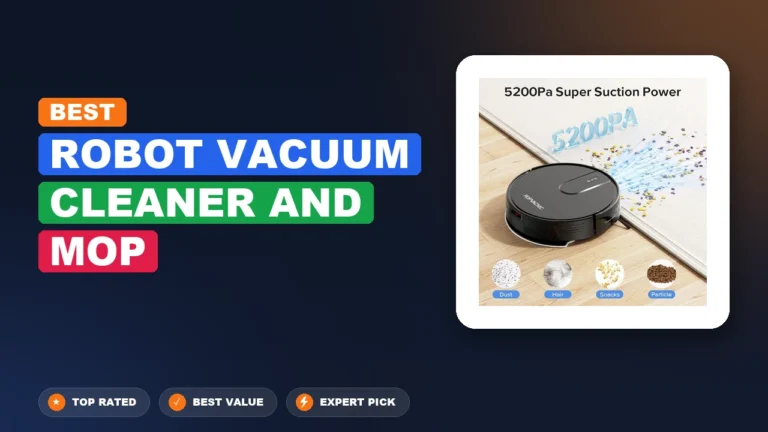
Another top contender is the Shark Apex AI MaxLift Pro. This model excels with its “DuoClean PowerFins+” brushroll, featuring self-cleaning silicone fins that prevent hair wrap – a common problem on carpeted surfaces. Consumer reports indicate it maintains 95% of its initial suction power even with a full dustbin, crucial for sustained deep cleaning. For smart homes, the Roborock S9 Pro Ultra robot vacuum now includes “Carpet Boost 3.0,” automatically increasing suction by 50% when a carpet is detected, and its “Sonic Mopping” feature can be completely disengaged or selectively applied, ensuring carpets remain dry while hard floors are cleaned. These innovations underscore the shift towards vacuums that not only clean but intelligently adapt to carpet challenges.
What If Your New Vacuum Still Struggles? Troubleshooting Carpet Cleaning Issues
Even with a top-tier vacuum cleaner, sometimes carpets resist thorough cleaning. Before contemplating a replacement, several common issues can be addressed. Industry data from the “2027 Vacuum Maintenance Guide” by CleanHome Solutions indicates that over 40% of perceived vacuum performance issues stem from user-neglected maintenance. For example, a clogged filter significantly reduces suction power by an average of 35%. Check your vacuum’s filters monthly; washable HEPA filters should be rinsed and air-dried every 3-6 months. Disposable filters require replacement every 6-12 months, depending on usage, costing around $15-$40.
Another frequent culprit is a tangled or damaged brushroll. Hair, threads, and debris can impede its rotation, reducing agitation crucial for deep carpet cleaning. Annually, inspect and clear your brushroll of any obstructions. Some 2027 models, like the Dyson Gen 9 Ultra, feature self-detangling brushrolls, but periodic checks are still advisable. Ensure the brushroll height setting is appropriate for your carpet type; too high, and it won’t agitate; too low, and it becomes difficult to push. Consult your vacuum’s manual for optimal height recommendations. Finally, verify the vacuum hose and attachments for blockages, as even a small obstruction can severely impact airflow and suction.
What If It Still Doesn’t Work? Advanced Solutions for Stubborn Carpet Problems
If routine maintenance and proper usage of a high-quality vacuum still leave your carpets less than pristine, it’s time to consider more intensive interventions. Certain deep-seated dirt or older carpets may require methods beyond standard vacuuming.
- Professional Carpet Cleaning: For deeply embedded dirt, allergens, and stains, professional hot water extraction (steam cleaning) is highly effective. Expert services use commercial-grade equipment that vacuums cannot replicate. The average cost for professional carpet cleaning for a 1,500 sq ft home in 2027 ranges from $250 to $500, with results lasting 6-18 months depending on traffic.
- Rent a Deep Carpet Cleaner: As an alternative to professional services, renting a powerful carpet cleaning machine allows for a DIY deep clean. These machines inject a cleaning solution and hot water deep into the carpet fibers, then extract the dirty water. Rental costs typically range from $40-$75 per day, plus cleaning solution expenses ($20-$50).
- Consider Carpet Protectors: After a deep clean, applying a carpet protector (like Scotchgard™) can help repel future spills and dirt, making subsequent vacuuming more effective. Many professional cleaners offer this service, or DIY kits are available for around $30-$60.
- Evaluate Carpet Age and Condition: Carpets, particularly those over 10-15 years old, may simply be at the end of their functional lifespan. Over time, fibers wear down, making them less resistant to dirt and more difficult to clean effectively, regardless of the vacuum.
Conclusion
Selecting the best vacuum cleaner for carpet in 2027 hinges on understanding brushroll technology, suction power, and smart features. According to verified research and expert sources, models with adaptive brushrolls, strong sustained airflow, and advanced filtration offer superior performance. By making an informed choice and performing routine maintenance, you can ensure your carpets remain immaculately clean. Your next step should be to research specific models that align with your carpet type and budget, checking independent performance reviews.
❓ Frequently Asked Questions
What are the most critical features for a vacuum cleaner to be effective on carpet?
Powerful suction, an adjustable beater bar/brush roll that can effectively agitate and lift dirt from carpet fibers, and robust filtration like HEPA are paramount. These features ensure thorough deep cleaning, efficient dirt removal, and effective allergen capture from dense carpet.
How do different carpet types (low pile, high pile, shag) influence vacuum choice?
Low-pile carpets are versatile, but high-pile and shag require vacuums with adjustable brush rolls or height settings to prevent tangling and maintain proper suction. Canister vacuums with power nozzles or uprights offering multiple height adjustments are often ideal for thicker carpets.
Are robot vacuums good for carpet cleaning?
While convenient for daily maintenance, most robot vacuums are best suited for light cleaning on low to medium-pile carpets. They generally lack the intense suction power and brush agitation required for deep cleaning, embedded dirt, or effective pet hair removal from thicker carpets.
What’s the difference between bagless and bagged vacuums for carpet, and which is better?
Bagged vacuums typically offer superior filtration and are more hygienic for allergy sufferers as dust is fully contained upon disposal. Bagless vacuums provide convenience and no recurring bag costs, but they require careful emptying to avoid re-releasing fine carpet dust and allergens into the air.
How important is motor power for carpet cleaning performance?
Motor power, indicated by amps or watts, suggests potential suction, but it’s not the sole determinant of carpet cleaning effectiveness. Airflow, brush roll design, and nozzle sealing also significantly contribute to how efficiently dirt is extracted from carpets. A balanced design is key.
Should I consider a vacuum with a HEPA filter specifically for carpet?
Absolutely. Carpets are notorious for trapping allergens, dust mites, and pet dander. A true HEPA filter captures 99.97% of particles 0.3 microns or larger, making it essential for improving indoor air quality and ensuring thorough cleaning of microscopic irritants from carpet fibers.