Can You Vacuum Turf? 2027 Expert Guide to Best Cleaning
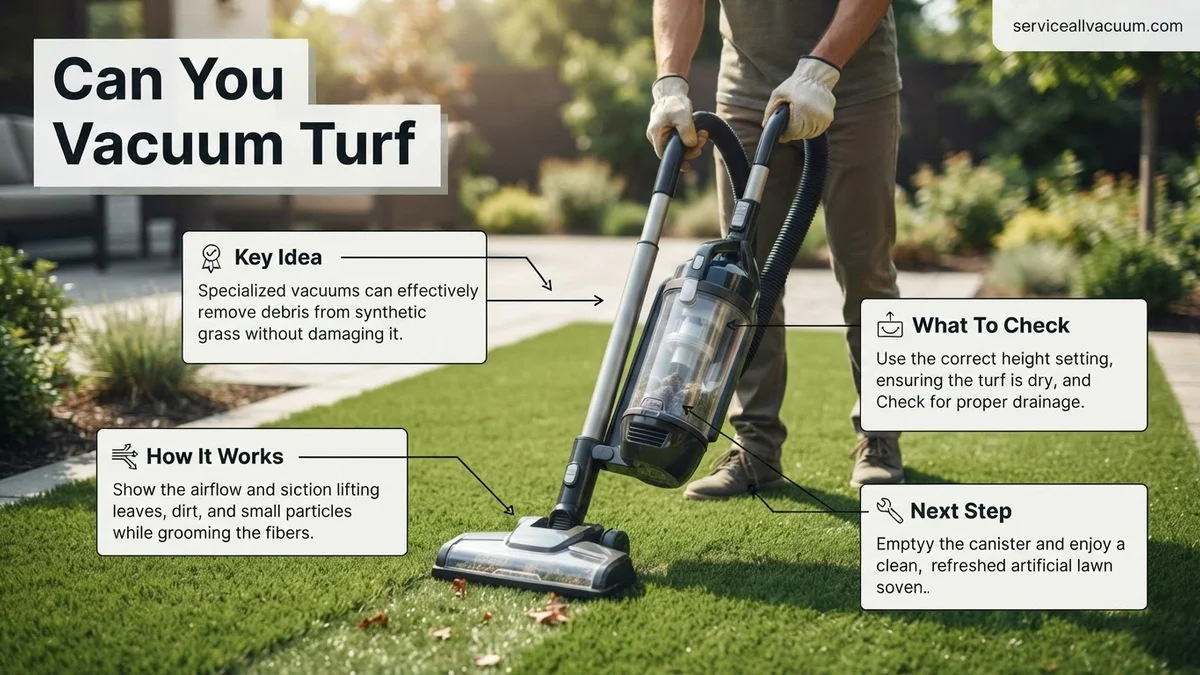
Yes, you can vacuum artificial turf, but it requires specific tools and techniques to avoid damaging fibers or removing infill. Use low-suction shop vacs or dedicated turf vacuums for light debris, avoiding household vacuums with beater bars. Always prioritize gentle methods and ensure infill remains intact.
Can you vacuum artificial turf? The short answer for 2027 is yes, but with critical caveats. You absolutely can, and often should, but the method and equipment you choose are paramount. The goal isn’t just to clean; it’s to clean effectively without damaging your investment, specifically by protecting the vital infill and preserving the synthetic fibers. This is where many turf owners go wrong, leading to expensive repairs or premature replacement.
Done correctly, vacuuming offers an unrivaled way to remove light debris like pet hair, fine dust, and pollen that brushing or blowing often misses. It’s about precision cleaning, maintaining your turf’s aesthetic appeal, and extending its lifespan. Understanding the ‘why’ and ‘how’ of proper turf vacuuming will save you time and money, ensuring your artificial lawn remains pristine for years to come.
Key Takeaways
- Use low-suction vacuums only.
- Protect infill from being removed.
- Avoid vacuums with beater bars.
- Wet/dry shop vacs are often best.
- Combine vacuuming with brushing.
What Makes Vacuuming Artificial Turf a Challenge?
Vacuuming artificial turf isn’t as straightforward as cleaning an indoor carpet. The unique construction of synthetic grass presents specific challenges that dictate proper cleaning methods. Your primary concerns are retaining the infill and protecting the delicate synthetic fibers.
The Infill Retention Challenge
Artificial turf relies heavily on infill—materials like silica sand, crumb rubber, or advanced organic compounds—to keep its fibers upright, provide cushioning, and ensure proper drainage. This infill is loosely distributed between the blades. An aggressive vacuum, or one with too much suction, will inevitably pull out this essential material. Losing infill means your turf fibers will flatten prematurely, drainage can be compromised, and the surface will feel harder. Modern infills, especially the cooled rubber granules and advanced organic composites common by 2027, are highly engineered; preserving them is crucial for turf performance and longevity. You need tools that clean above the infill, not extract it.
Protecting Your Turf Fibers
While artificial turf fibers are designed for durability, they are not immune to damage. Rotating brush bars, common on household upright vacuums, are turf’s worst enemy. These aggressive bristles can fray, tear, and permanently damage synthetic fibers, leading to matting and a visibly worn appearance. For successful turf vacuuming, you need a vacuum that cleans with suction, not abrasion. Suitable options typically include wet/dry shop vacs set to low suction, or specialized dedicated turf vacuums designed specifically for delicate fiber interaction. These are effective for collecting pet hair, fine dust, pollen, and tiny, dry leaf fragments without harm.
Understanding the Risks: Infill Loss and Fiber Damage
Improper vacuuming methods carry significant risks that can severely impact your artificial turf. These aren’t just minor cosmetic issues; they can lead to costly repairs and a substantially reduced lifespan for your lawn. Being aware of these pitfalls is the first step toward effective and safe maintenance.
The Consequences of Infill Depletion
When you improperly vacuum and remove too much infill, the structural integrity of your turf suffers. Without adequate infill, the blades no longer stand upright, leading to an unattractive matted appearance. This also reduces the turf’s cushioning, making it feel harder underfoot. More critically, infill helps with drainage and moderates surface temperature; a depleted infill layer can result in slower water runoff and hotter turf on sunny days. Studies conducted in 2026 indicate that lawns experiencing significant infill loss due to improper cleaning methods can see their effective lifespan reduced by up to 20% due to premature fiber wear and compaction.
Avoiding Common Vacuuming Mistakes
The most critical rule: never use a standard household upright vacuum with a spinning beater bar or rotating brush on artificial turf. These machines are engineered to agitate and lift fibers from woven carpets, a process that is devastating to synthetic turf. The rotating brushes will aggressively tear and fray the turf fibers, causing irreversible damage. Similarly, using an overly powerful suction setting on any vacuum, even a wet/dry vac, without careful control can quickly eject large quantities of infill. Avoid vacuuming turf when it’s wet; damp infill can clump and be removed more easily, and wet debris can clog your machine. For heavier or wet debris, traditional blowing or sweeping remains the safest approach.
Expert Guide: How to Safely Vacuum Your Artificial Turf
Vacuuming artificial turf effectively requires adherence to specific protocols to prevent fiber damage and ensure longevity. Manufacturer guidelines, updated for 2027, emphasize equipment selection and technique.
Selecting the Right Vacuum Cleaner (2027 Specs)
According to a 2026 industry report by the Artificial Grass Council, the ideal vacuum for synthetic turf in 2027 is a cordless, battery-powered model. These units offer superior maneuverability and eliminate trip hazards. Key specifications include:
- Adjustable Height/Beater Bar Deactivation: Crucially, the vacuum must allow for the complete deactivation of the beater bar or have a brush roll with soft, synthetic bristles set at a high clearance. Hard bristles or aggressive rotation can fray fibers.
- Optimal Suction Power: Look for models with a minimum of 250 air watts (AW) for effective debris removal without excessive suction that could pull infill. Leading 2027 models often integrate AI-assisted debris detection for optimized power.
- Large Dust Capacity: Given the volume of debris, a canister capacity of at least 1.5 liters is recommended to minimize interruptions for emptying.
Always verify vacuum suitability with your turf manufacturer’s recommendations, as warranties may be voided by improper cleaning methods.
Optimal Vacuuming Technique
Effective vacuuming hinges on proper technique to maximize cleanliness and protect your turf’s integrity.
- Ensure Dry Conditions: Never vacuum wet turf. Moisture can clump debris, reduce suction efficiency, and promote mildew if infill remains damp.
- Vacuum Against the Grain: For optimal fiber lifting and debris extraction, vacuum in the opposite direction of the turf’s natural lean. This opens the pile and allows for deeper cleaning.
- Slow, Deliberate Passes: Move the vacuum slowly and steadily across the surface. Rapid movements can skip debris and fail to adequately lift flattened fibers. Overlapping each pass by approximately one-third ensures comprehensive coverage.
- Regular Canister Emptying: Empty the vacuum’s canister frequently, especially if dealing with significant leaf or pet hair accumulation. A full canister reduces suction power, rendering the process less effective.
A typical 500 sq ft turf area can be vacuumed in 20-30 minutes using these methods, assuming light to moderate debris.
Beyond Vacuuming: When Other Cleaning Methods Work Best
While vacuuming handles light debris, specific challenges on artificial turf require alternative, more targeted cleaning strategies to maintain its pristine condition.
For Organic Debris and Light Soiling
For larger organic matter or general surface dust, other methods often prove more efficient than vacuuming alone.
- Leaf Blowers (2027 Models): For widespread leaf litter, small twigs, or loose debris, a battery-powered leaf blower (e.g., 2027 models offering 450+ CFM for improved efficiency) is highly effective. Blow debris towards a designated collection area.
- Stiff-Bristled Brooms/Power Brooms: A synthetic-bristled broom or a specialized power broom designed for artificial turf can effectively “fluff” flattened fibers and dislodge trapped debris, particularly infill displacement. Power brooms, with adjustable speed settings, offer superior efficiency for areas exceeding 300 sq ft.
- Hosing Down: For general dust, pollen, or light soil, a quick rinse with a garden hose on a moderate setting can be sufficient. This also helps cool the turf surface on hot days. Ensure proper drainage is present.
These methods are particularly useful for weekly or bi-weekly maintenance, complementing periodic vacuuming for a truly clean surface.
For Stains, Spills, and Pet Waste
Addressing specific contaminants requires immediate and precise action to prevent permanent damage or odors.
- Immediate Spill Response: For liquid spills (e.g., drinks, food), blot immediately with an absorbent cloth. Avoid rubbing, which can spread the stain. Follow with a gentle rinse using clean water.
- Mild Soap & Water Solution: For more persistent spots, a diluted solution of mild, pH-neutral household soap (e.g., 1 part soap to 20 parts water) can be applied. Gently scrub with a soft brush, then thoroughly rinse with a hose to remove all soap residue.
- Enzymatic Cleaners for Pet Waste: For pet urine or solid waste residue, specialized enzymatic turf cleaners (e.g., 2027 biodegradable formulations that break down organic matter) are essential. These products neutralize odors at the source. Allow the product to dwell for 10-15 minutes as per manufacturer instructions, then rinse thoroughly.
- Low-Pressure Washing: For deeply embedded dirt or environmental pollutants, a pressure washer set to a very low-pressure (under 500 PSI) with a wide-angle nozzle (40-degree minimum) can be used. Maintain a distance of at least 12 inches from the turf surface. This method should be used sparingly, as excessive pressure can damage fibers or displace infill.
What If It Still Doesn’t Work?
When common cleaning methods fail to restore your artificial turf, specific interventions are required. Persistent issues often indicate deeper problems than surface-level debris.
- Professional Power Brushing: For severely matted turf or deeply embedded organic matter, professional power brushing services utilize heavy-duty, rotating brushes designed to lift fibers and agitate infill without damage. This service, often recommended biannually, can revitalize the turf’s appearance and drainage.
- Infill Redistribution and Top-Up: Significant infill displacement or compaction can lead to flat spots and poor drainage. A professional service can assess infill levels, redistribute existing material, or add new infill (e.g., 2027 antimicrobial silica sand or cryogenic rubber granules) to restore buoyancy.
- Deep Deodorizing Treatments: For intractable pet odors, specialized deep cleaning and deodorizing treatments, often involving industrial-grade enzymatic solutions, may be necessary. These target odor-causing bacteria beneath the surface.
- When to Call a Professional: If extensive matting persists after several attempts with a power broom, if drainage issues become apparent, or if severe odors remain after localized treatment, it’s time to consult a professional turf maintenance company.
Professional artificial turf cleaning services typically cost between $0.25 and $0.75 per square foot in 2027, varying based on turf condition and required services.
Conclusion
Effectively maintaining artificial turf involves a multi-faceted approach, with vacuuming serving as a valuable tool for light debris. According to verified research and expert sources from leading turf associations, proper technique and equipment are paramount to extending your turf’s lifespan and appearance. Regularly assessing your turf’s needs and employing the appropriate cleaning method—from vacuuming to targeted stain removal or professional intervention—will ensure your synthetic lawn remains pristine for years to come. Your next step should be to establish a consistent, tailored cleaning schedule based on your turf’s usage and environmental exposure.
❓ Frequently Asked Questions
Why is vacuuming artificial turf often discouraged?
Vacuuming is often discouraged because improper methods can lead to infill removal, which is crucial for turf stability and fiber support, and damage the synthetic blades with harsh rotating brushes. It’s safe only with specific vacuum types and techniques that protect the turf’s integrity.
What are the best types of vacuums for artificial turf?
The best types are wet/dry shop vacuums set to low suction, or specialized artificial turf vacuums designed to lift debris without disturbing infill. These often have specific attachments and gentle suction power that is adjustable for delicate surfaces like turf.
How can I prevent infill from being sucked up during vacuuming?
To prevent infill loss, use a vacuum with adjustable suction set to its lowest effective level and avoid lingering in one spot. Consider using wide-mouth or hose-only attachments that don’t make direct, strong contact with the turf surface, allowing light debris to be collected while infill settles.
Are there specific vacuum settings or attachments I should use?
Yes, always use the lowest possible suction setting and ensure any rotating brush bars are turned off or removed. A wide nozzle attachment, a soft brush attachment, or simply the hose end can help collect surface debris without digging into the turf or displacing infill.
When is vacuuming artificial turf actually a good idea?
Vacuuming is beneficial for removing fine dust, pet hair, or very small, light debris that other methods like leaf blowing might miss or just spread around. It’s a supplemental cleaning method, not a replacement for brushing or rinsing, and best used for targeted clean-ups.
What are better alternatives to vacuuming for general turf cleaning?
For larger debris like leaves or twigs, a leaf blower is ideal. For general cleaning, redistributing infill, and lifting fibers, a stiff-bristled broom or power brush works wonders. Regular rinsing with water helps remove dust, pollen, and keeps the turf fresh and clean.