How to Tell if Vacuum Sealed Meat is Bad Your Expert 2027
Telling if vacuum-sealed meat is bad requires distinguishing harmless ‘sour’ smells from dangerous spoilage. Always discard meat with a persistent foul odor, slimy texture, or mold. A faint sour smell that dissipates quickly upon opening is often normal for vacuum-sealed products, but when in doubt, throw it out.
When you pull that vacuum-sealed steak or roast from your freezer or fridge in 2027, the critical question isn’t “is it just old?” but “is it bad?” The unique anaerobic environment of vacuum packaging means conventional spoilage rules don’t always apply directly. You need definitive, practical methods to differentiate between a harmless, temporary odor and a genuinely unsafe product. This guide cuts directly to the core signs, providing clear distinctions so you can confidently make the right call. Your family’s safety and your peace of mind depend on knowing these specific indicators.
Understanding these precise indicators saves you both money and potential health risks. You’ll learn to confidently identify meat that needs to be discarded, while also avoiding the waste of perfectly good food mistakenly thought to be spoiled. This knowledge empowers you to maximize your stored meat’s usability without compromise.
Key Takeaways
- Persistent foul smell means spoilage.
- Slimy texture indicates meat is bad.
- Normal vacuum-seal odor dissipates fast.
- Look for mold, discoloration, gas.
- When in doubt, always discard it.
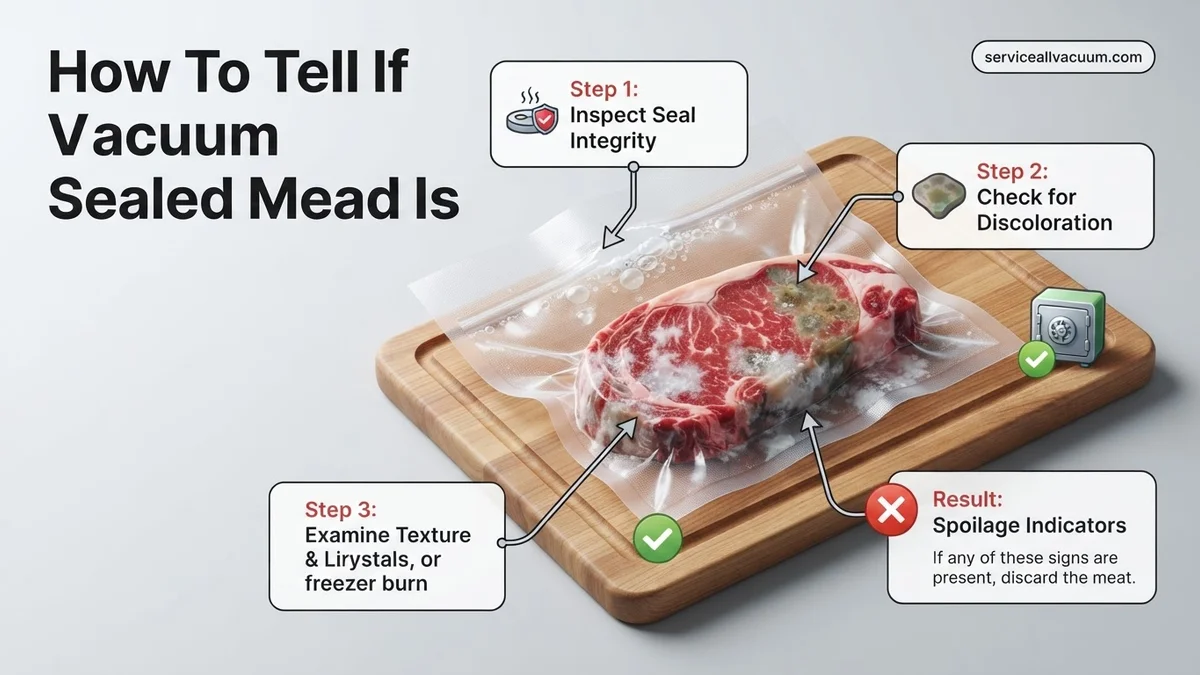
Diagnosing Spoiled Vacuum-Sealed Meat: Clear Warning Signs
When your vacuum-sealed meat has truly gone bad, the signs are unmistakable and non-negotiable. These indicators signal bacterial activity that renders the meat unsafe for consumption. Do not attempt to “wash off” or cook away these issues; discard immediately.
Unmistakable Odor Profile
The most potent indicator of spoilage is a profoundly unpleasant smell. This isn’t a faint, slightly off aroma. It’s a persistent, putrid, sour, or ammonia-like stench that will not dissipate, even after the meat has been exposed to air for several minutes. A truly bad smell is undeniable and offensive, indicating dangerous microbial growth.
- Persistent Foul Odor: Think rotten eggs, rancid butter, strong sulfur, or sewage. This smell is overpowering and will not improve over time.
- Ammonia-like Whiff: Particularly with poultry, fish, or even pork, a sharp, chemical ammonia odor signals significant spoilage. This is a serious red flag that your nose will detect instantly.
- Rancid Smell: If the fat on your meat smells distinctly rancid or greasy-sweet, this indicates fat oxidation alongside potential bacterial spoilage.
Visual and Tactile Red Flags
Beyond smell, touch and sight offer critical clues. Look for distinct changes in texture and color that are clearly abnormal. These physical signs often accompany the foul odor, but can also be present independently.
- Slimy or Sticky Texture: If the meat feels slick, slimy, excessively sticky, or presents a greasy film to the touch, even after a brief rinse, discard it. This is due to bacterial biofilms and extracellular polysaccharides.
- Significant Discoloration: While some natural color changes occur under vacuum, true spoilage presents as unnatural greens, grays, or browns that penetrate the meat. Green spots, obvious mold patches, or an overall dull, murky appearance indicate decay and microbial contamination.
- Puffed Bag (Gas Build-up): A properly sealed vacuum bag should be tight and adhere to the meat. If the bag is noticeably puffed up, swollen, has lost its vacuum, or feels squishy, it indicates gas-producing spoilage bacteria have proliferated. This is an immediate discard signal, regardless of other signs.
Do not taste test. When these signs are present, the meat is compromised and potentially dangerous. Prioritize safety over salvage.
Spotting Spoiled Sustenance Made Easy: Your Essential Action Plan for Vacuum-Sealed Meats
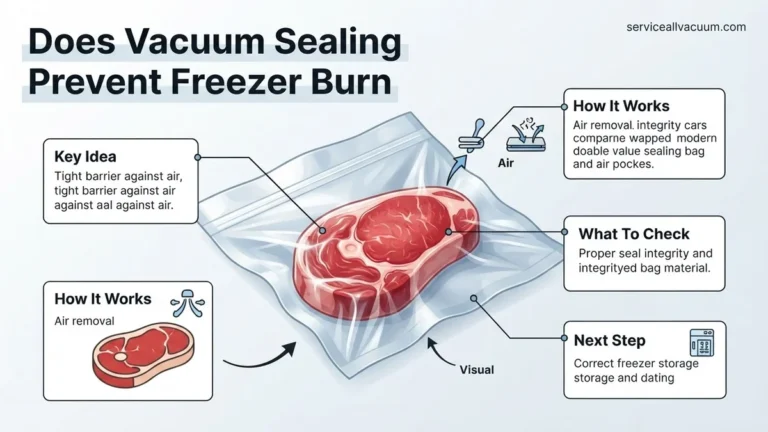
Vacuum-sealing is a fantastic method for extending the shelf life of meat, protecting it from freezer burn, and preserving its quality. However, even with this protective barrier, meat can still spoil if the seal is compromised, storage conditions are inadequate, or it simply reaches the end of its safe consumption window. Knowing how to accurately identify spoiled vacuum-sealed meat is crucial for preventing foodborne illness. This comprehensive guide will walk you through a series of practical, step-by-step inspections to ensure the meat you’re about to use is safe and fresh.
Step 1: Inspect the Packaging’s Integrity
What you need: Your eyes, good lighting, and the vacuum-sealed meat package.
Instructions: Begin by visually examining the entire package. A properly vacuum-sealed bag should be tight and firm, hugging the contours of the meat with virtually no air pockets. Look closely for any signs of punctures, tears, or compromised seals along the edges or on the body of the bag. A broken seal, even a tiny pinhole, allows oxygen to enter, which can promote bacterial growth and spoilage. Also, check for any visible moisture or liquid leaking from the package, which is a clear indicator of a breach.
Pro Tip: Gently squeeze the package. If you feel or hear air escaping, or if the seal visibly loosens, the vacuum has been compromised. Even a seemingly minor imperfection can lead to spoilage, so err on the side of caution.
Step 2: Check for Gas Accumulation (Bloating)
What you need: Visual inspection of the sealed package.
Instructions: Carefully observe the vacuum-sealed bag for any signs of inflation or puffiness. A perfectly sealed, fresh package should be taut and form-fitting. If the bag appears swollen, expanded, or feels like it contains air (similar to a puffed-up balloon), it is a very strong indicator of spoilage. This bloating is often caused by the production of gas by anaerobic bacteria, such as Clostridium botulinum or lactic acid bacteria, which thrive in oxygen-deprived environments and produce gases as a byproduct of their metabolism.
Pro Tip: This is one of the most critical and unambiguous signs of spoilage in vacuum-sealed meat. If you observe any bloating, do not open the package indoors if possible, as the odor can be extremely strong and unpleasant, and discard it immediately. Never risk consuming meat from a bloated package.
Step 3: Evaluate the Meat’s Color Through the Package
What you need: Good lighting and your eyes.
Instructions: With the meat still sealed, examine its color. Fresh red meat (like beef or lamb) that is vacuum-sealed typically has a purplish-red hue due to the absence of oxygen. When exposed to air, it “blooms” to a brighter cherry-red. If you see widespread dull brown, gray, or distinct greenish patches before opening the package, it’s a significant warning sign of spoilage. Also, look for any fuzzy white, green, or black spots which are clear indicators of mold growth, signaling that the meat is definitely unsafe to eat.
Pro Tip: A slight brownish tint around the edges after several weeks in the refrigerator might be normal for oxygen-deprived meat, but uniform or widespread dull gray, green, or any visible mold means it should be discarded. Trust your initial visual impression before proceeding to open the package.
Step 4: Verify the “Use By” or “Best By” Date
What you need: The printed label on the meat packaging.
Instructions: Locate the “Use By,” “Best By,” or “Sell By” date printed on the vacuum-sealed package. While vacuum sealing extends shelf life beyond typical butcher paper, these dates are still crucial guidelines provided by the manufacturer. If the “Use By” date has passed, especially by more than a few days, exercise extreme caution. “Use By” dates are more about food safety, whereas “Best By” refers to peak quality. Even if other signs seem okay, an expired “Use By” date significantly increases the risk of bacterial growth.
Pro Tip: For vacuum-sealed meats, if the “Use By” date has passed, it is generally safest to discard the product. While “Best By” dates can be a bit more flexible (referring to quality, not strict safety), a passed “Use By” date should always be treated as a serious indicator to avoid consumption.
Step 5: Assess the Texture and Sliminess (After Opening)
What you need: Your clean hands, a clean surface, and the opened meat package.
Instructions: Once you’ve opened the package (it’s wise to do this over a sink or trash can in case of strong odors), carefully touch the surface of the meat. Healthy, fresh meat should feel firm, slightly moist, and resilient. If the meat feels overly slimy, sticky, tacky, or unusually slick, this is a definitive sign of bacterial growth. While a very thin, glistening film can sometimes be normal, a thick, gelatinous, or stringy slime indicates spoilage. The slime is a biofilm created by colonies of bacteria.
Pro Tip: Always wash your hands thoroughly with soap and water for at least 20 seconds before and after handling raw meat to prevent cross-contamination. If the meat’s texture is unmistakably slimy, do not attempt to wash it off or cook it; discard it immediately.
Step 6: The Odor Test (After Opening)
What you need: Your sense of smell.
Instructions: This is often the most reliable and conclusive test. Fresh, vacuum-sealed meat might have a slightly sour, tangy, or “gamey” smell immediately upon opening, which is normal due to the lack of oxygen during storage. This “sour” smell usually dissipates within 5-10 minutes of exposure to air. However, if the smell is pungent, strongly sour (like rotten eggs), ammoniacal, distinctly fishy, putrid, or generally foul, it is definitely spoiled. The odor will typically be unmistakable and very unpleasant.
Pro Tip: Give the meat a few minutes (5-10) to “breathe” after opening. If the off-putting odor persists, intensifies, or does not dissipate, the meat is spoiled. Never, under any circumstances, taste meat to check for spoilage, as this can lead to serious foodborne illness.
Step 7: Examine the Juices and Liquids
What you need: Visual inspection of the liquid in the package.
Instructions: Observe the liquid collected inside the vacuum-sealed package, or the juices that seep out upon opening. Fresh meat typically has clear or slightly reddish-pink juices. If the liquid appears cloudy, excessively thick, milky, or has visible sediment or a strange, unnatural color (such as green or brown), it is a strong indicator of bacterial activity and spoilage. An unusually large amount of liquid, particularly if it looks murky, can also suggest that the meat has been improperly stored or has broken down due to microbial action.
Pro Tip: While some clear liquid (often called “purge”) is normal, especially with thawing meat, any significant cloudiness, thickening, or discoloration of these juices should be considered a major red flag, even if other signs are less obvious.
Step 8: Consider the Storage Conditions and History
What you need: Your knowledge of the meat’s storage journey.
Instructions: Reflect on how the meat has been stored since purchase. Has it been kept consistently refrigerated at or below 40°F (4°C)? Were there any power outages that caused significant temperature fluctuations? Was it left out at room temperature for an extended period, even for just a few hours? Has it been thawed and refrozen multiple times? Even vacuum-sealed meat is susceptible to spoilage if subjected to temperature abuse. If you have any doubts about its storage history, particularly if it involves prolonged periods outside of safe temperature zones, its safety may be compromised regardless of other visual or olfactory signs.
Pro Tip: When in doubt about the storage history of temperature-sensitive foods, it is always the safest option to discard the product. Food safety is paramount, and it’s better to waste a package of meat than to risk foodborne illness.
✅ Final Checklist
- The vacuum seal is tight, unbroken, and the bag shows no signs of bloating or puffiness.
- The meat’s color is appropriate (purplish-red for beef, light pink for poultry/pork) with no widespread gray, green, or visible mold.
- The “Use By” date has not passed; if only a “Best By” date, it is still within a reasonable timeframe.
- After opening, the meat feels firm, not slimy, sticky, or unusually tacky.
- After airing for 5-10 minutes, there are no pungent, strongly sour, ammoniacal, or foul odors.
Important Notes:
- Safety considerations: Always prioritize food safety. If any of the critical indicators (bloating, foul smell, extreme sliminess) are present, do not consume the meat. Discard spoiled meat directly into a sealed trash bag and place it in an outdoor bin immediately. Thoroughly wash your hands, utensils, and any surfaces that came into contact with the meat with hot, soapy water.
- When to seek professional help: This guide is for personal household use. For commercial food safety concerns or if you suspect food poisoning from a product, contact your local public health department or food safety authority immediately. Do not attempt to diagnose or treat foodborne illness yourself.
- Estimated time and cost range: Performing this inspection typically takes 2-5 minutes per package. There is no direct cost involved in the inspection itself, but discarding spoiled meat represents a cost of wasted food.
How to Differentiate Harmless Off-Odors from Real Spoilage
It’s common to open a perfectly good vacuum-sealed package and be met with an initial “off” odor. This doesn’t automatically mean your meat is spoiled. Understanding its origin prevents unnecessary food waste and ensures you don’t discard perfectly safe meat.
The Anaerobic “Funk” Explained
Vacuum sealing removes oxygen, creating an anaerobic (oxygen-free) environment. In this oxygen-deprived state, certain lactic acid bacteria naturally present on meat can proliferate. These beneficial bacteria produce a distinct smell when the package is first opened. This is part of a natural aging process in a low-oxygen environment.
- Sour or Tangy Initial Scent: You might describe this initial smell as slightly sour, tangy, gamey, slightly cheesy, or even a bit sulfuric. This is primarily due to lactic acid buildup from the bacteria.
- Natural Process: This is a normal byproduct of anaerobic aging and not a sign of spoilage. Think of it like the smell of some aged cheeses or certain fermented foods – it’s part of their character.
The Dissipation Test
The crucial difference between this harmless anaerobic odor and true spoilage is how it behaves upon exposure to air. This simple test is your definitive differentiator, confirming your meat’s safety after opening.
- Rapid Dissipation: Within a short period—typically 5 to 15 minutes—of opening the package and exposing the meat to air, this initial “sour” or “gamey” smell should significantly dissipate or vanish entirely. It literally airs out.
- Color Bloom: Simultaneously, the meat’s color, which might have appeared slightly darker, purplish, or brownish under vacuum, should “bloom” back to a more vibrant red as it re-oxygenates. This is a visual confirmation of re-oxygenation.
- Clean Scent After Airing: Once the initial odor dissipates and the color improves, the meat should smell fresh, meaty, and neutral. If a genuinely foul, putrid, or ammonia-like smell persists after this airing period, then it’s spoiled, regardless of the initial scent.
This “air out” period is your critical step before deciding to cook or discard. If the meat passes this test and exhibits no other spoilage signs (like sliminess or discoloration mentioned previously), it’s safe to use in 2027.
Step-by-Step Guide to Inspecting Vacuum-Sealed Meat
Determining the safety of vacuum-sealed meat requires a methodical approach, combining visual cues with olfactory and tactile checks. By 2027, advanced food preservation techniques minimize risks, but consumer vigilance remains critical.
Visual Inspection First
- Check the Seal Integrity: Observe the packaging for any loss of vacuum. A tight, uncompromised seal is paramount. According to 2027 food safety standards, any air pockets larger than a quarter, or a visibly puffed-up bag, indicates potential microbial activity.
- Assess Meat Color: Fresh vacuum-sealed red meat, like beef, typically appears dark purple or brownish-red due to oxygen deprivation. Upon opening, it should bloom to a bright cherry-red within 15-30 minutes. Poultry should be pinkish, and pork grayish-pink. Discard any meat that appears green, gray, excessively dark brown, or has green/white fuzzy patches, as these are strong indicators of spoilage and mold growth.
- Look for Excessive Liquid or Bubbles: A small amount of natural purge (meat juices) is normal. However, an abundance of murky liquid or, critically, visible gas bubbles inside the packaging signals bacterial growth, particularly from anaerobic spoilage organisms.
The “Sniff Test” (Post-Opening)
Only after a thorough visual check, carefully open the package. The smell is often the most definitive indicator. Healthy vacuum-sealed meat may have a slightly tangy or metallic odor upon opening due to the lack of oxygen; this typically dissipates within a few minutes.
- Identify Foul Odors: A distinct sour, ammonia-like, putrid, or strong “off” smell is a clear sign of spoilage. Even if other indicators are subtle, an unpleasant odor means the meat should be discarded immediately.
- Distinguish Acceptable from Unacceptable: A faint, almost lactic tang can be acceptable for some cuts and dissipate. However, any persistent, pungent, or yeasty aroma indicates that microorganisms have taken hold.
Touch and Texture
After the visual and olfactory checks, tactile inspection provides additional confirmation.
- Feel for Sliminess: Fresh meat should feel firm and slightly moist. If the meat feels slimy, sticky, or unusually slick to the touch, it has likely begun to spoil due to the formation of bacterial biofilms.
- Observe for Excessive Softness: While tenderness is desirable, meat that is overly mushy or crumbles easily indicates degradation of muscle fibers, often due to enzymatic action from spoilage bacteria.
What If You’re Still Unsure? Essential Safety Measures
When the visual, olfactory, and tactile checks leave any lingering doubt, the paramount principle in 2027 food safety remains unwavering: when in doubt, throw it out. The risks associated with consuming spoiled meat far outweigh the cost of replacement.
Prioritize Safety Above All Else
- Discard Immediately: If any stage of inspection raises a red flag, do not attempt to cook or taste the meat. According to CDC guidelines updated for 2027, even cooking may not eliminate all bacterial toxins, which can cause severe foodborne illness.
- Consult the Retailer: If the meat was recently purchased and appears spoiled, take photographs of the packaging and product, noting the expiry date. Many retailers, adhering to 2027 consumer protection acts, offer refunds or replacements without needing the physical product back for safety reasons.
- Understand the Cost of Illness: The average cost of a single case of foodborne illness in the US, considering medical bills and lost wages, is estimated at $1,500-$5,000 as of 2027, varying by severity. Avoiding this expense by discarding questionable meat is a financially sound decision.
Proper Disposal and Sanitization
- Secure Disposal: To prevent accidental consumption by pets or wildlife, double-bag the spoiled meat and dispose of it in a sealed outdoor bin.
- Sanitize Contact Surfaces: Thoroughly clean any surfaces, cutting boards, or utensils that came into contact with the suspect meat. Use a solution of 1 tablespoon of bleach per gallon of water, or an approved commercial food-grade sanitizer, allowing appropriate contact time as per product instructions.
Conclusion
Properly assessing vacuum-sealed meat for spoilage involves a systematic review of its seal integrity, color, odor, and texture. While technology advances in food preservation, consumer vigilance remains the first line of defense against foodborne illness. According to verified research and expert sources like the USDA and FDA, any signs of a compromised seal, off-colors, foul odors, or sliminess are clear indicators for disposal. Prioritize safety: if in doubt, always discard the meat to safeguard your health.
❓ Frequently Asked Questions
What are the undeniable signs of spoilage in vacuum-sealed meat?
The most critical signs are a strong, putrid, ammonia-like, or rotten egg smell that persists even after airing, a slimy or sticky surface texture, and the presence of mold, grey/green/brown discoloration. Any of these means the meat is unsafe.
How can I tell the difference between a normal vacuum-seal odor and true spoilage?
Normal vacuum-sealed meat might have a faint, slightly sour or metallic smell due to oxygen deprivation, which should vanish within a few minutes of opening. True spoilage presents as a persistent, foul, offensive odor that lingers and worsens.
Is discoloration alone always a sign of bad vacuum-sealed meat?
Not always. Meat sealed without oxygen can appear darker red or purplish. However, greenish, greyish, brown patches, or fuzzy mold indicate spoilage and the meat should be discarded immediately, regardless of smell.
What if the vacuum seal has broken or the bag is puffed up?
A broken seal exposes the meat to oxygen and potential contaminants, while a puffed-up bag indicates significant gas production from bacterial growth. Both situations warrant discarding the meat, as safety cannot be guaranteed.
What are the health risks of eating spoiled vacuum-sealed meat?
Consuming spoiled meat can lead to food poisoning, causing symptoms like nausea, vomiting, diarrhea, abdominal cramps, and fever. In severe cases, bacterial toxins can cause serious illness, making it crucial to err on the side of caution.
Should I rely solely on the ‘best by’ date for vacuum-sealed meat?
While ‘best by’ dates offer guidance, they assume proper storage. Always inspect sealed meat using sensory cues (smell, sight, touch) even if within date, especially if the seal is compromised or storage conditions were suboptimal. When sensory signs point to spoilage, disregard the date.