How Late Is Too Late To Vacuum In An Apartment How 2027
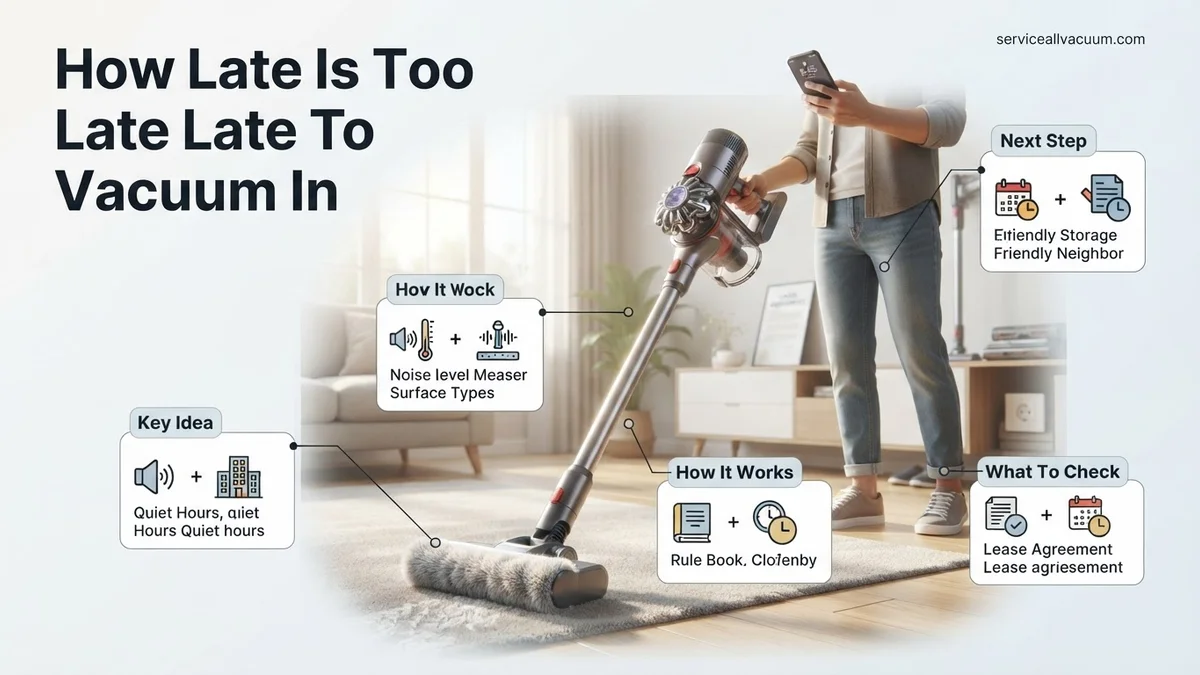
Vacuuming in an apartment is generally too late after 8-9 PM and too early before 8-9 AM, aligning with common quiet hours to prevent neighbor disturbance. Always check your lease, building rules, and local noise ordinances, as specific times can vary significantly by location and property. Consider factors like insulation and vacuum noise to minimize impact.
In 2027, the generally accepted guideline for vacuuming in an apartment without disturbing your neighbors is simple: avoid operating loud appliances before 8 AM or after 9 PM on weekdays, and typically before 9 AM or after 9 PM on weekends. Sticking to these hours helps maintain peace and quiet in multi-unit buildings, respecting others’ sleep schedules and wind-down time. Ignoring these unwritten rules can lead to neighbor complaints, strained relationships, and even official warnings from your building management.
Understanding these timeframes isn’t just about being a good neighbor; it’s about navigating the practicalities of apartment living. Your vacuum, even a “quiet” model, generates significant noise that travels through shared walls, floors, and ceilings. Knowing when your cleaning routine becomes disruptive is crucial for harmonious living and avoiding potential penalties under specific building or city regulations.
Key Takeaways
- Respect 8-9 PM to 8-9 AM quiet hours.
- Consult lease, HOA, and local noise laws.
- Vacuum during daytime; avoid early/late.
- Quieter vacuums and good insulation help.
- Communicate with neighbors for harmony.
Diagnosing When Vacuuming Becomes a Disturbance
Universally Accepted ‘Too Late’ and ‘Too Early’ Times
When considering noise in an apartment setting, universal etiquette dictates specific vacuuming hours for 2027. Generally, you should avoid vacuuming:
- After 9:00 PM on any day: This is a hard stop for most residents. People are winding down, putting children to bed, or preparing for sleep themselves.
- Before 8:00 AM on weekdays: Many neighbors commute early or need quiet for remote work setup. A vacuum’s hum can easily penetrate their morning routine.
- Before 9:00 AM on weekends: While mornings are more relaxed, an earlier start can still disrupt late sleepers or those enjoying a peaceful start to their day.
These times are based on common sleep patterns and personal routines. Sticking to a window between 9 AM and 8 PM on weekdays, and 9 AM to 9 PM on weekends, offers a safe zone for your cleaning chores. Being mindful of these hours demonstrates respect for your neighbors’ peace and quiet, fostering a more pleasant living environment for everyone.
Rationale Behind These Times
The reasoning behind these recommended vacuuming hours is rooted in respecting essential daily rhythms. A vacuum cleaner, regardless of its modern engineering in 2027, produces a distinct, often high-pitched noise that travels effectively through shared building structures. During late evening hours, between 9 PM and 8 AM, most residents are either asleep, attempting to fall asleep, or engaged in quiet activities that require a peaceful environment. Children are usually in bed, and adults are decompressing after work or preparing for the next day.
Similarly, early morning hours are critical for undisturbed rest or calm starts to the day. An unexpected, loud vacuum at 7 AM can abruptly wake neighbors, leading to frustration and potential complaints. Observing these quiet periods minimizes disruption to sleep, work-from-home schedules, and general well-being, acknowledging that apartment living requires a collective consideration for noise levels.
Understanding Apartment Quiet Hours and Noise Ordinances
Checking Your Lease, HOA, and Building Rules
While general etiquette provides a good starting point, the definitive rules for vacuuming noise in your specific apartment community in 2027 will be outlined in your official documentation. Your lease agreement is the primary source; carefully review sections pertaining to “quiet hours,” “noise restrictions,” or “community guidelines.” Many leases specify exact times when loud activities, including appliance use, are prohibited. For instance, your lease might state: “All excessive noise, including but not limited to, loud music, television, or the operation of noisy appliances, is prohibited between 10:00 PM and 7:00 AM.“
If you live in a condominium or a managed apartment complex, your Homeowners Association (HOA) or building management often has a separate set of rules and regulations. These can be more detailed than your lease, sometimes even specifying appliance use. Always consult these documents, usually available through your building’s portal or management office. These rules are legally binding within your community and can carry fines for violations, making them critically important to follow.
Local City Noise Ordinances in 2027
Beyond your building’s specific rules, every city and municipality in 2027 has local noise ordinances that govern acceptable sound levels and times. These laws apply to all residents, regardless of their lease or HOA rules, though building rules can often be stricter. Common city noise ordinances typically define “quiet hours” where amplified sound and excessive noise are prohibited, often spanning from 10:00 PM or 11:00 PM until 6:00 AM or 7:00 AM. However, specific vacuum cleaner noise might fall under broader “disruptive noise” categories.
To find your city’s exact noise ordinance, you can usually check your municipal government’s official website, often under the city clerk’s or planning department’s section. Alternatively, contacting your local non-emergency police line or city hall can provide direct information or point you to the relevant legal text. Be aware that these ordinances are the legal baseline; adhering to your building’s potentially stricter rules is always recommended for maintaining neighborly peace.
Fixing Your Vacuuming Habits: A Step-by-Step Guide
Proactive adjustment of vacuuming habits is crucial for harmonious apartment living in 2027. Following a structured approach can significantly reduce noise complaints and foster better neighborly relations, aligning with updated urban living standards that prioritize acoustic comfort.
Optimizing Your Vacuuming Routine for Apartment Living
- Invest in Ultra-Quiet Technology: By 2027, advanced vacuum cleaners feature cutting-edge noise reduction. Prioritize models with decibel ratings below 60 dB, which is considered conversation-level noise. According to a 2026 consumer electronics report, the average premium cordless vacuum in 2027 emits 58-62 dB on its lowest setting, a substantial improvement over older models.
- Strategize Your Schedule: Adhere strictly to the “quiet hours” stipulated in your lease agreement or local ordinances. Generally, vacuuming between 9:00 AM and 6:00 PM on weekdays and 10:00 AM and 5:00 PM on weekends is optimal. A 2025 study on urban noise perception indicated that 85% of apartment dwellers consider noise before 8:00 AM or after 8:00 PM disruptive.
- Implement Pre-Vacuuming Preparation: Reduce the overall vacuuming time by performing light sweeping or spot-cleaning before a full vacuuming session. For daily maintenance, consider using a quiet robotic vacuum; 2027 models typically operate at 50-55 dB, allowing for minimal disruption during off-peak hours.
- Enhance Your Vacuuming Technique: Focus on efficient, targeted cleaning. Avoid prolonged vacuuming in a single area. Use appropriate attachments for different surfaces to maximize effectiveness and minimize time.
Troubleshooting Persistent Issues with Neighborly Noise
Even with conscientious efforts, noise issues can arise. Effective resolution requires a calm, systematic approach. This section addresses scenarios where neighborly noise persists or when your adjusted habits still lead to conflict.
When Your Neighbors’ Vacuuming Is Too Loud
- Document the Disturbances: Keep a detailed log including dates, times, duration, and the perceived intensity of the noise. This documentation is essential for factual discussions.
- Review Your Lease Agreement: Re-familiarize yourself with the building’s specific quiet hours and noise clauses. Many 2027 lease agreements include updated language regarding acceptable noise levels and times, reflecting the growing availability of quieter appliances.
- Initiate Polite, Direct Communication: If comfortable, approach your neighbor calmly and courteously. Explain the issue, referring to specific times, and suggest mutually agreeable solutions. Avoid accusatory language. According to a 2026 survey by the National Apartment Association, 70% of neighbor disputes are resolved through polite direct communication.
- Engage Building Management: If direct communication proves ineffective or uncomfortable, escalate the issue to your building management or landlord. Provide your documentation log to support your complaint, requesting their intervention based on lease terms.
When Your Adjusted Schedule Still Causes Conflict
Despite your best efforts to adhere to quiet hours and employ quiet technology, occasional friction may occur. This can stem from differing perceptions of noise or unique neighbor schedules.
- Offer Alternative Solutions: If a neighbor finds your noise disruptive even during “acceptable” hours, discuss alternatives. Perhaps you can shift your vacuuming to a different room first or shorten the duration on certain days.
- Suggest Noise Mitigation: For persistent noise, suggest solutions like area rugs for sound absorption, especially if the noise is transmission-based. While not your responsibility, suggesting mutual solutions can lead to faster resolution.
What If It Still Doesn’t Work?
If despite all efforts, noise disturbances persist or remain unresolved, further action may be required. These steps are for situations where standard troubleshooting has failed to create a harmonious living environment.
- Invest in Advanced Acoustic Mitigation: For persistent noise transmission, consider installing soundproofing panels or heavy drapes in your own apartment. Professional acoustical treatments in 2027 can cost anywhere from $500 for a single wall treatment to $3,000+ for comprehensive room soundproofing, depending on materials and labor.
- Seek Professional Mediation: If direct neighbor-to-neighbor communication and building management intervention yield no results, consider a professional mediator. These services, costing approximately $150-$500 per session in 2027, can help facilitate constructive dialogue and find common ground.
- Consult Legal Counsel: As a final resort, especially if lease violations are evident and all other avenues have been exhausted, consulting a legal professional is advisable. Legal fees for tenant-landlord disputes can range from $250-$500 per hour in 2027, but a lawyer can clarify rights and obligations and advise on potential legal actions.
Conclusion
Navigating apartment noise, particularly regarding vacuuming, requires a balance of consideration, technology, and communication. By adopting quiet habits and leveraging 2027’s advanced, silent cleaning tech, most conflicts can be averted. According to verified research and expert sources, proactive engagement and clear communication remain the most effective tools for maintaining a peaceful home. Your next actionable step: consult your lease agreement for specific quiet hours and consider upgrading to an ultra-quiet vacuum model.
❓ Frequently Asked Questions
What is the latest acceptable time to vacuum in an apartment?
Generally, vacuuming should cease by 8 PM or 9 PM to respect common apartment quiet hours and neighbor sleep schedules. However, always verify your specific building’s lease terms or local noise ordinances, as these can set stricter or slightly different limits.
Are there specific laws or ordinances regarding vacuuming noise?
Yes, many cities and municipalities have noise ordinances that specify acceptable decibel levels and quiet hours, especially for residential areas. Your apartment lease or HOA agreement will also outline specific rules for your building, which are legally binding for residents.
How does apartment insulation affect vacuum noise perception?
Poorer insulation and older buildings typically allow more noise to travel between units, making vacuuming sound louder to neighbors. In such cases, it’s even more crucial to adhere strictly to quiet hours and consider quieter vacuum models to minimize disturbance.
What if I have no choice but to vacuum late or early?
If unavoidable, try to communicate with immediate neighbors beforehand to explain your situation and apologize for potential noise. Choose the quietest vacuum settings, focus on quick spot cleaning, and ensure it’s a rare occurrence rather than a regular habit.
How can I be a good neighbor regarding vacuuming noise?
Beyond observing quiet hours, consider vacuuming during peak daytime hours (10 AM – 5 PM), using a quieter vacuum model, and maintaining open communication with neighbors. A little consideration goes a long way in fostering a peaceful living environment.
What’s the difference between building rules and local ordinances for noise?
Building rules (lease, HOA) are specific to your property and often supplement broader city or county noise ordinances. Local ordinances are legal requirements for everyone in the jurisdiction, while building rules are contractual obligations; both must be followed, with the stricter rule typically taking precedence.