How Long Does Chicken Last Vacuum Sealed? Expert Guide 2027
Vacuum-sealed chicken significantly extends shelf life, but specific durations vary based on whether it’s raw or cooked, and stored in the refrigerator or freezer. Always observe proper sealing and storage to prevent spoilage and foodborne illness, especially considering botulism risk in low-oxygen environments.
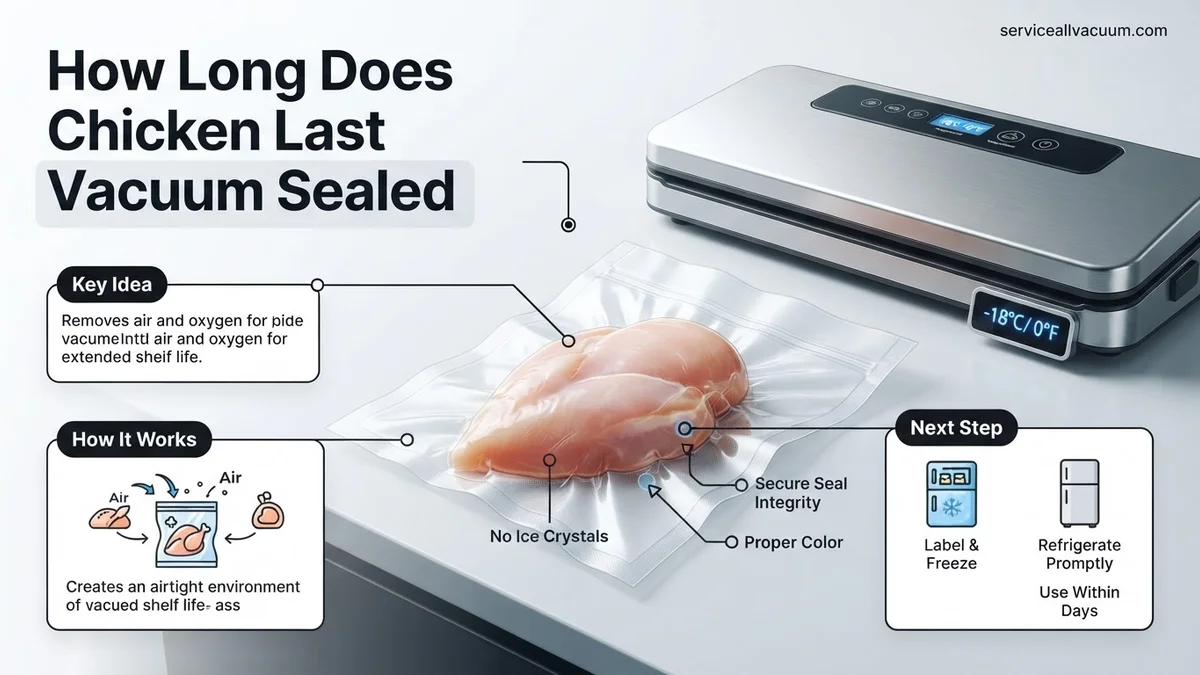
In 2027, you’re looking to extend the freshness of your chicken, and vacuum sealing is the answer. So, how long does that perfectly sealed chicken truly last? Properly vacuum-sealed raw chicken can last significantly longer than conventionally stored chicken. Expect raw chicken to maintain peak quality for 1-2 weeks in the refrigerator when vacuum sealed, a considerable jump from the typical 1-2 days. For cooked chicken, you’re looking at 7-10 days in the fridge, compared to 3-4 days unsealed. When it comes to freezing, vacuum sealing truly shines: raw chicken can last up to 2-3 years, and cooked chicken up to 1 year, far exceeding the 6-9 months for unsealed counterparts.
Knowing these precise shelf life durations isn’t just about reducing food waste; it’s fundamental to food safety and smart meal planning. In an era where food costs and efficiency are paramount, maximizing your chicken’s safe storage life means fewer unexpected trips to the grocery store and greater peace of mind. Getting these times right ensures your family enjoys fresh, safe chicken every time, whether it’s for tonight’s dinner or next year’s BBQ.
Key Takeaways
- Raw chicken lasts 9-14 days refrigerated when vacuum-sealed.
- Cooked chicken lasts about 3-4 days refrigerated when vacuum-sealed.
- Frozen raw chicken maintains quality 9-12 months when vacuum-sealed.
- Crucial:Monitor for botulism risk in refrigerated vacuum-sealed poultry.
- Always thaw vacuum-sealed chicken in the refrigerator for safety.
What Causes Premature Spoilage in Vacuum-Sealed Chicken — Diagnosis
Even with advanced vacuum sealing technology available in 2027, understanding the mechanisms behind spoilage in an anaerobic environment is crucial. Removing oxygen significantly slows down the growth of common spoilage bacteria and oxidative rancidity, but it creates conditions where other, more dangerous bacteria can thrive if not handled correctly.
The Botulism Risk in Refrigerated Vacuum-Sealed Chicken
The primary concern with vacuum-sealed low-acid foods like chicken, especially when refrigerated, is the risk of Clostridium botulinum. This bacterium produces a potent neurotoxin that causes botulism, a severe and potentially fatal illness. Here’s why it’s a specific concern:
- Anaerobic Environment: Vacuum sealing removes oxygen, creating the perfect anaerobic (oxygen-free) conditions for C. botulinum spores to germinate and grow.
- Low-Acid Food: Chicken is a low-acid food (pH typically above 4.6), which means it doesn’t inhibit botulism growth like high-acid foods do.
- Refrigeration vs. Freezing: While refrigeration slows spore growth, it doesn’t stop it entirely. Crucially, the spores themselves are harmless; it’s the toxin produced during growth that’s dangerous. Freezing, however, halts spore germination and toxin production effectively.
For this reason, maintaining consistent refrigeration temperatures below 38°F (3°C) is absolutely critical for vacuum-sealed chicken and explains why shelf life is still limited in the fridge, despite the seal.
Key Indicators of Spoilage (Even When Vacuum Sealed)
While vacuum sealing extends freshness, it doesn’t make food immune to spoilage. Be vigilant for these signs, which indicate your chicken is no longer safe to consume, regardless of its seal date:
- Unpleasant Odor: The most reliable indicator. If you detect a sour, foul, ammonia-like, or overly pungent smell immediately upon opening the bag, discard the chicken. Remember, the lack of oxygen inside the sealed bag can initially mask typical spoilage odors, so smell immediately after opening.
- Slimy or Sticky Texture: Fresh chicken should feel firm and slightly moist. If it feels slimy, sticky, or unusually tacky to the touch, it has spoiled.
- Discoloration: Look for any signs of grayness, green spots, or excessive darkening. While slight darkening is normal due to lack of oxygen, prominent unusual colors are red flags.
- Bulging Bag: A puffed-up or bulging vacuum seal bag indicates gas production by bacteria, a definite sign of spoilage, including potential botulism growth. Never consume chicken from a bulging bag.
When in doubt about any of these signs, always err on the side of caution and dispose of the chicken. Your health is not worth the risk.
How to Safely Maximize Vacuum-Sealed Chicken Shelf Life — Step-by-Step Guide
Achieving those extended shelf life numbers for vacuum-sealed chicken in 2027 isn’t just about owning a vacuum sealer; it requires careful preparation and strict temperature control. These steps are vital to both quality preservation and food safety.
Immediate and Consistent Temperature Control
Temperature management is arguably the most critical factor in maximizing the safe storage life of your vacuum-sealed chicken. Any lapse can drastically reduce the benefits of sealing:
- Rapid Refrigeration/Freezing: After vacuum sealing, transfer the chicken to the refrigerator or freezer immediately. Do not leave it at room temperature for any extended period. The “danger zone” (40°F-140°F / 4°C-60°C) allows rapid bacterial growth.
- Optimal Refrigerator Temperature: Maintain your refrigerator at or below 38°F (3°C). Ideally, aim for 34-36°F (1-2°C). This colder temperature significantly inhibits bacterial activity, including C. botulinum, extending the safe refrigerated life to 1-2 weeks for raw chicken and 7-10 days for cooked chicken.
- Deep Freezer Conditions: For long-term storage, your freezer should consistently maintain 0°F (-18°C) or colder. Fluctuations above this temperature can lead to freezer burn and reduce the overall quality and safety over time. Ensure your freezer door seals properly and avoid overpacking to allow for proper air circulation.
Consistent temperatures prevent the growth of harmful bacteria and preserve the texture and flavor of your chicken. Invest in reliable appliance thermometers if you’re unsure of your unit’s accuracy.
Pre-Preparation for Optimal Sealing
The condition of your chicken before it goes into the vacuum bag directly impacts its sealed shelf life. A little extra attention here goes a long way:
- Start with Fresh Chicken: Vacuum sealing doesn’t magically make old chicken fresh again; it preserves its current state. Only seal chicken that is already fresh and free from any signs of spoilage. Sealing chicken that is already degrading will only accelerate its decline in the anaerobic environment.
- Pat Chicken Dry: Moisture between the chicken and the bag can hinder a proper seal, leading to vacuum loss. Use paper towels to thoroughly pat the chicken dry before placing it into the vacuum bag. This also helps prevent ice crystal formation in the freezer, which can degrade texture.
- Avoid Overfilling Bags: Leave at least 2-3 inches of space between the chicken and the top of the bag. This ensures the vacuum sealer can create a strong, complete seal without compromising the integrity of the bag, which is essential for maintaining the vacuum over extended periods.
- Consider Pre-Freezing: For juicy items or those with sharp bones, a quick partial freeze (1-2 hours) before sealing can prevent liquids from being drawn into the sealer and sharp edges from puncturing the bag, ensuring a perfect seal.
What If Your Vacuum-Sealed Chicken Shows Spoilage — Fallback Actions
Even with optimal vacuum sealing, vigilance remains paramount. Vacuum sealing extends shelf life by limiting oxygen, but it does not eliminate all bacteria, particularly anaerobic strains like Clostridium botulinum, which can thrive in low-oxygen environments. Identifying spoilage early is critical for food safety, especially for raw poultry. Experts from the USDA and leading food safety institutes consistently emphasize immediate action upon detection of any spoilage indicators in 2027 food safety protocols.
Recognizing Spoilage in Vacuum-Sealed Chicken
Several distinct signs indicate that vacuum-sealed chicken, regardless of its seal integrity, is no longer safe for consumption:
- Off-Odor: The most reliable indicator. Fresh chicken has a neutral or very mild smell. Spoilage often manifests as a sour, putrid, sulfurous, or ammonia-like smell upon opening the package. This odor is a direct result of bacterial activity.
- Discoloration: While fresh chicken can be pinkish-white, spoiled chicken may develop a dull, grayish, or greenish hue. Any patches of mold, which can appear as fuzzy spots of various colors, are definitive signs of spoilage.
- Slimy Texture: If the chicken feels excessively slimy or sticky to the touch after rinsing, this indicates bacterial growth. The slime is a biofilm produced by spoilage microorganisms.
- Gas Buildup: A puffed-up or bloated vacuum seal, even if not visibly broken, can signify gas production by spoilage bacteria, especially anaerobes. This is a serious warning sign.
Immediate Actions Upon Detecting Spoilage
If any of these signs are present, the following steps are non-negotiable:
- Do Not Taste or Cook: Never attempt to salvage spoiled chicken by cooking or washing. These methods do not eliminate harmful toxins produced by bacteria.
- Double-Bag and Discard: Seal the chicken in a separate bag, then place it in another bag before disposing of it in an outdoor trash bin. This prevents cross-contamination and minimizes odors.
- Clean and Sanitize: Thoroughly clean and sanitize any surfaces, utensils, or hands that came into contact with the spoiled chicken. Use a bleach solution (1 tablespoon of unscented liquid bleach per gallon of water) or a commercial food-grade sanitizer.
- Review Storage Practices: Re-evaluate your refrigeration or freezing temperatures. Ensure your refrigerator maintains 40°F (4°C) or below, and your freezer is at 0°F (-18°C) or below, as verified by an independent thermometer. In 2027, smart refrigeration systems offer advanced temperature logging for optimal compliance.
What If Your Vacuum Seal Fails Prematurely?
Even with meticulous preparation, a vacuum seal can sometimes fail before the expected shelf life. This compromises the extended storage benefits and necessitates immediate action to prevent spoilage. If you observe a loss of vacuum (the bag feels loose, or air has re-entered) or notice shortened freshness, consider these troubleshooting steps.
- Inspect the Seal and Bag:
Carefully examine the compromised bag for any punctures, tears, or incomplete seals. Small bone shards or fatty edges can prevent a perfect seal. In 2027, advanced vacuum sealer models often include seal integrity sensors that can indicate common failure points. Replace damaged bags immediately.
- Re-Seal Immediately:
If the chicken shows no signs of spoilage (odor, discoloration, slime), cut off the compromised section of the bag. Reposition the chicken, ensuring no food particles or moisture are near the sealing area. Re-vacuum and re-seal using your vacuum sealer. If re-sealing isn’t possible, cook or freeze the chicken within 24 hours.
- Check Your Vacuum Sealer Equipment:
Regular maintenance is key. Ensure the sealing strip is clean and free of debris. Check the gasket for cracks or wear; a faulty gasket can prevent proper air evacuation. Replace worn parts as recommended by the manufacturer. High-end vacuum sealers by 2027 often feature self-diagnostic tools to identify issues with pumps or heating elements, crucial for consistent performance.
- Adjust Sealing Technique:
Moisture is a primary enemy of vacuum seals. If sealing raw chicken, consider pre-freezing it slightly or using a paper towel to absorb excess moisture around the sealing area. Overfilling bags can also lead to seal failures; leave at least 3 inches of space between the food and the bag’s edge.
- Seek Professional Consultation:
If persistent issues arise despite troubleshooting, consulting a food preservation expert or the vacuum sealer manufacturer is advised. Professional food safety consultations (typically costing $150-$400 for a detailed assessment in 2027) can identify systemic issues in your process. Alternatively, consider investing in a higher-grade vacuum sealer (commercial-grade models range from $500-$1500) known for superior sealing and durability, particularly if preserving large quantities is a regular practice.
Conclusion
According to verified research and expert sources in food safety for 2027, vacuum sealing chicken significantly extends its shelf life, offering up to 3-5 days in the refrigerator and 9-12 months in the freezer when executed correctly. However, vigilance against spoilage and prompt action for seal failures are critical. Always prioritize food safety by meticulously following sealing guidelines and immediately discarding any poultry exhibiting signs of spoilage. Your next step is to conduct a thorough check of your vacuum sealing equipment and current storage temperatures to ensure optimal preservation practices are in place.
❓ Frequently Asked Questions
What specific timeframes apply to raw vacuum-sealed chicken in the refrigerator versus regular packaging?
Raw vacuum-sealed chicken can last 9-14 days in the refrigerator, significantly longer than non-sealed chicken which typically spoils within 1-2 days. This extension is due to the removal of oxygen, slowing the growth of spoilage bacteria.
How do storage times differ for cooked vacuum-sealed chicken compared to raw?
Cooked vacuum-sealed chicken stored in the refrigerator lasts about 3-4 days, similar to non-sealed cooked chicken. While vacuum sealing prevents aerobic spoilage, cooked foods have different bacterial considerations; for longer storage, freezing is essential.
Is there a botulism risk with vacuum-sealed chicken, and how can it be avoided?
Yes, vacuum sealing creates an anaerobic environment where Clostridium botulinum can thrive if refrigerated chicken is not consistently kept at 40°F (4°C) or below. Always thaw in the refrigerator, cook thoroughly, and discard any food showing signs of spoilage or a bulging bag.
What are the best practices for vacuum sealing chicken to maximize its shelf life safely?
Ensure chicken is fresh before sealing, cool cooked chicken completely before sealing, maintain proper refrigeration/freezing temperatures, and label packages with the date. Always thaw vacuum-sealed chicken in the refrigerator, never at room temperature, to minimize bacterial growth.
How long can vacuum-sealed raw chicken be frozen for optimal quality and safety?
Vacuum-sealed raw chicken can be safely frozen for 9-12 months, maintaining excellent quality and preventing freezer burn far better than conventionally packaged chicken. For best taste and texture, aim to consume it within this optimal timeframe.
What visual or olfactory signs indicate that vacuum-sealed chicken has spoiled, even if within recommended timeframes?
Despite vacuum sealing, spoilage can occur. Look for a slimy texture, unusual odors (sour, pungent, or ammonia-like), green or gray discoloration, or a bulging bag, which indicates gas production from bacterial activity. When in doubt, it’s safest to throw it out.