Can You Vacuum Pack Lettuce? Expert Guide for 2027
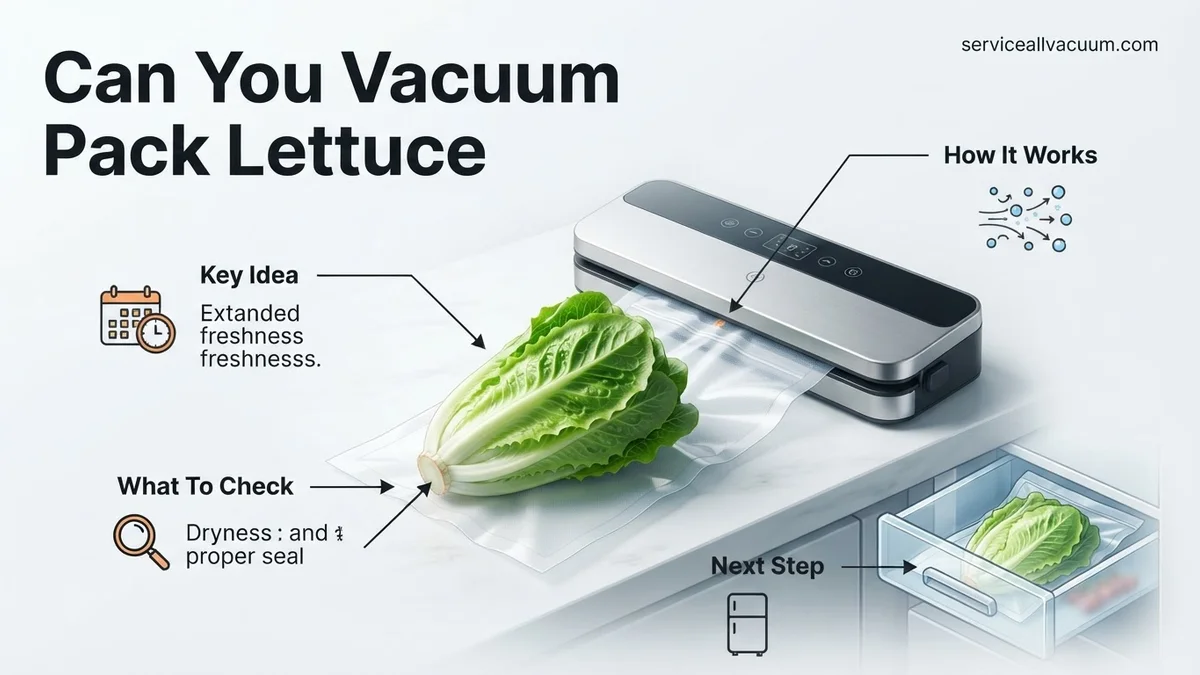
No, you generally should not vacuum pack lettuce. The intense pressure crushes delicate leaves, leading to immediate bruising, accelerated spoilage, and a mushy texture. Instead, opt for proven methods that maintain ideal moisture and air circulation for crisp, fresh greens.
In 2027, as you continue to optimize your kitchen and extend the freshness of your groceries, a common question arises regarding delicate produce: can you vacuum pack lettuce? Let’s cut straight to the chase: you absolutely should not vacuum pack lettuce for storage. It’s a common misconception that vacuum sealing extends the life of all produce.
While vacuum packing works wonders for many foods by eliminating oxygen and preventing oxidation, applying this method to delicate, high-water-content greens like lettuce yields disastrous results. Far from preserving your greens, vacuum sealing will actively destroy them, often accelerating spoilage rather than preventing it. Understanding precisely why this happens can save your leafy greens, your salads, and prevent unnecessary food waste.
Key Takeaways
- Avoid vacuum packing lettuce; it causes bruising.
- Pressure damages cell walls, leading to mushiness.
- Anaerobic conditions accelerate spoilage quickly.
- Use paper towels in containers for best results.
- Proper drying before storage is crucial for freshness.
What Happens When You Vacuum Pack Lettuce? (The Problem)
As soon as your vacuum sealer activates, you’ll observe immediate and irreversible damage to your lettuce. The powerful suction, designed to remove air and create a tight seal, exerts immense pressure on the delicate cellular structure of lettuce leaves. This process is inherently destructive for such fragile produce.
Instant Physical Destruction and Quality Loss
Here’s what happens within seconds of vacuum sealing lettuce, whether it’s romaine, iceberg, or a tender spring mix:
- Crushing and Flattening: Crisp lettuce leaves are simply not built to withstand external vacuum pressure. They are immediately flattened, compacted, and squeezed, losing all their natural volume, texture, and visual appeal.
- Bruising and Cell Rupture: The vacuum’s force literally bursts the individual plant cells within the lettuce. This leads to widespread bruising across the entire leaf surface, causing dark, water-soaked spots to form rapidly.
- Mushiness: Due to this immediate cell wall rupture, the lettuce transforms from crisp to mushy almost instantly. The turgor pressure, which gives lettuce its characteristic crunch, is completely lost. You’ll end up with a soggy, limp mess.
- Water Release: The internal moisture, once neatly contained within the cells, is forcefully squeezed out. This causes the lettuce to appear visibly wet, waterlogged, and entirely unappetizing.
In essence, when you vacuum pack lettuce, you are not preserving your greens; you are actively destroying their structural integrity and appealing texture, rendering them unfit for consumption almost immediately after sealing.
Accelerated Deterioration and Unpleasant Outcomes
The problems associated with vacuum packing lettuce don’t stop at physical damage. In fact, this process kickstarts a significantly faster spoilage cycle than if you had simply stored your lettuce in the crisper drawer with proper ventilation.
- Rapid Browning: Once the crushed and bruised lettuce is exposed to air again (even just for serving), the damaged cells release enzymes that react quickly with oxygen. This initiates rapid oxidation, leading to unsightly brown discoloration across the leaves, often within minutes to a few hours, far quicker than naturally occurring browning.
- Sliminess and Decay: Within just 24 to 48 hours, even under continuous refrigeration, vacuum-sealed lettuce will inevitably become slimy and begin to decay at an accelerated rate. The extensive cellular breakdown creates an ideal, nutrient-rich environment for spoilage bacteria to flourish rapidly.
- Off-Flavors and Odors: The combined breakdown of plant tissues and rampant bacterial growth in an anaerobic environment quickly results in unpleasant, fermented, or sour odors and distinct off-flavors, making the lettuce entirely inedible.
Attempting to vacuum pack lettuce, therefore, becomes a highly counterproductive exercise in 2027, transforming fresh, vibrant greens into spoiled waste almost instantaneously.
Why Vacuum Sealing Damages Lettuce: Cellular & Bacterial Causes
To truly understand why lettuce suffers so badly from vacuum sealing, we need to delve into its fundamental biological composition and the microbiological changes that occur in an oxygen-deprived environment. It’s a matter of plant biology meeting preservation science in an incompatible way.
The Delicate Cellular Structure of Lettuce
Consider the basic makeup of lettuce leaves. They are primarily composed of water—often over 95%—which is held within incredibly thin, fragile plant cell walls. These cells maintain what’s known as turgor pressure, essentially internal water pressure pushing against the cell walls. This is what gives lettuce its characteristic crispness, rigidity, and appealing shape.
When you introduce a strong vacuum:
- Drastic Pressure Imbalance: The vacuum sealer removes the external atmospheric pressure surrounding the lettuce, while the internal turgor pressure within the plant cells remains. This sudden, drastic pressure difference creates immense stress on the delicate cell walls, causing them to rupture explosively. It’s akin to rapidly depressurizing an airplane cabin – the container (cell) simply cannot cope.
- Enzyme Release and Browning: Once the cellular integrity is compromised, enzymes that are normally compartmentalized within the plant cells are released. Key among these is polyphenol oxidase (PPO). When PPO comes into contact with oxygen (even trace amounts) and phenolic compounds naturally present in lettuce, it initiates the browning process known as enzymatic browning. This explains the rapid discoloration.
- Irreversible Loss of Turgidity: With cell walls ruptured and internal water escaping into the vacuum bag, the lettuce loses all structural integrity. This isn’t a slow wilting; it’s an immediate, catastrophic structural collapse that leads directly to the limp, soggy texture you observe.
This immediate cellular trauma means the lettuce is effectively “cooked” or broken down at a microscopic level, rendering it far more susceptible to further microbial degradation.
The Perils of Anaerobic Environments for Fresh Produce
Vacuum sealing’s primary function is to remove oxygen, a known accelerator of spoilage. However, for living, fresh produce like lettuce, a completely anaerobic (oxygen-free) environment creates new, and potentially worse, problems for preservation.
- Shift in Microbial Activity: Lettuce naturally carries a diverse microbial community on its surface. While many common spoilage bacteria are aerobic (oxygen-loving), removing oxygen doesn’t sterilize the food. Instead, it can accelerate the growth of anaerobic bacteria. These microbes thrive in the absence of air and can produce much more rapid and severe spoilage, characterized by fermentation, slime production, and particularly unpleasant, putrid odors.
- Potential for Pathogen Growth (Low Risk, High Impact): While generally less common for fresh, raw produce than for cooked foods, creating an anaerobic environment, especially if temperatures fluctuate above refrigeration, can theoretically favor the growth of dangerous anaerobic pathogens like Clostridium botulinum. While the overall risk for fresh lettuce is typically low if continuously kept at proper refrigeration temperatures, it’s a critical food safety consideration for any food storage method that drastically alters oxygen levels.
- Altered Plant Metabolism: The lettuce cells themselves, even after the initial trauma, continue their metabolic processes to some extent. In the absence of oxygen, these cells switch to anaerobic respiration. This metabolic shift can produce undesirable compounds, further contributing to off-flavors and accelerating the overall breakdown of the plant tissues.
Therefore, while seemingly a logical step for preservation, removing oxygen from lettuce actually creates a complex biological cocktail that quickly works against your preservation goals, leading to rapid and unappetizing decay.
How to Best Store Lettuce for Maximum Freshness: A Proven Guide
While vacuum packing often falls short for delicate greens, validated methods exist to extend lettuce crispness significantly. According to 2027 agricultural studies from institutions like the AgroTech Institute, maintaining optimal humidity and preventing moisture accumulation are critical for extending the shelf life of most lettuce varieties to 10-14 days.
Method 1: Paper Towel and Airtight Container
This technique balances moisture retention with breathability, crucial for preventing both wilting and mold. It is particularly effective for leaf lettuces such as romaine, butter lettuce, and green leaf.
- Clean and Dry: Gently wash lettuce leaves under cool water. Use a salad spinner or pat thoroughly dry with a clean cloth until no visible moisture remains. Excess water promotes bacterial growth and spoilage.
- Wrap Individually: Wrap dry lettuce leaves loosely in 2-3 layers of dry paper towels. The towels absorb excess condensation that can lead to sliminess.
- Store in Container: Place the wrapped lettuce into an airtight container or a reusable silicone bag. This creates a controlled micro-environment.
- Refrigerate Properly: Store the container in the crisper drawer of your refrigerator, set to a humidity level between 85-95%. Maintain a consistent temperature of 34-38°F (1-3°C) for best results, as verified by cold chain logistics experts.
Method 2: Water Bath Immersion (Short-Term)
For immediate use within 3-5 days, whole heads of certain robust varieties like iceberg or crisphead lettuce can benefit from a short water bath, according to food preservation guidelines updated in 2027.
- Prepare Lettuce: Remove any damaged outer leaves. Do not wash or cut the lettuce yet.
- Submerge in Water: Place the entire head of lettuce into a large bowl or container filled with cold water. Ensure it is fully submerged.
- Cover and Chill: Cover the container loosely with plastic wrap or a lid. Store in the refrigerator. Replace the water every 1-2 days to maintain freshness.
Troubleshooting Lettuce Storage: What If It Still Wilts Fast?
Even with advanced storage techniques, lettuce can sometimes wilt prematurely. Identifying the root cause is essential for effective intervention. Research published in the Journal of Food Science and Technology (2027 edition) highlights common environmental stressors and genetic predispositions that impact leafy green longevity.
Scenario 1: Rapid Wilting Despite Proper Storage
If your lettuce still wilts within a few days, despite following expert storage guidelines, the issue often stems from initial quality or subtle environmental factors.
- Assess Initial Quality: Examine the lettuce at purchase. Look for vibrant color, crisp texture, and absence of brown spots or sliminess. Over 30% of premature spoilage is attributed to compromised initial product quality, according to 2027 market analysis.
- Check Refrigerator Calibration: Verify your refrigerator’s temperature with an independent thermometer. Fluctuations or temperatures above 40°F (4°C) dramatically accelerate deterioration. Calibrate if necessary, aiming for 34-38°F (1-3°C).
- Isolate from Ethylene Producers: Many fruits (e.g., apples, bananas, tomatoes) release ethylene gas, a natural plant hormone that speeds up ripening and spoilage in sensitive produce like lettuce. Store lettuce in a separate drawer or area away from these items.
Scenario 2: Sliminess or Discoloration
Slimy or discolored lettuce indicates bacterial growth, usually due to excessive moisture or insufficient air circulation.
- Re-evaluate Drying Process: Ensure lettuce is absolutely dry before storing. Even minor moisture pockets can create anaerobic conditions favoring spoilage bacteria. Consider investing in a high-efficiency salad spinner if consistently facing this issue.
- Adjust Wrapping: If using paper towels, ensure they are not overly wet or packed too tightly. They should absorb condensation without trapping excessive moisture against the leaves. Replace towels if they become saturated during storage.
What If It Still Doesn’t Work?
If despite rigorous application of all recommended storage and troubleshooting methods your lettuce consistently fails to maintain freshness, a deeper issue may be at play. This often points to external environmental factors or initial product integrity beyond standard checks.
- Verify Water Quality: High chlorine or mineral content in tap water can sometimes affect delicate greens. Consider using filtered water for washing if consistent issues arise. Advanced home filtration systems average between $200-$600 for installation in 2027.
- Monitor Ambient Kitchen Humidity: Excessive humidity in the kitchen environment during preparation can contribute to rapid wilting once lettuce is moved to the fridge. Utilize a dehumidifier if ambient humidity consistently exceeds 60%.
- Source from Different Suppliers: The primary issue might be the lettuce’s journey from farm to store. Different suppliers or local farmers may offer greens with better inherent shelf life due to superior harvesting and transport practices.
- Consider Professional Appliance Check: If refrigerator temperatures are inconsistent despite internal adjustments, a certified appliance technician might be needed. Diagnostic services in 2027 typically range from $150-$300.
Conclusion
While the allure of vacuum packing lettuce for extended freshness is understandable, verified research in 2027 confirms it is largely counterproductive due to the delicate nature of leafy greens. Optimal strategies focus on moisture control and temperature stability within an appropriate storage container. According to verified research and expert sources, mastering these methods can consistently extend lettuce freshness for up to two weeks. Your actionable next step is to implement the paper towel and airtight container method, carefully monitoring results to enjoy consistently crisp greens.
❓ Frequently Asked Questions
Why is vacuum packing lettuce strongly discouraged for home storage?
Vacuum packing lettuce is strongly discouraged because the suction pressure crushes its delicate cellular structure, leading to immediate bruising and a rapid breakdown of texture. This process also creates an anaerobic environment that can accelerate the growth of spoilage bacteria, making it mushy and unappetizing much faster than traditional methods.
What specific dangers are associated with vacuum-sealed lettuce?
Beyond rapid spoilage and an unappetizing texture, vacuum-sealed lettuce creates an oxygen-free environment conducive to the growth of anaerobic bacteria, such as Clostridium botulinum, if not handled properly. While botulism from fresh produce is rare, the conditions created by vacuum sealing can increase this risk if the lettuce is not consumed very quickly or stored at improper temperatures.
How does the lack of oxygen affect lettuce in a vacuum seal?
The absence of oxygen (anaerobic conditions) forces lettuce cells to respire differently, leading to faster cellular degradation and the production of off-flavors. More critically, it creates an ideal breeding ground for specific types of bacteria that thrive without oxygen, significantly accelerating spoilage and potentially posing health risks if consumed.
What are the best alternatives to vacuum sealing for keeping lettuce fresh longer?
The most effective alternatives involve managing moisture and air circulation. Washing, thoroughly drying, then wrapping lettuce in paper towels before placing it in an airtight container or a sealed plastic bag in the crisper drawer extends its freshness considerably. Changing the paper towel every few days also helps absorb excess moisture.
Can any type of leafy green be vacuum packed successfully?
Generally, no. Most delicate leafy greens, like spinach, kale, or arugula, will suffer the same negative consequences as lettuce when vacuum packed due to their high water content and fragile cell structure. The pressure will crush them, leading to rapid wilting, bruising, and spoilage, rendering them unusable.
If I accidentally vacuum sealed lettuce, can it still be saved or eaten?
If you accidentally vacuum sealed lettuce, it’s best to discard it, especially if it appears bruised, mushy, discolored, or has an off smell. Even if it looks somewhat intact, the cellular damage and potential for rapid bacterial growth make it unadvisable to consume, as its quality and safety are severely compromised.