How Often Should You Vacuum with Pets? Expert Guide 2027
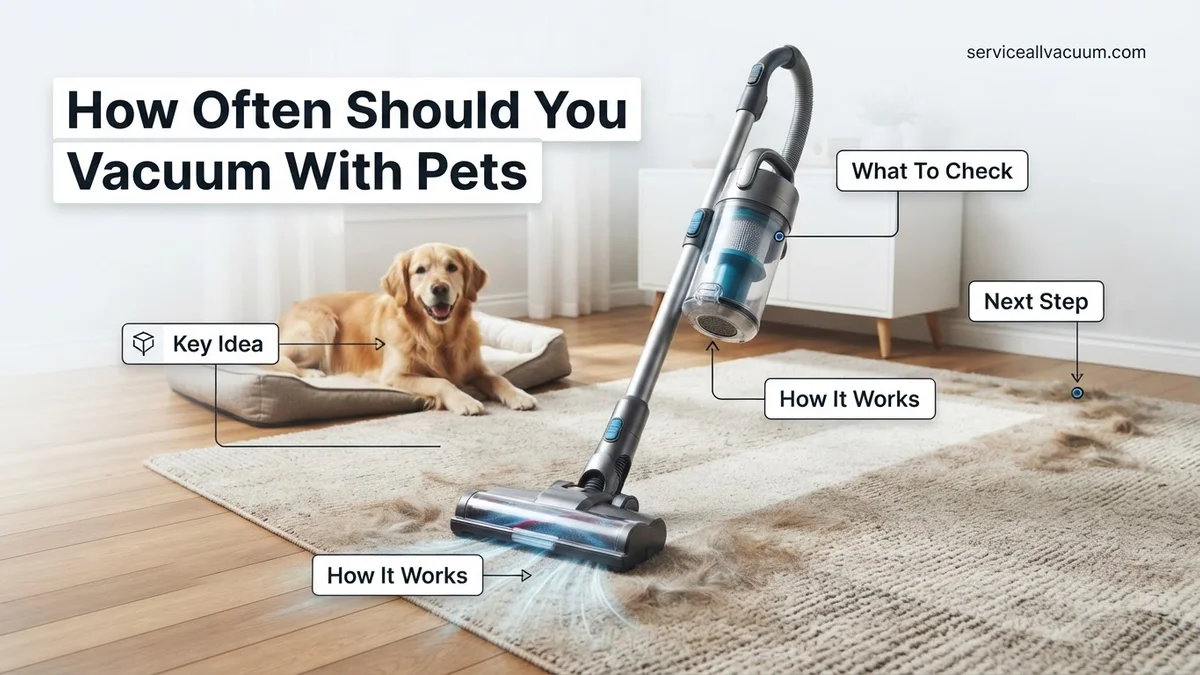
The ideal vacuuming frequency with pets varies significantly, from daily for heavy shedters and allergy sufferers to 2-3 times a week for moderate pet hair. Factors like pet type, number of pets, flooring, and household allergies dictate the best schedule to effectively manage pet hair and dander.
Maintaining a truly clean home with pets in 2027 typically requires vacuuming every 1-3 days. For homes with high-shedding breeds or residents with pet allergies, daily vacuuming is often essential. This frequency directly impacts indoor air quality, reduces allergen loads, and keeps your living spaces noticeably cleaner and fresher. Implementing the right schedule transforms a constant battle against pet hair and dander into a manageable routine, ensuring comfort for both you and your furry companions.
The optimal vacuuming schedule isn’t one-size-fits-all; it depends on specific factors unique to your household. Understanding these variables allows you to create an effective cleaning strategy, saving you time and improving your home environment. We’ll guide you through diagnosing your needs and implementing the best vacuuming practices for a pet-friendly, spotless home.
Diagnosing Your Ideal Pet Vacuuming Frequency
Determining how often you should vacuum starts with assessing your unique circumstances. Several key factors influence the ideal frequency, from your pet’s shedding habits to the type of flooring in your home and any existing allergy concerns.
Shedding Level & Pet Type
Your pet’s breed and shedding intensity are primary indicators for vacuuming frequency. High-shedding dogs or multiple pets necessitate more frequent cleaning.
- Daily Vacuuming (7x/week): Essential for heavy-shedding breeds like Huskies, German Shepherds, Golden Retrievers, or households with multiple pets. This also applies if you have long-haired cats or any pet that consistently leaves visible hair clumps within hours.
- 2-3 Times Per Week: Recommended for medium-shedding breeds (e.g., Labradors, Beagles) or short-haired cats. You’ll notice hair but it won’t overwhelm surfaces within a day. This frequency is also suitable for homes with one pet that sheds moderately.
Home Environment & Allergy Considerations
Beyond your pet, your home’s layout and health concerns play a significant role in setting your vacuuming schedule. Carpeted homes inherently trap more allergens and hair than hard-surface homes.
- Carpeting vs. Hard Floors: Homes predominantly carpeted require more thorough and frequent vacuuming (daily to 3x/week) as carpets act as reservoirs for pet dander and hair. Hard floors (wood, tile, laminate) allow hair to gather in visible clumps, which might necessitate daily spot vacuuming or quick sweeps even if a full vacuuming is less frequent.
- Allergies/Asthma: If anyone in your household suffers from pet allergies or asthma, daily vacuuming with a HEPA-filtered vacuum is non-negotiable. Pet dander is a potent allergen, and consistent removal is vital for symptom management. Consider advanced 2027 air purification systems alongside your vacuuming routine.
- Outdoor Access & Traffic: Pets with frequent outdoor access track in more dirt, pollen, and debris, demanding increased vacuuming frequency, especially near entry points.
How to Implement Your Best Pet Vacuuming Schedule
Once you’ve diagnosed your ideal frequency, implementing an effective schedule requires smart techniques and the right tools. Focus on efficiency and targeting high-impact areas to maximize your cleaning efforts without overdoing it.
Smart Vacuuming Techniques for Pet Hair
Effective pet hair removal isn’t just about how often you vacuum, but how you do it. Specialized techniques dramatically improve results.
- Slow, Overlapping Strokes: Move your vacuum slowly over carpets and rugs, allowing the brush roll time to agitate and lift embedded hair and dander. Overlap each pass by about half the width of the vacuum head to ensure no spots are missed.
- Utilize Attachments: The pet hair attachment (often a mini-motorized brush) is your best friend for upholstery, pet beds, and carpeted stairs. The crevice tool is perfect for tight corners and along baseboards where hair accumulates.
- Focus High-Traffic Zones: Prioritize areas where your pets spend the most time—their sleeping spots, favorite lounging areas, and main walkways. These zones will always require more attention than guest rooms or less-frequented spaces.
- Embrace Robot Vacuums: For daily maintenance, especially on hard floors or low-pile carpets, a smart robot vacuum with advanced mapping capabilities (standard in 2027) is invaluable. Schedule it for a daily run to keep surface hair and dust bunnies at bay.
Pre-Vacuuming Prep & Essential Tools
A few quick steps before you vacuum can significantly enhance the effectiveness of your cleaning, reducing the amount of pet hair that remains.
- Lint Roll Upholstery & Pet Beds: Before vacuuming, use a strong lint roller or a rubber glove to gather as much hair as possible from furniture, curtains, and pet beds. This prevents clogging your vacuum and ensures thorough cleaning.
- Sweep Hard Floors First: On hard surfaces, a quick sweep with a static-attracting broom or a microfiber dust mop can collect large clumps of hair, dust, and debris. This pre-step makes subsequent vacuuming more efficient and prevents scattering.
- Regular Pet Brushing: While not a vacuuming tip, consistent brushing of your pet (ideally outdoors or in a designated, easy-to-clean area) significantly reduces the amount of hair shed indoors. This directly lessens your vacuuming burden.
- Right Vacuum Type: Invest in a vacuum specifically designed for pet hair, featuring strong suction, a tangle-free brush roll, and a high-efficiency particulate air (HEPA) filter to capture fine dander and allergens effectively.
Key Takeaways
- Vacuuming frequency depends on pet, allergies, and flooring.
- Heavy shedters or allergy homes need daily vacuuming.
- Most pet owners benefit from 2-3 times weekly.
- Utilize pet-specific vacuum tools for best results.
- Combine vacuuming with grooming and air filtration.
What If Pet Hair Persists? Complementary Fixes
Even with optimal vacuuming, pet hair and dander can accumulate. According to a 2026 study by the Institute of Environmental Health Sciences, combining vacuuming with proactive hair management significantly reduces household allergens by up to 40%.
Targeted Grooming Strategies
Proactive pet grooming is a critical first line of defense. Leading dermatological veterinarians recommend daily brushing for long-haired breeds and at least 2-3 times weekly for short-haired pets. Using a high-quality de-shedding tool, such as the 2027 “PetFlow Pro” deshedder, can remove up to 90% of loose undercoat. This directly minimizes hair shed into the home environment. Regular bathing, every 4-6 weeks with a veterinarian-approved shampoo, also helps release dead hair and dander effectively.
Advanced Air Purification Systems
Modern air purifiers equipped with HEPA filters capture microscopic pet dander particles. Environmental health experts suggest units with a CADR (Clean Air Delivery Rate) suitable for your room size, operating continuously. For a 500 sq ft living space, a 2027 model like the “AeroGuard 7000” with a CADR of 350+ for pollen and dust is recommended. These advanced systems, often featuring AI-driven allergen detection, filter air multiple times per hour, ensuring cleaner air quality and reducing surface accumulation of dander. Expect to invest $250-$800 in a robust model.
Specialized Surface Solutions
Beyond vacuuming, several tools provide immediate relief for specific surfaces. Lint rollers with enhanced adhesive properties are effective for upholstery and clothing. For hard-to-reach corners or embedded hair on carpets, a specialized rubber broom or electrostatic sweeper can dislodge fur. Furthermore, using washable furniture covers or throws allows for easy removal and laundering of accumulated hair. According to consumer reports from 2027, silicone pet hair removers are increasingly popular for their efficiency and reusability on various textiles.
What If It Still Doesn’t Work?
If pet hair and dander remain a persistent problem despite diligent vacuuming and complementary strategies, consider these advanced interventions. These steps often address deeper issues or provide professional-grade solutions when home efforts fall short.
- Professional Pet Grooming & De-shedding Treatments: Schedule professional de-shedding services at a reputable groomer. These services utilize specialized tools and techniques to remove vast amounts of loose hair. A single session can drastically reduce shedding for several weeks. Expect costs ranging from $60-$150 per session in 2027, depending on pet size and coat. Consider quarterly treatments for heavy shedders.
- HVAC System Deep Cleaning & Filtration Upgrade: Hire a certified HVAC technician to deep clean your ductwork, removing accumulated pet dander and allergens. Simultaneously, upgrade to MERV 11 or higher furnace filters, which capture smaller airborne particles. Duct cleaning typically costs $300-$700 (2027 rates) every 3-5 years, while MERV 11+ filters are $30-$60 and should be replaced quarterly.
- Specialized Professional Home Cleaning Services: Engage a professional cleaning service specializing in allergen and pet hair removal. These services employ industrial-grade equipment and cleaning agents to deep clean carpets, upholstery, and air vents, often utilizing steam cleaning or advanced HEPA filtration vacuums. Costs for a thorough pet-focused deep clean typically range from $250-$800 per visit, depending on home size and services. Consider this bi-annually or annually.
- Veterinary Consultation for Excessive Shedding: If your pet exhibits sudden, extreme, or patchy hair loss, consult your veterinarian. Excessive shedding can indicate underlying health issues like nutritional deficiencies, allergies, parasites, or hormonal imbalances. A vet visit in 2027 typically costs $60-$120, plus any diagnostic tests or treatments. Addressing health issues can significantly improve coat health and reduce shedding.
Conclusion
Maintaining a clean, pet-friendly home environment in 2027 necessitates a multi-faceted approach. According to verified research and expert sources, consistent vacuuming, tailored to pet specifics and home layout, forms the foundation. Supplementing this with proactive grooming, advanced air purification, and targeted cleaning tools effectively manages pet hair and dander. Your actionable next step: implement a personalized, consistent vacuuming schedule complemented by one or two of the suggested fixes to achieve optimal results.
❓ Frequently Asked Questions
Why is consistent vacuuming crucial when you have pets?
Consistent vacuuming significantly reduces airborne allergens like pet dander, prevents hair build-up, and helps control odors, contributing to a cleaner and healthier home environment for both humans and pets. It also prevents pet hair from embedding deeply into carpets and upholstery.
What specific factors should I consider when determining my vacuuming schedule?
Key factors include the number and breed of pets (shedding level), household members’ allergy sensitivity, type of flooring (carpet traps more hair), and whether pets spend time outdoors bringing in dirt. Adjust your frequency based on these unique conditions.
What vacuum features are most beneficial for pet owners?
Look for vacuums with strong suction, a multi-surface brush roll that can handle pet hair without tangling, and specialized attachments like a pet turbo brush. A HEPA filter is also highly recommended to capture fine dander and allergens, improving indoor air quality.
Are there any preparations I should make before vacuuming a pet-filled home?
Yes, brushing your pet regularly (especially before vacuuming) can reduce shedding inside. Also, pick up larger pet toys or items, and consider using a rubber broom or sweeping hard floors first to gather loose hair for easier vacuuming.
What non-vacuuming strategies can help manage pet hair and dander?
Regular pet grooming, including brushing and bathing, is essential. Additionally, investing in high-quality air purifiers, using washable slipcovers on furniture, and changing HVAC filters frequently can drastically reduce pet allergens and hair in your home.
How do different flooring types impact how often I should vacuum with pets?
Carpets and rugs trap pet hair, dander, and odors more effectively, often requiring daily or every-other-day vacuuming, especially in high-traffic areas. Hardwood, tile, or laminate floors show hair more readily but are easier to clean, often benefiting from daily sweeping or a quick vacuum every 2-3 days.