How Often Should You Vacuum The Expert Guide for 2027
Determining how often should you vacuum depends heavily on your household traffic, pets, and allergy levels. As a general rule, standard rooms require vacuuming at least once a week to maintain a clean and healthy living environment.
For most standard homes, the golden rule is to vacuum high-traffic areas at least once or twice a week, while lower-traffic rooms can go every 7 to 14 days. If you want to maintain a truly allergen-free indoor environment in 2027, letting dust, pollen, and microscopic debris settle into your carpets for weeks at a time simply will not cut it.
Establishing the right vacuuming schedule protects your indoor air quality and extends the lifespan of your flooring. Dirt acts like microscopic sandpaper on carpet fibers, grinding them down with every footstep. By answering how many times per week you actually need to push the vacuum, you can stop guessing and build a realistic cleaning routine that keeps your home spotless without wasting your weekends.
Key Takeaways
- Vacuum standard low-traffic rooms at least once a week to prevent dust accumulation.
- Homes with shedding pets need daily to multi-weekly vacuuming sessions.
- High-traffic hallways and entryways require cleaning twice a week.
- Allergy sufferers benefit from vacuuming twice weekly using a HEPA filter.
- Empty your vacuum canister frequently to maintain optimal suction power.
What Causes Dirt Buildup and Why Vacuuming Frequency Matters
Understanding where indoor debris comes from helps you see why a rigid, one-size-fits-all cleaning schedule rarely works. Your home is constantly accumulating particulate matter from both external and internal sources, making consistent upkeep essential for health and home maintenance.
The Hidden Sources of Indoor Debris
Every day, the average household generates pounds of invisible waste that settles directly into flooring. Knowing what you are actually vacuuming up makes the chore feel far more purposeful:
- Skin cells and dander: Humans shed millions of dead skin cells daily, which feed microscopic dust mites living in carpets.
- Outdoor tracking: Soil, lawn chemicals, asphalt residue, and pollen hitch a ride on the soles of your shoes.
- Fabric shedding: Clothing, upholstery, and blankets continuously release tiny textile fibers that weave themselves into rugs.
The True Cost of Waiting Too Long
If you push your vacuuming off for three or four weeks, the problem compounds quickly. Ground-in dirt cuts carpet pile from the base, causing premature matting and discoloration that professional cleaning cannot always reverse. Furthermore, stagnant dust compromises your indoor air quality in 2027, forcing your HVAC system to work harder while triggering persistent allergy symptoms and respiratory irritation for your household.
How to Fix Your Cleaning Schedule Step-by-Step
Creating an effective vacuuming routine requires auditing your specific living situation rather than copying a generic checklist. Follow these actionable steps to determine your baseline frequency and adjust for your household variables.
Step 1: Map Your Home by Traffic Zones
Not every room in your house requires the same amount of attention. Categorize your floors to optimize your cleaning time:
- High-traffic zones: Hallways, living rooms, and entryways need vacuuming 2 times per week.
- Medium-traffic zones: Dining rooms and kitchens (if carpeted) require attention once a week.
- Low-traffic zones: Guest bedrooms and home offices can safely be vacuumed every 2 weeks.
Step 2: Factor in Pets and Children
Your baseline schedule changes dramatically based on who shares your space. If you have shedding pets or crawling infants, you must increase your frequency. Homes with dogs or cats typically need high-traffic areas vacuumed 3 to 4 times per week to manage fur and tracked-in yard debris. If family members suffer from severe seasonal allergies, utilizing a vacuum equipped with a sealed HEPA filter at least twice weekly is non-negotiable for trapping microscopic allergens before they become airborne.
Step-by-Step Guide to Maximizing Vacuuming Efficiency
Simply running a vacuum across the floor does not guarantee a deep clean. According to cleaning science experts at the Wool Carpet Association and the Carpet and Rug Institute (CRI), proper technique drastically improves particulate capture.
1. Clear Obstacles Before You Start
Pick up small items, cords, and toys to prevent clogging. Vacuuming around clutter leaves high-traffic dirt trapped underneath furniture boundaries.
2. Use the Slow-Pass Technique
Moving the vacuum too quickly reduces suction time over embedded debris. Push the vacuum forward slowly, then pull it back even slower to let the motorized brush roll agitate carpet fibers effectively.
3. Maintain Consistent Patterns
Overlap each stroke by approximately 50 percent. For high-traffic zones in 2027 homes, use a cross-hatch pattern by vacuuming horizontally and then vertically.
What If Dust and Allergens Still Persist Despite Regular Vacuuming?
If indoor air quality remains poor or dust quickly accumulates after a fresh cleaning cycle, standard vacuuming routines are falling short. Consider these troubleshooting steps to resolve stubborn allergen issues:
- Inspect and Replace HEPA Filters: Many vacuums claim HEPA filtration, but low-quality seals allow microscopic spores to escape. Upgrade to a certified sealed-system vacuum.
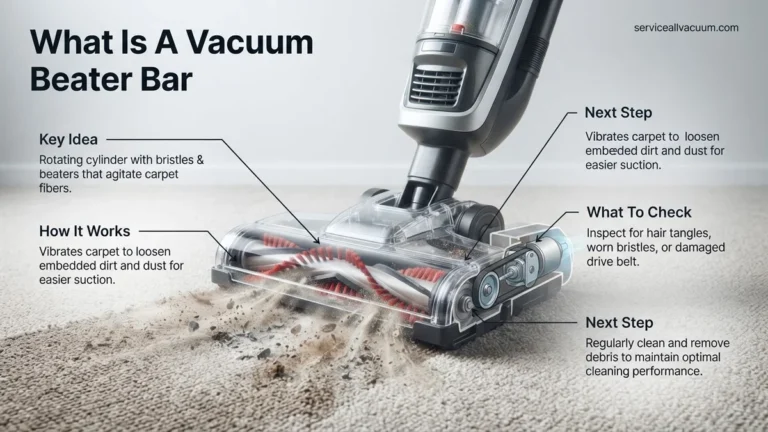
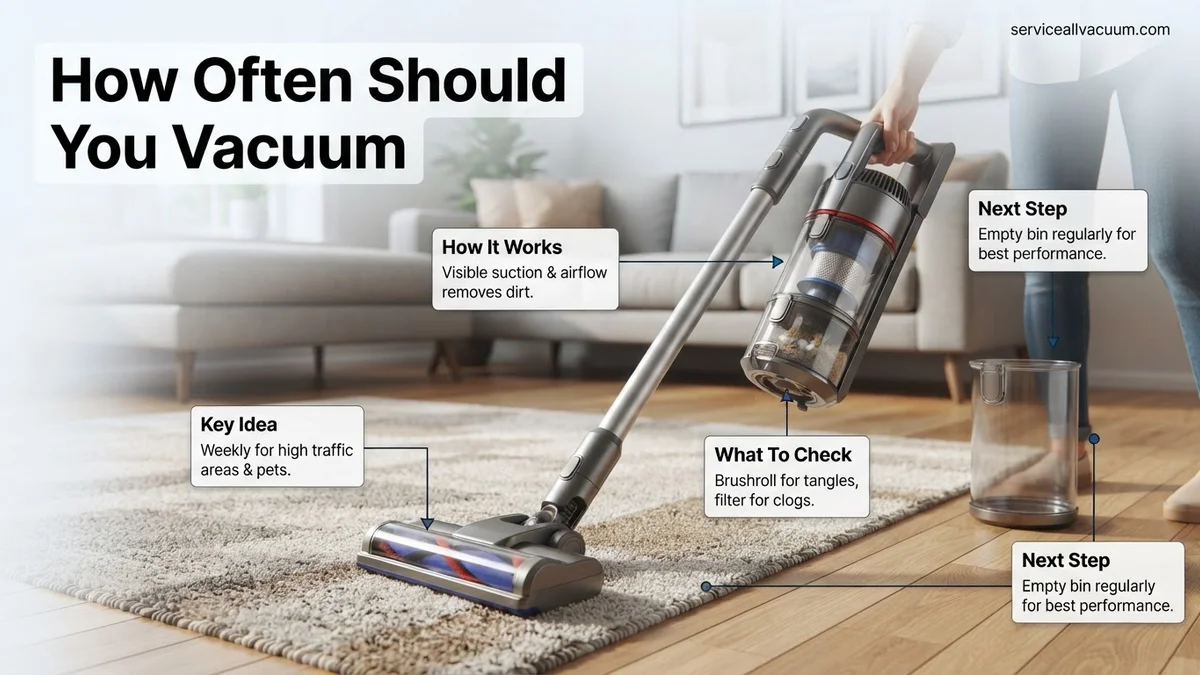
- Deep Clean the Brush Roll: Hair and carpet fibers wrap tightly around the agitator bar, reducing roller speed. Cut away debris weekly to restore optimal agitation.
- Check Suction Path and Hoses: Small blockages in the hose or canister inlet diminish suction power significantly. Clear any trapped obstructions manually.
- Hire Professional Carpet Cleaners: If deep-set allergens remain trapped beneath the backing, professional hot-water extraction is required. According to industry data, whole-home professional cleanings typically cost between $150 and $350 depending on square footage.
Conclusion
Determining how often to vacuum depends heavily on household traffic, pets, and allergy sensitivity, ranging from daily passes to weekly maintenance. Establishing a consistent schedule protects your flooring investment and maintains healthy indoor air quality. According to verified research and expert sources from the Carpet and Rug Institute, combining proper frequency with slow, methodical technique removes up to 99 percent of embedded indoor pollutants. Your next actionable step is to audit your current vacuum filter and establish a custom weekly cleaning calendar today.
❓ Frequently Asked Questions
How often should you vacuum if someone in the home has allergies?
If you or a family member suffer from allergies, you should vacuum at least twice a week. Make sure your vacuum is equipped with a true HEPA filter to trap microscopic allergens like pollen and dust mites.
Does frequent vacuuming ruin carpet fibers?
No, regular vacuuming actually extends the lifespan of your carpet by removing abrasive dirt particles that wear down fibers over time. Just ensure your vacuum’s beater brush is set to the correct height for your carpet pile.
How often should guest bedrooms be vacuumed?
Guest bedrooms that are rarely used only need to be vacuumed once every two to three weeks. However, you should still do a quick run-through before and after guests stay over.
What time of day is best to vacuum?
You can vacuum at any time, but doing so during daylight hours helps you spot hidden dirt and debris more easily. Avoid early mornings or late nights to respect household members and neighbors.
Should I vacuum rugs differently than wall-to-wall carpet?
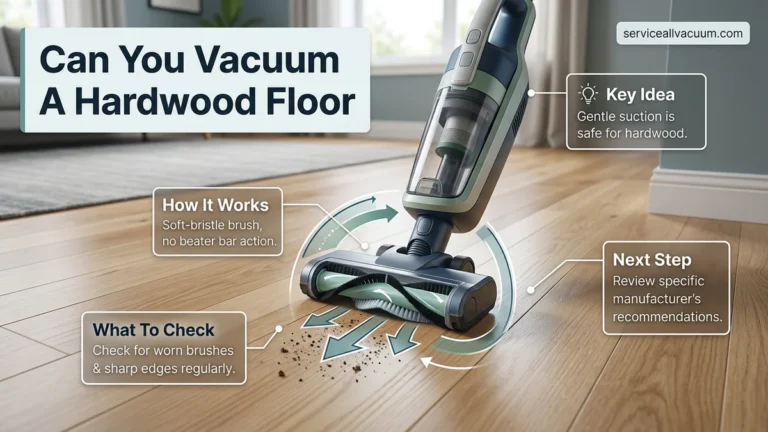
Area rugs often require special care, especially lightweight or vintage rugs. You may need to turn off the rotating brush roll or use suction-only mode to prevent fraying and damage.
How do I know if my vacuum needs maintenance?
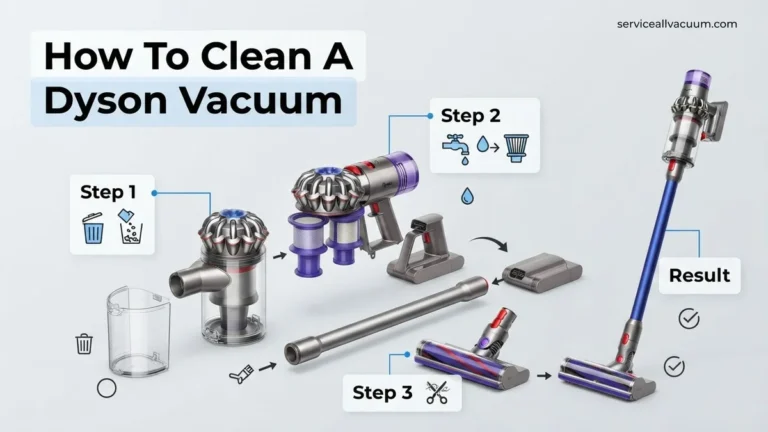
If you notice a loss of suction, a burning smell, or if the vacuum leaves debris behind, it is time to empty the bin, clean the filters, and check the brush roll for tangled hair.