Does Vacuuming Kill Spiders? Real Expert Guide for 2026
Yes, vacuuming generally kills spiders due to the intense physical trauma of rushing through the hose, but some can survive and crawl back out. The exact outcome depends on your vacuum’s suction power, the type of machine you use, and whether you empty the canister immediately.
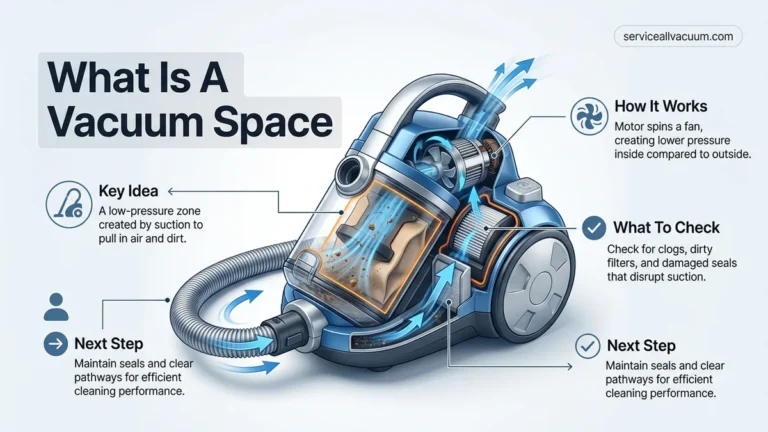
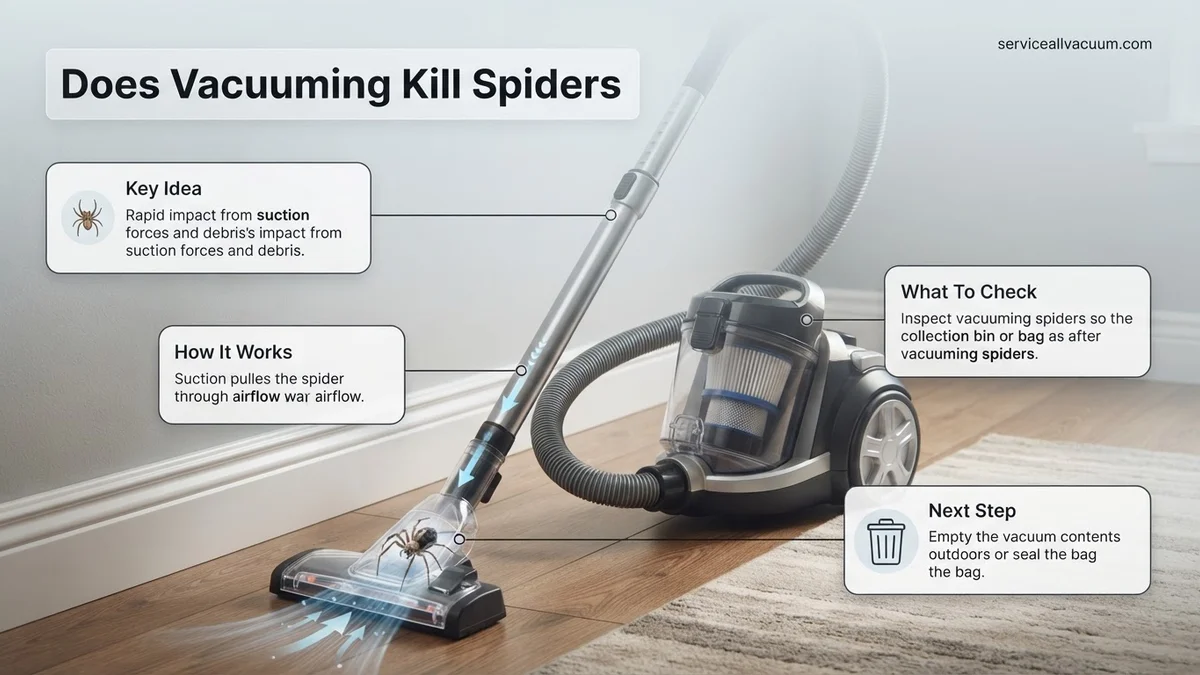
Yes, vacuuming generally kills spiders, but survival depends entirely on the type of vacuum you use and the physical trauma they experience during the suction process. When you suck a spider into a modern 2026 vacuum cleaner, it travels through a high-velocity airflow system, slamming into plastic components, the inner walls of the hose, and the collection chamber at speeds exceeding 50 miles per hour.
This violent journey often results in fatal blunt-force trauma or internal damage. However, assuming every spider dies inside your vacuum is a risky mistake. Depending on whether you use a bagged or bagless model, certain hardy spiders can and do survive the trip, crawling right back out of the nozzle or escaping the collection bin once you turn the machine off.
Key Takeaways
- Vacuuming usually kills spiders instantly from intense physical trauma and impact.
- Bagless vacuums allow surviving spiders a chance to escape the plastic bin.
- Empty your vacuum canister or bag immediately outside after sucking up a spider.
- Seal the vacuum hose using a nozzle cap to trap any survivors inside.
- Heavy-duty vacuums are significantly more effective at killing pests than weak hand-vacs.
What Causes Spiders to Survive or Die Inside a Vacuum
The Mechanics of Suction Trauma
Most spiders do not survive the initial trip through a vacuum cleaner. The primary cause of death is not suffocation, but rather the extreme physical impact against the internal machinery. As the spider accelerates through the narrow hose, it collides with ridges, sharp turns, and the fan blades in upright models. This impact typically shatters their delicate exoskeletons or causes fatal internal injuries long before they reach the dustbin.
Bagged Versus Bagless Survival Rates
Your choice of vacuum design plays a massive role in whether the spider actually dies or just gets relocated:
- Bagged vacuums: Spiders that survive the initial suction enter a dark, cramped, debris-filled paper bag. They are usually buried under layers of dust, hair, and dirt, making escape nearly impossible.
- Bagless vacuums: These models feature hard plastic canisters. A surviving spider can easily crawl up the smooth plastic walls or hide in the cyclone mechanism, waiting for a chance to escape when you open the bin.
- HEPA filtration: Modern 2026 models with tightly sealed multi-stage filtration trap smaller pests, but larger house spiders can easily bypass loose bin seals if the canister is left unemptied.
How to Fix Spider Escape Risks Using Step-by-Step Vacuuming
Pre-Vacuuming Preparations
To eliminate the risk of spiders crawling back out of your equipment, you need a proactive strategy. Preparation stops pests from escaping the moment you finish cleaning your baseboards or corners.
- Inspect your vacuum hose attachments for cracks or loose fittings where small spiders might wedge themselves.
- Prepare a disposal plan before you start, especially if you are using a bagless canister model.
- Keep a roll of packing tape or a plastic bag handy to seal the hose immediately after you finish.
Post-Vacuuming Containment Steps
What you do immediately after vacuuming determines whether your pest problem is truly solved. Leaving a live spider inside your vacuum canister invites an infestation right back into your living space.
- Empty bagless bins outside: Never empty your clear plastic canister inside your kitchen trash can. Walk outside to your outdoor bin to dump the contents immediately.
- Seal disposable bags: If you use a bagged vacuum, remove the bag outdoors, seal the opening securely with tape, and place it in an outside waste receptacle.
- Suck up a barrier: Vacuuming a small amount of diatomaceous earth or cornstarch can help dehydrate and kill any surviving insects trapped inside the collection chamber.
What If Spiders Keep Escaping Your Vacuum Bag or Canister
Sometimes, vacuuming an arachnid does not solve the issue entirely. Certain agile species, particularly wolf spiders or fast-moving cellar spiders, can survive the initial suction and crawl back out of the exhaust or canister. According to entomology experts, standard household vacuums lack the internal blade mechanisms found in industrial systems, meaning pests enter the collection chamber alive.
Handling Bagless Canisters
Bagless vacuum models present a higher risk of survivors escaping back into living spaces. To mitigate this vulnerability, pest control technicians recommend the following protocol:
- Empty the dust canister immediately after sucking up the target pest.
- Carry the detachable container directly to an outside trash receptacle.
- Seal the canister contents inside a plastic trash bag before securing the lid.
- Wipe the interior rubber seals with a commercial disinfectant wipe to remove residual webbing.
Securing Vacuum Bags
If using a bagged upright vacuum, the threat level decreases significantly due to the dark, confined space. However, prolific breeders like the common house spider can lay egg sacs inside the porous fabric. Manufacturers advise changing vacuum bags every 30 to 60 days, or immediately following the removal of a large infestation, to prevent hatched spiderlings from emerging.
Best Practices to Prevent Spiders from Returning After Vacuuming
Eliminating individual arachnids via suction provides only temporary relief. Long-term management requires altering the indoor environment to discourage new pests from taking up residence. Pest control guidelines for 2026 emphasize integrated pest management strategies that focus on exclusion and habitat reduction.
Seal Entry Points
Arachnids enter homes through microscopic gaps in structural boundaries. Homeowners should execute these preventative measures:
- Inspect window frames and door sweeps for gaps exceeding 1/4 inch, sealing them with exterior-grade silicone caulk.
- Repair torn window screens immediately using standard patch kits or professional replacement mesh.
- Install fine mesh vent covers over crawl space openings and attic louvers.
Eliminate Food Sources and Habitats
Spiders follow their prey. Reducing indoor humidity and clutter starves out the insects that spiders hunt. Keep firewood stored at least 20 feet away from the home foundation, and clear tall grass or dense vegetation from exterior walls to minimize outdoor nesting zones.
What If It Still Doesn’t Work?
Persistent infestations indicate a deeper structural problem that routine vacuuming cannot resolve. When household measures fail, property owners should consider alternative strategies:
- Apply targeted residual insecticides containing pyrethroids along baseboards and entry thresholds.
- Deploy professional-grade sticky traps in dark corners, basements, and utility closets to monitor population density.
- Hire a licensed pest control operator for comprehensive barrier treatments, with professional extermination services typically ranging from $150 to $350 per treatment depending on home square footage.
Conclusion
Vacuuming offers a quick, mechanical method for removing unwanted arachnids, but success depends on proper disposal techniques to prevent escapes. According to verified research and pest management experts, combining aggressive vacuuming with thorough structural sealing yields the most effective long-term results for a pest-free home. For optimal safety and cleanliness in 2026, empty your vacuum bag or outdoor canister immediately after every spider-removal session.
❓ Frequently Asked Questions
Does vacuuming kill spiders instantly?
In most cases, yes. The high-speed travel through the hose, combined with impact against the internal components, causes fatal trauma to the spider before it ever reaches the bag or canister.
Can black widows or brown recluses survive being vacuumed?
While dangerous spiders might survive the initial suction due to their resilient bodies, the physical impact against the vacuum mechanism usually injures or kills them. However, you should still treat the vacuuming of venomous spiders with extreme caution.
What should I do immediately after vacuuming up a spider?
You should take your vacuum outside immediately, empty the canister or remove the disposable bag, and seal it inside a plastic trash bag before tossing it into an outdoor bin.
Do small hand-vacuums kill spiders effectively?
Small hand-vacuums often have lower suction power and shorter hoses, which means spiders are more likely to survive the trip and crawl back out of the nozzle.
How can I prevent spiders from crawling out of the vacuum hose?
After finishing, you can suck up a small amount of cornstarch or baking soda, followed by a cotton ball soaked in peppermint essential oil, which creates a barrier and deters pests.
Is vacuuming better than using a traditional fly swatter or shoe?
Vacuuming is often preferred because it allows you to remove pests from a safe distance without getting close or leaving a mess on your walls and floors.