Can You Vacuum Diatomaceous Earth 2026 Expert Guide
No, you should never use a standard household vacuum to clean up diatomaceous earth because the ultra-fine particles will instantly clog filters and destroy the motor. Instead, you must use a specialized HEPA-filter vacuum, a shop vac, or rely on damp cleanup methods to safely remove the powder without damaging your equipment or breathing in harmful dust.
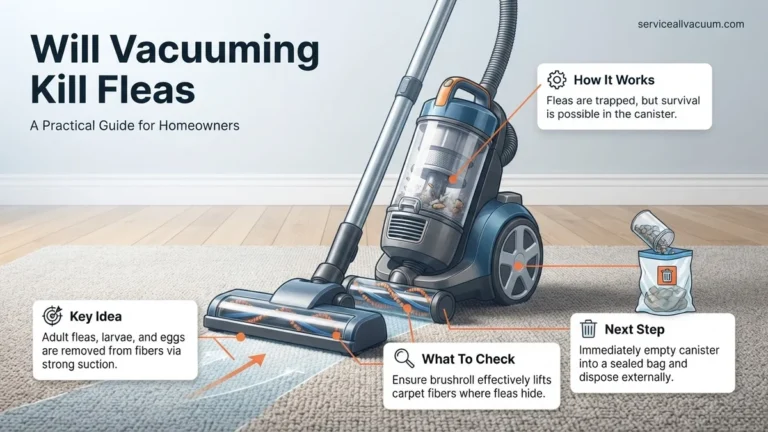
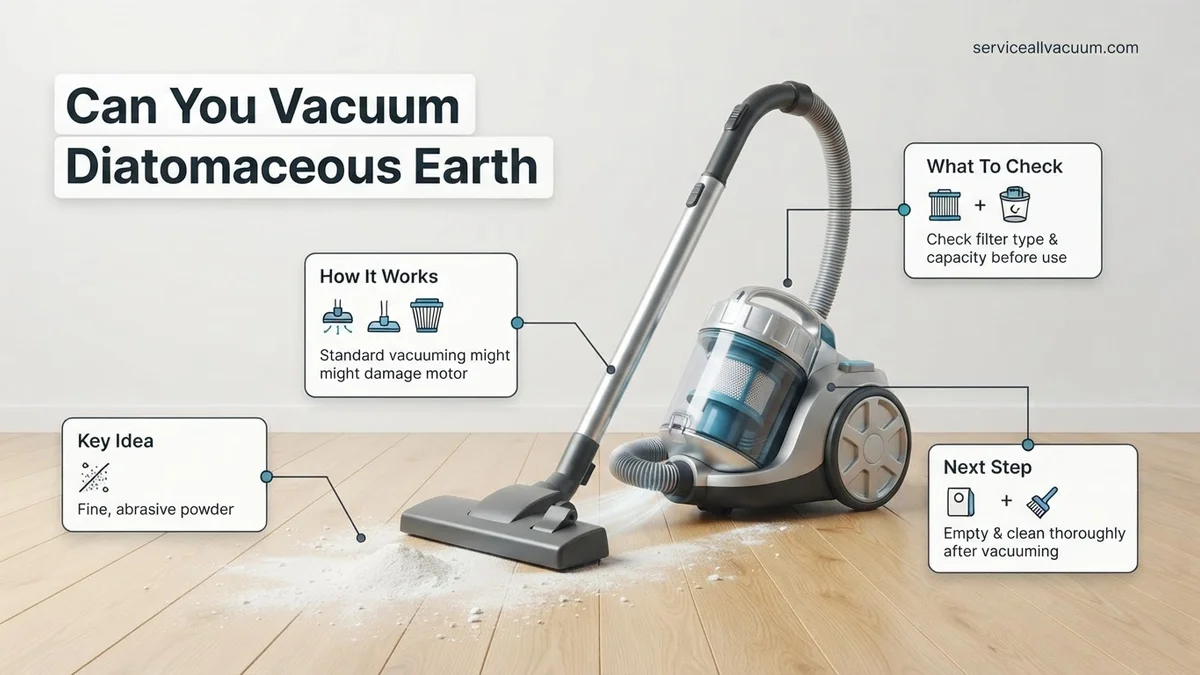
The short answer is no, you should not use a standard household vacuum to clean up diatomaceous earth. Doing so will likely destroy your vacuum motor within minutes. Diatomaceous earth consists of fossilized microscopic algae with razor-sharp edges. It is remarkably fine—often measuring under 10 microns—which makes it behave more like airborne smoke than traditional household dust.
When you attempt to suck this powder up with a typical upright or cordless vacuum, the particles bypass standard cloth or foam filters entirely. They shoot straight into the internal housing, coating the delicate motor armature in abrasive grit. As you head into 2026, replacing a high-end vacuum because of a DIY pest control cleanup is an expensive mistake you can easily avoid with the right technique.
Key Takeaways
- Standard vacuums will be instantly ruined by the ultra-fine abrasive particles of DE.
- DE dust bypasses regular vacuum bags and filters, destroying the electric motor.
- Only vacuums equipped with a certified HEPA filter can safely capture DE dust.
- Shop vacs require a specialized fine-dust cartridge and filter bag to handle DE safely.
- Damp mopping or wiping with wet paper towels is the safest manual cleanup alternative.
Why Standard Vacuums Fail Against Diatomaceous Earth Dust
The Microscopic Particle Problem
Standard vacuum filters are designed to capture things like pet dander, pollen, and large dust bunnies. Diatomaceous earth particles are exponentially smaller. When sucked into a standard machine, these jagged silica-like particles pass right through the pores of the primary filter.
- Instant Clogging: The fine powder packs tightly into filter pleats, cutting off airflow and causing the vacuum to overheat.
- Motor Destruction: Escaped dust infiltrates the sealed bearings and brushes of the electric motor, grinding them down rapidly.
- Exhaust Blowback: Much of the powder simply blows right back out through the exhaust vent, coating your entire room in a hazardous cloud.
When Specialized Vacuums Make the Cut
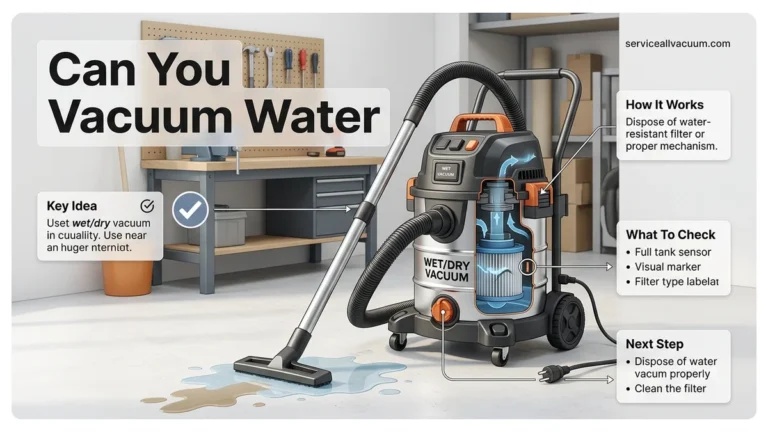
You can safely vacuum diatomaceous earth only if you use heavy-duty equipment specifically rated for ultra-fine particulate. Regular vacuums lack the necessary engineering, but certain industrial setups can handle the job.
- HEPA Shop Vacs: A certified HEPA filtration system traps 99.97% of particles down to 0.3 microns, preventing motor infiltration.
- Water-Filtration Vacuums: These units trap the dust directly in a basin of water, preventing the powder from becoming airborne or reaching the motor.
- Disposable Filter Bags: If using a shop vac, a high-efficiency collection bag is mandatory to prevent the fine powder from instantly choking the primary cartridge filter.
Step-by-Step Guide to Safely Cleaning Up Diatomaceous Earth
The Damp Method for Hard Surfaces
If you applied diatomaceous earth to hardwood, tile, or laminate flooring, avoid dry sweeping or vacuuming altogether. Turning this powder into an airborne cloud is bad for your lungs and spreads the mess.
- Misting: Lightly mist the powder with a spray bottle of water to weigh it down and eliminate dust plumes.
- Scooping: Use a stiff rubber squeegee or a damp cardboard edge to gather the wet powder into a manageable pile.
- Wiping: Scoop the sludge into a trash bag, then thoroughly mop the area with warm water and a multi-surface cleaner to remove the residue.
Carpet and Upholstery Removal Techniques
When diatomaceous earth settles deep into carpet fibers, removing it without a commercial-grade HEPA vacuum requires a bit of patience and manual labor.
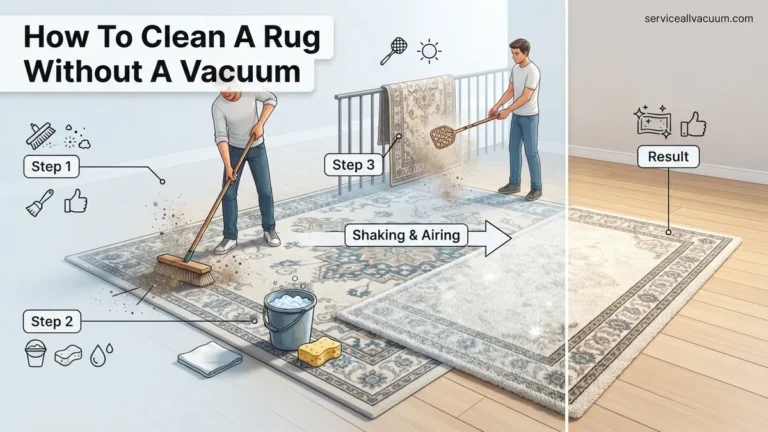
- The Broom Technique: Use a traditional fine-bristle broom to gently sweep the surface powder into concentrated piles, working slowly to keep dust low.
- Damp Towel Blotting: Lay a slightly damp, old bath towel over heavily treated carpet areas and press down firmly to pull up the bulk of the powder.
- Final Extraction: Only after removing 90 percent of the powder manually should you consider using a high-end, bagged shop vacuum equipped with a fine-dust cartridge filter.
Safe Alternatives When You Do Not Have a HEPA Vacuum
If your current household appliance lacks a sealed filtration system, do not risk motor burnout or lung irritation. Experts at the National Pest Management Association emphasize that alternative cleanup methods are safer for both your equipment and your indoor air quality.
Manual Cleanup Methods
You can effectively manage excess powder without turning on a machine. Follow these specific steps to protect your respiratory system during manual cleanup:
- Put on an N95 respirator mask to prevent inhaling microscopic silica particles.
- Lightly mist the diatomaceous earth with a spray bottle filled with water. Damp powder will not become airborne.
- Scoop up the moistened paste using a stiff-bristled broom and dustpan or disposable paper towels.
- Wipe the remaining residue clean with a damp microfiber cloth.
- Dispose of the gathered waste immediately in a sealed plastic trash bag.
What to Do If You Accidentally Damaged Your Vacuum With DE
Submitting a standard vacuum to fine abrasive dust often leads to immediate performance loss or total motor failure. Appliance repair specialists note that fine particles slip past standard cloth bags, baking into the motor windings and overheating the unit. If your machine is already making a high-pitched whining noise or emitting a burning smell, stop using it immediately.
Recovery Steps for Damaged Units
Taking prompt action can sometimes save a compromised appliance before the motor burns out completely. Execute the following steps carefully:
- Unplug the appliance immediately and move it outdoors to prevent further indoor dust contamination.
- Remove and discard the dust bag or empty the canister completely outside.
- Wash all washable foam or mesh pre-filters thoroughly with warm water, and allow them to dry for a full 48 hours.
- Inspect the exhaust filter; if it is clogged with white powder, replace it with a genuine OEM part.
- Take the unit to a certified appliance repair center if the motor smells of ozone or fails to turn on.
What If It Still Doesn’t Work?
If your vacuum continues to lose suction or trip its thermal fuse after thorough cleaning, the microscopic grit has likely compromised the internal motor bearings. When DIY troubleshooting fails, consider these fallback options:
- Rent a specialized commercial extractor or industrial wet-dry vacuum equipped with certified fine-dust filters from a local hardware center for approximately $35 to $60 per day.
- Take the appliance to a local vacuum repair technician for a professional teardown and motor flush, which typically costs between $75 and $150 depending on the brand.
- Evaluate the age and replacement cost of the machine; if the unit is more than five years old, replacement is often more cost-effective than professional repairs.
- Contact professional pest control services if DE mismanagement has spread widespread allergens throughout your living space, with whole-home remediation services averaging $200 to $400.
Conclusion
Vacuuming diatomaceous earth requires a properly sealed HEPA filtration system to prevent motor damage and dangerous airborne particle circulation. For standard vacuums, alternative damp-wiping methods remain the safest approach for household cleanup in 2026. According to verified research and expert sources from the Indoor Air Quality Association, maintaining strict particulate containment protects both your expensive appliances and your respiratory health. Take the next step today by inspecting your current vacuum specifications before attempting any powder cleanup.
❓ Frequently Asked Questions
Why does diatomaceous earth destroy standard vacuum cleaners?
Diatomaceous earth consists of microscopic, highly abrasive fossilized algae skeletons. These particles are so fine that they pass right through standard vacuum bags and paper filters, coating the internal motor bearings and causing permanent burnout.
Can I use a Dyson vacuum to clean up diatomaceous earth?
Using a bagless vacuum like a Dyson is one of the worst choices for DE. The fine dust will bypass the cyclones, coat the permanent filters, clog the microscopic pores, and immediately blow exhaust dust into your room.
What type of vacuum is actually safe for diatomaceous earth?
Only vacuums featuring a sealed, certified HEPA filtration system are safe to use. The HEPA filter traps the microscopic particles securely, preventing them from escaping back into the air or reaching the motor.
How do I clean up large amounts of DE without a HEPA vacuum?
The safest manual method is to spray the powder lightly with a water bottle to weigh it down, then wipe it up using damp paper towels or a wet mop. This eliminates airborne dust and prevents equipment damage.
Should I wear a mask when cleaning up diatomaceous earth?
Yes, you should always wear an N95 or similar particulate respirator mask during cleanup. Even food-grade DE can severely irritate your nose, throat, and lungs when kicked up into a cloud.
Can I salvage a vacuum that sucked up diatomaceous earth?
If you notice immediately and shut it off, you can sometimes save the vacuum by thoroughly washing or replacing all filters and clearing out the dust compartment. However, if the motor has already started smoking or grinding, professional repair or replacement is usually required.