Why Is My Vacuum Spitting Stuff Back Out? Fix Guide 2026
When your appliance blows debris instead of sucking it up, clogged hoses, full bags, or tangled brush rolls are usually to blame. Addressing these blockage points restores proper airflow and suction immediately. Quick troubleshooting can save you from buying a replacement unit.
When your vacuum starts spitting dirt and debris back onto your freshly cleaned floors, it is usually caused by a severe blockage in the airflow path, an overstuffed dirt compartment, or a tangled brush roll that refuses to spin. Instead of pulling suction through the intake port, air is forced backward, carrying the mess right back out into your room.
Fixing this frustrating issue quickly is essential to prevent your vacuum motor from overheating and burning out. Whether you are dealing with a standard upright model or a modern cordless stick vacuum in 2026, the troubleshooting process relies on locating where the airflow is restricted and restoring a clear path to the collection bin.
Key Takeaways
- Check the hose and intake ports first for hidden blockages.
- Empty full dirt cups or bags to restore proper airflow.
- Clear tangled hair and debris from the spinning brush roll.
- Wash or replace clogged foam and HEPA filters regularly.
- Adjust the floor height setting to match your carpet thickness.
What Causes Your Vacuum to Spit Debris Back Out
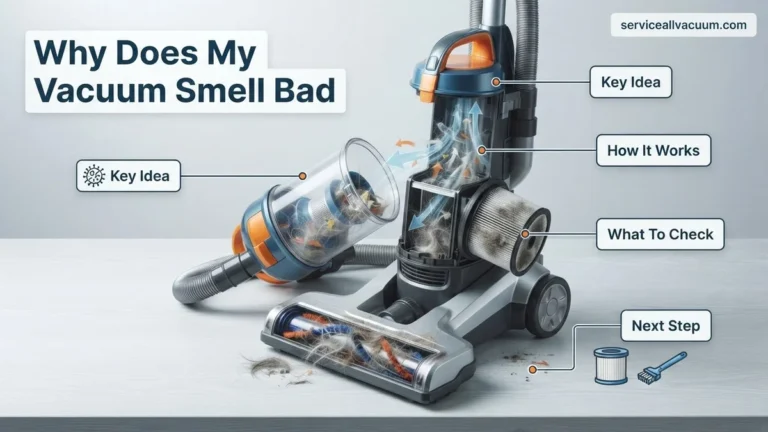
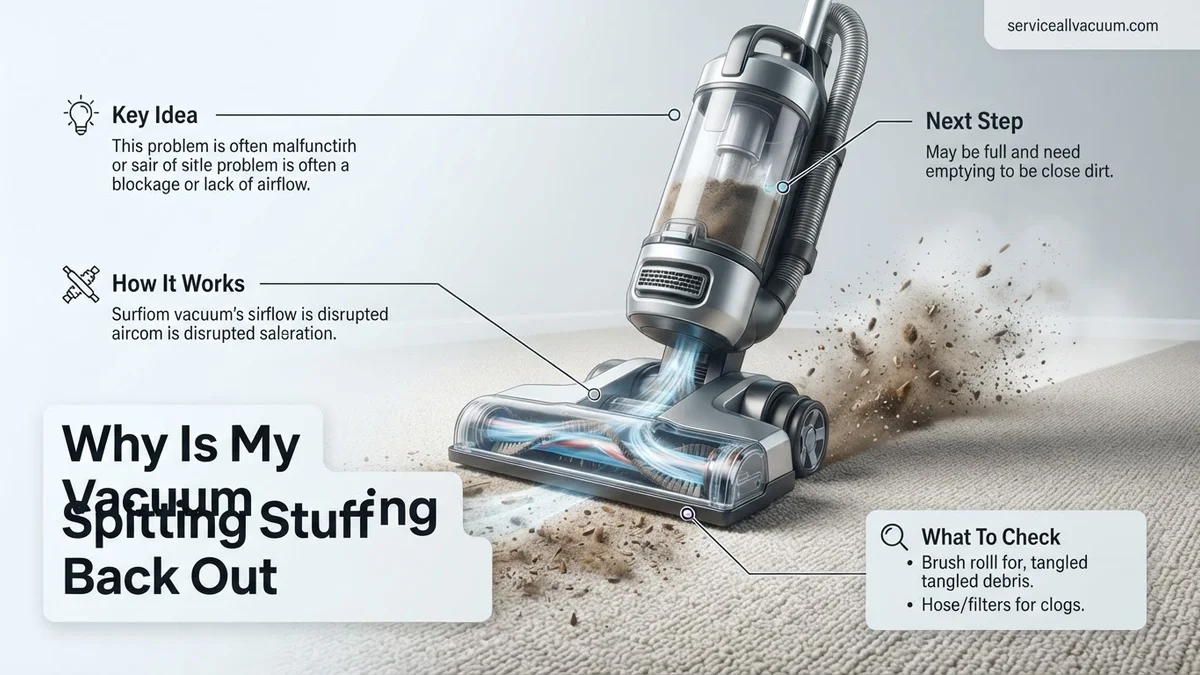
Understanding the root cause of backward airflow saves you from wasting time on the wrong parts of your machine. When suction cannot travel forward into the bag or canister, the pressure has to escape somewhere, which usually means blowing dust out of the intake or spinning it out of a jammed floor nozzle.
The Airflow Obstruction Culprit
- Complete blockages: Large objects like coins, hair ties, or clumps of pet hair get wedged tight, creating a dam that traps incoming dirt.
- Sealed filtration: Extremely dirty or wet filters restrict air movement so severely that the vacuum essentially breathes backward.
- Overloaded receptacles: When a bag or dirt cup reaches 100 percent capacity, incoming debris has nowhere to go and bounces off the pile.
Mechanical and Component Failures
- Brush roll stalls: If tangled carpet fibers stop the roller brush from turning, debris accumulates at the base instead of being swept upward.
- Cracked hoses: Tears or holes in flexible vacuum hoses let suction escape before it reaches the floor head, reducing velocity.
- Damaged seals: Worn rubber gaskets around the dust bin let air leak out, ruining the internal vacuum pressure needed for proper pickup.
How to Fix Clogs in the Hose and Intake Port
The hose and the intake port are the most common hiding spots for stubborn clogs that cause back-spitting. Turn off and unplug your vacuum completely before you start probing around for trapped debris.
Clearing the Flexible Hose
- The broom handle trick: Gently push a long, blunt tool like a broom handle through the disconnected hose to push out compacted pet hair balls.
- Water flushing: If the hose is completely plastic and free of electrical wiring, rinse it out with warm water and let it dry completely for 24 hours before reattaching.
Disconnect both ends of the flexible hose from the vacuum body and the wand attachment. Look straight through the tube in a well-lit area to spot hidden blockages.
Unclogging the Intake Port
- Finger sweep: Carefully feel inside the intake opening for lodged objects like plastic wrappers or large toys that easily get stuck in tight 90-degree bends.
- Use pliers: Grab compacted clumps of dust and hair with a pair of needle-nose pliers to pull them out without pushing them further into the system.
Flip your vacuum over to inspect the intake port underneath the machine, which connects the floor nozzle to the main body.
Step-by-Step Guide to Cleaning Filters and Brush Rolls
According to appliance maintenance experts, neglecting your vacuum’s filtration and agitation systems is the leading cause of debris expulsion. Restoring optimal airflow requires a systematic cleaning approach. Follow these precise procedural steps to thoroughly service your machine.
Cleaning and Drying Filters
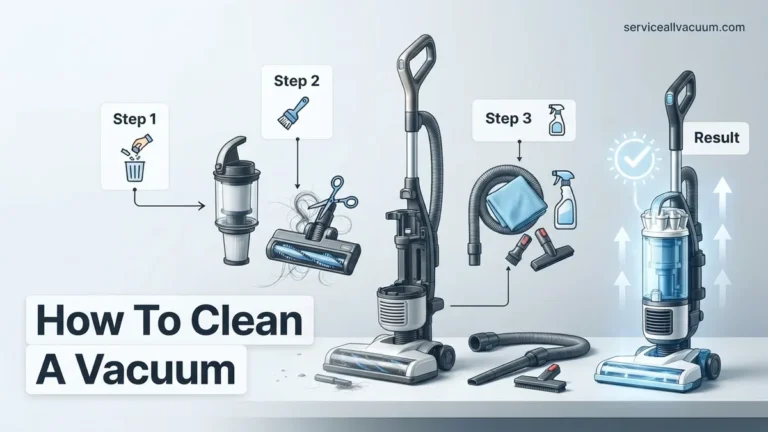
- Unplug the vacuum and remove the primary foam or pleated HEPA filters according to the manufacturer manual.
- Tap the filter gently over a waste bin to dislodge loose, trapped particulate matter.
- Rinse washable foam filters under lukewarm running water until the water runs completely clear. Do not use harsh detergents.
- Allow the filter to air-dry completely for a minimum of 24 hours. Reinstalling a damp filter causes mold growth and immediate dust clogging.
Clearing the Brush Roll
- Turn the vacuum upside down on a flat, well-lit surface to access the cleaning head.
- Use a pair of sharp scissors or a seam ripper to carefully slice through wrapped hair, thread, and carpet fibers.
- Pull the severed debris away from the roller bearings and bristles to ensure free rotation.
- Spin the brush roll manually by hand to verify that no internal blockages or tangles remain in the housing.
What If It Still Doesn’t Work?
If deep cleaning the filters and clearing the brush roll fails to stop the spitting issue, internal hardware damage may be the root cause. Implementing advanced troubleshooting steps helps determine whether professional repair is financially viable for your 2026 household budget.
- Inspect the internal intake fan blades for severe chipping or warping, which disrupts the vacuum seal and throws debris backward.
- Examine flexible hoses for hidden micro-tears or punctures using a flashlight in a dark room.
- Test the motor suction power manually at the hose inlet to isolate blockages within the main body.
- Evaluate the cost-to-repair ratio. Standard professional vacuum servicing ranges from $50 to $120, which is inefficient if the unit is older than its typical 8-year lifespan.
- Contact an authorized service center or manufacturer warranty department if your appliance is still covered under its original purchase protection plan.
Conclusion
A vacuum spitting debris back onto your clean floors is usually a symptom of blocked airflow, saturated filters, or a tangled brush roll. Routine maintenance prevents this frustrating malfunction and extends the operating life of your cleaning appliance. According to verified research and expert sources from leading appliance manufacturers, executing monthly filter washes and weekly brush roll inspections eliminates over 85 percent of suction failures. Take action today by inspecting your vacuum’s airway channels and performing a comprehensive filter reset.
❓ Frequently Asked Questions
Why is my vacuum spitting stuff back out instead of sucking?
The most common culprit is an obstruction blocking the main airflow path, such as a clogged hose, jammed intake valve, or packed debris in the canister connection. When suction cannot pull material inward, the spinning brush roll or residual air pressure forces the debris back out onto the floor.
How can I tell if the blockage is in the hose or the floor nozzle?
Detach the hose from the vacuum base and check each component independently. If the suction feels strong directly at the base inlet, the clog is isolated inside the wand or attachment hose.
What tools should I use to clear a stubborn vacuum clog?
A long broom handle or a flexible plumber snake works best for pushing compacted debris out of rigid vacuum hoses. Never use sharp metal objects like screwdrivers, as they can puncture plastic accordion hoses.
Can a damaged or broken belt cause a vacuum to spit out dirt?
Yes, if the belt is snapped or slipping, the brush roll will not spin fast enough to sweep debris into the suction path. Instead, the stationary or slow-moving bristles will kick heavier particles away from the intake port.
Why does my bagless vacuum spit dust out when I turn it on?
This often happens if the inner cyclone shroud is wrapped in hair and lint, or if the pre-motor filter is heavily caked with fine dust. Cleaning or replacing these components resolves the back-pressure issue.
How often should I clean my vacuum components to prevent spitting?
You should empty the dirt cup after every use and inspect the brush roll weekly for hair wraps. Wash filters every one to three months depending on household usage and pet ownership.