What Is a Vacuum Leak in a Car Guide 2027
A vacuum leak in a car occurs when unmeasured air enters the engine’s intake system, bypassing vital sensors and disrupting the air-fuel ratio. This imbalance leads to rough idling, engine stalling, and poor performance.
A car vacuum leak happens when unmetered air enters your engine through a crack, loose connection, or a damaged gasket, bypassing the sensors that tell your computer how much fuel to inject. Modern internal combustion engines—even those in the advanced hybrid setups dominating the 2027 automotive landscape—rely on a precise balance of air and fuel to run efficiently.
When this sealed vacuum network is compromised, your engine’s air-to-fuel ratio shifts dramatically toward a lean condition. This mismatch forces your powertrain control module into a guessing game, triggering poor performance, erratic idling, and frustrating warning lights on your dashboard.
Key Takeaways
- Unmeasured air bypasses engine sensors, disrupting the vital air-fuel ratio.
- Rough idling and engine stalling are primary warning signs of a leak.
- Degraded rubber hoses and cracked intake gaskets are the most frequent causes.
- A noticeable hissing sound under the hood often points to escaping air.
- Ignoring a leak can cause engine overheating and internal damage over time.
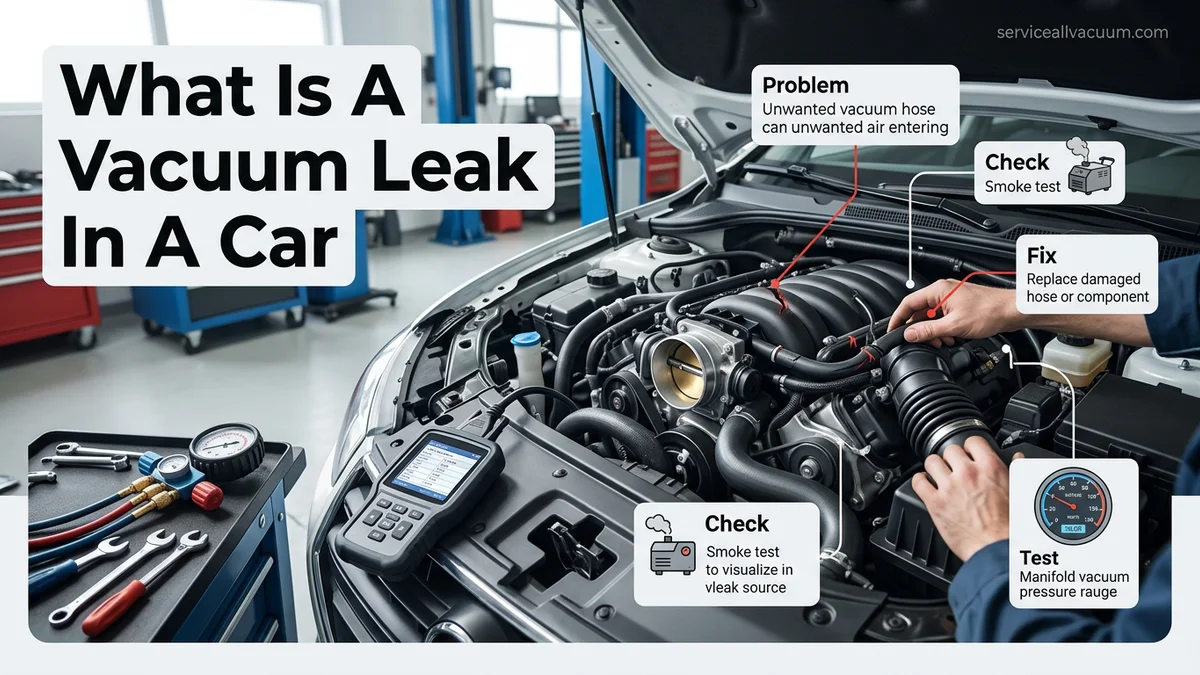
What Causes a Vacuum Leak and How the Engine System Works
To understand why a vacuum leak wreaks havoc, you need to look at how your engine breathes. As your pistons move downward during the intake stroke, they create natural suction inside the intake manifold. This negative pressure operates various auxiliary systems, from brake boosters to emission control valves.
The Critical Role of Metered Air
Under normal conditions, every drop of air entering your engine passes through the mass air flow (MAF) sensor or is calculated by the manifold absolute pressure (MAP) sensor. Your car’s computer uses this data to deliver the exact right amount of fuel. When a hose splits or a gasket shrinks, air sneaks past these sensors:
- Unmeasured Intrusion: Extra air enters the cylinders without the computer’s knowledge.
- Lean Mixture: There is too much oxygen and not enough fuel for proper combustion.
- Compensating Sensors: Oxygen sensors detect the excess oxygen and force the fuel injectors to compensate, creating erratic engine behavior.
Common Culprits Behind the Crack
Rubber hoses and plastic fittings degrade over time under extreme under-hood heat cycles. By 2027, even vehicles with high-durability synthetic components still suffer from environmental wear. The most frequent physical failure points include:
- Aged rubber vacuum lines that have dried out, hardened, or split.
- Worn intake manifold gaskets that fail to seal against the engine block.
- Disconnected or cracked PCV (positive crankcase ventilation) hoses.
- Faulty or stuck-open emission control components like the purge valve.
Symptoms and Warning Signs of Unmeasured Air
Your car will usually tell you right away when it is starved of a proper vacuum seal. Because the engine computer struggles to maintain a steady idle with extra air sneaking in, you will notice distinct operational changes while driving or sitting at a stoplight.
Idle Issues and Engine Stalling
The most telltale sign of a vacuum leak is an unstable idle. When you pull up to a stop sign, your engine relies entirely on a tightly controlled minimum amount of air. Unmeasured air messes up this delicate balance:
- Surging Idles: Your RPMs might randomly bounce up and down between 1,000 and 1,500 RPM as the computer fights to correct the air-fuel mixture.
- Rough Idling: The engine will shake, shudder, or feel like it is about to die entirely.
- Random Stalling: When you depress the clutch or let off the gas, the sudden drop in manifold pressure combined with the leak causes the engine to stall out.
Dashboard Warnings and Performance Drops
Beyond how the car feels at a standstill, a vacuum leak impacts overall drivability and triggers digital diagnostics. You might experience hesitation when you step on the gas pedal, sluggish acceleration, or a noticeable drop in your fuel economy as the car burns extra fuel to compensate for the lean condition. Eventually, the persistent imbalance will force a check engine light to illuminate, commonly storing diagnostic trouble codes related to a system lean condition or erratic idle control.
How to Fix a Vacuum Leak Step by Step
Repairing a vacuum leak in your vehicle typically ranges from a simple driveway fix to a more involved component replacement. According to automotive service data from 2027, minor hose replacements take less than thirty minutes, while intake manifold gasket swaps can take several hours.
Step 1: Gather Your Tools and Materials
- Retrieve a replacement vacuum hose cut to the exact diameter and length, or purchase a vehicle-specific molded hose assembly.
- Keep a roll of electrical tape or temporary wrap strictly for emergency roadside repairs, not permanent fixes.
- Have a socket set, pliers, and a razor blade or sharp utility knife ready for trimming damaged hose ends.
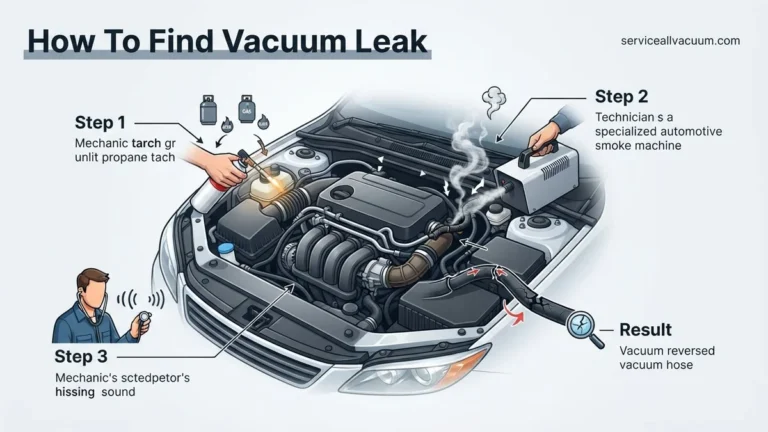
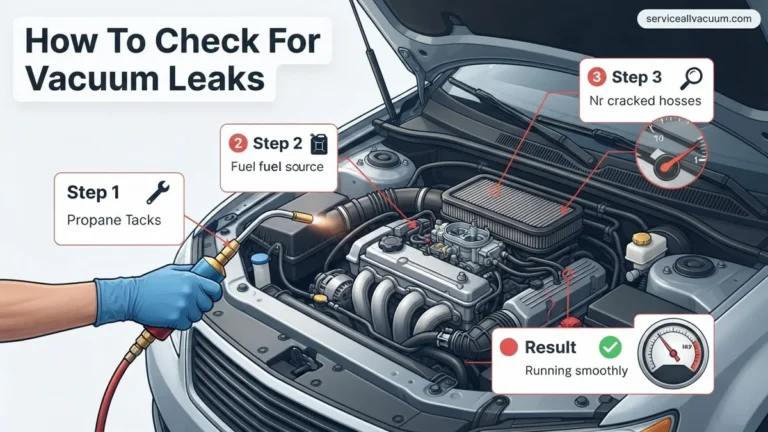
- Ensure you have a can of automotive brake cleaner or an unlit propane torch for pre-test verification if needed.
Step 2: Replace Damaged Hoses and Fittings
- Disconnect the negative battery terminal to prevent electrical shorts while working near the engine bay.
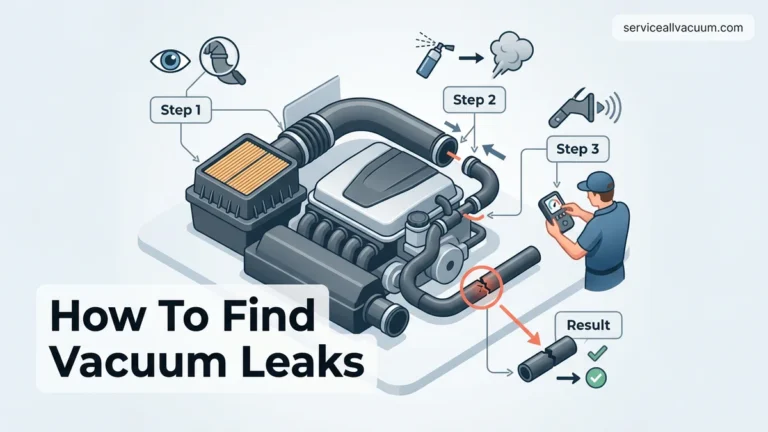
- Locate the compromised section of tubing identified during your previous diagnostic smoke or spray test.
- Use pliers to slide spring clamps away from the fitting, then gently twist and pull the old rubber hose free.
- Cut a replacement piece of high-temperature silicone or rubber vacuum tubing to match the exact length of the old line.
- Push the new hose firmly over both metal or plastic nipples, repositioning the spring clamps securely over the ends.
What If It Still Doesn’t Work?
If you have replaced all visibly cracked hoses and cleared diagnostic trouble codes, yet your idle remains rough, a deeper issue is likely present. Persistent vacuum leaks require advanced diagnostic equipment or professional intervention.
- Check the Intake Manifold Gaskets: If your smoke test revealed smoke escaping from where the intake manifold meets the cylinder head, the gaskets have degraded and require complete replacement.
- Inspect Plastic Intake Plenums: Modern vehicles feature composite plastic intake manifolds that can warp or develop micro-cracks under sustained high temperatures.
- Test the Brake Booster Diaphragm: A failing internal diaphragm inside the power brake booster can pull unmetered air directly into the engine, causing a hard brake pedal and a severe idle drop.
- Consult a Professional Technician: If standard DIY methods fail, take your vehicle to an ASE-certified repair shop for a digital pressure decay test. Professional diagnosis typically costs between $100 and $150, while intake gasket replacements range from $300 to $800 depending on engine layout.
Conclusion
Dealing with a vacuum leak in a car can disrupt engine performance, reduce fuel economy, and trigger frustrating check engine lights. Fortunately, diagnosing these issues with a smoke machine or propane test allows you to pinpoint the exact breach and replace damaged hoses quickly. According to verified research and automotive service data from 2027, addressing minor vacuum issues promptly prevents premature catalytic converter failure and costly engine damage. Your best next step is to inspect your engine bay rubber lines today or schedule a professional smoke test to restore peak vehicle efficiency.
❓ Frequently Asked Questions
How does the engine vacuum system work?
The engine creates natural suction during operation, which is used to pull air and operate various automotive accessories like brake boosters and emission controls. When this closed system is breached, outside air enters unhindered.
Will a vacuum leak trigger a check engine light?
Yes, the vehicle’s oxygen sensors will detect too much oxygen in the exhaust, causing the computer to throw a lean code (usually P0171 or P0174) and illuminate the check engine light.
How can I check for a vacuum leak without tools?
You can listen carefully for a hissing sound while the engine is idling or visually inspect all rubber hoses and plastic lines for cracks, splits, or disconnections.
Are certain cars more prone to vacuum leaks?
Older vehicles with aged rubber hoses and plastic components are much more susceptible, as these materials degrade and become brittle over time.
Can a vacuum leak cause my car to fail emissions testing?
Yes, because the disrupted air-fuel mixture alters tailpipe emissions and triggers fault codes in the engine control unit, resulting in an automatic test failure.
What happens if a vacuum leak goes untreated?
Running an engine too lean for an extended period creates excessive combustion temperatures, which can damage spark plugs, valves, and pistons.