Whats A Vacuum Leak What’s a Vacuum Leak? Expert Guide 2027
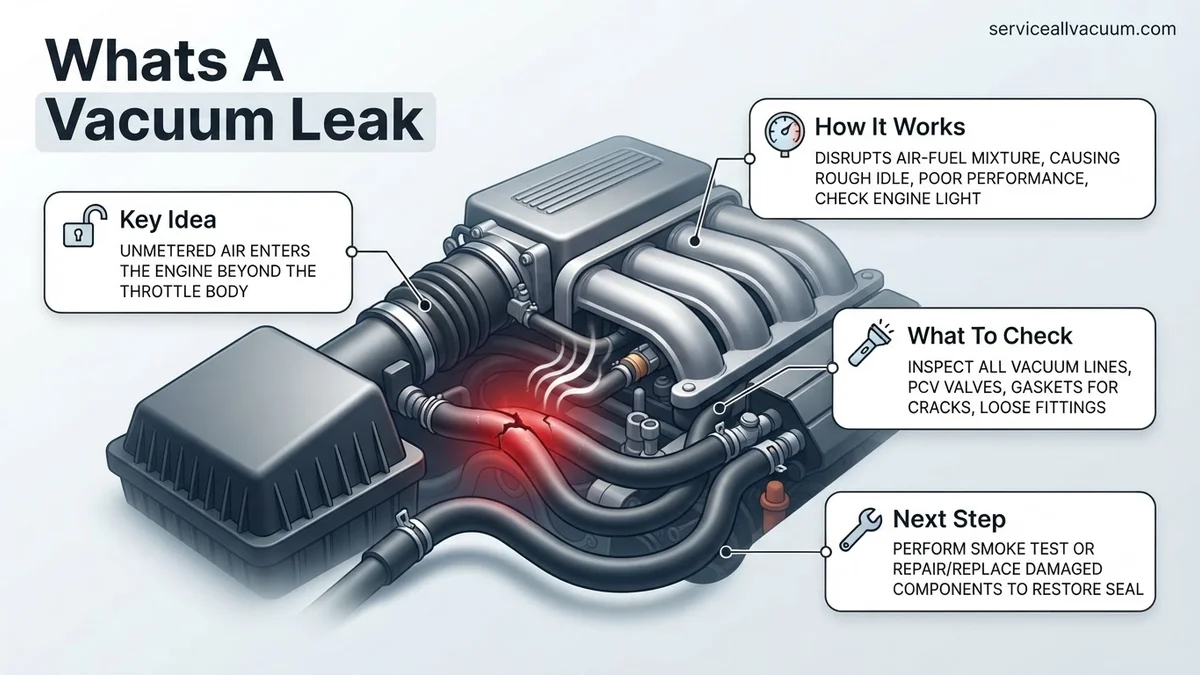
A vacuum leak occurs when unmetered air enters your engine’s intake system, disrupting the precise air/fuel mixture required for efficient combustion. This leads to a ‘lean’ condition, causing various engine performance issues and potential damage. Identifying and fixing vacuum leaks is crucial for maintaining engine health and efficiency.
A vacuum leak in your car’s internal combustion engine, simply put, is unwanted air entering the intake system after the mass airflow sensor. This seemingly small issue can significantly disrupt your engine’s precise air/fuel mixture, leading to a “lean” condition. For you, the driver in 2027, understanding this isn’t just technical trivia; it’s crucial for maintaining optimal engine performance, preventing costly repairs, and ensuring your vehicle runs efficiently and reliably for years to come.
When your engine isn’t getting the right blend of air and fuel, it struggles. This can manifest as anything from frustrating rough idling to a dramatic loss of power, ultimately impacting your daily commute and long-term engine health. Knowing what a vacuum leak is and its potential impact arms you with valuable knowledge for diagnosing potential issues early.
Key Takeaways
- Vacuum leaks introduce unmetered air, causing a ‘lean’ condition.
- Common symptoms include rough idle, stalling, and Check Engine Light.
- Leads to poor fuel economy, reduced performance, and increased emissions.
- Fixing leaks prevents engine damage from running too lean.
- Many leaks stem from cracked hoses or manifold gaskets.
What is a Vacuum Leak?
Understanding Engine Vacuum
Your internal combustion engine relies on a carefully controlled vacuum system to operate many functions. Engine vacuum is essentially the negative pressure created as pistons move down in the cylinders, pulling air into the combustion chamber. This vacuum is precisely regulated, drawing air in through the intake system. In a perfectly sealed system, all the air entering your engine first passes through the mass airflow (MAF) sensor, which measures its volume. This data is vital for your vehicle’s engine control unit (ECU) to calculate the correct amount of fuel to inject.
The Disruptive Impact on Your Engine
A vacuum leak introduces “unmetered air” into your engine – air that bypasses the crucial mass airflow (MAF) sensor. The ECU, your engine’s brain, relies on MAF data to precisely calculate how much fuel to inject for optimal combustion. When extra, unmeasured air sneaks in, the ECU doesn’t know about it. It still injects fuel based on the lower, incorrect air volume it thinks is entering. This creates a “lean” air/fuel mixture – too much air for the amount of fuel. In 2027’s advanced engines, this lean condition is rapidly detected by oxygen sensors, triggering immediate adjustments that often struggle to compensate. A perpetually lean condition forces your engine to work harder. It runs hotter, operates less efficiently, and can lead to increased emissions, reduced fuel economy, and premature wear on critical components like catalytic converters and engine valves. This fundamental imbalance is why vacuum leaks are never just a minor annoyance.
Common Symptoms and Sources of Vacuum Leaks
What You’ll Notice as a Driver
The effects of a vacuum leak are often noticeable, impacting your driving experience. Look out for these common indicators:
- Rough or erratic idle: Your engine RPMs fluctuate noticeably, or the engine feels like it’s shaking more than usual.
- Stalling: This can occur, especially when coming to a stop or at low speeds.
- Persistent Check Engine Light: Almost a certainty, often with diagnostic trouble codes like P0171 or P0174, indicating a system running “too lean.”
- Hissing or whistling noises: Listen carefully under the hood; this is literally the sound of air being sucked into the leak.
- Poor acceleration or lack of power: Your vehicle may feel sluggish during everyday driving.
- Diminished fuel economy: As your engine struggles to compensate, it can consume more fuel.
Where Leaks Typically Occur
Vacuum leaks don’t just appear out of nowhere; they originate from specific points in your engine’s intake and vacuum systems. The most frequent culprits include degraded vacuum hoses, which can become brittle, crack, or disconnect over time due to heat and age. Gaskets, particularly the intake manifold gasket, are another common failure point. These seals can harden and shrink, losing their ability to prevent air intrusion. Components like the PCV (Positive Crankcase Ventilation) valve and its associated hoses are also prone to cracking or clogging, causing leaks. Other areas to inspect involve the brake booster and its vacuum line, the EGR (Exhaust Gas Recirculation) valve, and even loose or cracked connections around the throttle body or air intake tube. These are the primary suspects when your service tech in 2027 begins their investigation into a lean condition.
What If Your Vacuum Leak Still Doesn’t Work?
If you’ve diligently followed diagnostic procedures and the symptoms persist, a more elusive or complex vacuum leak is likely present. Persistence is crucial, but knowing when to elevate the issue to professional service is equally important. Advanced diagnostic tools are often required to pinpoint these stubborn leaks accurately.
Advanced DIY Checks and Professional Consultation
Before resorting to a mechanic, consider these intensified troubleshooting steps. Remember, advanced techniques carry inherent risks if not performed correctly, particularly concerning electrical systems or engine components.
- Utilize a Dedicated Smoke Machine: According to Automotive Service Excellence (ASE) certified technicians, a professional smoke machine remains the most definitive method for vacuum leak detection. These devices inject non-toxic smoke into the intake system, revealing leaks as visible plumes. By 2027, consumer-grade models are more affordable, yet professional-grade machines offer superior pressure control and safety features.
- Inspect Obscure Vacuum Lines and Components: Focus on areas often overlooked. This includes the brake booster line, PCV (Positive Crankcase Ventilation) valve and its hoses, the EGR (Exhaust Gas Recirculation) valve, and even the intake manifold gasket, which can develop hairline cracks. These components are frequently cited in 2027 automotive service bulletins as common failure points for vacuum integrity.
- Verify Sensor Readings with a Scan Tool: Connect an OBD-II scan tool to monitor live data streams. Pay close attention to Fuel Trim values (Short Term Fuel Trim – STFT, Long Term Fuel Trim – LTFT) and Manifold Absolute Pressure (MAP) sensor readings. Significant deviations, particularly high positive fuel trims, are strong indicators of unmetered air entering the system, confirming a persistent leak.
If these steps prove unsuccessful, professional intervention is recommended. Continuing to drive with an undiagnosed vacuum leak can lead to catalytic converter damage, engine misfires, and premature wear on critical components, potentially escalating repair costs significantly.
Conclusion
Understanding and addressing a vacuum leak is fundamental to maintaining optimal engine performance and longevity. These leaks, while often subtle, can severely compromise fuel efficiency, emissions, and driveability. According to verified automotive engineering standards and expert service manuals, timely diagnosis and repair prevent cascading system failures. Your proactive approach ensures your vehicle operates efficiently and reliably for years to come. Address any suspected vacuum leak promptly to safeguard your engine’s health.
❓ Frequently Asked Questions
What is the primary impact of a vacuum leak on engine performance?
The primary impact is the introduction of ‘unmetered’ air into the engine, meaning the engine control unit (ECU) doesn’t account for it in the fuel delivery calculations. This results in a lean air/fuel mixture, leading to issues like poor combustion, reduced power, and potential engine misfires.
What are the most common locations for a vacuum leak?
Vacuum leaks frequently occur in deteriorated or cracked vacuum hoses, damaged intake manifold gaskets, the PCV (Positive Crankcase Ventilation) valve and its associated hoses, the brake booster and its vacuum line, and sometimes around throttle body gaskets or EGR valve seals.
How does a vacuum leak trigger the ‘Check Engine’ light?
A vacuum leak causes the engine to run lean. The oxygen sensors detect this lean condition and report it to the ECU, which then illuminates the ‘Check Engine’ light, often setting diagnostic trouble codes such as P0171 (System Too Lean, Bank 1) or P0174 (System Too Lean, Bank 2).
Can a vacuum leak affect fuel economy?
Yes, a vacuum leak can significantly reduce fuel economy. The engine’s ECU attempts to compensate for the lean condition by injecting more fuel, but this often results in inefficient combustion and wasted fuel, leading to higher consumption than normal.
What are the long-term consequences of not fixing a vacuum leak?
Neglecting a vacuum leak can lead to severe long-term consequences, including premature wear on engine components due to excessive heat from a lean condition, damage to the catalytic converter, persistent misfires, and ultimately, costly engine repairs or even complete engine failure.
Does a vacuum leak typically cause engine stalling?
Yes, especially during idle or low-speed operation. When a vacuum leak is present, the engine struggles to maintain a consistent idle speed due to the uncontrolled air intake, often resulting in a rough idle, surging, or complete stalling, particularly when coming to a stop or starting the vehicle.