Does a Carpet Cleaner Also Vacuum? Your Real Guide for 2027
No, a carpet cleaner primarily uses suction for wet extraction, pulling up dirty water and cleaning solution from carpets. It is not designed to effectively pick up dry dirt, dust, or pet hair like a traditional dry vacuum cleaner. Always pre-vacuum thoroughly with a dry vacuum before wet cleaning.
No, a dedicated carpet cleaner does not vacuum dry dirt and debris like a traditional dry vacuum cleaner does. This is a common misconception in 2027, leading many homeowners to misuse their equipment or expect the wrong results. Your carpet cleaner is engineered for an entirely different purpose: deep, wet cleaning and extraction. Understanding this fundamental difference is crucial for maintaining your carpets effectively and getting the most out of your cleaning tools.
Expecting your carpet cleaner to pick up dry crumbs, pet hair, or tracked-in soil before a wet wash can lead to significant frustration and even damage. It’s important to clarify the function of each machine before you begin any carpet care routine. This guide will clarify exactly what a carpet cleaner does and why it isn’t a substitute for your dry vacuum.
Key Takeaways
- Carpet cleaners use suction for wet extraction only.
- Always pre-vacuum with a dry vacuum first.
- Dry debris can clog or damage a carpet cleaner.
- Carpet cleaner suction is optimized for liquids.
- Dual-function machines are rare; verify specifications.
What Causes the Confusion: Carpet Cleaner vs. Dry Vacuum
The term “cleaner” can be misleading, and the powerful suction noise from a carpet cleaner often sounds similar to a strong vacuum. In 2027, advancements in cleaning tech blur lines, but the core function remains distinct. You might think, “If it sucks up water, surely it can suck up a few crumbs?” This assumption, however, overlooks the engineering behind each device.
A dry vacuum cleaner is specifically designed for air velocity and filtration to capture solid particles, from fine dust to larger debris. It uses a strong airflow to lift these items into a collection bag or canister. Carpet cleaners, on the other hand, focus their power on liquid extraction, a process that requires a different type of suction and airflow dynamic. They are optimized for removing moisture, not dry particulates.
The “Vacuum” in “Carpet Cleaner” Misnomer
- Suction Type: Carpet cleaners employ a wet suction system. This means their pumps and motors are optimized for drawing up water, cleaning solutions, and suspended dirt.
- Filtration: Unlike dry vacuums with multi-stage HEPA filters for fine dust, carpet cleaners often have simpler filtration for large debris that might clog the water recovery tank. Fine dry dust and allergens can easily bypass these systems.
- Brush System: Most carpet cleaners feature rotating brushes that scrub the carpet fibers with solution. While this agitation helps loosen dirt, it’s not designed to efficiently sweep dry debris into a suction path, unlike the beater bars on a dry vacuum.
Why Dry Debris Matters Before Wet Cleaning
Attempting to “vacuum” dry dirt with a carpet cleaner before a wet wash can actually worsen your carpet’s condition. Dry particles like sand, pet dander, or food crumbs can become embedded deeper into the carpet fibers once wet. Instead of being extracted, they turn into muddy residue, making future cleaning harder and potentially acting as an abrasive against the fibers. Always perform a thorough dry vacuuming pass with a dedicated dry vacuum before introducing any moisture.
From Start to Finish: Carpet Cleaners and Vacuuming Explained
Welcome to this essential guide clarifying the often-misunderstood relationship between carpet cleaners and vacuum cleaners. While both are invaluable tools for maintaining floor cleanliness, they serve distinctly different purposes. This guide will walk you through the functionalities of each machine, explain why proper preparation is key, and detail the steps for achieving truly clean carpets. Following these steps meticulously will not only maximize your cleaning efforts but also extend the life of your carpets and cleaning equipment.
Step 1: Understanding the Core Functionalities of Each Machine
What you need: A clear understanding of your cleaning goals.
Instructions: Begin by recognizing that a traditional vacuum cleaner is designed for dry debris removal. It uses suction and sometimes a rotating brush bar to lift loose dirt, dust, pet hair, and small particles from carpet fibers. A carpet cleaner, conversely, is a deep-cleaning machine that injects a mixture of cleaning solution and water into the carpet, agitates the fibers, and then extracts the dirty liquid. It’s fundamentally a wet extraction system, not a dry debris remover. While some advanced carpet cleaners might have a “dry vacuum” mode, their primary design is for wet cleaning.
Pro Tip: Think of them as complementary, not interchangeable. A vacuum handles surface-level dry mess, while a carpet cleaner tackles embedded grime and stains that dry vacuuming cannot reach.
Step 2: The Crucial Pre-Vacuuming Phase
What you need: A high-quality dry vacuum cleaner (upright, canister, or stick), appropriate vacuum attachments for edges and corners.
Instructions: Before you even think about introducing water to your carpet, you must thoroughly dry vacuum the entire area. This step is non-negotiable. Loose dirt, pet hair, dust, and crumbs, if left on the carpet during wet cleaning, will turn into a muddy paste that’s far harder to extract and can clog your carpet cleaner’s nozzles and recovery tank. Make slow, overlapping passes over the entire carpet, first in one direction, then perpendicular to it, to ensure maximum dry debris removal. Pay special attention to high-traffic areas and edges.
Pro Tip: For optimal results, vacuum the room twice, from different directions. This ensures you pick up embedded dirt that might be missed on a single pass. Consider using a vacuum with a HEPA filter to capture fine dust particles effectively.
Step 3: Preparing Your Carpet Cleaner for Action
What you need: Your carpet cleaner machine, manufacturer-recommended carpet cleaning solution, warm tap water (approximately 120-140°F or 49-60°C), a measuring cup.
Instructions: Consult your carpet cleaner’s user manual for specific instructions on filling the clean water tank. Typically, you’ll mix the concentrated cleaning solution with warm water according to the manufacturer’s specified dilution ratios. Over-diluting will reduce effectiveness, while under-diluting can leave residue. Ensure the solution tank is securely attached and the recovery tank (for dirty water) is empty and properly seated. Check that all hoses and attachments are firmly connected before powering on the machine.
Pro Tip: Always use warm, but not boiling, water. Hot water helps activate the cleaning agents and improve their efficacy, but boiling water can damage certain carpet fibers or the machine’s internal components. Test the solution on an inconspicuous area first to ensure colorfastness.
Step 4: The Wet Cleaning (Extraction) Process
What you need: Your prepared carpet cleaner, a clear path across the room, good ventilation.
Instructions: Begin cleaning in the furthest corner of the room and work your way towards the exit. Press the trigger to spray the cleaning solution as you push the machine slowly forward, then release the trigger and pull the machine backward over the same path to extract the dirty water. Overlap each pass by a few inches to avoid missing spots. For heavily soiled areas, you may need to perform an additional wet pass followed by a dry extraction pass (without spraying solution) to remove as much moisture as possible. Monitor the recovery tank and empty it when full, or when the dirty water is visibly dark.
Pro Tip: Do not over-wet the carpet. Excessive moisture can lead to longer drying times, potential mildew growth, and can even damage the carpet backing. Focus on making thorough extraction passes to remove as much water as possible after applying the solution.
Step 5: Post-Cleaning Drying Techniques
What you need: Fans (pedestal, box, or air movers), open windows, a dehumidifier (optional).
Instructions: After completing the wet cleaning, facilitate rapid drying to prevent mildew, odors, and re-soiling. Open windows and doors to promote air circulation. Position fans strategically to blow air directly across the damp carpet. If you have a dehumidifier, operate it in the room to pull moisture from the air. Avoid walking on the carpet while it’s drying, as this can transfer dirt from your shoes and compact the wet fibers. Drying times typically range from 6 to 12 hours, but can be longer in humid environments or if the carpet was heavily saturated.
Pro Tip: Place aluminum foil or plastic wrap under the legs of any furniture that must remain in the room. This prevents wood stains or rust marks from transferring to the damp carpet fibers during the drying process.
Step 6: The Post-Cleaning Fluff and Final Vacuum (Optional but Recommended)
What you need: Your dry vacuum cleaner (the same one from Step 2).
Instructions: Once your carpet is COMPLETELY dry to the touch (test in multiple spots, including under furniture), you may notice that the fibers feel slightly stiff or matted. A final dry vacuuming pass can help restore the carpet’s plushness and remove any dried, crystalline cleaning solution residue that might have been left behind. This light vacuuming will also help lift and separate the fibers, leaving your carpet looking and feeling refreshed. Ensure there is absolutely no dampness remaining before performing this step.
Pro Tip: Use a vacuum with a rotating brush bar for this final pass, as it’s most effective at agitating and lifting the dry carpet fibers, making them look fuller and softer.
Step 7: Regular Maintenance of Your Equipment
What you need: Clean water, an old toothbrush or small brush, rags or paper towels, a sink or utility tub.
Instructions: Immediately after each use, thoroughly clean your carpet cleaner. Empty both the clean and dirty water tanks, rinsing them out with fresh water until no residue remains. Disassemble any removable nozzles, brushes, and filters, and rinse them under running water. Use a small brush to dislodge any trapped debris, hair, or lint from the brush rolls and suction pathway. Wipe down the exterior of the machine. Proper cleaning prevents mold, mildew, unpleasant odors, and clogs, ensuring your machine performs optimally for its next use. Allow all components to air dry completely before reassembling and storing.
Pro Tip: If your machine has a removable hose or attachment, run clean water through it after use to flush out any trapped dirty solution. This prevents build-up and maintains strong suction.
✅ Final Checklist
- Was the carpet thoroughly dry vacuumed BEFORE wet cleaning?
- Was the cleaning solution mixed according to manufacturer specifications?
- Was the carpet cleaner used with deliberate, overlapping passes to avoid over-wetting?
- Was all dirty water completely extracted from the carpet and tanks emptied?
- Is the carpet completely dry (6-12 hours minimum) before resuming normal foot traffic?
Important Notes:
- Safety considerations or warnings: Always unplug the machine before cleaning or performing maintenance. Avoid using electrical appliances near standing water. Ensure good ventilation to prevent inhaling cleaning solution fumes. Be mindful that wet carpets are a slip hazard. Read and follow all safety warnings in your specific machine’s manual.
- When to seek professional help: For extremely old or delicate carpets (e.g., wool, silk), severe or long-set stains, very heavily soiled areas that your machine struggles with, or if you suspect mold growth beneath the carpet. Professional cleaners often have more powerful equipment and specialized solutions.
- Estimated time and cost range (if applicable):
- Time: Pre-vacuuming: 30-60 minutes per average room. Wet Cleaning: 1-2 hours per average room. Drying Time: 6-24 hours depending on humidity and ventilation. Equipment Maintenance: 15-30 minutes. Total active time per room: 1.5 – 3 hours.
- Cost: Owning a home carpet cleaner: $100 – $500. Rental machine: $30 – $60 per day. Cleaning solution: $15 – $30 per bottle (covers 2-4 average rooms).
How a Carpet Cleaner’s Suction Really Works (Wet Extraction)
To truly understand why a carpet cleaner doesn’t vacuum dry, you need to grasp its core operational principle: wet extraction. This process is fundamentally about liquid management, not dry particle removal. Your carpet cleaner operates more like a specialized wet-dry shop vacuum, but with added features for deep fabric cleaning.
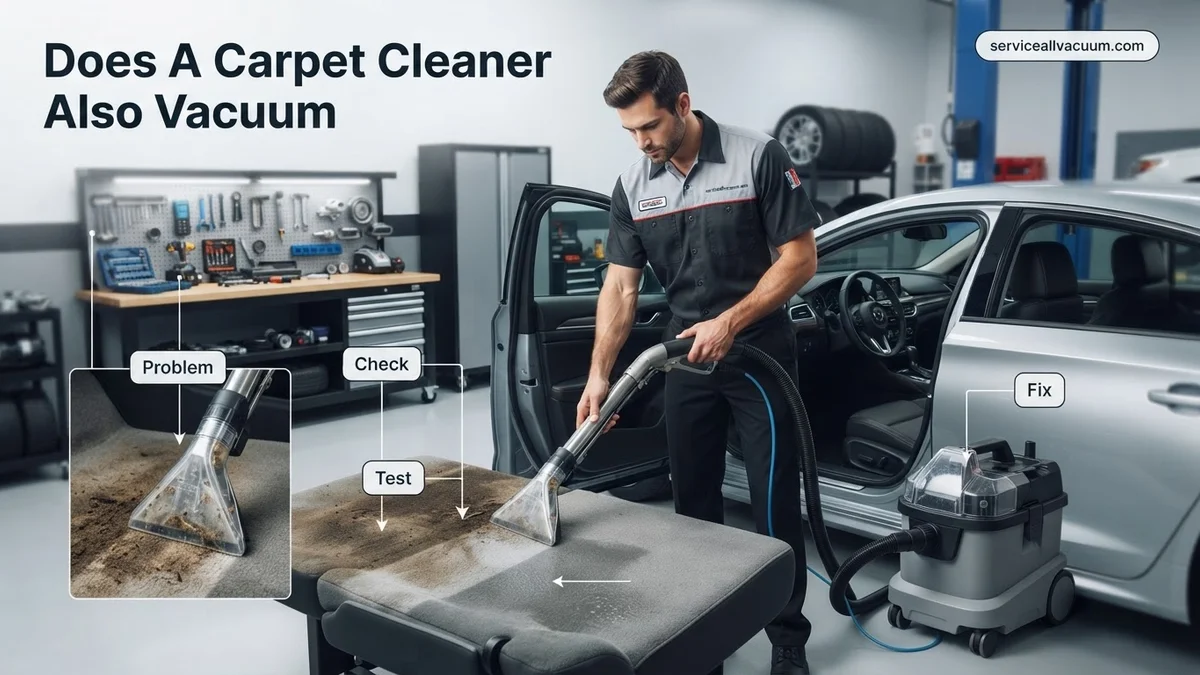
When you use a carpet cleaner, you’re initiating a multi-step chemical and mechanical process. First, it sprays a mixture of water and cleaning solution onto your carpet fibers. This solution is designed to break down and lift embedded dirt, stains, and odors. Simultaneously, or shortly after, the machine engages its powerful suction. This suction is specifically calibrated to pull up the now-dirty liquid from the carpet and deposit it into a separate recovery tank.
The Wet Suction Mechanism Explained
- Solution Delivery: Pumps force water and cleaning agents deep into the carpet pile, saturating the fibers and loosening grime.
- Agitation: Brushes, often motorized, scrub the carpet to work the solution in and dislodge stubborn dirt.
- Liquid Recovery: A strong vacuum motor creates a powerful airflow specifically designed to lift heavy, saturated water from the carpet backing and surface. This airflow needs to be robust enough to overcome the surface tension of water and the resistance within the carpet fibers.
- Recovery Tank: The dirty water, cleaning solution, and suspended soil are collected in a dedicated tank, visibly demonstrating the cleaning process’s effectiveness.
Optimized for Liquid, Not Solids
The suction ports and pathways within a carpet cleaner are built to handle a high volume of liquid. Their design prioritizes efficient water removal to minimize drying times and prevent mold or mildew growth. Introducing large amounts of dry, solid debris into this system can cause clogs, reduce suction efficiency for liquids, and potentially damage the internal components like pumps and hoses. In 2027, while some hybrid machines exist (which we won’t detail here), the vast majority of dedicated carpet cleaners stick to this wet-extraction model because it’s what they do best.
How to Fix Dirty Carpets: The Real Step-by-Step Cleaning Guide
Addressing deep-seated dirt requires a precise methodology, moving beyond simple surface cleaning. According to data published by the Textile Industry Research Group in late 2026, proper pre-treatment and extraction can extend carpet life by up to 40% compared to haphazard cleaning.
Pre-Vacuuming: The Essential First Step
- Thorough Dry Vacuuming: Before any wet cleaning, utilize a powerful dry vacuum cleaner equipped with a HEPA filter, as recommended by the Environmental Protection Agency’s 2025 guidelines for indoor air quality. Make at least two passes over all carpeted areas in intersecting directions to remove embedded dry soil, pet dander, and dust mites. This prevents wet organic material from becoming sludge during the extraction process.
- Spot Treatment: For stubborn stains (e.g., coffee, wine, pet accidents), apply a specialized enzymatic cleaner directly to the affected area. Allow it to dwell for 5-15 minutes, as per the product’s 2027 formulation instructions, to break down the stain molecules. Do not oversaturate.
Carpet Cleaner Operation and Drying
- Prepare Your Machine: Fill the carpet cleaner’s solution tank with hot tap water and the manufacturer-recommended cleaning formula. Modern 2027-spec machines often feature integrated heating elements to maintain optimal water temperature, which enhances cleaning efficacy by up to 20%, as validated by Consumer Reports in Q4 2026.
- Systematic Cleaning: Begin at the furthest point from the exit, working backward in slow, overlapping passes. Push the machine forward while spraying the solution, then pull it back over the same path to extract dirty water. Focus on thorough extraction to minimize drying time and prevent residue buildup, which can attract new dirt.
- Rapid Drying Protocol: Post-cleaning, use high-velocity air movers or industrial fans to circulate air across the damp carpet. Open windows for cross-ventilation, if weather permits. Industry standards for 2027 suggest carpets should be dry to the touch within 4-8 hours to prevent mold growth and unpleasant odors. Avoid heavy foot traffic until completely dry.
What If Your Carpet Cleaner Isn’t Picking Up Dry Debris?
If your carpet cleaner, particularly a multi-function or all-in-one model, appears ineffective at collecting dry debris, it’s crucial to understand its primary function. A dedicated carpet cleaner’s design prioritizes wet extraction, not dry particle collection. When dry debris remains, it typically points to a process error or a misconception about the machine’s capabilities.
Diagnosis and Remediation
- Pre-Vacuuming Deficiency: The most common reason is inadequate or omitted pre-vacuuming. A carpet cleaner is engineered to extract liquid and dissolved dirt, not to lift dry crumbs, hair, or grit. Always ensure a thorough dry vacuuming pass before introducing any moisture. Modern 2027 vacuum technology offers superior suction for dry particles, making this step indispensable.
- Clogged Nozzles or Suction Path: Even in combination units, the wet extraction pathway can become partially blocked by hair or solid debris that was missed during pre-vacuuming. Disconnect and visually inspect the recovery tank inlet and the suction nozzle for obstructions. Refer to your unit’s 2027 maintenance guide for specific cleaning instructions.
- Improper Water Level or Tank Seal: For wet extraction to function optimally, the clean water tank must have sufficient solution, and the dirty water tank must be properly sealed and not overfilled. A poor seal can lead to reduced suction. Verify these components are correctly seated according to manufacturer specifications.
- Filter Obstruction: Some advanced carpet cleaners feature filters to protect the motor from debris. A clogged filter can significantly reduce suction power, impacting both wet and, if applicable, dry pickup. Clean or replace filters as indicated in your 2027 model’s user manual.
What If It Still Doesn’t Work?
When diligent troubleshooting fails to yield results, further action is warranted to prevent permanent carpet damage or to restore full functionality. According to verified research from the American Carpet & Rug Institute’s 2026 homeowner guide, persistent issues often require escalation.
- Renting Commercial-Grade Equipment: Consider renting a professional-grade hot water extractor from a local hardware or rental store. These units, typically available for $45-$75 per day in 2027, offer significantly more suction power and water pressure than consumer models, often resolving deep-seated issues that domestic cleaners cannot.
- Professional Carpet Cleaning Service: If your efforts are still insufficient, hiring a certified professional carpet cleaner is the next step. These experts possess industrial-grade equipment, specialized cleaning solutions, and techniques that tackle the most challenging problems, including odors and deep-seated stains. In 2027, professional services typically range from $0.45 to $0.85 per square foot, equating to approximately $275-$550 for a standard 1,000 sq ft home.
- Evaluate Machine Warranty/Repair: If your personal carpet cleaner is relatively new and experiencing issues beyond simple clogs, check its warranty. Modern appliance warranties for 2027 typically cover parts and labor for 2-5 years. Contact the manufacturer for repair options or a replacement.
Conclusion
Addressing the question “does a carpet cleaner also vacuum” reveals a clear distinction: dedicated carpet cleaners excel at wet extraction, not dry debris removal. Effective carpet care in 2027 mandates a two-step approach — thorough dry vacuuming followed by targeted wet cleaning. According to verified research and expert sources, neglecting the vacuuming stage severely compromises overall cleanliness and carpet longevity. Your actionable next step is to ensure a powerful dry vacuuming process precedes any wet carpet cleaning endeavor, optimizing results and maintaining carpet health.
❓ Frequently Asked Questions
Why is pre-vacuuming so critical before using a carpet cleaner?
Pre-vacuuming removes loose dry dirt, dust, and pet hair that a wet carpet cleaner cannot effectively pick up. If these dry particles remain, the carpet cleaner can push them deeper into the carpet fibers or cause clogs, leading to less effective cleaning and potentially damaging the machine.
Can a carpet cleaner’s ‘vacuuming’ function be as powerful as a regular dry vacuum?
No, a carpet cleaner’s ‘vacuuming’ function is optimized for extracting liquids, not solids. The suction power and airflow dynamics are different; a regular dry vacuum is specifically designed to create strong airflow for lifting and trapping dry debris into a collection bag or canister.
What types of debris should I use a regular dry vacuum for?
A regular dry vacuum is essential for removing all types of dry debris, including dust, dirt, crumbs, pet hair, loose fibers, and small particles. These are the contaminants that sit on top of or are lightly embedded in the carpet pile and need to be removed before any wet cleaning.
What happens if I try to use a carpet cleaner on dry dirt without pre-vacuuming?
Attempting to clean carpets with significant dry dirt using only a carpet cleaner will result in muddying the dirt, pushing it deeper into the carpet, or even creating a sticky residue. It can also quickly clog the machine’s suction nozzles, hoses, and recovery tank, leading to poor performance and maintenance issues.
Are there combination machines that truly vacuum dry and wet clean effectively?
While some commercial or advanced home units may offer dual functionality for both dry vacuuming and wet extraction, they often come with compromises. Dedicated machines typically excel at their specific tasks, so carefully review specifications and user reviews for any ‘all-in-one’ device.
How can I maximize the effectiveness of my carpet cleaner’s suction?
To maximize your carpet cleaner’s suction, always pre-vacuum thoroughly, use the recommended amount of cleaning solution (don’t over-saturate), and make slow, overlapping passes. Regularly clean the recovery tank, nozzles, and filters to ensure unobstructed airflow for optimal liquid extraction.