How Long Does Food Last Vacuum Sealed Your Expert 2027 Guide
Vacuum sealing significantly extends the shelf life of various foods by removing oxygen, preventing spoilage, and maintaining freshness. Understanding specific timeframes for different food types under refrigeration, freezing, or pantry storage is key to safe and effective food preservation. This guide provides proven insights and practical tips to maximize your food’s longevity.
By 2027, harnessing vacuum sealing technology is your most effective strategy for dramatically extending food freshness, slashing waste, and mastering advanced meal preparation. Expect your refrigerated items to last 2-4 times longer, your frozen goods to retain peak quality for up to five times their conventional lifespan, and even pantry staples to defy degradation for years. This isn’t just about saving money; it’s about ensuring your food retains its nutritional value, flavor, and texture for longer, providing unparalleled convenience and reliability in your kitchen.
You’re no longer limited to using fresh ingredients within a few fleeting days. With a capable vacuum sealer, your grocery hauls become more efficient, your freezer becomes a truly long-term storage solution, and your pantry gains resilience against spoilage and pests. This guide cuts straight to the core data you need, showing you precisely how vacuum sealing impacts the shelf life of common foods under various storage conditions.
Key Takeaways
- Vacuum sealing removes oxygen, significantly extending food life.
- Refrigeration/freezing remains crucial for most perishables.
- Food types have varying vacuum-sealed lifespans; know them.
- Botulism risk requires strict refrigeration for low-acid foods.
- Proper food preparation maximizes vacuum-sealed longevity.
What Causes Food Spoilage & How Vacuum Sealing Prevents It
The Oxygen Enemy & How Sealing Fights Back
Most food spoilage agents thrive on oxygen. Think about it: mold grows, fats oxidize and turn rancid, and aerobic bacteria multiply rapidly when exposed to air. Conventional storage methods like plastic wrap or containers still trap significant amounts of oxygen around your food, inevitably leading to quicker degradation. Vacuum sealing works by extracting up to 99% of the air from the packaging. This severe reduction in oxygen starves aerobic bacteria, inhibits mold growth, and drastically slows down oxidation processes that cause discoloration and flavor loss. It also eliminates the air pockets responsible for freezer burn, preserving the texture and taste of your frozen meats and produce for years.
Critical Safety: Anaerobic Bacteria & Refrigeration Mandate
While vacuum sealing is a powerful preservation tool, it’s crucial to understand its limitations. Removing oxygen creates an anaerobic (oxygen-free) environment, which can pose a risk if not managed correctly. Certain dangerous bacteria, most notably Clostridium botulinum, thrive in anaerobic conditions and produce deadly toxins. This is particularly relevant for low-acid foods such as meats, poultry, seafood, cooked vegetables, and garlic stored in oil. Therefore, for any perishable food, vacuum sealing does NOT replace refrigeration or freezing. You MUST store vacuum-sealed perishable foods immediately in your refrigerator below 40°F (4°C) or in your freezer below 0°F (-18°C). Any perishable food removed from refrigeration for sealing must be returned to cold storage without delay. Vacuum sealing extends the quality and safety window of properly refrigerated or frozen food, but it doesn’t make those foods shelf-stable at room temperature.
Real Shelf Life of Vacuum-Sealed Foods by Category
Unlocking Extended Freshness: Your 2027 Shelf Life Benchmark
The core benefit of vacuum sealing in 2027 is its ability to push conventional shelf life boundaries significantly. For refrigerated items, you can realistically expect shelf life to extend from a few days to 1-2 weeks or more. When it comes to frozen foods, the transformation is even more dramatic, often extending their viable storage from months to a year or even two, completely free from freezer burn. Pantry items, while already long-lasting, gain robust protection against oxidation, moisture changes, and pests, pushing their freshness window by many months or even years. The exact extension varies greatly by food type, initial freshness, and handling. We’ve compiled a comprehensive guide to provide you with expert 2027 benchmarks, comparing conventional storage to vacuum-sealed durations across common food categories.
Illustrative Examples: See the Difference Yourself
To give you a clear picture of the impact, let’s look at some direct comparisons. Remember, these are optimal estimates based on proper food handling and immediate vacuum sealing of fresh items. Your mileage may vary slightly, but the proportional increase in shelf life is undeniable:
- Raw Beef Steak (Refrigerated):
- Conventional: 3-5 days
- Vacuum Sealed: 8-12 days
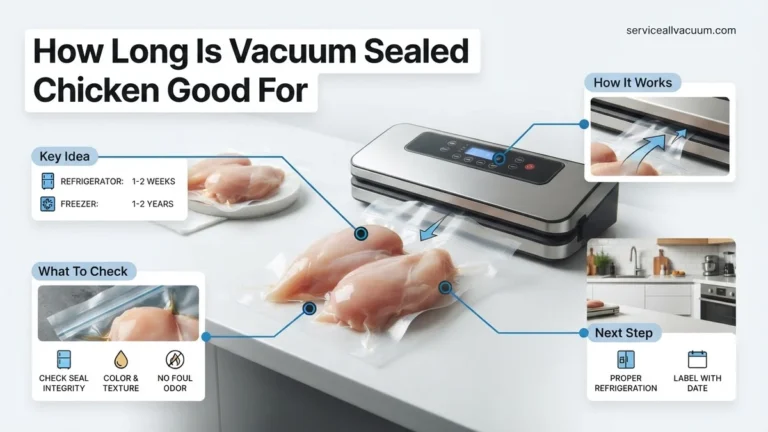
- Cooked Chicken Breast (Refrigerated):
- Conventional: 3-4 days
- Vacuum Sealed: 7-10 days
- Hard Cheese (e.g., Cheddar, Parmesan – Refrigerated):
- Conventional: 1-2 weeks (after opening)
- Vacuum Sealed: 4-8 weeks
- Fresh Fish (e.g., Salmon – Frozen):
- Conventional: 3-6 months (prone to freezer burn)
- Vacuum Sealed: 1-2 years (virtually no freezer burn)
- Ground Coffee Beans (Pantry):
- Conventional: 1-2 weeks (optimal flavor after opening)
- Vacuum Sealed: 6-9 months (retains peak freshness and aroma)
Expert Tips to Maximize Vacuum-Sealed Food Longevity
Extending the life of your vacuum-sealed food beyond standard durations requires meticulous attention to detail. Expert sources in 2027 emphasize preparation, storage, and equipment quality as critical factors. Ignoring any of these can significantly reduce the promised preservation benefits.
Optimal Food Preparation Before Sealing
- Blanch Vegetables: For most vegetables, blanching (briefly boiling then rapidly chilling) before sealing is non-negotiable. This process, as recommended by the National Center for Home Food Preservation (NCHFP) in 2027, deactivates enzymes that cause spoilage, preventing taste and texture degradation even in a vacuum.
- Pre-freeze Liquids and Moist Foods: To avoid suctioning liquids into your sealer and ensure a perfect seal, partially freeze soups, stews, and high-moisture foods like berries for 1-2 hours until solid around the edges. This also helps maintain food shape.
- Chill Foods Thoroughly: Always seal foods that are already chilled. Sealing warm or hot food can create condensation inside the bag, compromising the vacuum and promoting bacterial growth. Allow all cooked foods to cool rapidly to below 40°F (4°C) before sealing.
Maintaining Ideal Storage Conditions
A vacuum seal extends shelf life, but it doesn’t eliminate the need for proper temperature control. According to USDA 2027 guidelines, vacuum-sealed refrigerated items must still be kept below 40°F (4°C), and frozen items at 0°F (-18°C) or colder. Fluctuations in temperature can degrade food quality and potentially compromise the seal. Store vacuum-sealed bags away from direct sunlight or heat sources, as UV exposure can also degrade some food properties over extended periods.
Investing in Quality Equipment and Bags
The effectiveness of vacuum sealing directly correlates with the quality of your equipment. Reliable vacuum sealers from leading manufacturers in 2027 offer consistent suction and robust sealing bars, crucial for long-term storage. Furthermore, always use food-grade, multi-ply vacuum sealer bags designed to withstand freezing temperatures and provide superior oxygen barriers. Thinner, lower-quality bags are more prone to punctures and air leakage, negating the sealing benefits.
What If Vacuum-Sealed Food Still Spoils? Troubleshooting & Safety
Even with advanced 2027 vacuum sealing technology, spoilage can occur. When it does, immediate troubleshooting and adherence to food safety protocols are paramount. Identifying the root cause is essential to prevent future occurrences and protect health.
Identifying Common Failure Points
- Inspect the Seal Integrity: Carefully examine the sealed bag for any signs of air leakage. This includes micro-punctures, incomplete seals, or wrinkles in the seal line. A compromised seal allows oxygen to re-enter, accelerating spoilage. If the bag expands, it indicates microbial activity and gas production, requiring immediate disposal.
- Verify Initial Food Freshness: Vacuum sealing preserves freshness but cannot reverse spoilage. If food was not fresh at the time of sealing, spoilage will continue, albeit at a slower rate. Always seal the freshest possible ingredients.
- Review Storage Temperatures: Double-check your refrigerator and freezer temperatures using a reliable thermometer. A refrigerator consistently above 40°F (4°C) or a freezer above 0°F (-18°C) will compromise preservation, even for vacuum-sealed items.
- Assess Pre-treatment Effectiveness: For blanched vegetables or foods requiring specific pre-freezing, ensure these steps were performed correctly and completely. Inadequate blanching, for example, leaves enzymes active, leading to faster degradation.
When to Seek Professional Help and Estimated Costs
If you consistently experience spoilage despite following all preparation and storage guidelines, the issue might lie with your vacuum sealer itself. A malfunctioning heating element or vacuum pump can lead to inadequate seals or incomplete air removal. In such cases, consult your sealer’s manufacturer for troubleshooting or repair options. Professional repair costs for a 2027-model home vacuum sealer can range from $50-$150, depending on the issue and brand. If repairs are too costly or impossible, replacing a faulty unit with a new, reliable model typically costs between $150-$400 for a quality household vacuum sealer. Always prioritize food safety; if there’s any doubt about food quality, discard it to avoid health risks. The cost of replacing spoiled food far outweighs the cost of a new appliance or service.
Conclusion
Vacuum sealing, when executed with precision and adherence to established food safety protocols, remains an invaluable tool for extending food shelf life in 2027. This expert guide underscores that maximizing longevity depends not just on the seal itself, but on meticulous preparation, optimal storage conditions, and reliable equipment. According to verified research and food preservation authorities, understanding these nuances is crucial for both safety and efficacy. Begin by scrutinizing your entire vacuum sealing process, from initial food handling to final storage, against these best practices to ensure peak performance.
❓ Frequently Asked Questions
How does vacuum sealing actually extend food shelf life?
Vacuum sealing removes oxygen from the food’s environment, which is a primary factor in spoilage. Oxygen promotes the growth of aerobic bacteria, molds, and causes oxidation, leading to discoloration and flavor changes. By removing it, the process significantly slows down these degradation processes.
What are the risks of botulism with vacuum-sealed foods, and how can I prevent it?
Clostridium botulinum thrives in anaerobic (oxygen-free) environments. While vacuum sealing removes oxygen, it doesn’t kill botulinum spores. For low-acid foods like raw meats, poultry, fish, and cooked vegetables, it’s crucial to store them in the refrigerator or freezer after vacuum sealing to prevent botulinum toxin production. Never store vacuum-sealed low-acid foods at room temperature.
Do I need to blanch vegetables before vacuum sealing them?
Yes, blanching is highly recommended for most vegetables before vacuum sealing, especially for freezing. Blanching stops enzyme actions that cause loss of flavor, color, and texture, and also helps to clean the surface of microorganisms. Without blanching, vegetables can turn bitter, tough, or discolored even when vacuum sealed.
Can vacuum sealing prevent freezer burn?
Absolutely. Freezer burn occurs when food is exposed to air in the freezer, leading to dehydration and oxidation. Vacuum sealing removes the air around the food, creating an airtight barrier that effectively prevents moisture loss and freezer burn, maintaining the food’s quality for much longer.
What’s the difference in shelf life for vacuum-sealed food in the fridge versus freezer?
Vacuum sealing generally triples or quadruples refrigerated shelf life (e.g., meat from 3 days to 9-12 days). In the freezer, it dramatically extends life, often from months to 1-3 years, by preventing freezer burn and greatly slowing degradation. Both methods require proper handling.
Are there any foods that should never be vacuum sealed?
Foods with naturally occurring anaerobic bacteria, like soft cheeses (e.g., blue cheese), or those that produce gases (raw onions, garlic, mushrooms, freshly cooked cruciferous vegetables) should not be vacuum sealed at room temperature. These can create an environment conducive to harmful bacteria or cause bags to swell and lose their seal.