Can You Vacuum a Shag Rug 2026 Step-by-Step Guide
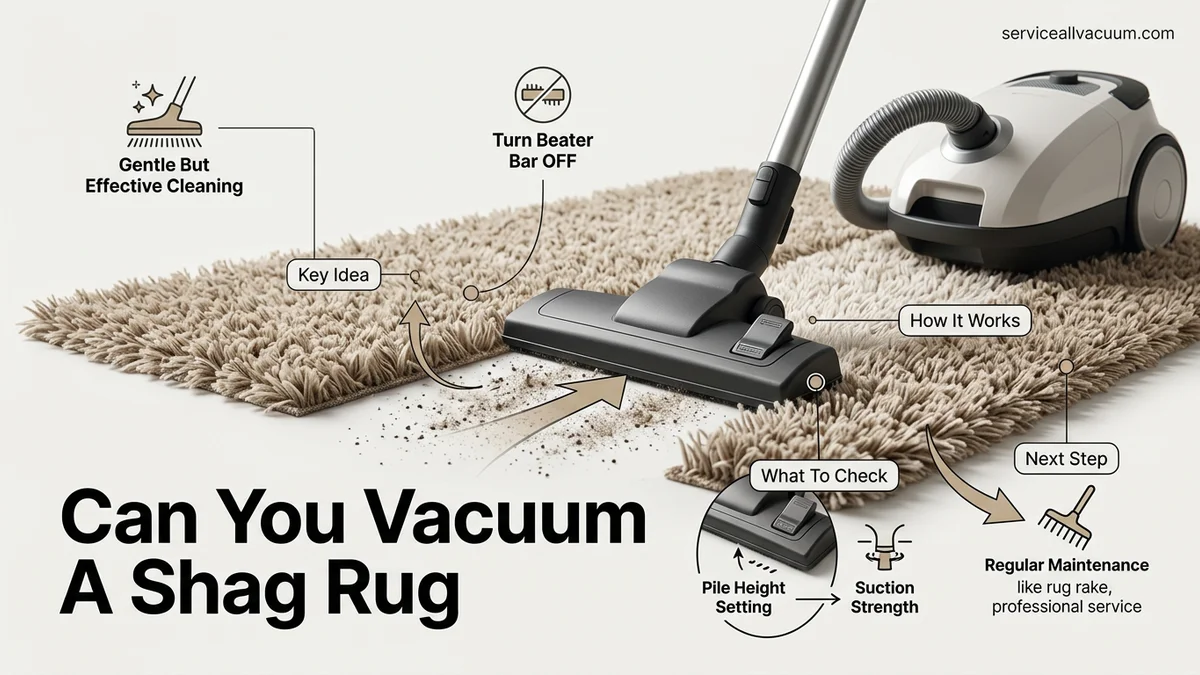
Yes, you can vacuum a shag rug, but doing it incorrectly can easily fray or pull the delicate fibers. The secret to safe cleaning is using a suction-only setting and completely turning off the rotating beater bar or brush roll.
Yes, you can vacuum a shag rug, but you must disable the spinning brush roll and use suction-only mode to prevent severe fiber damage. Standard rotating vacuum brushes act like a mechanical blender on long, loose shag fibers, pulling, twisting, and ripping them right out of the rug backing.
Maintaining a high-pile rug in 2026 requires modern cleaning techniques that protect your investment. Shag rugs trap dirt, pet dander, and debris deep near the core where regular foot traffic grinds the particles against the yarn. Without proper vacuuming, these abrasive elements shorten the lifespan of your rug significantly.
Key Takeaways
- Always turn off the beater bar to prevent pulling and ruining shag rug fibers.
- Use a suction-only setting or a specialized hard floor attachment for deep pile carpets.
- Vacuum slowly in multiple directions to lift embedded dirt without tangling threads.
- Secure or avoid tassels entirely to prevent them from getting sucked into the vacuum.
- Supplement vacuuming with manual shaking or a carpet rake to maintain deep pile fluffiness.
Why Traditional Vacuuming Damages Shag Rugs
Most modern upright vacuums use aggressive rotating bristles designed to agitate short, commercial-grade carpets. When these bristles encounter the thick, unstructured piles of a shag rug, disaster strikes quickly.
The Dangers of the Beater Bar
The rotating brush roll, or beater bar, relies on high-speed friction to dislodge embedded dirt. On a shag rug, this mechanism creates major issues:
- Fiber Snagging: The fast-moving bristles catch individual yarn loops and pull them out of alignment.
- Fraying and Shedding: Constant friction frays the ends of the yarn, causing premature bald spots and unsightly fuzz.
- Belt Stalling: Long shag fibers easily wrap around the brush spindle, burning out your vacuum motor within seconds.
Excessive Suction Problems
Even without a brush roll, a vacuum with uncontrollable suction can choke on thick shag. If your vacuum clamps down on the rug and refuses to glide, you risk stretching the primary backing and pulling the tufts loose. Modern vacuums in 2026 often feature adjustable suction gates, which you must open or lower to prevent the vacuum from swallowing the rug pile whole.
How to Vacuum a Shag Rug Safely Step by Step
Safely cleaning your high-pile rug takes a bit more patience than gliding across a low-profile Berber carpet. Follow this step-by-step technique to remove deep-seated dirt without harming the fibers.
Step 1: Prep Your Vacuum and Rug
Before turning on the machine, you need to configure your cleaning tool for high-pile safety.
- Turn off the brush roll: Flip the switch or press the button to disengage the rotating agitator brush completely.
- Adjust the height setting: Set your vacuum to the highest carpet setting to create space between the vacuum head and the rug surface.
- Secure the fringes: Tuck loose fringe ends under the rug or use painters tape to hold them down so they do not get sucked into the nozzle.
Step 2: Execute the Slow Push and Pull
Speed is your enemy when dealing with shag rugs. Move the vacuum head across the rug at half your normal walking speed. This gives the restricted airflow enough time to pull dust particles up through the deep layers of yarn. Vacuum from multiple directions—first north-to-south, then east-to-west—to release stubborn grit trapped at the base of the pile.
How to Adjust Your Vacuum Settings for Deep Pile Rugs
Proper calibration is essential when dealing with the high-density fibers of a modern 2026 shag carpet. Standard settings will trap your vacuum head, fray the fibers, or cause the motor to overheat from restricted airflow. Adjusting your machine requires specific attention to height, suction, and brush roll configuration.
Adjusting Height and Suction
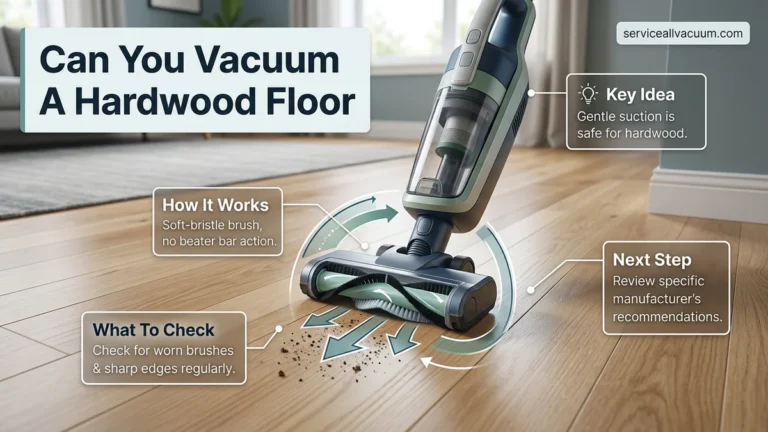
- Elevate the vacuum deck to its highest setting to ensure the brush roll floats safely above the thick backing.
- Open the suction release valve or adjust the bypass port if your model features variable airflow control.
- Test a corner of the rug by moving the vacuum forward slowly; if it drags heavily, raise the height by another notch.
Disengaging the Roller Brush
- Locate the brush roll switch on the handle or housing and turn it completely off.
- Rely solely on straight suction power to draw debris upward without agitating or pulling out the delicate yarn strands.
- Switch to a dedicated bare-floor attachment or a smooth turbo tool if your upright vacuum lacks a manual brush shutoff.
What to Do If Your Shag Rug Still Holds Trapped Dirt
If vacuuming fails to remove deeply embedded grit, allergens, and pet dander from your thick pile rug, standard maintenance is no longer enough. Accumulated particulate matter breaks down fibers from the base, requiring targeted intervention strategies used by textile restoration specialists.
- Flip and beat the rug: Carry the rug outside in 2026, lay it face down over a sturdy railing, and beat the back firmly with a broom handle to dislodge trapped soil from the foundation.
- Use a specialized carpet rake: Pull a rubber-tined carpet rake through the fibers to loosen matted dirt and lift the pile before making another dry vacuum pass.
- Apply dry extraction powder: Sprinkle a biodegradable absorbent compound across the rug, work it deep into the pile with a soft brush, and let it bind to oils and dirt for 45 minutes before vacuuming thoroughly.
- Hire professional cleaners: If deep-set odors or heavy grit persist, enlist a certified rug cleaning service for specialized immersion washing or low-moisture encapsulation. Professional rug cleaning typically ranges from $1.50 to $4.00 per square foot depending on fiber type and density.
Conclusion
Maintaining a shag rug requires specialized care, gentle suction, and disabled brush rolls to prevent long-term fiber damage. By adjusting your vacuum height and implementing manual shaking techniques, you can successfully eliminate hidden grit without destroying your investment. According to verified research and expert sources from the Carpet and Rug Institute, routine maintenance paired with annual deep cleaning extends high-pile textile lifespans by up to 50 percent. Your immediate next step is to inspect your vacuum’s height settings and turn off the rotating agitator brush before your next cleaning session in 2026.
❓ Frequently Asked Questions
Can you vacuum a shag rug with a Dyson or cordless vacuum?
Yes, most modern cordless vacuums allow you to turn off the motorized brush head. Simply switch the vacuum to its bare floor mode to rely strictly on suction.
What happens if a shag rug fiber gets caught in the vacuum?
Turn off the vacuum immediately to prevent the motor from pulling out a large chunk of backing. Gently untangle or carefully snip the trapped fiber if necessary.
How can I clean a shag rug without a vacuum?
You can take smaller rugs outside and shake them vigorously. Alternatively, use a carpet rake or broom to manually loosen and sweep away trapped debris.
Are upright vacuums safe for high-pile shag carpets?
Upright vacuums are often too heavy and aggressive for shag rugs. If you must use one, ensure the brush roll can be completely deactivated and the wheels glide easily over the pile.
Should I use carpet powder or baking soda on a shag rug?
Avoid heavy carpet powders, as they easily sink to the bottom of deep shag piles and become nearly impossible to fully vacuum out, leading to fiber stiffness.
How do you fluff a matted shag rug after vacuuming?
Use a specialized carpet rake or a wide-toothed comb to gently lift the fibers back into place and restore the rug’s original plush texture.