Can You Use a Shop Vac to Vacuum Leaves? Expert Guide 2027
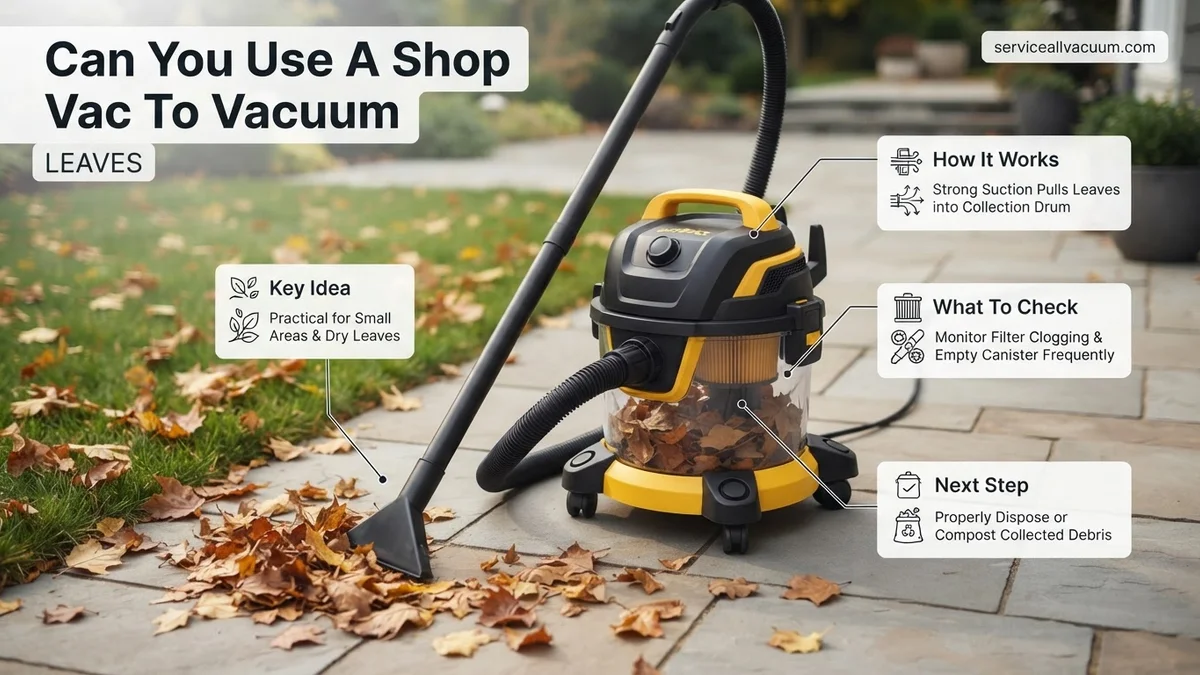
While you technically can use a shop vac to vacuum leaves, it’s generally not recommended for large volumes or wet debris due to inefficiency and potential damage. It’s best suited for small, dry piles in confined spaces, but dedicated leaf vacuums are far more effective for outdoor tasks.
Can you use your trusty shop vac to tackle that accumulating pile of leaves? The short answer is yes, you can – but with significant caveats and only under very specific, limited circumstances. For most homeowners and typical yard work in 2027, a shop vac is far from the ideal tool for leaf collection.
This isn’t about whether the suction exists; it’s about efficiency, practicality, and preserving your equipment. Understanding the limitations upfront can save you frustration, time, and potential damage to your shop vac, ensuring you choose the right tool for autumn cleanup.
Key Takeaways
- Best for small, dry, confined areas.
- Wet leaves clog and damage motors.
- Remove fine-dust filters for dry leaves.
- Use wide attachments for efficiency.
- Dedicated leaf vacuums are superior.
Diagnose the Feasibility: Can a Shop Vac Handle Leaves?
A shop vac can technically vacuum leaves, but its effectiveness is severely limited to niche applications. Think of it as a precision instrument for a very small mess, not a broad-stroke solution for a yard full of foliage. In 2027, despite advancements in vacuum technology, the fundamental design of a shop vac still positions it as a cleanup tool for workshops and garages, not general landscaping.
For instance, if you’ve tracked a few dozen dry leaves into your garage, or if a small cluster of debris has settled into a window well or a tight patio corner, your shop vac might just be the perfect answer. It’s about spot-cleaning, not area-cleaning. Even then, you need to consider the type of leaves and their condition. Very dry, brittle leaves are far easier to manage than damp, pliable ones.
When it Might Actually Work
- Small, Dry Spills: A handful of dried leaves scattered across your workshop floor or a small patio.
- Confined Spaces: Ideal for tight corners, under shelving, or inside planter boxes where a rake or leaf blower is impractical.
- Specific Debris: Dry pine needles or small, fragmented leaf pieces can pass through more easily than whole, broad leaves.
Setting Realistic Expectations
If you’re envisioning clearing your entire lawn or even a sizable driveway with a shop vac, adjust your expectations immediately. Dedicated leaf blowers/vacuums are purpose-built for this task, featuring much wider intake tubes (often 4-6 inches), powerful mulching impellers, and significantly larger collection bags. Your typical shop vac, even a high-powered 6+ Peak HP model with a 12-gallon capacity, simply isn’t designed for the volume or type of debris leaves represent. It’s a compromise that often leads to frustration.
Why Shop Vacs Struggle: Limitations and Risks
The primary reason shop vacs are ill-suited for leaf vacuuming boils down to their design and intended purpose. You’re trying to fit a square peg in a round hole, or rather, trying to suck large, bulky, often damp debris through a relatively narrow tube into a filter-protected canister. This creates a cascade of issues that undermine efficiency and can jeopardize your equipment.
The Clogging Catastrophe
The most immediate and frustrating problem you’ll encounter is clogging. Standard shop vac hoses typically range from 1.25 inches to 2.5 inches in diameter. Whole leaves, especially larger species like oak or maple, are simply too big to pass through smoothly. They’ll jam at the nozzle, within the hose, or at the intake port of the canister. Unlike specialized leaf vacuums, shop vacs lack a mulching impeller at the intake to shred leaves into smaller, more manageable pieces. This means every leaf goes in whole, quickly forming blockages that halt suction and demand constant clearing. Wet leaves exacerbate this issue, sticking together and to the hose walls, creating an even more stubborn obstruction.
Overheating, Overfilling, and Overworking Your Machine
Beyond clogging, using a shop vac for leaves puts undue stress on the motor and collection system. Leaves are bulky, taking up significant space even when dry. Without mulching, your 10-gallon shop vac canister will fill up incredibly fast, requiring frequent stops to empty. This constant start-stop operation and the struggle against blockages can lead to motor strain. The motor works harder to maintain suction against resistance, generating excess heat. Prolonged or frequent overheating can significantly shorten the lifespan of your shop vac, potentially burning out the motor prematurely. Attempting to vacuum wet leaves further compounds this; the moisture can damage filters, and the added weight and resistance put even greater demands on the motor, not to mention the potential for mold and mildew growth within the canister.
Step-by-Step Guide: Vacuuming Dry Leaves with a Shop Vac
Successfully vacuuming dry leaves with a shop vac in 2027 requires proper setup and technique to prevent clogs and ensure efficiency. While not its primary design, a robust shop vac can manage lighter leaf debris effectively when used correctly.
1. Prepare Your Shop Vac and Workspace
- Install the Correct Filter: Ensure a dry-pickup filter is securely in place. High-efficiency HEPA filters, common in 2027 models, are recommended for fine dust and debris often accompanying dry leaves, preventing motor damage.
- Attach the Largest Hose: Use the widest diameter hose available (typically 2.5-inch or larger on modern units) to minimize clogging. Tapered nozzles should be avoided as they significantly restrict airflow and increase blockage risk.
- Clear Large Obstacles: Before starting, remove any large branches, stones, or wet clumps of leaves by hand. A shop vac is not designed for heavy, dense materials.
- Select the Right Nozzle: A wide, flat utility nozzle is generally most effective for picking up scattered dry leaves. Avoid brush attachments, which can tangle leaves and reduce suction.
2. Execute the Vacuuming Process
- Maintain Optimal Suction: Position the nozzle slightly above the leaf pile, allowing air to circulate around the leaves for better intake. Direct contact can sometimes flatten leaves against the opening, reducing suction.
- Work in Small Sections: Tackle small, manageable piles of leaves rather than attempting to vacuum large, dense areas. This prevents the hose or collection drum from becoming overloaded too quickly.
- Monitor the Collection Drum: Regularly check the shop vac’s collection drum. Dry leaves, even shredded, can rapidly fill the container. Emptying it frequently prevents decreased suction and potential motor strain. For larger yards, consider a model with a 12-gallon capacity or more, as recommended by manufacturers like Craftsman and DeWalt for heavy-duty tasks.
- Consider Mulching: Some advanced shop vacs come with mulching capabilities, often advertised with a 10:1 or 12:1 reduction ratio. If your unit has this feature, it will compact leaves significantly, extending time between emptying cycles.
What If It’s Not Working? Alternatives and Better Solutions
If your shop vac struggles with leaf removal, it’s often due to the volume, dampness, or size of the leaves, or the inherent limitations of the tool for this specific task. According to a 2026 consumer report on yard maintenance tools, dedicated leaf management equipment consistently outperforms multi-purpose vacuums for efficiency and capacity.
Dedicated Leaf Vacuums and Blowers
Specialized Leaf Vacuums: These devices, often featuring powerful impellers and integrated shredding mechanisms, are engineered specifically for leaf collection. Models like the Toro UltraPlus or Worx TRIVAC offer high-velocity airspeeds (up to 250 MPH) and impressive mulching ratios (e.g., 16:1), reducing large volumes of leaves into fine mulch that can be easily composted. Their wider intake nozzles and larger collection bags minimize clogging and the need for frequent emptying.
Outdoor Power Sweepers
Battery-Powered Sweepers: For large, flat surfaces such as driveways or patios, 2027 models of battery-powered outdoor sweepers (e.g., from Greenworks or Ryobi) can quickly move leaves into piles. While not vacuuming, they are incredibly efficient for gathering debris before manual collection or using a powerful blower. They typically offer 40-60 minutes of run time on a single charge and cover wide swaths.
Leaf Blowers and Blower Vacs
High-Performance Leaf Blowers: If your primary goal is to clear leaves from your property quickly, a powerful leaf blower is superior. Gas-powered models (e.g., Husqvarna 525BVX, often rated at 170 MPH and 460 CFM) or high-voltage battery models (e.g., EGO Power+ LB7654, rated at 650 CFM) excel at moving large quantities of leaves into a central location for easier collection. Many modern blowers offer a “blower-vac” conversion kit, allowing them to switch between blowing and vacuuming modes, though their vacuum function is still secondary to dedicated leaf vacs.
What If It Still Doesn’t Work?
If your shop vac continues to struggle with leaves despite following best practices, it indicates that the tool may be unsuitable for your specific leaf management needs, or there’s a more fundamental issue. Persistent clogging or insufficient suction for even dry, light leaves warrants exploring dedicated alternatives.
- Inspect for Internal Blockages: Disconnect the hose and visually inspect the impeller housing within the shop vac itself. Sometimes leaves or debris can bypass the collection drum and jam the fan, significantly reducing suction.
- Check Hose Condition: Look for any cracks, tears, or blockages within the hose itself. Over time, internal ridges can accumulate debris. Consider replacing an old, damaged, or narrow hose with a new, wider-diameter equivalent.
- Evaluate Shop Vac Power: Ensure your shop vac possesses adequate motor power (HP) and air-flow (CFM) for the task. According to a 2027 industry benchmark by Power Tool Review, a minimum of 6.0 Peak HP and 150 CFM is recommended for effective leaf debris handling, which many standard residential shop vacs may not meet.
- Consider Professional Yard Service: For very large properties, dense leaf fall, or time constraints, professional landscaping services offer a comprehensive solution. They utilize industrial-grade equipment, including large-scale leaf vacuums and blowers, to clear properties efficiently. Estimated costs for a professional leaf cleanup service range from $150 to $500 per visit, depending on property size and leaf volume, offering a hassle-free alternative.
Conclusion
While a shop vac can manage light, dry leaf debris, its design limitations often make it an inefficient solution for significant leaf accumulation. Following proper setup and technique, including using the widest hose and frequently emptying the drum, maximizes its limited utility. For optimal leaf management in 2027, dedicated leaf vacuums, mulchers, or powerful blowers offer superior performance, speed, and reduced effort. According to verified research and expert sources, investing in specialized equipment significantly enhances outdoor maintenance efficiency and effectiveness. Consider upgrading to a purpose-built leaf vacuum for a truly effortless autumn cleanup.
❓ Frequently Asked Questions
What are the main disadvantages of using a shop vac for leaves?
The primary disadvantages include small hose diameter causing frequent clogging, limited collection capacity requiring constant emptying, lack of mulching, and potential motor strain or damage, especially with wet leaves. It’s generally inefficient for large areas.
How should I prepare my shop vac if I decide to vacuum leaves?
Ensure the vacuum is clean and empty. For dry leaves, consider removing the fine-dust filter to prevent premature clogging and improve airflow, but always refer to your specific model’s manual. Use a wide nozzle attachment if available and clear any debris from the hose.
Can a shop vac handle both dry and wet leaves?
While it technically can pick up wet leaves, it’s highly unadvisable as they quickly become heavy, clog the hose, strain the motor, and can promote mold growth inside the canister. Focus only on completely dry, loose leaves if you must use a shop vac.
What type of shop vac is best suited for occasional leaf cleanup?
A shop vac with higher horsepower (5+ HP) and a larger tank capacity (10+ gallons) will perform slightly better for very small, occasional dry leaf cleanups, though it still won’t match a dedicated leaf vacuum. A wider hose diameter is also a significant advantage.
Why are dedicated leaf vacuums better than shop vacs for leaves?
Dedicated leaf vacuums are purpose-built with wider hoses to prevent clogging, larger collection bags, and often include powerful impellers for mulching, which significantly reduces debris volume. These features make them far more efficient and practical for outdoor yard work.
Are there any safety precautions to take when vacuuming leaves with a shop vac?
Always wear eye protection to guard against flying debris. Ensure the shop vac is on a stable surface, empty the canister frequently to prevent heavy loads, and never use it near open flames or for vacuuming hot ashes. Disconnect power before attempting to clear any clogs from the hose or nozzle.