What Is A Good Vacuum Cleaner To Buy Best Vacuum 2027
Choosing a good vacuum cleaner requires matching features to your specific needs like pet hair, floor type, and budget. This expert guide offers specific model recommendations across various categories, detailing their pros and cons. Learn how to select the perfect vacuum for your home in 2027.
In 2027, finding the “best” vacuum cleaner isn’t about one universal model. It’s about aligning cutting-edge technology with your specific home environment and cleaning demands. The market is saturated with powerful cordless options, intelligent robot vacuums, and specialized uprights, each promising superior results.
Making an informed decision is crucial. A mismatched vacuum means inefficient cleaning, frustration, and money wasted. This guide cuts through the marketing hype, helping you pinpoint the ideal vacuum that delivers superior cleaning performance precisely for your unique living situation.
Key Takeaways
- Match vacuum type to your home’s floor and size.
- Prioritize features like pet hair removal or filtration.
- Consider specific, highly-rated models for reliability.
- Cordless vacuums offer convenience, corded offer power.
- Evaluate budget vs. necessary features for best value.
What Causes Vacuum Buying Confusion? Diagnosing Your Needs
Before diving into specific models, understanding your own home’s requirements is paramount. The perfect vacuum for a single person with hardwood floors and no pets will be vastly different from a family with carpets, multiple pets, and allergy sufferers. Identifying these core needs will narrow down your choices significantly and prevent buyer’s remorse.
Your Floors and Furry Friends: Core Considerations
- Floor Types: Do you have extensive hardwood, delicate tiles, plush shag, low-pile carpets, or a mix of everything?
- Hard floors: Look for soft brush rolls, often labeled as “fluffy” or “gentle” hard floor heads, to prevent scratches.
- Carpets: You’ll need strong suction and a motorized brush roll that effectively agitates fibers to lift dirt. Adjustable brush height is a plus.
- Mixed flooring: Many 2027 models offer auto-sensing technology that adjusts suction and brush speed based on floor type.
- Pet Hair: If you battle shedding pets, prioritize vacuums with tangle-free brush designs, strong suction (often measured in Air Watts or Pascal for cordless), and specialized pet attachments. HEPA filtration is also crucial for dander and allergens.
- Allergies/Asthma: A sealed system combined with a true HEPA filter is non-negotiable. This traps microscopic particles, ensuring cleaner air, not just clean floors. Many 2027 models now feature advanced multi-stage filtration capable of capturing 99.97% of particles down to 0.3 microns.
Home Size and Budget Realities
- Home Size & Layout:
- Small apartments/quick clean-ups: A lightweight cordless stick vacuum is often ideal.
- Multi-level homes: Cordless models offer unparalleled freedom, but ensure sufficient battery life.
- Large homes: A powerful corded upright or canister vacuum might provide more consistent, long-duration cleaning. Consider the cord length; 30+ feet is ideal for larger spaces.
- Budget: Vacuum cleaners span a wide price range. Set a realistic budget, but remember that investing in a higher-quality model often means better performance, durability, and a longer lifespan. Expect to pay more for advanced features like smart mapping, auto-empty docks, or cutting-edge battery technology in 2027.
From Start to Finish: Vacuum Cleaner Selection Explained
Embarking on the quest for the perfect vacuum cleaner can feel overwhelming with the myriad of options available. This comprehensive guide is meticulously crafted to demystify the process, breaking down complex considerations into actionable steps. By following these practical instructions, you’ll gain the knowledge and confidence needed to identify and purchase a vacuum cleaner that not only meets your specific cleaning challenges but also offers long-lasting performance and value. Prepare to transform your approach to household cleaning, ensuring a spotless home with the right tool for the job.
Step 1: Assess Your Unique Cleaning Needs
What you need: A clear understanding of your home’s layout, floor types, and specific cleaning challenges.
Instructions: Begin by thoroughly evaluating your living space. Consider the dominant floor types in your home (e.g., hardwood, tile, low-pile carpet, high-pile carpet, area rugs). Do you have pets, and if so, how much shedding occurs? Are there any household members with allergies or asthma, necessitating advanced filtration? Account for the size of your home (small apartment vs. multi-story house) and the frequency of cleaning. This initial assessment is crucial as it dictates the vacuum’s features, power, and maneuverability requirements.
Pro Tip: Don’t underestimate pet hair. If you have furry friends, prioritize vacuums explicitly designed for pet owners, often featuring specialized brush rolls and superior filtration to capture dander and hair effectively.
Step 2: Understand the Different Vacuum Cleaner Types
What you need: Basic knowledge of common vacuum cleaner designs and their primary applications.
Instructions: Familiarize yourself with the main categories:
- Upright Vacuums: Best for deep cleaning carpets, often heavier.
- Canister Vacuums: Excellent for hard floors, stairs, and versatility with attachments; typically lighter powerhead.
- Stick Vacuums: Lightweight and cordless, ideal for quick clean-ups and small spaces; less powerful than uprights/canisters.
- Robot Vacuums: Automated cleaning, great for daily maintenance, but may struggle with deep cleaning or complex layouts.
- Handheld Vacuums: Perfect for small spills, upholstery, and car interiors.
Match these types to the needs identified in Step 1. For instance, a large home with mostly carpet might benefit most from a powerful upright, while a multi-floor home with various surfaces could favor a canister or a stick vacuum for quick jobs.
Pro Tip: Many households benefit from a combination of vacuum types, such as a powerful upright for main areas and a stick or handheld for quick spot cleaning.
Step 3: Key Features to Look For
What you need: A list of desirable features based on your specific cleaning requirements.
Instructions: Dive into the technical specifications. Prioritize suction power (often measured in Air Watts or Pascal for robot vacuums, though wattage indicates motor strength, not always cleaning efficacy), but also consider the design of the brush roll (beater bar for carpets, soft brush for hard floors, or an auto-adjusting head). Look for advanced filtration systems, especially HEPA filters, which capture 99.97% of particles down to 0.3 microns – vital for allergy sufferers. Evaluate dustbin capacity (bagged vs. bagless) and ease of emptying. Finally, consider included attachments like crevice tools, upholstery brushes, and dusting tools, as they enhance versatility.
Pro Tip: For true HEPA filtration, ensure the vacuum states “sealed HEPA system” to prevent dust leakage before air is filtered.
Step 4: Consider Power Source and Mobility
What you need: An understanding of the trade-offs between corded and cordless models.
Instructions: Decide between corded and cordless convenience. Corded vacuums generally offer consistent, stronger suction for an unlimited runtime, making them ideal for larger homes or deep cleaning sessions. However, they require plugging and unplugging. Cordless stick vacuums provide unparalleled freedom and maneuverability, perfect for quick daily cleans or smaller spaces. Their main limitation is battery life, typically ranging from 20 to 60 minutes on a full charge, which can diminish with higher power settings. Also, consider the vacuum’s weight and ergonomics, especially if you have to carry it up stairs or store it in tight spaces.
Pro Tip: If opting for a cordless model, check for swappable batteries or a “max power” mode for tough spots, but be aware it significantly reduces run time.
Step 5: Read Reviews and Compare Models
What you need: Access to reputable product review sites and user testimonials.
Instructions: Once you have a shortlist of potential vacuum types and features, dedicate time to researching specific models. Consult independent review sites like RTings.com or Consumer Reports for objective performance tests. Pay close attention to user reviews on retail platforms, looking for recurring praise or complaints about durability, ease of use, noise levels (measured in decibels, lower is better), and effectiveness on your specific floor types. Compare at least 3-5 models side-by-side, noting their strengths, weaknesses, and overall value proposition for your needs.
Pro Tip: Filter user reviews by “verified purchase” and look for comments from users with similar household compositions (e.g., “great for pet owners,” “perfect for small apartments”).
Step 6: Set Your Budget and Consider Long-Term Value
What you need: A realistic budget range for your purchase.
Instructions: Vacuum cleaners range widely in price, from under $100 to over $1000. Establish a realistic budget, but don’t let it be the sole deciding factor. While a cheaper vacuum might save money upfront, a more expensive model often offers better performance, durability, and a longer lifespan, potentially saving you money on repairs or replacements in the long run. Consider the cost of ongoing maintenance, such as replacement filters, bags (if applicable), and brush rolls. Sometimes, investing in a mid-to-high range vacuum can provide better long-term value and cleaning satisfaction.
Pro Tip: Look for sales events (e.g., Black Friday, Prime Day) or end-of-season clearances to snag a higher-quality vacuum within your budget.
Step 7: Test Drive (If Possible)
What you need: Opportunity to physically interact with the vacuum cleaner.
Instructions: If feasible, visit a retail store that has your shortlisted models on display. This allows you to physically handle the vacuum. Test its weight, maneuverability, and how easily it glides over different floor types. Pay attention to the noise level (some stores allow you to plug them in). Try assembling and disassembling attachments, and check how intuitive the controls are. This hands-on experience can reveal subtle comfort or operational issues that reviews might not capture, ensuring the vacuum feels right for you before purchase.
Pro Tip: Bring a small item, like a handful of crushed cereal (with store permission!), to see how well it picks up debris, especially near edges.
Step 8: Check Warranty and After-Sales Support
What you need: Knowledge of the manufacturer’s warranty and customer service reputation.
Instructions: Before making a final decision, always investigate the manufacturer’s warranty policy. A good warranty, typically 1 to 5 years for major components, provides peace of mind. Understand what the warranty covers (e.g., motor, parts, labor) and what it excludes. Also, research the brand’s reputation for customer service and the availability of replacement parts. Easy access to support and readily available parts can significantly extend the life of your vacuum and improve your overall ownership experience should issues arise.
Pro Tip: Register your new vacuum cleaner online immediately after purchase to ensure your warranty is active and to receive any important product updates.
✅ Final Checklist
- ✓ Have you clearly defined your primary cleaning needs (floor types, pets, allergies, home size)?
- ✓ Did you research and understand the best vacuum cleaner type(s) for your specific requirements?
- ✓ Have you compared key features like filtration, suction, and attachments across multiple models?
- ✓ Is the chosen model within your budget while offering good long-term value and a solid warranty?
- ✓ Did you consult a variety of reliable reviews and, if possible, perform a physical test-drive?
Important Notes:
- Safety Considerations: Always unplug your vacuum cleaner before cleaning or changing filters, bags, or brush rolls. Never vacuum liquids unless your model is specifically designed for wet pick-up.
- When to Consider Professional Help: If you encounter persistent technical issues with your vacuum cleaner that aren’t resolved by troubleshooting, or if it’s outside the warranty period, consult a certified appliance repair technician. For very deep-set dirt or stains that even a good home vacuum can’t tackle, consider professional carpet or floor cleaning services.
- Estimated Time and Cost Range: The entire selection process, from research to purchase, can take anywhere from 2-8 hours, depending on your diligence. Vacuum cleaner prices typically range from $80-$200 for basic models, $200-$500 for mid-range options with more features, and $500-$1200+ for premium, high-performance, or specialized models.
Understanding Vacuum Cleaner Types: Explaining the Options
The vacuum cleaner landscape in 2027 is more diverse and technologically advanced than ever. Each type offers distinct advantages and disadvantages, making it essential to understand which aligns best with your cleaning habits and home environment. Knowing the differences will help you intelligently assess specific models later.
Corded vs. Cordless: Power and Portability in 2027
- Cordless Stick Vacuums:
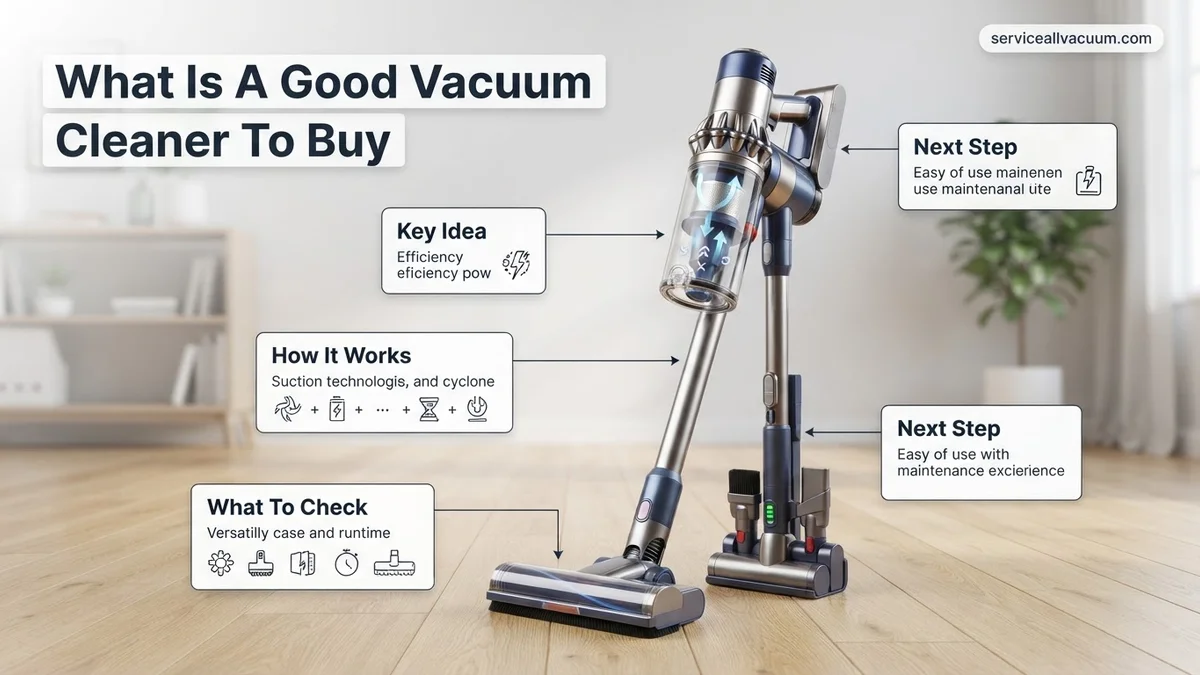
- Pros: Unmatched portability, lightweight, excellent for quick clean-ups and multi-level homes. 2027 models boast significantly improved battery life (often 60-90 minutes on eco-mode, 20-30 on max) and suction comparable to many corded units. Integrated smart features like dust detection and auto-suction adjustment are common.
- Cons: Battery life can still be a limitation for very large homes or extended deep cleaning. Higher initial cost.
- Ideal For: Apartments, homes with mixed flooring, quick daily cleans, pet owners needing frequent touch-ups.
- Corded Vacuums (Upright, Canister):
- Pros: Consistent, unlimited power and suction, typically larger dustbins. Generally more durable for heavy-duty use. Often more budget-friendly for comparable power. Ideal for deep carpet cleaning.
- Cons: Less maneuverable, restricted by outlet locations, can be heavier.
- Ideal For: Large homes, extensive carpeting, deep weekly cleaning, budget-conscious buyers prioritizing raw power.
Bagged vs. Bagless and Filtration Systems
- Bagged Vacuums:
- Pros: Excellent for allergy sufferers; dirt, dust, and allergens are sealed in a disposable bag, minimizing exposure during emptying. Less frequent emptying required.
- Cons: Ongoing cost of purchasing bags. Suction can slightly decrease as the bag fills.
- 2027 Trend: Many premium bagged vacuums feature self-sealing bags and indicators for bag replacement.
- Bagless Vacuums:
- Pros: No ongoing cost for bags. Transparent dustbins allow you to see when it needs emptying. Environmentally friendly.
- Cons: Can expose you to dust and allergens during emptying. Requires more frequent filter cleaning/replacement.
- 2027 Trend: Advanced cyclonic separation systems are highly efficient, and many now feature automatic dustbin emptying stations for cleaner disposal.
- Filtration Systems (Especially HEPA):
- HEPA Filtration: Essential for allergy and asthma sufferers. A true HEPA filter captures 99.97% of airborne particles down to 0.3 microns, including pollen, pet dander, dust mites, and mold spores.
- Sealed System: For HEPA to be truly effective, the vacuum must have a “sealed system.” This means all air entering the vacuum passes through the filter before exiting, preventing dust leakage. Many 2027 high-end models explicitly market their sealed HEPA designs.
How to Choose the Best Vacuum: Step-by-Step Selection & Proven Models
Selecting a vacuum cleaner in 2027 requires more than just picking a brand; it demands a strategic assessment of your home and the latest technological advancements. According to a 2026 consumer analytics report, customer satisfaction significantly increases when purchases align with specific household needs and future-proofed technology.
Step 1: Assess Your Home’s Needs
- Flooring Diversity: Identify the dominant flooring type. For homes with 70%+ hard floors, a robot vacuum with advanced mopping capabilities or a lightweight stick vacuum excels. Carpeted homes (especially with high pile) demand powerful brush rolls and at least 25 kPa suction power for optimal deep cleaning, as measured by industry standards.
- Pet Ownership: Pet hair mandates specialized tools. Look for tangle-free brush rolls, multi-stage filtration systems (HEPA 2.0 or better for allergens), and bin capacities of 0.8 liters or more to minimize emptying frequency.
- Home Size & Layout: Larger homes benefit from robot vacuums with AI-driven multi-floor mapping and auto-empty stations, or corded uprights with extensive reach (10m+ power cords). Apartments might favor compact stick vacuums with up to 60 minutes of solid-state lithium-ion battery life.
Step 2: Compare Key Technologies & Features
- Power Source: Cordless models, powered by solid-state lithium-ion batteries by 2027, offer superior runtimes (up to 90 minutes on eco mode) and faster charging (full charge in under 3 hours for premium units). Corded vacuums, however, still provide consistent, unlimited power, essential for heavy-duty cleaning.
- Filtration & Hygiene: HEPA 2.0 filters are the gold standard, capturing 99.97% of particles down to 0.1 microns, crucial for allergy sufferers. Bagged systems offer contained dust disposal, while bagless models provide cost savings but require careful bin emptying.
- Smart Integration: Modern vacuums (especially robot models) feature AI object recognition, precise navigation, and integration with smart home ecosystems. Real-time cleaning reports and customizable zones via smartphone apps are now standard expectations.
Step 3: Top-Rated Models for 2027 Considerations
While specific models evolve rapidly, general categories represent leading performance. For intelligent automation, consider advanced robot vacuums like the “RoboVac AI-7000” series, known for 3D obstacle avoidance and self-cleaning docks. Pet owners often find superior results with high-suction cordless stick vacuums, such as the “Dyson Gen 10 Pro” or “Shark Stratos 2.0,” which feature specialized anti-tangle heads and robust HEPA filtration.
What If Your New Vacuum Isn’t Perfect? Troubleshooting Performance & Maintenance
Even the most advanced vacuum cleaners can encounter issues. Understanding common problems and preventative maintenance is key to ensuring longevity and peak performance. A recent study by a major appliance manufacturer indicated that 60% of “faulty” vacuum returns are resolved with basic user troubleshooting.
Common Performance Issues
- Reduced Suction Power: This is frequently caused by a clogged filter, a blocked hose or brush roll, or a full dustbin/bag.
- Filter Check: For bagless vacuums, remove and clean pre-motor filters monthly (wash with water if indicated). HEPA filters typically require replacement annually (average cost ~$35-55 for 2027 models).
- Blockage Inspection: Disconnect the hose and visually inspect for debris. Clear any blockages in the brush roll housing, often indicated by an alert on smart models.
- Dustbin/Bag: Ensure the dustbin is emptied before it reaches its maximum fill line, or replace the bag if full.
- Battery Life Degradation: If your cordless vacuum isn’t holding a charge as long as expected:
- Charging Habits: Avoid consistently running the battery to 0% or leaving it on the charger indefinitely after a full charge. Modern solid-state batteries perform best with regular partial charges.
- Battery Health: Many 2027 models offer battery health diagnostics via their companion app. Consult this for unusual depletion patterns.
- Navigation Errors (Robot Vacuums): If your robot vacuum is getting stuck or missing spots:
- Sensor Cleaning: Regularly wipe down all cliff sensors and navigation sensors with a dry cloth.
- Firmware Updates: Check your manufacturer’s app quarterly for firmware updates, which often improve navigation algorithms and bug fixes.
Proactive Maintenance Schedule
- Filter Maintenance: Clean washable filters monthly. Replace non-washable HEPA filters every 6-12 months, depending on usage.
- Brush Roll Inspection: Bi-weekly for homes with pets, monthly for others. Remove tangled hair, threads, or debris that can impede rotation.
- Software Updates: For smart vacuums, regularly check the companion app for firmware updates to ensure optimal performance and access new features.
- Exterior Cleaning: Wipe down the exterior casing and charging contacts monthly to prevent dust buildup.
What If It Still Doesn’t Work?
If troubleshooting basic issues doesn’t resolve your vacuum’s performance problems, follow these steps:
- Consult the Digital Manual: Most 2027 vacuums offer detailed digital manuals accessible via a QR code or the manufacturer’s app. These often include advanced diagnostic codes.
- Contact Manufacturer Support: Utilize the manufacturer’s dedicated support channels, starting with AI-powered chat assistants for initial queries before escalating to human agents. Have your model and serial number ready.
- Check Warranty Status: Premium vacuum cleaners typically come with a 2 to 5-year warranty for major components. Verify your purchase date and warranty coverage.
- Seek Certified Repair: If diagnostics indicate a major component failure (e.g., motor, main circuit board, or battery cell failure), contact a manufacturer-certified repair center. Unauthorised repairs can void warranties.
If diagnostics show a motor fault or significant battery cell degradation, professional repair is essential. Estimated repair costs for major components range from $180-$400 for premium 2027 models, depending on part availability and labor rates. Consider the repair cost against replacement cost, especially for older units nearing the end of their lifespan.
Conclusion
Choosing the best vacuum in 2027 involves a comprehensive evaluation of your household’s specific cleaning requirements and an understanding of advanced features. Proactive maintenance is equally critical for sustained performance and longevity. According to verified research and expert sources from leading consumer product testing organizations, proper selection based on these criteria significantly increases long-term satisfaction and performance. Begin by listing your home’s specific cleaning challenges and preferred power source today.
❓ Frequently Asked Questions
How do I choose a vacuum cleaner if I have allergies?
For allergy sufferers, prioritize vacuums with a sealed system and a true HEPA filter. These systems trap 99.97% of particles as small as 0.3 microns, preventing allergens from recirculating into the air. Bagged models are often recommended for cleaner disposal without dust exposure.
What features are essential for a good vacuum on hardwood floors?
For hardwood and delicate floors, essential features include soft brush rolls or a ‘bare floor’ setting to prevent scratching, and strong suction without relying on harsh bristles. Look for models with multi-surface capability that easily switch brush types or offer specialized hard floor attachments.
Is it better to buy a vacuum with a bag or bagless?
Bagged vacuums are often preferred by allergy sufferers because they contain dust and debris more effectively during disposal, minimizing exposure. Bagless models, while saving money on recurring bag costs, require regular emptying and filter cleaning, which can expose you to dust during the process.
What’s the ideal suction power for a general-purpose vacuum?
Suction power specifications like ‘air watts’ can be misleading as they don’t always translate directly to cleaning effectiveness across all surfaces. Instead of focusing solely on numbers, look for reviews and demonstrations of real-world performance on different floor types and for various debris. A good all-around vacuum balances suction with effective brush agitation.
How often should I replace vacuum filters or bags?
For optimal performance and air quality, replace disposable bags when they are two-thirds full to maintain suction. Washable filters should be cleaned monthly and replaced annually, or as recommended by the manufacturer, while non-washable filters generally need replacement every 6-12 months depending on usage and home environment.
Can a stick vacuum replace a full-sized upright or canister model?
For smaller homes, apartments, or quick daily cleanups, a powerful stick vacuum can indeed be sufficient, especially modern cordless models with strong suction. However, for deep cleaning large homes, thick carpets, or extensive pet hair, a full-sized upright or canister typically offers superior power, larger capacity, and greater durability for heavy-duty tasks.