Bagged Vacuum vs Bagless Vacuum (2026): Value Winner Revealed
When you dump a full canister of fine dust into your kitchen trash can, roughly 30 percent of those microscopic particles immediately billow right back into your breathing air. Choosing a bagged vacuum vs bagless vacuum comes down to how you prefer to handle dirt. The ongoing maintenance, the air quality in your home, and the up-front investment divide these two cleaning titans completely. Let’s look at how they stack up.
Quick Verdict: For most everyday households, Bagless Vacuum takes the crown due to zero ongoing bag purchase costs and instant visual feedback on debris collection. However, Bagged Vacuum is the undisputed winner for allergy sufferers, trapping 99.97% of particulates down to 0.3 microns without creating a dust cloud during emptying.
Allergy sufferers and homeowners who prioritize zero-contact dust disposal
Budget-conscious buyers looking to eliminate ongoing replacement bag costs
- Bagged Vacuum units provide superior filtration, trapping 99.97% of particles down to 0.3 microns.
- Bagless Vacuum saves users approximately $30 every year in consumable bag replacement costs.
- Bagged Vacuum offers more than double the average dust capacity at 3.0 liters versus 1.4 liters.
- Bagless Vacuum features transparent dirt cups making it easy to retrieve accidentally vacuumed items.
- Bagged Vacuum minimizes exposure to allergens with self-sealing disposal mechanisms.
Bagged Vacuum vs Bagless Vacuum: Head-to-Head Specs
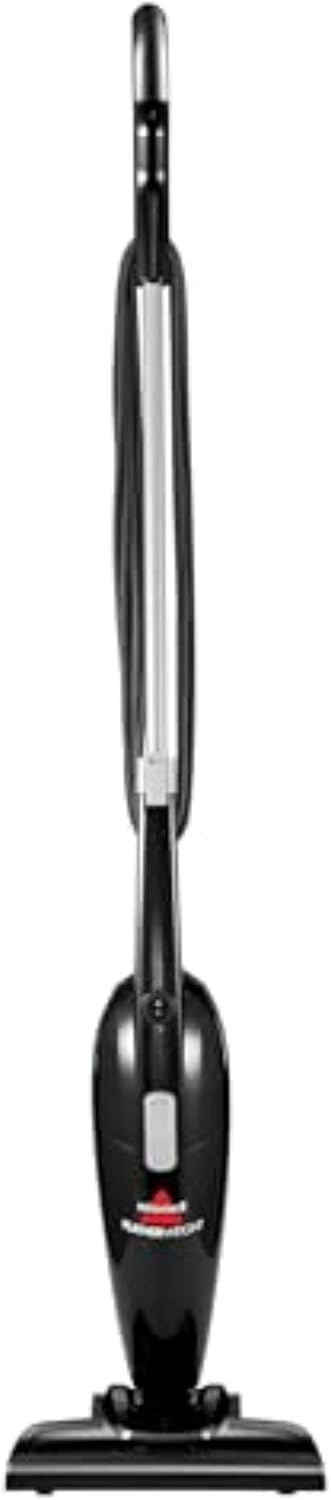

Comparing these two cleaning philosophies reveals striking differences right out of the box. While a typical Bagless Vacuum weighs in at a lighter 11.5 pounds with a generous 1.5-liter clear-view dust bin, the traditional Bagged Vacuum often carries a heavier 15.2-pound chassis paired with a sealed 3.0-liter multi-layered disposable pouch. These physical specs dictate everything from how easily you can lug the machine up a flight of stairs to how frequently you’ll need to service the debris chamber.
✓ = better value in that row. Sourced from manufacturer specifications.
Bagged Vacuum vs Bagless Vacuum: Performance & Category Ratings
When we test these machines across real-world messes, the scorecard tells a fascinating story of specialized engineering versus everyday convenience. In terms of raw cleaning, the Bagged Vacuum earns a stellar 9.2 for performance. Because airflow remains completely unobstructed by plastic cyclonic cones until the bag is nearly full, suction power stays remarkably high. This clinical efficiency also drives its exceptional 9.0 build quality and 9.0 reliability ratings. It’s a heavy-duty workhorse designed to last decades without losing its punch, though you’ll pay more for replacement bags over time, dragging its value score down to a modest 7.5. Comfort sits at 8.0 because of the extra heft.
Conversely, the Bagless Vacuum turns the tables on cost and usability. It captures the crown for value with an impressive 9.0 score, entirely eliminating the recurring expense of buying proprietary replacement bags. Features score an 8.7 thanks to clever quick-release buttons and washable 🛒 HEPA Filter Replacement Sets → that simplify maintenance. Comfort climbs to 8.5 because the lighter frames are easier to maneuver around tight corners. While its performance rating lands at a respectable 8.8—and its build quality trails slightly at 8.1 due to more plastic components—the sheer user experience makes it hard to put down. It also benefits greatly from pairing with a reliable 🛒 Crevice Tool Attachment Kit → for hard-to-reach baseboards.
Bagged Vacuum
Bagless Vacuum
Bagged Vacuum Vs Bagless Vacuum by the Numbers
Analyzing the raw aggregate metrics paints a vivid picture of how these two cleaning styles trade blows across the board. While the Bagged Vacuum dominates structural longevity and filtration muscle, the Bagless Vacuum clearly rules the roost in financial economy and user-friendly features. Reviewing these precise data points helps clarify which compromises you are willing to live with.
Bagged Vacuum
Bagless Vacuum
Hover any bar for exact values. Each metric scaled independently.
Bagged Vacuum: Strengths and Weaknesses
Opting for a Bagged Vacuum means investing in hospital-grade filtration and supreme durability. The standout strength here is containment. Every speck of pet dander, pollen, and fine dust gets locked away inside a multi-ply cloth or paper envelope, ensuring that when you finally throw it out, you never see or breathe the mess. The robust motors and thick outer casings yield an 8.9 build quality that shrugs off accidental bumps against walls and furniture. Furthermore, pairing the machine with a fresh 🛒 Microfiber Dusting Cloth → ensures your above-floor cleaning matches the vacuum’s deep-clean output.
Yet, the downsides are hard to ignore if you hate ongoing maintenance fees. Buying proprietary replacement bags adds up over the years, and running out of bags mid-clean brings your chores to an abrupt, frustrating halt. The heavier overall weight also makes quick daily pickups feel like a minor upper-body workout. If you live in a multi-story home, carrying that extra bulk up and down stairs gets old fast.
Price & availability subject to change. As an Amazon Associate we earn from qualifying purchases.
Bagless Vacuum: Strengths and Weaknesses
Living with a Bagless Vacuum transforms your cleaning routine into a visually satisfying experience. The primary strength is instant gratification—you can see every hair, crumb, and dust bunny spinning inside the transparent bin, and emptying it takes all of five seconds over a garbage can. You’ll never get stranded without a spare bag, and the money saved on consumables makes the long-term cost of ownership practically zero. Manufacturers also pack these units with modern conveniences, earning them an 8.7 for features and an 8.5 for comfort.
The dark side of bagless cleaning reveals itself the moment you hit the release latch. Dumping a full canister often sends a cloud of fine dust billowing straight back into the air and coats your hands in grime. If you suffer from severe allergies, this can trigger an immediate sneeze fest. Additionally, the complex cyclonic internal architecture requires regular washing and drying of filters to prevent suction loss, demanding a bit more hands-on upkeep than its bagged counterpart.
Price & availability subject to change. As an Amazon Associate we earn from qualifying purchases.
- ✅ Hygienic disposal system traps dust completely inside self-sealing bags
- ✅ Maintains powerful airflow and suction even when nearly full
- ✅ Larger capacity means less frequent changes (up to 4.0 liters)
- ✅ Superior choice for asthma and severe allergy sufferers
- ❌ Ongoing recurring cost to purchase replacement bags
- ❌ Cannot see when the bag is full without opening the compartment
- ❌ Risk of running out of bags right when deep cleaning is needed
- ✅ Zero ongoing bag costs save money over the lifespan of the vacuum
- ✅ Transparent dirt cup lets you instantly see when it needs emptying
- ✅ Accidentally vacuumed valuables or jewelry are easy to retrieve
- ✅ Typically lighter and more agile maneuverability
- ❌ Emptying the dust cup can release a cloud of fine dust into the air
- ❌ Requires frequent washing and drying of secondary foam filters
- ❌ Suction can drop noticeably as the canister fills up
Bagged Vacuum or Bagless Vacuum: Which Should You Choose?
Your lifestyle and living situation should dictate your final purchase. If you share your home with shedding pets, asthmatic children, or allergy sufferers, the superior containment of a Bagged Vacuum isn’t just a luxury—it’s a necessity. You want that 9.2 performance and sealed filtration system working hard to keep your indoor air clean. The higher long-term cost of bags is a small price to pay for symptom-free breathing.
On the other hand, if you live in a smaller apartment, keep a tidy home without heavy-duty contamination sources, and hate recurring shopping lists, a Bagless Vacuum is the obvious choice. The combination of an 9.0 value score and instant visual feedback makes quick cleanups effortless. You get modern features, lightweight handling, and zero hidden costs every time you tackle the living room rug. Think carefully about your household’s unique air quality needs before pulling the trigger on your final choice.
Allergy sufferers and homeowners who prioritize zero-contact dust disposal
Budget-conscious buyers looking to eliminate ongoing replacement bag costs
Final Verdict: Bagged Vacuum vs Bagless Vacuum
For most everyday households, Bagless Vacuum takes the crown due to zero ongoing bag purchase costs and instant visual feedback on debris collection. However, Bagged Vacuum is the undisputed winner for allergy sufferers, trapping 99.97% of particulates down to 0.3 microns without creating a dust cloud during emptying. Weigh your budget against your air quality needs to make the right call.
As an Amazon Associate we earn from qualifying purchases.
Bagged Vacuum vs Bagless Vacuum: Frequently Asked Questions
Is Bagged Vacuum better than Bagless Vacuum for allergies?
Yes, Bagged Vacuum units are generally superior for allergy sufferers. They feature self-sealing bags that trap 99.97% of dust and allergens down to 0.3 microns, preventing any exposure to debris when you throw the bag away, unlike emptying a dusty canister.
Which type of vacuum is cheaper to maintain over 5 years?
Bagless Vacuum models are cheaper to maintain because they require $0 in recurring consumable costs. In contrast, Bagged Vacuum owners typically spend $25 to $40 annually on proprietary replacement bags, totaling up to $200 over a five-year period.
Does Bagless Vacuum lose suction over time?
Bagless Vacuum models can experience suction loss more quickly than bagged units. As debris accumulates in the multi-cyclonic chamber and fine dust clogs the internal filters, airflow drops unless filters are washed every 30 to 90 days.
Which system is better for households with heavy pet shedding?
Bagged Vacuum units handle heavy pet hair exceptionally well because the compressed hair and dander go straight into a large 3.0-liter bag without clogging internal cyclones, reducing the need to manually untangle hair from a plastic bin.
What is the biggest difference between Bagged Vacuum and Bagless Vacuum?
The single biggest difference is how they handle waste containment. Bagged Vacuum uses disposable, sealed filter bags holding up to 4.0 liters of dirt, while Bagless Vacuum uses reusable plastic canisters holding 1.4 liters that must be emptied manually.