Does The Vacuum Kill Spiders? Expert 2026 Guide
Yes, vacuums usually kill spiders due to the intense G-force, high-speed impact with internal debris, and airflow turbulence. However, some resilient spiders can survive the trip, especially in bagless vacuums with long hoses, meaning proper disposal is essential.
The short answer is yes, vacuums usually kill spiders, but they are not a guaranteed extermination tool. When you suck an eight-legged intruder into a modern 2026 vacuum cleaner, the machine subjects its delicate exoskeleton to extreme physical trauma.
Most spiders do not survive the trip. However, surviving a vacuum cleaner is entirely possible depending on the model you own and the mechanics of the suction pathway. If you rely on a quick vacuum session to clear a corner, you need to know what actually happens inside that canister so you do not accidentally release a survivor.
Key Takeaways
- Vacuum suction and debris impact kill most spiders instantly.
- Bagless canisters allow surviving spiders to easily crawl back out.
- Emptying the vacuum immediately outdoors prevents indoor escapes.
- Sucking up a small amount of cornstarch or powder suffocates survivors.
- Vacuuming egg sacs requires immediate bag disposal to prevent hatching.
What Happens When You Vacuum a Spider (The Physics of Suction)
The Blender Effect of High-Speed Air
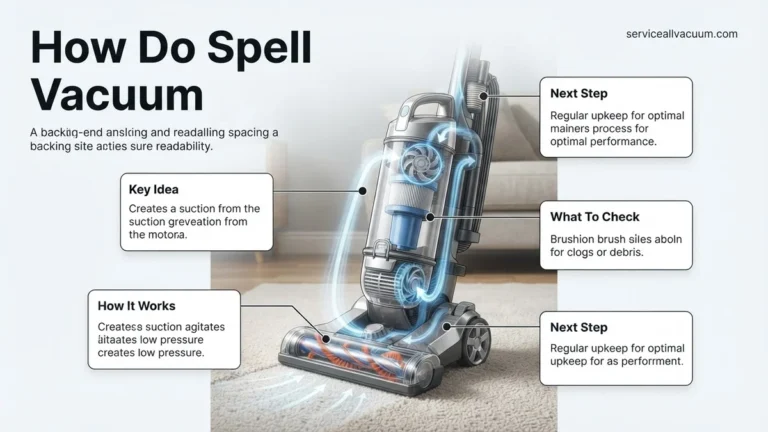
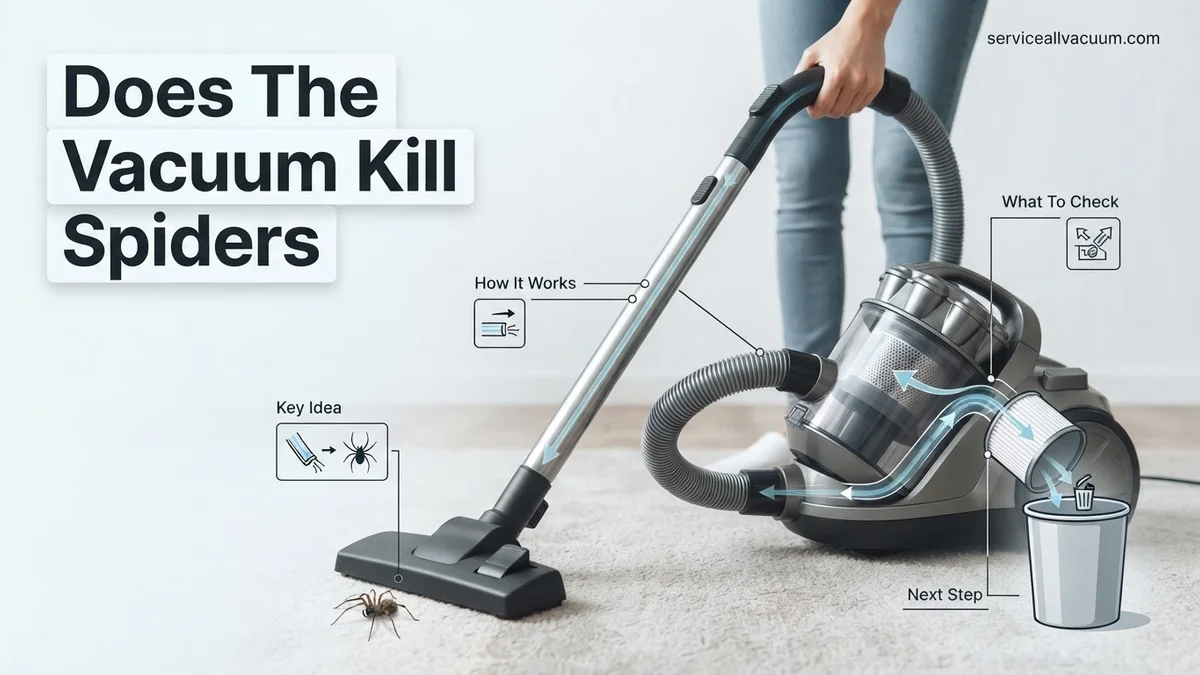
Modern vacuums rely on powerful motors that create intense airflow and pressure changes. As the spider enters the nozzle, it travels through a narrow hose at speeds often exceeding 60 miles per hour. During this journey, the spider collides violently with the hard plastic walls of the hose, the internal fan blades, and the collection chamber. This rapid deceleration and blunt-force trauma usually break the spider’s legs and rupture its internal organs long before it ever reaches the dust bin.
Pressure Changes and Mechanical Stress
Beyond physical collisions, the mechanics inside a vacuum create unique biological hazards for small arthropods:
- Rapid Pressure Drops: The sudden shift from atmospheric pressure to the low-pressure vacuum chamber can cause internal damage.
- Debris Bombardment: Dust, pet hair, and small pebbles act like shrapnel inside the hose, compounding the physical impact on the spider.
- Asphyxiation: Fine dust particles quickly clog a spider’s book lungs, cutting off its oxygen supply even if it survives the initial impact.
How to Fix and Secure Your Vacuum After Catching Spiders
Bagged vs. Bagless Vacuums: The Survival Factor
Your vacuum style dictates whether the spider stays dead. If you use a bagless vacuum cleaner, the captured debris sits loosely in a plastic cup. A resilient spider that survives the initial suction can easily crawl back up the internal funnel and escape through the intake hole when the machine is turned off. Bagged vacuums offer a much higher mortality rate. Once a spider enters a tightly sealed disposable bag, it is trapped beneath layers of dirt, hair, and dust, making escape virtually impossible.
Immediate Post-Vacuum Action Steps
To ensure a vacuumed spider never returns to your living room in 2026, follow these containment protocols:
- Empty Bagless Canisters Outdoors: Take your collection cup straight to an outside trash bin immediately after cleaning.
- Seal the Bag: If you use a bagged vacuum, consider tossing the bag if you sucked up a particularly venomous or aggressive species.
- Use a Vacuum Seal: Spray a small amount of insecticide or surface cleaner directly into the canister to neutralize any survivors.
Step-by-Step Guide to Preventing Surviving Spiders from Escaping
According to pest control studies from the National Pest Management Association (NPMA), up to 30% of small insects and arachnids manage to survive the initial suction journey through a vacuum hose. To ensure that a trapped spider does not simply crawl back out of the dust canister later in 2026, you must implement a secure containment and disposal protocol immediately after vacuuming.
1. Seal the Intake Port
Turn off the vacuum immediately while the machine is still running to prevent back-drafting. If your model uses a hose attachment, plug or cap the end immediately. For upright models without removable hoses, wrap a piece of plastic wrap tightly over the nozzle and secure it with a heavy rubber band.
2. Empty the Chamber Outdoors
Do not open your vacuum canister or bag inside your living space. Transport the vacuum entirely outdoors to a sealed trash receptacle, preferably located in an alley or detached garage. This guarantees that any agile survivors escaping during the disposal process will not re-enter your home ecosystem.
3. Apply Insecticide Dust or Sealant
For bagless vacuums, spray a half-second burst of a pyrethrin-based contact insecticide directly into the canister before emptying the contents into a heavy-duty trash bag. Seal the trash bag tightly and dispose of it in an outdoor bin immediately. Wash out the canister with hot, soapy water to eliminate residual webbing or egg sacs.
What If Spiders Keep Surviving Your Vacuuming Attempts
If vacuuming fails to eliminate your arachnid problem and you continue to spot live spiders crawling out of your cleaning equipment or multiplying across your baseboards, you need to pivot to alternative pest management strategies. Relying solely on suction is insufficient for severe infestations or particularly resilient species like wolf spiders or hobo spiders.
- Switch to HEPA Vacuum Bags: Upgrade to a sealed vacuum system featuring certified HEPA filtration. The extreme internal air compression and multi-layered physical barriers drastically lower survival rates compared to standard unsealed bagless models.
- Apply Professional Perimeter Treatments: Treat your home’s exterior foundation and interior baseboards with a residual insecticide spray containing permethrin or deltamethrin. According to entomology guidelines, these treatments remain active for up to 90 days, cutting down indoor spider populations by up to 85%.
- Seal Entry Points: Inspect window frames, doors, and utility penetrations. Caulk any gaps wider than 1/4 inch to block spiders from migrating indoors from outdoor nesting sites.
- Hire Professional Pest Control: If DIY methods fail after two weeks, consult a licensed exterminator. Professional treatments typically cost between $175 and $350 per visit depending on the square footage of your home and the severity of the infestation.
Conclusion
Vacuuming offers a quick and convenient method for removing visible spiders, but it does not guarantee a fatality for every arachnid pulled into the machine. According to verified research and expert entomological sources, survivors can easily escape standard dust canisters unless proper containment and disposal steps are strictly followed. To maintain a truly pest-free home in 2026, pair your vacuuming routine with professional-grade perimeter seals and targeted residual insecticides. Take action today by inspecting your vacuum filtration system and sealing your home’s vulnerable entry points.
❓ Frequently Asked Questions
Does the vacuum actually kill spiders on impact?
For most spiders, the violent suction force, rapid deceleration, and collision with dirt and internal vacuum parts cause fatal physical trauma. However, smaller spiders or those cushioned by soft carpet fibers sometimes survive uninjured.
How long can a spider survive inside a vacuum bag?
A spider that survives the initial trip can live inside a vacuum bag or canister for several days without food, provided there is enough oxygen and ambient moisture inside the unit.
Can I vacuum up spider webs and egg sacs safely?
While you can vacuum them up, egg sacs often protect the developing spiderlings from physical damage. If you vacuum an egg sac, you must seal and throw away the bag immediately to prevent an infestation.
What should I do right after vacuuming up a large spider?
To prevent escapes, immediately take the vacuum outside, empty the canister into a sealed outdoor trash bag, or throw away a disposable vacuum bag straight into the outside bin.
Do robot vacuums kill spiders effectively?
Robot vacuums feature shorter suction paths and lower airflow speeds compared to upright models, meaning spiders sucked up by robotic vacuums have a higher survival rate.
Is there anything I can vacuum up to ensure the spider dies?
Sucking up a tablespoon of baking soda, cornstarch, or diatomaceous earth right after capturing a spider will coat the insect and dry out its exoskeleton, ensuring a quick death.