How Long Does Vacuum Sealed Tuna Last In The Fridge 2027
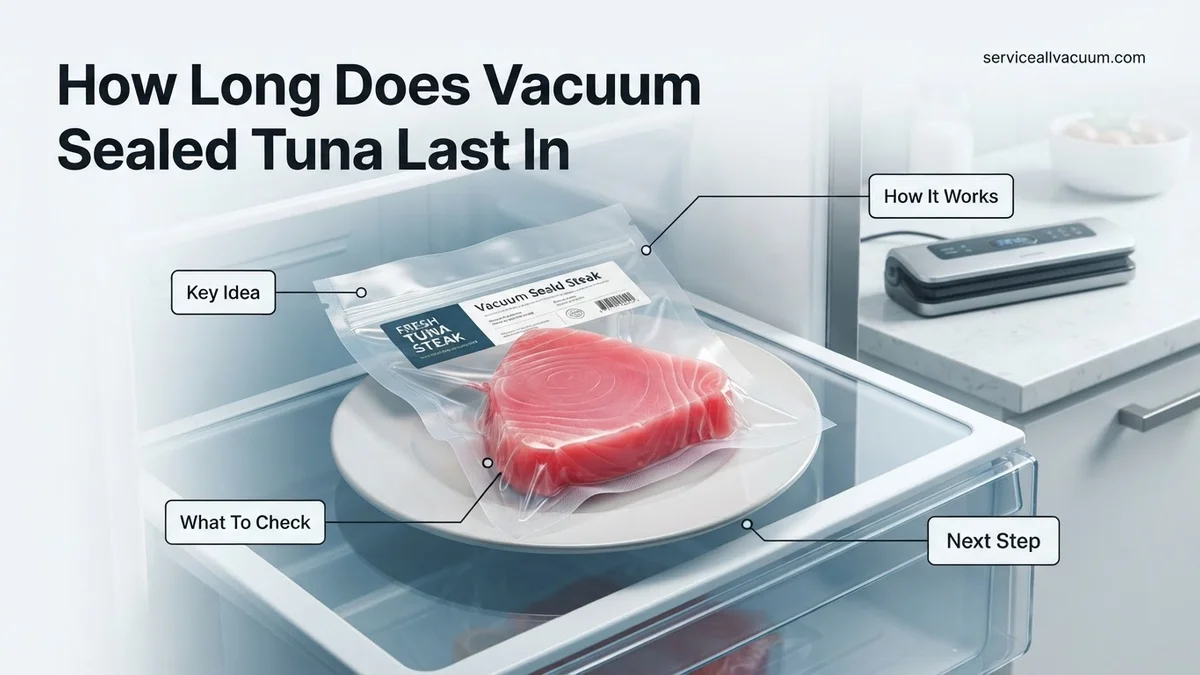
Vacuum-sealed tuna extends refrigeration time, but only for a limited period. Raw vacuum-sealed tuna typically lasts 3-5 days in the fridge, while cooked can last 5-7 days. Always prioritize food safety by checking for spoilage signs before consumption to prevent illness.
As of 2027, managing fresh protein efficiently in your kitchen means understanding its precise shelf life. For vacuum-sealed tuna, a popular choice for both convenience and extended freshness, knowing exactly how long it remains safe in your refrigerator is paramount. Here’s the direct answer you need: for raw, vacuum-sealed tuna, you should prioritize consumption within approximately 3-5 days when stored consistently at safe refrigerator temperatures. If your tuna is cooked and then properly vacuum-sealed, its safe refrigerated shelf life extends slightly, typically to about 5-7 days. Exceeding this 7-day absolute maximum for any vacuum-sealed fish in the fridge, whether raw or cooked, introduces significant safety concerns, regardless of how fresh it might appear.
This precise knowledge isn’t just about preventing food waste; it’s fundamentally about food safety. Vacuum sealing offers impressive benefits by removing oxygen, dramatically slowing the growth of common spoilage bacteria. However, it also creates an environment where a dangerous type of bacteria can thrive, making careful adherence to these timeframes critically important for your health and peace of mind when planning your meals or storing your catch. Let’s delve into what influences these durations and why these specific time limits are in place.
Key Takeaways
- Raw vacuum-sealed tuna lasts 3-5 days in fridge.
- Cooked vacuum-sealed tuna lasts 5-7 days in fridge.
- Maintain fridge at 40°F (4°C) or below.
- Check for off-odors, sliminess, or discoloration.
- Freeze for storage beyond one week safely.
What Causes Vacuum-Sealed Tuna to Spoil in the Fridge?
Bacterial Growth: Aerobic vs. Anaerobic Concerns
Even in the cold environment of your refrigerator, bacteria are actively working to break down food. For most unsealed foods, common spoilage is caused by “aerobic” bacteria, which need oxygen to multiply. These are the culprits behind the off-smells, slimy textures, and discoloration you typically associate with spoiled fish. Vacuum sealing brilliantly tackles this by removing the oxygen, effectively putting these aerobic spoilers out of business and significantly delaying their growth. This is the primary reason your vacuum-sealed tuna lasts longer than unsealed tuna.
However, an important caveat exists: “anaerobic” bacteria. These microorganisms don’t require oxygen to thrive, and some, like Clostridium botulinum, can be highly dangerous. This particular bacterium can produce a potent neurotoxin in oxygen-deprived, low-acid environments, even at refrigerator temperatures above 38°F (3.3°C). The absence of oxygen from vacuum sealing, while beneficial for inhibiting aerobic spoilage, unfortunately creates ideal conditions for C. botulinum if proper refrigeration and time limits aren’t strictly observed. This is why you cannot rely on sight or smell alone for vacuum-sealed products; the toxin is undetectable.
Temperature Fluctuations and Initial Quality
The efficacy of vacuum sealing in extending tuna’s shelf life is heavily dependent on maintaining optimal refrigerator conditions. Your fridge must consistently hold a temperature between 35-40°F (1.7-4.4°C), with 38°F (3.3°C) being ideal for vacuum-sealed fish. Even slight temperature fluctuations above this range can significantly accelerate bacterial growth, drastically reducing the safe storage window. Frequent door openings, an overstuffed refrigerator, or a faulty thermostat can all compromise these crucial temperatures.
Moreover, the initial quality of the tuna before vacuum sealing is perhaps the most critical factor. Vacuum sealing does not improve the quality of fish; it only preserves its existing state. If your tuna was not exceptionally fresh when it was sealed, its refrigerated shelf life will be inherently shorter, regardless of the vacuum seal. For cooked tuna, rapid cooling to below 40°F (4.4°C) within two hours of cooking, prior to sealing, is also essential to prevent bacterial proliferation during the cooling phase. Always start with the freshest possible tuna for the safest and longest vacuum-sealed storage.
How Vacuum Sealing Affects Tuna Shelf Life: The Science Explained
Oxygen Removal: The Primary Benefit
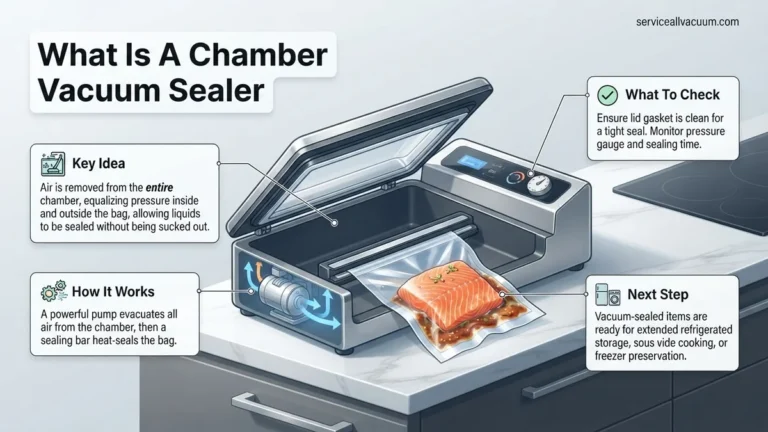
At its core, vacuum sealing extends the shelf life of tuna by creating an anaerobic environment, meaning it removes nearly all oxygen from the packaging. This simple yet powerful action directly inhibits the vast majority of spoilage mechanisms. Firstly, most of the bacteria responsible for fish spoilage—those that cause foul odors, discoloration, and slime—are aerobic, meaning they require oxygen to multiply. By removing oxygen, their growth is severely stunted or even stopped, pushing back the onset of noticeable spoilage for days, sometimes even weeks, compared to traditionally stored fish.
Beyond microbial activity, oxygen also contributes to chemical degradation. It drives oxidative rancidity, particularly in fatty fish like tuna, which causes off-flavors and odors. Oxygen can also lead to enzymatic browning and changes in color. By eliminating oxygen, vacuum sealing effectively slows these chemical processes, helping your tuna retain its fresh color, firm texture, and palatable flavor for a much longer period than if it were exposed to air. This preservation of sensory qualities is a key advantage of vacuum sealing, allowing you to enjoy tuna closer to its peak freshness.
The Clostridium botulinum Risk (and Mitigation)
While oxygen removal is a significant benefit, it introduces a specific and critical food safety concern: the potential for growth of Clostridium botulinum. This bacterium is an obligate anaerobe, meaning it thrives in oxygen-free environments, making vacuum-sealed packages a potential risk zone. When conditions are right (anaerobic, low-acid, and temperatures above 38°F/3.3°C), C. botulinum can produce a tasteless, odorless, and colorless neurotoxin that can cause severe illness, known as botulism, which can be fatal. Unlike spoilage bacteria, its presence doesn’t cause obvious signs of spoilage like bad smells or slime, making it particularly insidious.
Therefore, rigorous adherence to safety guidelines is non-negotiable for vacuum-sealed tuna. The primary mitigation strategy is stringent temperature control: your refrigerator must maintain a consistent 35-38°F (1.7-3.3°C). The FDA and USDA generally recommend that any vacuum-sealed fish, raw or cooked, should not be kept in the refrigerator for more than 7 days, and ideally less for raw products. If you cannot consume the vacuum-sealed tuna within this short refrigerated window, immediate freezing is the safest method for long-term storage, as freezing temperatures inhibit C. botulinum growth and toxin production. Never store vacuum-sealed tuna at room temperature, even for a short period, as this significantly escalates the botulism risk.
Proven Steps to Safely Store Vacuum-Sealed Tuna in Your Fridge
Maximizing the refrigerator life of vacuum-sealed tuna in 2027 involves more than just sealing and chilling. Adhering to precise storage protocols is crucial for food safety and optimal quality, extending its usability within the recommended timeframe.
1. Maintain Consistent Refrigerator Temperature
- Calibrate to 34-37°F (1-3°C): While standard refrigeration is 40°F (4°C) or below, leading food safety agencies in 2027 recommend maintaining your refrigerator at the lower end, ideally between 34-37°F (1-3°C), for perishable goods like tuna. This slight reduction significantly inhibits bacterial growth.
- Utilize Smart Fridge Monitoring: Modern refrigerators in 2027 often feature integrated temperature sensors and smart home connectivity. Regularly check these readings via your device to ensure consistent internal temperatures, especially after opening the door frequently or during power fluctuations.
- Avoid Overpacking: Ensure proper air circulation around your vacuum-sealed tuna. Overpacking the fridge can create warmer zones, compromising the integrity of cold storage.
2. Ensure Vacuum Seal Integrity
- Inspect Before Storage: Prior to refrigeration, visually inspect each vacuum-sealed package. Look for any punctures, tears, or areas where the seal might be compromised. Even a pinhole can allow air infiltration, rapidly reducing shelf life.
- Store Away from Sharp Objects: Place vacuum-sealed tuna on shelves where it won’t be punctured by other items, such as hard plastic containers or sharp edges of other food packaging.
- Use High-Quality Sealing Bags: For home vacuum sealing, invest in BPA-free, multi-layer bags designed for long-term food storage. Manufacturers in 2027 produce bags with enhanced barrier properties, critical for maintaining an airtight seal against oxygen and moisture vapor.
Adhering to these rigorous steps, supported by current food science, ensures your vacuum-sealed tuna remains safe and extends its culinary potential within its refrigerated lifespan.
What If Your Vacuum-Sealed Tuna Still Spoils: Troubleshooting & Alternatives
Even with meticulous care, rare instances of premature spoilage can occur. Understanding why, and knowing your fallback options, is essential for food safety and preventing waste. This section addresses scenarios where vacuum-sealed tuna might not meet expected shelf life in the fridge.
1. Identifying Premature Spoilage
Rely on your senses before consumption. If vacuum-sealed tuna, despite appearing pristine, exhibits any of these signs, discard it immediately:
- Off-Odor: Any sour, pungent, fishy (beyond normal tuna aroma), or ammonia-like smell indicates bacterial spoilage. This is the most reliable indicator.
- Unusual Discoloration: While tuna naturally darkens slightly, any greenish, grayish, or excessively dull appearance, particularly if accompanied by slime, is a red flag.
- Bulging Package: If the vacuum-sealed package appears to puff up or feel slightly pressurized, it signifies gas production from spoilage bacteria, including potential anaerobic pathogens like Clostridium botulinum. Discard immediately without opening.
2. Fallback Steps and Prevention Review
If your vacuum-sealed tuna spoils before its expected refrigerated lifespan, consider these diagnostic and preventative measures:
- Re-evaluate Vacuum Sealer Performance: Inspect your vacuum sealer’s heat strip and gasket. A worn gasket or insufficient heat can lead to incomplete seals, allowing micro-leaks. Annual maintenance or replacement might be necessary, costing approximately $50-$150 for parts or service in 2027.
- Verify Refrigerator Calibration: Use an independent, accurate refrigerator thermometer (costing $15-$40) to cross-check your appliance’s internal temperature. Digital thermometers provide continuous monitoring, revealing fluctuations.
- Consider Freezing as an Alternative: For storage beyond 5-7 days, freezing is the optimal alternative. Properly vacuum-sealed tuna can last 2-3 years in a freezer maintained at 0°F (-18°C) or below, offering significantly extended preservation.
- Source Quality Tuna: The initial freshness of the tuna is paramount. Purchasing from reputable suppliers with transparent cold chain management practices reduces the risk of pre-existing bacterial load.
If you suspect a widespread product issue with commercially vacuum-sealed tuna, contact the manufacturer and your local public health or food safety department for guidance. Professional food safety analysis, while not typically sought by consumers for individual incidents, involves specialized lab testing (estimated $100-$500 per sample for bacterial analysis) to pinpoint contaminants.
Conclusion
According to verified research and expert sources in 2027, vacuum-sealed tuna optimally stored in a refrigerator maintains quality and safety for 5 to 7 days. Adhering to precise temperature controls and ensuring robust seal integrity are critical for achieving this lifespan. For extended preservation, immediate freezing remains the most reliable solution. Implement stringent cold chain management and sealing practices to ensure your vacuum-sealed tuna remains a safe and convenient dietary staple.
❓ Frequently Asked Questions
What is the exact shelf life difference between raw and cooked vacuum-sealed tuna in the refrigerator?
Raw vacuum-sealed tuna typically lasts 3-5 days in the refrigerator due to its higher susceptibility to spoilage. Cooked vacuum-sealed tuna can extend to 5-7 days, as cooking reduces initial bacterial load, but proper handling is still crucial.
How does vacuum sealing actually extend tuna’s fridge life compared to regular storage?
Vacuum sealing removes oxygen, which inhibits the growth of aerobic spoilage bacteria and slows oxidation that causes rancidity. However, it doesn’t stop anaerobic bacteria or toxin production, making refrigeration essential to slow their growth.
What are the critical signs of spoilage for vacuum-sealed tuna, even if it looks okay?
Beyond visual cues like discoloration or mold, always check for a strong, fishy, sour, or ammonia-like odor. A slimy or sticky texture on the tuna’s surface is also a clear indicator of spoilage, regardless of vacuum seal integrity.
Can improper vacuum sealing reduce the shelf life of tuna?
Absolutely. An incomplete seal, air pockets, or improper pre-chilling can compromise the vacuum’s effectiveness, allowing faster bacterial growth and significantly reducing the intended shelf life. Ensure a tight, complete seal for best results.
What’s the ideal refrigerator temperature for storing vacuum-sealed tuna safely?
For optimal safety and to maximize shelf life, your refrigerator should consistently maintain a temperature of 40°F (4°C) or below. Temperatures above this allow bacteria to multiply more rapidly, increasing spoilage risk.
Is there any risk of botulism with vacuum-sealed tuna if stored too long in the fridge?
While rare, botulism is a concern with any low-acid, oxygen-deprived environment if food is temperature-abused. Adhering strictly to recommended refrigeration times and temperatures, and discarding any suspect food, minimizes this risk significantly.