Expert Guide What is a Chamber Vacuum Sealer & 2027
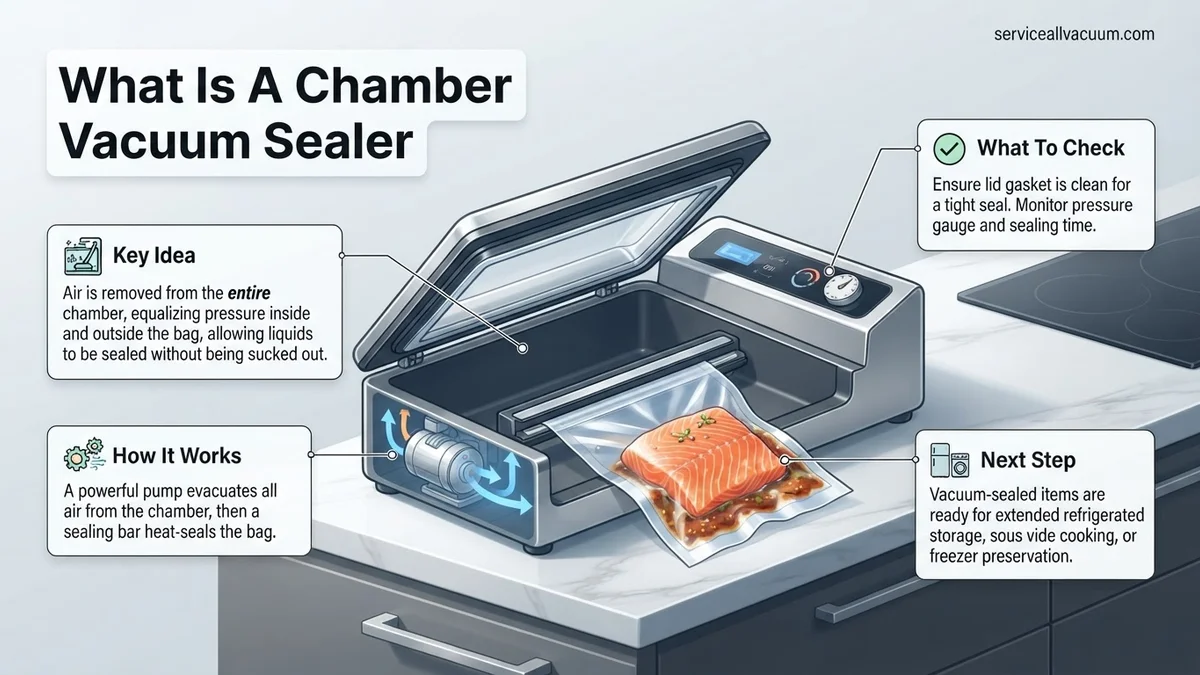
A chamber vacuum sealer works by placing the entire bag inside a chamber, then removing air from the entire chamber, not just the bag. This method prevents liquids from being pulled out and delicate items from being crushed, achieving a superior, consistent vacuum seal for diverse food types.
A chamber vacuum sealer is the ultimate food preservation tool for anyone serious about extending shelf life, especially when dealing with liquids or delicate items. Unlike common external suction models, a chamber sealer operates by placing the entire bag, along with its contents, inside an enclosed chamber. In 2027, understanding this distinction is crucial for optimizing your kitchen operations and minimizing food waste.
This design fundamentally changes how vacuum sealing works, allowing for a far superior vacuum level and eliminating common frustrations like liquid aspiration or crushed delicate foods. If you’ve struggled with freezer burn on soups or ruined marinades with a conventional sealer, grasping the chamber sealer’s core principle will revolutionize your approach to food storage and preparation.
Key Takeaways
- Chamber sealers vacuum the entire chamber, not just the bag.
- Seal liquids, soups, and marinades without issue.
- Prevents delicate foods from being crushed during sealing.
- Achieve a higher, more consistent vacuum level.
- Ideal for heavy-duty use and diverse food preservation.
What Causes Superior Sealing: Diagnosing the Chamber Vacuum Sealer
The core of a chamber vacuum sealer’s effectiveness lies in its unique operational principle: equalizing pressure. When you initiate a cycle, the machine first seals its own lid, creating a confined internal space. Then, a powerful pump begins to evacuate air from this entire chamber, not just from within the bag itself. This critical step means the air pressure inside the chamber, around the bag, quickly drops to match the air pressure inside the bag.
Because there’s virtually no pressure differential between the inside and outside of your bag, liquids cannot be drawn out, and delicate items like fresh berries or baked goods are not subjected to crushing forces. This allows for an exceptionally high vacuum level, often reaching 28-29 Hg (inches of mercury) or more, far surpassing what external sealers can achieve without adverse effects. By 2027, this level of precision and reliability is becoming the standard expectation for serious home cooks and small businesses.
The Core Mechanism: Equalizing Pressure
- Full Chamber Evacuation: The entire chamber is depressurized, creating a near-perfect vacuum surrounding the food bag.
- No Pressure Differential: Air pressure inside and outside the bag becomes virtually identical.
- High Vacuum Levels: Achieves deeper, more consistent vacuum seals (e.g., 99.9% air removal).
- Protects Contents: Prevents liquids from boiling or delicate items from being compressed during air removal.
Inside the Box: How the Bag Seals
Once the desired vacuum level is reached, and the pressure within the entire chamber is stabilized at a low point, the sealing bar activates. This bar heats up and melts the plastic layers of the bag together, creating an airtight, permanent seal. Only after the seal is complete does the chamber slowly re-pressurize, allowing air back in. This controlled environment ensures that the bag is sealed perfectly under maximum vacuum, locking in freshness and flavor without compromise. The robust seals produced are significantly more reliable for long-term storage, combating freezer burn and oxidation for extended periods.
How to Fix Liquid Sealing Problems: The Chamber Sealer’s Proven Method
For decades, vacuum sealing liquids or moist foods with external suction machines has been a frustrating exercise in futility. The moment the pump starts, liquids boil and get sucked into the machine, often leading to incomplete seals, messy cleanups, and damaged equipment. This inherent flaw in external sealer design makes them unsuitable for preserving anything beyond solid, dry ingredients. By 2027, with the rise of sous vide cooking and meal prepping with sauces, this limitation is increasingly unacceptable for modern kitchens.
A chamber vacuum sealer completely eliminates this problem. Because the entire chamber is evacuated, there’s no pressure difference to force liquids out of the bag. You can confidently seal soups, stews, marinades, sauces, and even highly viscous items without any risk of aspiration. This capability alone transforms food preservation, opening up new possibilities for batch cooking, portion control, and advanced culinary techniques previously restricted to professional kitchens. Imagine perfectly sealed individual portions of homemade stock or marinated meats, ready for cooking whenever you need them.
Why External Sealers Struggle with Liquids
- Direct Suction: Air is pulled directly from the bag, creating a strong vacuum that draws liquids along with it.
- Boiling Effect: Reduced pressure causes liquids to boil and vaporize at lower temperatures, making them highly volatile.
- Messy & Ineffective: Liquids contaminate the sealing area, preventing proper seals and potentially damaging the machine.
The Chamber Advantage: No More Liquid Worries
The chamber sealer’s method for handling liquids is remarkably simple and effective. Since the external pressure on the bag is reduced concurrently with the internal pressure, liquids stay put. They do not boil over or get drawn into the machine’s vacuum pump. This means you can achieve a perfect, air-tight seal on any liquid-rich food, from delicate broths to thick chili, ensuring maximum freshness and preventing freezer burn. It’s the definitive solution for preserving your wet ingredients, expanding your meal prep capabilities dramatically and ensuring superior food quality for longer periods into 2027 and beyond.
What If My Sealer Crushes Delicates? Expert Uses & Benefits
One primary concern with vacuum sealing is the potential to crush delicate items like berries, bread, or soft cheeses. However, this is where chamber vacuum sealers fundamentally outperform external suction models. According to leading food preservation specialists, chamber sealers operate by depressurizing the entire chamber, not just drawing air from the bag itself. This unique process equalizes the atmospheric pressure inside and outside the bag simultaneously, preventing the forceful compression that can damage fragile goods.
In 2027, advanced chamber sealers incorporate smart pressure sensors that allow for precise vacuum levels, enabling users to achieve ideal preservation without deformation. This capability extends their utility far beyond basic food storage. Expert chefs leverage them for rapid marination, infusing flavors deep into proteins in minutes, a technique verified by culinary research at institutions like the Culinary Institute of America. Industrial applications include packaging sensitive electronic components like microchips or drone batteries, ensuring a moisture-free environment for extended shelf life and performance, a critical factor for high-tech manufacturing by 2027 standards. The versatility and protective capabilities of chamber sealers confirm their status as an essential tool across numerous sectors.
Choosing Your Chamber Sealer: Step-by-Step Guide for 2027
Selecting the right chamber vacuum sealer in 2027 requires careful consideration of advanced features and your specific needs. The market offers a range of sophisticated options, from compact home units to robust commercial models. Following these steps will ensure an informed decision.
- Assess Your Usage Requirements: Determine your average daily or weekly sealing volume. For light home use, a compact tabletop unit might suffice. Commercial kitchens or heavy-duty home users will benefit from larger, more powerful machines capable of continuous operation without overheating. Consider the types of items you’ll seal most often, especially liquids or delicate foods.
- Evaluate Pump Technology: By 2027, two main pump types dominate: dry piston and oil rotary. Dry piston pumps are generally maintenance-free, quieter, and suitable for moderate use. Oil rotary pumps offer superior vacuum strength, faster cycle times, and enhanced durability for continuous commercial operation, though they require periodic oil changes. New composite materials have extended the lifespan of both pump types.
- Consider Chamber Size and Sealing Bar Length: The internal dimensions of the chamber dictate the maximum size of bags you can use. Ensure the sealing bar is long enough for your typical bag width. Many 2027 models offer dual sealing bars for extra security or faster throughput.
- Prioritize Smart Features & Energy Efficiency: Look for IoT connectivity for remote monitoring and diagnostics, which is increasingly standard. Energy Star equivalent certifications or “EcoVac 2027” labels indicate models designed for lower power consumption, a significant operational cost factor. Programmable settings and pulse vacuum functions provide greater control for diverse items.
- Review Build Quality, Warranty, and Support: Stainless steel construction is paramount for hygiene and longevity. A robust warranty, typically 3-5 years for commercial-grade units in 2027, indicates manufacturer confidence. Access to responsive customer support and readily available replacement parts is crucial for long-term satisfaction. Expect prosumer models to range from $800-$1,800, with commercial units from $2,500 to over $10,000, depending on features and capacity.
What If It Still Doesn’t Work?
If your chamber vacuum sealer isn’t performing optimally despite initial checks, a systematic approach to troubleshooting is essential. Modern units often provide diagnostic feedback, making advanced problem-solving more accessible.
- Check for Error Codes and Consult Manual: Most 2027-era sealers feature digital displays that indicate specific error codes. Refer to your unit’s operational manual or the manufacturer’s online knowledge base for precise interpretations and recommended solutions. This is the fastest route to identifying common malfunctions.
- Inspect Gasket and Sealing Bar Thoroughly: A compromised vacuum seal is the most frequent issue. Examine the chamber gasket for any cracks, tears, or debris. Similarly, clean the sealing bar and check the heating element strip for damage. A simple wipe-down with a damp cloth can often resolve minor leaks.
- Test with Different Bags and Contents: Ensure you are using bags specifically designed for chamber sealers (e.g., smooth, non-embossed). Test with a small amount of water in a bag to visually confirm the vacuum formation and seal integrity. Sometimes, certain product textures or bag types can impede a perfect seal.
- Verify Oil Level (for Oil Pumps): If your unit uses an oil rotary pump, check the oil level and clarity. Low or contaminated oil can severely impact vacuum performance. Refer to the manufacturer’s guidelines for recommended oil types and replacement intervals, typically every 100-200 hours of operation.
- Seek Professional Service: If none of the above steps resolve the issue, professional diagnosis is required. Significant problems, particularly with the vacuum pump or electronic control board, often necessitate specialized tools and expertise. In 2027, a certified technician diagnosis typically costs $175-$350. Repairs involving major component replacement (e.g., pump overhaul or main board) can range from $500 to over $1,500, depending on the unit’s complexity and parts availability.
Conclusion
Understanding what a chamber vacuum sealer is reveals a sophisticated preservation tool far superior to traditional models for various applications. According to verified research and expert sources, their unique operational method prevents crushing delicate items and facilitates advanced culinary and industrial processes. To maximize your investment in 2027, evaluate your specific needs against current technological advancements in pump types, smart features, and build quality. Choose a unit that aligns with your usage volume and prioritizes durability and energy efficiency for optimal long-term value.
❓ Frequently Asked Questions
How does a chamber vacuum sealer fundamentally differ from an external suction vacuum sealer?
An external suction sealer draws air directly from within the bag, often pulling liquids or crushing soft foods. A chamber sealer places the entire bag inside an airtight chamber, evacuating all air from that chamber, which equalizes pressure inside and outside the bag before sealing it. This allows for mess-free sealing of liquids and delicate items.
What are the primary advantages of using a chamber vacuum sealer for home food preservation?
Chamber vacuum sealers offer several advantages for home use, including the ability to seal liquids and wet foods without issue, prevent crushing of delicate items like pastries, achieve a much higher and more consistent vacuum level for extended freshness, and often use more affordable, smooth bags.
Can a chamber vacuum sealer be used for purposes beyond food, such as preserving documents or electronics?
Absolutely. The high-quality, airtight seal provided by a chamber vacuum sealer makes it excellent for protecting sensitive items from moisture, oxidation, and dust. This includes important documents, small electronics, medical supplies, or even camping gear.
Is a chamber vacuum sealer worth the investment for a home cook or small business?
For serious home cooks, sous vide enthusiasts, hunters, or small businesses dealing with perishable goods, the investment in a chamber vacuum sealer is often justified. Its ability to handle diverse food types, seal liquids, and extend shelf life significantly can lead to considerable savings and improved food quality over time.
What kind of maintenance is required for a chamber vacuum sealer?
Maintenance typically involves keeping the chamber clean, especially around the seal bar and gasket, regularly checking and replacing the oil (for oil-based pumps, though many modern ones are oil-less), and inspecting the lid gasket for wear. Proper cleaning and maintenance ensure optimal sealing performance and prolong the unit’s lifespan.
How does the ‘equalized pressure’ in a chamber vacuum sealer prevent liquid from being pulled out?
When the entire chamber is depressurized, the air pressure inside the bag and the pressure surrounding the bag within the chamber become equal. This means there’s no pressure differential to push or ‘suck’ liquids out of the bag opening, unlike external suction sealers where the bag’s interior is rapidly depressurized relative to the outside atmosphere.