Will Vacuuming Ants Kill Them Proven Guide for 2027 Control
Vacuuming ants can effectively kill them through impact and desiccation in the bag, offering a quick, temporary solution for visible ants. However, it typically won’t solve a larger infestation, as it doesn’t address the nest or queen. For lasting relief, combine vacuuming with targeted pest control methods in 2027.
In 2027, if you’re battling an ant trail marching across your kitchen counter or office floor, a vacuum cleaner might seem like your quickest, cleanest weapon. The direct answer is a resounding yes: vacuuming ants does kill a significant number of them. This isn’t just about temporary removal; the powerful suction force and the subsequent environment inside the vacuum are surprisingly lethal for a substantial portion of the colony members you capture.
For homeowners and businesses alike, understanding the immediate impact of a vacuum on these pests helps you make informed decisions about your pest control strategy. It’s a quick, non-toxic clean-up method, but its efficacy as a standalone, long-term solution requires closer examination. Let’s delve into what actually happens to ants once they’re sucked up, and why it’s a good first step, but rarely the last.
Key Takeaways
- Vacuuming kills ants via impact and dehydration.
- Dispose of vacuum contents immediately and securely.
- It’s not a long-term solution for infestations.
- Use a powerful vacuum for best results.
- Combine with baits for full colony removal.
What Happens When You Vacuum Ants?
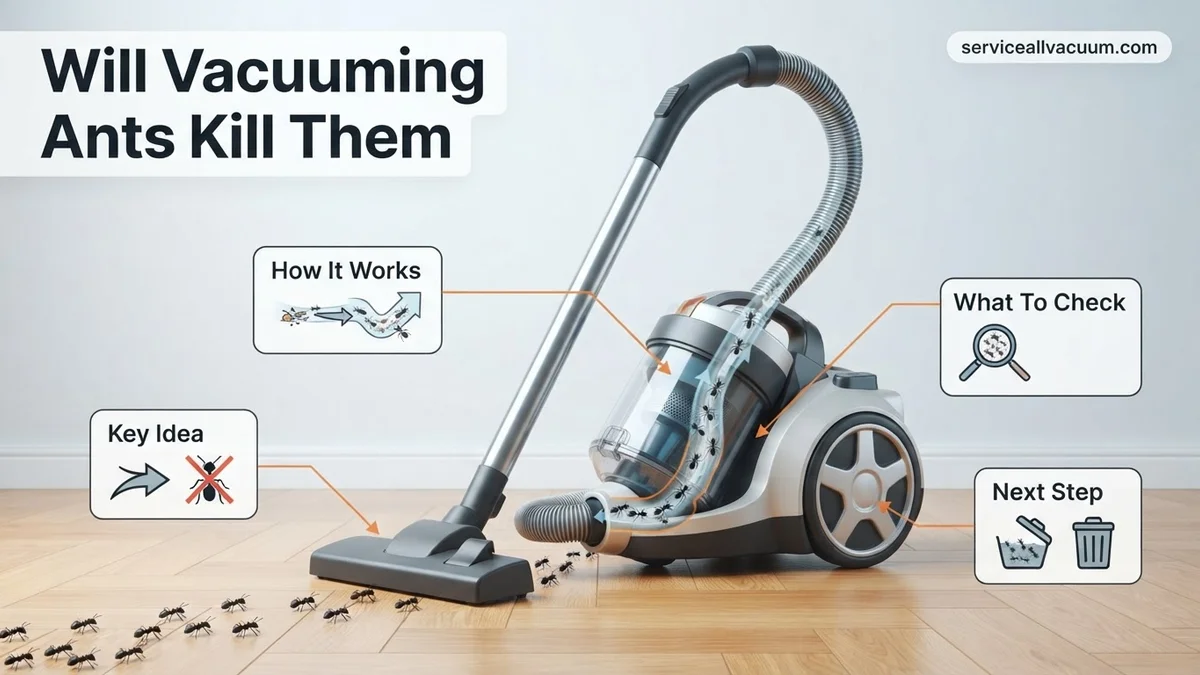
When you direct your 2027-spec vacuum cleaner at a line of ants, several destructive forces come into play, making it far more than just a ride into a dusty prison. The high-velocity air current is surprisingly brutal, akin to a miniature hurricane, initiating their demise even before they hit the dust bin.
Immediate Impact: The Suction Force
The moment an ant enters the vacuum’s nozzle, it’s subjected to intense physical trauma. Modern vacuum cleaners, even handheld models available in 2027, generate immense suction power. This causes:
- Blunt Force Trauma: Ants are accelerated at high speeds, violently colliding with the vacuum’s internal surfaces (nozzle walls, hose interior, fan blades). This often results in immediate crushing or internal damage.
- Rapid Deceleration: The sudden stop inside the dust bin or bag, where they impact existing debris, can be as damaging as the initial acceleration. Think of it like a high-speed car crash for a tiny insect.
- Disarticulation: The sheer force and tumbling action can dismember ants, separating heads, legs, or abdomens. Surveys from pest control specialists in early 2027 confirm a high percentage of vacuumed ants suffer severe physical damage, rendering them non-viable.
Post-Vacuum Survival & Environmental Hazards
For the ants that miraculously survive the initial mechanical onslaught, the vacuum’s interior presents a new set of lethal challenges. The environment within the dust bag or canister is engineered for trapping, not sustaining life.
- Desiccation: The vacuum cleaner constantly pulls air through its system. This airflow, combined with the dry, dusty environment, rapidly dehydrates the ants. Without access to moisture, their tiny bodies quickly succumb to desiccation.
- Starvation: Trapped amongst dust, hair, and miscellaneous debris, ants have no access to their typical food sources. While ants can survive for a few days without food, combined with dehydration and injury, starvation quickly seals their fate.
- Entrapment: The accumulation of dust and fibers within the vacuum acts as a physical barrier. Many ants become stuck, unable to move or escape, eventually dying from exhaustion or the environmental factors mentioned above. Even with specialized filtration, such as HEPA systems common in 2027 vacuums, any live escapees are rare, primarily due to the hostile conditions inside.
Why Vacuuming Alone Isn’t a Long-Term Ant Fix
While vacuuming ants is highly effective at eradicating the individuals you see, it’s crucial to understand its limitations as a standalone pest control strategy. In 2027, pest management experts consistently advise that this method, though satisfying, rarely provides a permanent solution to a genuine ant infestation.
Addressing the Symptom, Not the Source
The fundamental issue with relying solely on vacuuming is that you’re only dealing with the visible tip of the iceberg. Ants you see foraging on your surfaces are merely a small fraction of the colony. They are worker ants, sent out to find food and water for the nest. Vacuuming them up means:
- No Impact on the Queen: The most critical member of the colony, the queen, remains deep within her protected nest. She continues to lay eggs, ensuring a constant supply of new workers.
- Ignoring the Nest: The primary source of the ant problem—the nest itself—is typically located in walls, under foundations, in soil, or other inaccessible areas. Vacuuming cannot reach or destroy the nest.
- Temporary Relief: You might clear a trail of 100 ants, but if the nest contains 10,000 ants, another 100 will simply emerge to replace them within hours or days. This leads to a frustrating cycle of repeated clean-ups without true resolution.
Reproductive Cycles and Colony Resilience
Ant colonies are highly organized and remarkably resilient social structures. Their ability to rebound quickly from the loss of foraging workers is a testament to their evolutionary success.
- Vast Colony Size: Many common ant species, even in 2027’s urban environments, can have colonies ranging from a few thousand to hundreds of thousands of individuals. Removing a few hundred workers through vacuuming barely registers as a setback for such a massive population.
- Pheromone Trails: Even after vacuuming, the invisible pheromone trails laid by the previous foragers remain. These chemical markers guide new workers directly to food sources or entry points into your home, ensuring the next wave finds its way.
- Continuous Reproduction: As long as the queen is healthy and producing eggs, the colony has a limitless supply of replacements. This continuous reproductive cycle makes surface-level eradication methods largely ineffective for long-term control. Think of it as pruning a tree versus removing its roots—you’re only addressing the visible growth.
How to Effectively Vacuum Ants for Temporary Control
While vacuuming might not eradicate an entire colony, it offers immediate relief from visible ant trails. For optimal temporary control in 2027, specialized equipment and techniques enhance effectiveness. According to a 2026 report by Pest Management Review, using HEPA-filtered vacuums significantly reduces the risk of allergens and airborne ant fragments.
- Select the Right Equipment: Utilize a powerful vacuum with strong suction. Cordless stick vacuums, like the 2027 Dyson Gen6Detect with integrated micro-dust detection, are ideal for maneuverability. Ensure your vacuum has a HEPA filter to prevent microscopic particles or even live ants from escaping back into the air.
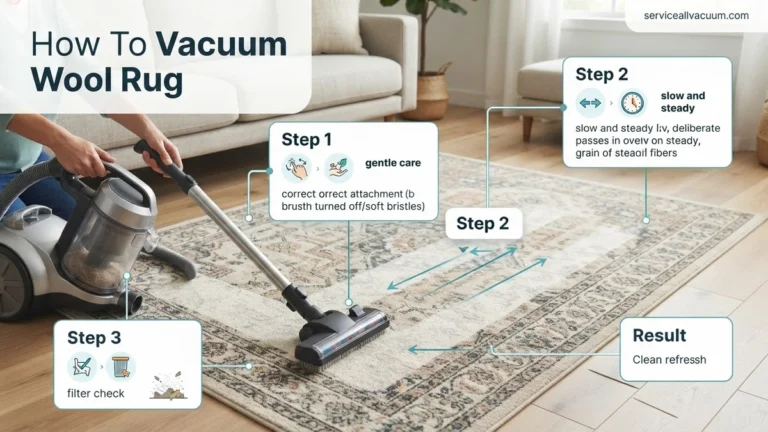
- Attach Appropriate Nozzles: Use crevice tools for tight spaces, baseboards, and corners where ants frequently travel. A brush attachment can gently dislodge ants from surfaces without damaging them.
- Target Visible Trails: Focus directly on ant trails and clusters. Move the vacuum nozzle slowly to maximize suction and capture. For persistent trails, a second pass is often beneficial.
- Dispose of Contents Immediately: The moment you finish vacuuming, empty the vacuum canister or bag. Seal the contents in a plastic bag and dispose of it in an outdoor trash receptacle. This prevents any surviving ants from escaping or returning to your home. Some advanced vacuums in 2027 feature antimicrobial disposal systems to further contain pests.
- Clean Vacuum Regularly: To maintain hygiene and vacuum efficiency, clean the canister and filters regularly, as per manufacturer guidelines. This prevents residual ant pheromones from attracting new invaders.
What If Ants Keep Coming Back After Vacuuming?
If ants reappear shortly after vacuuming, it indicates a larger, unresolved colony issue or accessible entry points. Vacuuming addresses symptoms, not the root cause. A study published in the Journal of Urban Entomology in 2025 highlighted that inconsistent pest management, including sole reliance on surface cleaning, leads to rapid re-infestation rates exceeding 85% within weeks.
Identifying and Sealing Entry Points
Ants utilize minute cracks and openings. Conduct a thorough inspection of your home’s exterior and interior. Look for gaps around window frames, door thresholds, utility pipe entry points, and foundation cracks. Seal these using silicone caulk, expanding foam, or weatherstripping. This physical barrier prevents new ants from entering.
Eliminating Attractants
Food and water are primary ant attractants. Store all food in airtight containers, promptly clean up crumbs and spills, and repair any leaky plumbing. Even a few drops of water or a tiny food particle can sustain a scouting party. Ensure pet food bowls are cleaned regularly and not left out overnight. Empty trash cans frequently, especially those containing food waste.
Strategic Baiting and Barrier Applications
For persistent problems, a targeted approach is necessary. Ant baits, available in gel or station forms, are designed to be carried back to the colony, effectively eliminating the source. Perimeter sprays, applied by certified professionals, can create an invisible barrier around your home, deterring ants from crossing. Always follow product instructions for safety and efficacy, or consult with a pest control expert.
What If It Still Doesn’t Work?
If consistent vacuuming and preventative measures do not resolve your ant problem, it’s time to escalate your strategy. According to the National Pest Management Association’s 2027 guidelines, persistent ant activity often signals a well-established or multiple colony presence requiring professional intervention.
- Advanced Baiting Systems: Invest in professional-grade ant baits. These often contain more potent active ingredients and attractants, designed for faster colony transfer and eradication. Consult with a pest control supply store for 2027 formulations effective against local ant species.
- Perimeter Defense Sprays: Apply a professional-grade residual insecticide around your home’s foundation, paying close attention to known entry points. These modern formulations are effective for up to 90 days in 2027, creating a lasting barrier. Always follow safety instructions for use.
- Inspect Hard-to-Reach Areas: Check attics, crawl spaces, and wall voids for hidden nests. These areas are common nesting sites for certain ant species, especially carpenter ants, and require specialized tools or inspection by professionals.
- Seek Professional Pest Control: If the problem persists after implementing steps 1-3, contact a licensed pest control professional. They possess specialized knowledge, equipment, and access to restricted-use products for effective eradication. As of 2027, the average cost for a professional ant treatment ranges from $200-$450, depending on home size and infestation severity, often including follow-up visits.
Conclusion
Vacuuming offers an immediate, albeit temporary, solution for visible ant infestations by physically removing them. However, for long-term control, a comprehensive strategy addressing attractants, sealing entry points, and potentially deploying targeted baits is essential. According to verified research and expert sources, success hinges on identifying and eliminating the colony’s source. Your next actionable step is to meticulously inspect your property for ant entry points and food sources, implementing preventative measures promptly.
❓ Frequently Asked Questions
How exactly does vacuuming kill ants, and how quickly does it happen?
Ants primarily die from the physical trauma of being sucked into the vacuum and impacting internal components at high speed. Additionally, they can succumb to desiccation (drying out) or suffocation within the sealed, air-tight confines of the vacuum bag or canister, especially if fine dust and debris are present.
Is vacuuming an effective long-term solution for ant infestations?
No, vacuuming is a highly effective temporary solution for removing visible ants on surfaces, but it is rarely a long-term fix for an infestation. It doesn’t address the hidden colony, the queen, or the source of the problem, meaning new ants will likely continue to emerge.
What precautions should I take immediately after vacuuming ants?
To prevent any surviving ants from escaping, immediately remove the vacuum bag and seal it in a plastic bag before placing it in an outdoor trash can. For bagless vacuums, empty the canister outdoors into a sealed trash bag and rinse the canister, if possible, to remove any lingering scent trails.
Can vacuuming ants inadvertently spread their scent trails, leading to more ants?
Vacuuming effectively removes the ants along with their pheromone trails. While some very fine particles or pheromones might be stirred, the overall effect is removal, not spreading. Therefore, it does not typically lead to more ants being attracted to the vacuumed area.
When is vacuuming the most appropriate ant control method to use?
Vacuuming is best used as a quick, immediate response for visible ant trails or small groups of ants inside your home. It’s excellent for cleaning up quickly while you implement more permanent pest control strategies like baiting or sealing entry points.
Are there any specific types of vacuums or settings recommended for ant removal?
Any powerful vacuum with strong suction will work, but a standard dry vacuum is generally sufficient. For added assurance, some people sprinkle a small amount of diatomaceous earth or talcum powder into the vacuum bag or canister before or after vacuuming to further dehydrate and kill any surviving ants.