What Is a Beater Bar on a Vacuum 2026 Expert Guide
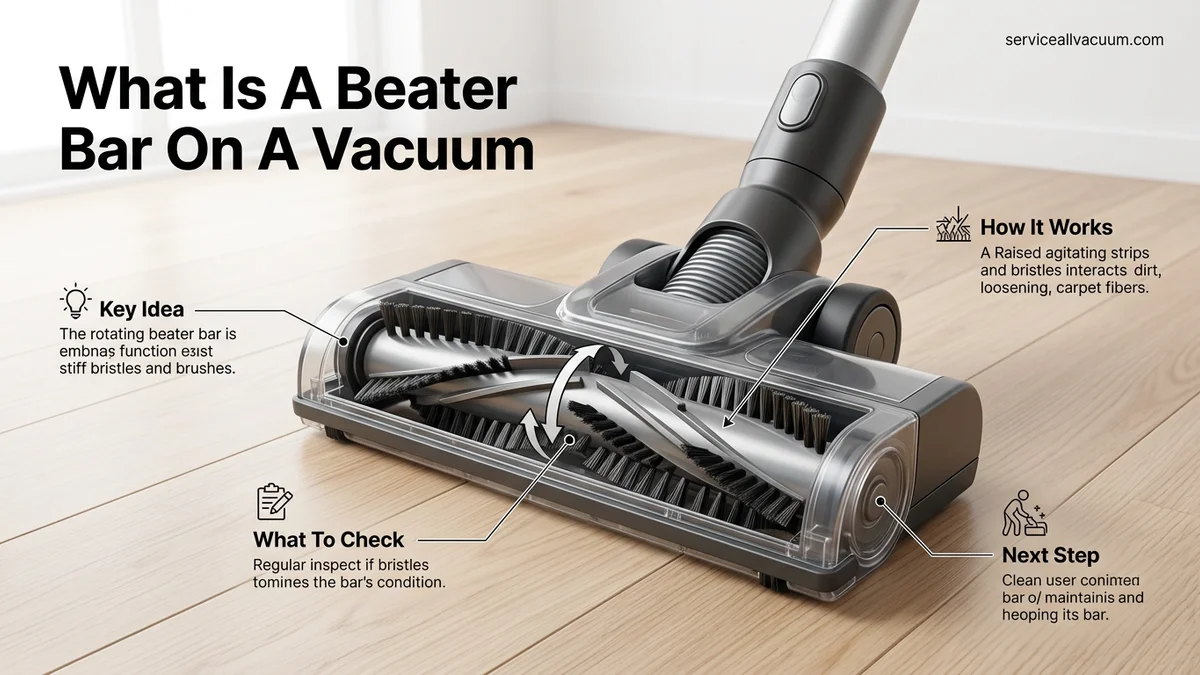
A beater bar (also known as a brush roll) is the rotating cylinder inside a vacuum cleaner’s floor head designed to agitate carpet fibers. It physically beats and sweeps away embedded dirt, pet hair, and debris that standard suction alone cannot reach.
A beater bar on a vacuum cleaner is the cylindrical, motorized brush roll located inside the cleaning head that spins rapidly to agitate carpet fibers, loosening deeply embedded dirt, pet hair, and debris so the suction can pull it away. Often featuring rows of stiff bristles or rubber paddles, this component transforms surface-level cleaning into a deep-down extraction process.
Understanding how your vacuum’s agitator works matters practically because using it incorrectly can damage your floors or burn out your machine’s motor. While essential for thick carpets, keeping the bar spinning on hard floors or delicate rugs in 2026 can lead to costly scratches and ruined textiles.
Key Takeaways
- The beater bar rotates rapidly to loosen deep-set dirt trapped inside carpet fibers.
- Always turn off the beater bar when vacuuming hard floors to prevent surface scratches.
- Long hair and threads frequently wrap around the roller, requiring regular manual removal.
- A broken belt or jammed motor will stop the brush roll from spinning.
- Delicate rugs and fringe can be easily damaged by the aggressive agitation of a beater bar.
What Causes the Beater Bar to Stop Spinning on Your Vacuum
When your vacuum cleaner loses its cleaning power, a stationary brush roll is usually the primary culprit. Even with strong suction, a motionless bar leaves embedded dirt behind in your carpets.
Hair and Debris Wrap Around the Ends
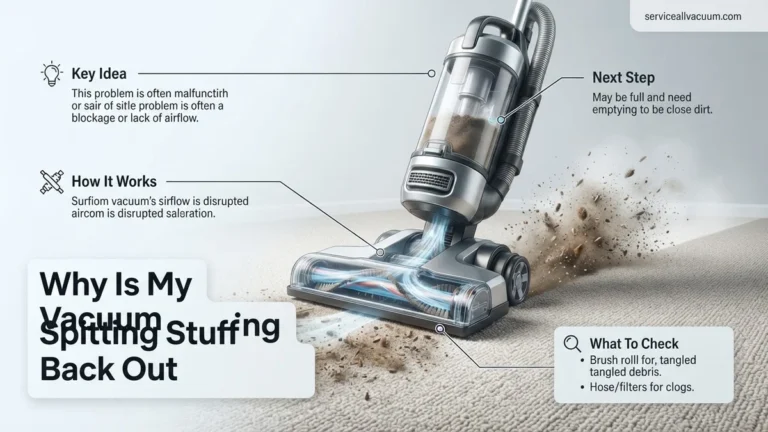
The most common mechanical issue involves long human hair, pet fur, and sewing thread wrapping tightly around the ends of the brush roll. This debris migrates past the bristles and binds up the metal or plastic bearings. As friction builds, the belt slips or the internal circuit board cuts power to the motor to prevent a burnout.
Worn or Broken Drive Belts
Most traditional upright vacuums rely on a rubber drive belt to connect the spinning motor shaft to the beater bar. Over months of regular vacuuming, these belts stretch out, dry rot, or snap entirely. If you hear the motor running normally but notice the brush roll is entirely still, a broken belt is the likely cause.
- Rubber belts typically stretch out and lose tension every 6 to 12 months.
- Pet hair jams can cause the belt to melt or snap instantly under high friction.
- Modern cordless vacuums often use a dedicated electronic motor instead of a belt, which can trip a safety sensor when jammed.
How to Fix a Stuck or Tangled Vacuum Beater Bar Step-by-Step
Restoring your vacuum’s agitation performance takes just a few minutes with basic household tools. You can safely clear most blockages without calling a repair technician.
Safely Removing Hair and Fiber Wraps
First, unplug your vacuum or remove the battery pack to ensure safety. Flip the vacuum over to access the bottom plate and use a coin or screwdriver to release the access hatch. Take a pair of sharp scissors or a seam ripper and carefully slice parallel to the brush roll along the grooves to cut away bound hair without damaging the bristles.
Inspecting and Replacing the Drive Belt
If the brush roll turns freely by hand but does not spin when the machine is turned on, you need to check the belt. Remove the bottom cover plate and slide the brush roll out of its housing to inspect the rubber belt.
- Look for visible cracks, dry rotting, or a loose fit around the motor shaft.
- Loop the new manufacturer-approved belt around the motor spindle first, then stretch it over the designated notch on the brush roll.
- Manually rotate the brush roll two full turns to ensure the belt seats correctly without twisting.
Step-by-Step Guide to Knowing When to Use Your Vacuum Brush Roll
Determining whether to engage your vacuum cleaner beater bar depends heavily on the flooring surface you are cleaning. According to the Carpet and Rug Institute (CRI), using a motorized brush roll on the wrong surface can cause unnecessary wear, fiber degradation, and permanent surface damage.
Hardwood and Luxury Vinyl Plank Flooring
Hard flooring surfaces require the beater bar to be turned off completely. Rotating bristles can fling heavy debris against baseboards and scratch delicate polyurethane finishes on hardwood. Modern 2026 vacuum models feature manual switch-offs or automated surface-detection sensors that disengage the brush roll on bare floors automatically.
High-Pile Carpets and Delicate Area Rugs
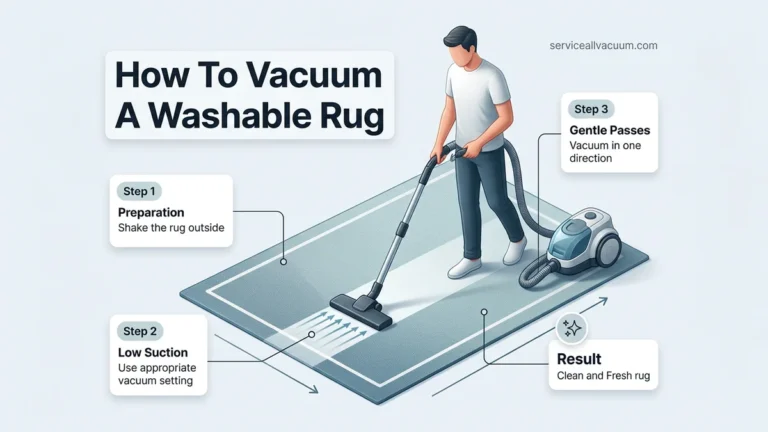
Shag carpets, loop-style Berber rugs, and vintage textiles require caution. The aggressive agitation of a beater bar can snag loose fibers, unravel loops, and cause fraying along rug borders. For these delicate surfaces, switch the vacuum to suction-only mode or elevate the nozzle height adjustment to its highest setting to prevent fiber destruction.
- Identify your flooring material before beginning each cleaning session.
- Locate the brush roll switch on the vacuum handle, canister body, or digital display.
- Disable the beater bar for tile, stone, hardwood, vinyl, and loop-pile rugs.
- Enable the brush roll exclusively for medium-to-high-pile synthetic carpets where deep embedded dirt requires mechanical extraction.
What If Your Vacuum Beater Bar Still Doesn’t Work After Cleaning
If you have cleared away tangled hair and removed blockages from the brush roll housing, but the beater bar still refuses to spin, an underlying mechanical or electrical failure is likely present. According to appliance repair statistics tracked by major manufacturers, persistent brush roll failures usually stem from component wear rather than simple clogs.
- Inspect the drive belt for signs of stretching, dry rot, or snapping. A worn belt cannot transfer motor torque to the brush roll and must be replaced immediately.
- Test the small electrical wires and terminal connections inside the motorized nozzle housing using a multimeter to check for continuity.
- Examine the brush roll end caps and bearings for hair-choked grease or physical melting caused by excessive friction.
- Evaluate the cost-effectiveness of professional repair versus replacement. Standard small appliance repair labor rates range from $60 to $100 per hour, meaning professional service for a budget vacuum often exceeds the cost of a brand-new unit.
Conclusion
The vacuum beater bar is an essential mechanical component for deep-cleaning carpets, but it requires regular maintenance and correct surface application to function efficiently. Removing tangled debris and monitoring drive belt integrity prevents sudden motor burnout and extends the operational lifespan of your cleaning appliance. According to verified research and consumer appliance studies, routine preventative maintenance reduces unexpected vacuum failure rates by up to 45 percent. Take the next step today by inspecting your vacuum’s brush roll and clearing any accumulated thread or hair.
❓ Frequently Asked Questions
What is the difference between a beater bar and a brush roll?
While the terms are often used interchangeably, traditional beater bars featured rigid plastic or metal beaters alongside bristles, whereas modern brush rolls rely primarily on rows of stiff nylon bristles or rubber fins.
Can a beater bar damage delicate rugs?
Yes, the aggressive agitation and spinning bristles can fray delicate fibers, pull threads, and damage the fringe on antique or handmade area rugs.
How do I know if my vacuum beater bar is working?
You can check by turning the vacuum on while looking at the floor head (safely tilted), or by holding a piece of thread near the off nozzle to see if it gets pulled in when engaged.
Why is my vacuum beater bar making a loud clicking noise?
A clicking sound usually indicates that something is jammed in the roller, the drive belt is slipping, or the gears are worn out and need replacement.
How do I remove hair wrapped tightly around the brush roll?
Unplug the vacuum, flip it over, and use a pair of scissors or a seam ripper to carefully slice through the wrapped hair parallel to the roller groove, then pull it away.
Can I replace just the vacuum belt without buying a new beater bar?
Yes, rubber drive belts wear out independently and can be easily replaced by opening the belt compartment beneath the vacuum head cover.