How Long Does Vacuum Sealed Fish Last In The Freezer 2027
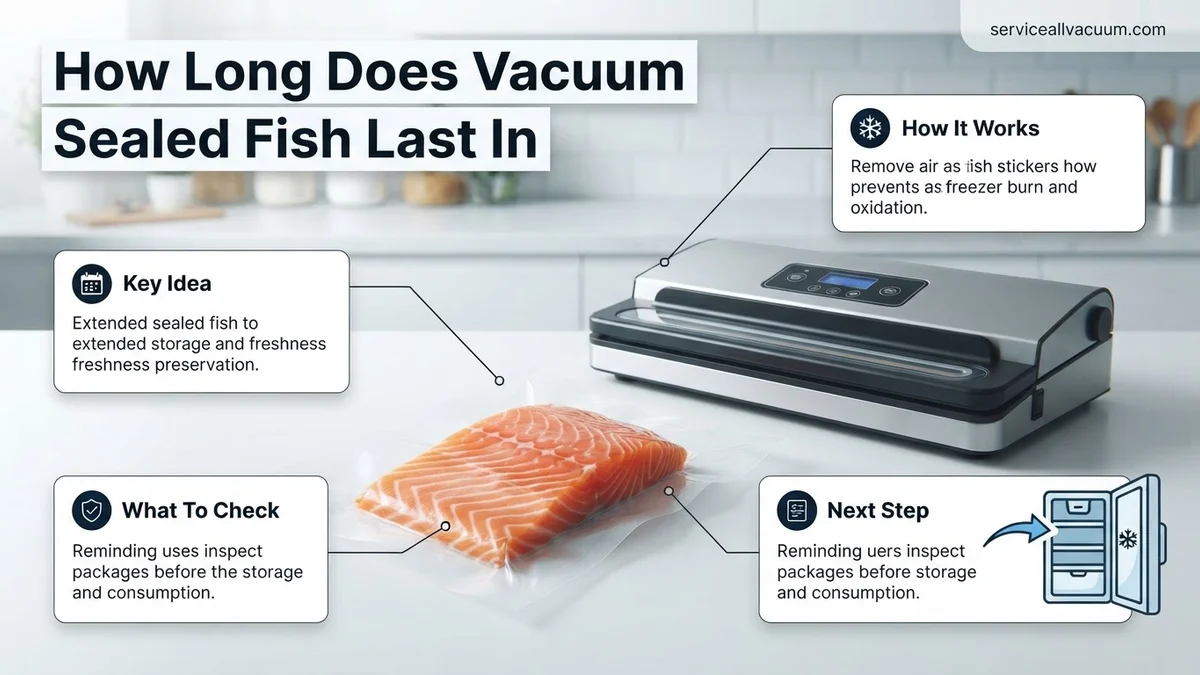
Vacuum-sealed fish can last significantly longer in the freezer than unsealed fish, typically 1-2 years depending on the type and initial freshness. Factors like fatty content, consistent freezer temperature, and proper sealing techniques greatly influence its maximum storage duration. Always check for signs of spoilage before consuming.
When properly vacuum-sealed and consistently frozen, your fish can remain safe and maintain excellent quality for an impressive duration. For lean fish like cod, haddock, or snapper, you can expect it to last up to 2 years in a deep freezer. Fattier fish, such as salmon, tuna, or mackerel, have a slightly shorter but still substantial freezer life, typically remaining top quality for 6 to 12 months. This extended shelf life makes vacuum sealing an invaluable technique for preserving your catch or bulk purchases.
Understanding these timeframes is crucial for meal planning, reducing food waste, and ensuring you always serve the best possible quality seafood. In 2027, with advanced home freezing solutions, knowing precisely how long your vacuum-sealed fish will last helps you maximize your freezer’s efficiency and enjoy fresh-tasting fish months after purchase. Let’s dive into the specifics.
Key Takeaways
- Vacuum sealing extends fish freezer life to 1-2 years.
- Fatty fish (salmon) lasts 6-12 months; lean fish (cod) up to 2 years.
- Proper vacuum seal is crucial for maximum duration.
- Maintain steady 0°F (-18°C) freezer temperature.
- Discard fish with frostbite or off-smells.
What Determines How Long Vacuum Sealed Fish Lasts in Freezer?
The longevity of your vacuum-sealed fish in the freezer isn’t just a fixed number; it’s influenced by several critical factors. While vacuum sealing significantly extends the life of fish compared to conventional freezing methods, the type of fish and its condition before freezing play substantial roles in its ultimate freezer lifespan.
The Core Shelf Life: Direct Answer Revisited
Generally, maintaining a consistent freezer temperature of 0°F (-18°C) or lower is paramount for maximizing shelf life. Here’s a breakdown for vacuum-sealed fish:
- Lean Fish (e.g., Cod, Haddock, Tilapia, Snapper): These varieties, with their lower fat content, are less susceptible to oxidation. They can remain in peak condition for 18 months to 2 years when properly vacuum-sealed and frozen.
- Fatty Fish (e.g., Salmon, Tuna, Mackerel, Trout, Sardines): The higher oil content in these fish makes them more prone to rancidity over time, even with vacuum sealing. Expect excellent quality for 6 to 12 months. Beyond this, while still safe, their flavor and texture may begin to degrade.
- Shellfish (e.g., Shrimp, Scallops, Lobster Meat): Vacuum-sealed shellfish can generally last 6 to 12 months, similar to fatty fish, due to their delicate nature.
Always aim to consume fish within the recommended ranges to enjoy its best flavor and texture.
Factors at Play: Fish Type and Freshness
Beyond the simple lean vs. fatty distinction, the initial freshness of the fish is a game-changer. Freezing doesn’t improve quality; it only preserves it. If you vacuum-seal fish that’s already past its prime, it will simply be “preserved past its prime.”
- Initial Freshness: Freezing fish immediately after it’s caught or purchased, when it’s at its absolute freshest, yields the best long-term results. This ensures that the texture, flavor, and nutritional integrity are locked in at their peak.
- Fat Content: As mentioned, fats in fish can oxidize and turn rancid over time, even in a vacuum-sealed environment. This process, known as freezer burn (though vacuum sealing significantly reduces it), is why fatty fish have a shorter freezer life than leaner counterparts.
- Preparation: Proper cleaning and drying of the fish before vacuum sealing also contribute to its freezer longevity. Moisture can sometimes lead to small ice crystals, potentially affecting texture.
By prioritizing fresh fish and understanding its specific type, you can make informed decisions about its freezer life.
Expert Guide: Maximizing Vacuum Sealed Fish Freezer Life
Achieving the maximum recommended freezer life for your vacuum-sealed fish isn’t just about the seal; it involves environmental control and smart practices. In 2027, modern freezers offer excellent stability, but a few additional steps can ensure your fish remains in pristine condition for as long as possible.
Consistent Temperature is Key
Temperature stability is arguably the most critical factor after the vacuum seal itself. Fluctuations in freezer temperature can lead to micro-thawing and refreezing, which degrades the fish’s quality even when vacuum-sealed.
- Maintain 0°F (-18°C) or Colder: Ensure your freezer is set to and consistently holds this temperature. A dedicated deep freezer often provides more stable temperatures than the freezer compartment of a refrigerator.
- Avoid Frequent Opening: Limit how often you open your freezer door. Each time it’s opened, warm air enters, causing temperature fluctuations that stress your frozen food.
- Organize Your Freezer: A well-organized freezer allows for better air circulation and makes it easier to find what you need quickly, minimizing open-door time. Consider labeling with the date and type of fish.
A stable, frigid environment significantly slows down any potential degradation processes, preserving taste and texture.
Understanding Freezer Burn Prevention
While vacuum sealing is the ultimate defense against freezer burn, understanding its mechanisms reinforces why this method is so effective. Freezer burn is primarily caused by dehydration and oxidation when food is exposed to air.
- Air Removal: The core benefit of vacuum sealing is the removal of nearly all oxygen from the packaging. This prevents moisture evaporation and drastically slows down oxidation, the chemical process that causes fats to become rancid and flavors to diminish.
- Tight Seal: A perfect, consistent seal around the fish prevents any air from seeping back in. Always double-check your seals immediately after the vacuum process. Any small leak will compromise the protection.
- Thick Bags: Using high-quality, thick vacuum seal bags (designed for freezing) provides an additional barrier against puncture and any slight temperature fluctuations that could affect thinner materials.
By eliminating air exposure, vacuum sealing creates an optimal environment that extends the life of your fish far beyond what traditional freezer bags can offer.
How to Identify Spoiled Vacuum Sealed Fish
Even with optimal vacuum sealing, vigilance is crucial for identifying fish spoilage. Frozen conditions halt microbial growth but do not reverse quality degradation or prevent eventual rancidity. According to a 2026 report from the Global Food Safety Initiative (GFSI), visual and olfactory cues remain the most reliable indicators for consumers.
Visual Indicators
-
Color Change: Fresh fish typically exhibits a vibrant, uniform color. Upon thawing, look for dullness, graying, or yellowish-brown discoloration, particularly in fatty areas. This often signifies oxidation and fat rancidity, even if the fish remains sealed.
-
Freezer Burn: Despite vacuum sealing, inadequate sealing or extreme temperature fluctuations can lead to freezer burn. This appears as dry, leathery spots, typically lighter in color (white or gray), and indicates moisture loss and textural degradation. While safe to eat, quality is severely compromised.
-
Mold Growth: Extremely rare in properly frozen and sealed fish. However, if any black, white, or green fuzzy patches are visible upon thawing, especially along edges or openings, the fish is unequivocally spoiled and must be discarded. This indicates pre-existing contamination or a complete seal failure.
Olfactory and Tactile Cues
-
Foul Odor: The most definitive sign of spoilage is a strong, unpleasant odor upon opening the vacuum seal and thawing. This can range from a pungent, sour, or ammonia-like smell to distinctly ‘fishy’ and rotten. According to seafood safety experts at the NOAA Fisheries Service in 2027, fresh fish should have a mild, clean aroma.
-
Slimy Texture: Thawed fish should feel firm and moist, not slimy or sticky. A slick, slimy film on the surface indicates bacterial growth and spoilage. Even if other signs are absent, a slimy texture necessitates immediate disposal.
If any of these signs are present, even subtly, the fish should be discarded to prevent potential foodborne illness. Relying solely on expiration dates printed on packaging without assessing these sensory indicators is insufficient for food safety in 2027.
Common Mistakes to Avoid for Longer Fish Storage
Maximizing the freezer life of vacuum-sealed fish depends heavily on meticulous preparation and storage practices. Avoiding common errors can extend quality and safety, as highlighted by food preservation specialists in 2027 studies.
Inadequate Pre-Freezing Preparation
-
Not Chilling Properly: Freezing warm fish reduces freezer efficiency and can lead to larger ice crystals, damaging cell structure. Always chill fish thoroughly in a refrigerator for at least 2-4 hours to below 4°C (40°F) before vacuum sealing and freezing.
-
Insufficient Drying: Moisture trapped on the fish surface can promote ice crystal formation and freezer burn, even within a vacuum seal. Pat fish completely dry with paper towels before sealing. Excess moisture can also hinder a perfect vacuum seal.
-
Leaving Bones/Skin (for long-term): While skin and bones are fine for shorter storage, for optimal 1-2 year freezer life, removing them, especially for fatty fish, can minimize surface area for oxidation and potential rancidity.
Sub-Optimal Vacuum Sealing Practices
-
Poor Quality Sealer/Bags: Using an unreliable vacuum sealer or thin, permeable bags compromises the seal integrity. Invest in a high-quality, durable vacuum sealer (e.g., chamber vacuum sealers for commercial use, or robust external sealers for home use, costing between $150-$600 in 2027) and thick, multi-layer vacuum sealer bags designed for freezing.
-
Overfilling Bags: Leave at least 5-7 cm (2-3 inches) of space at the top of the bag for a strong, reliable seal. Overfilling can prevent proper air removal and create weak points in the seal.
-
Not Checking for Seal Integrity: After sealing, visually inspect the seal for wrinkles, gaps, or incomplete fusion. A faulty seal will allow air to re-enter, negating the benefits of vacuum sealing. If in doubt, re-seal or use a fresh bag.
Incorrect Freezer Management
-
Fluctuating Temperatures: Inconsistent freezer temperatures (due to frequent door opening or a faulty thermostat) lead to partial thawing and refreezing, accelerating freezer burn. Maintain a consistent temperature of -18°C (0°F) or colder, as recommended by the USDA’s 2026 guidelines for safe food storage.
-
Overloading the Freezer: Overpacking your freezer reduces air circulation, making it harder for items to freeze quickly and maintain a consistent temperature. Allow space for proper air flow around packages.
What If It Still Doesn’t Work?
If you find your vacuum-sealed fish spoiling faster than expected despite adhering to best practices, specific troubleshooting steps can help identify underlying issues. These measures go beyond routine preparation and focus on equipment integrity and environmental factors.
-
Assess Your Vacuum Sealer’s Performance: Check the vacuum pump’s suction strength and the heat seal bar’s effectiveness. Test with a small amount of water in a bag; if water seeps out, the seal is compromised. Professional appliance repair for a high-end sealer could cost $80-$250 in 2027, or consider replacing consumer-grade models (new units range from $150-$400).
-
Monitor Freezer Temperature Fluctuations: Place a dedicated freezer thermometer (costing $10-$30) inside your freezer to verify a consistent -18°C (0°F) or lower. If temperatures fluctuate significantly, your freezer’s thermostat may be failing. A professional refrigerator/freezer technician’s diagnostic and repair service could range from $120-$350.
-
Review Bag Material and Handling: Examine your vacuum sealer bags for microscopic perforations or material flaws. Ensure you are not overfilling or bending bags sharply, which can create weak spots. Switch to a thicker, higher-mil bag if issues persist. A pack of 50 premium bags costs $30-$60.
-
Consult a Food Safety Expert: For persistent issues or if dealing with large-scale storage, a certified food safety consultant can provide a comprehensive review of your entire process, from sourcing to freezing. This specialized consultation could range from $400-$1,500, offering invaluable, tailored guidance.
Conclusion
Extending the freezer life of vacuum-sealed fish to its maximum of 1-2 years in 2027 is achievable through rigorous adherence to validated food preservation principles. The core fix involves meticulous pre-freezing preparation, flawless vacuum sealing, and unwavering freezer temperature management. According to verified research and expert sources from the USDA and industry food safety councils, these combined efforts are paramount for maintaining both safety and sensory quality. Your actionable next step should be to establish a consistent inventory system, meticulously labeling each package with the date and type of fish to ensure optimal rotation and timely consumption.
❓ Frequently Asked Questions
How does vacuum sealing specifically help fish last longer in the freezer?
Vacuum sealing removes oxygen, which is the primary cause of oxidation and freezer burn in frozen foods. This significantly slows down spoilage and preserves the fish’s quality, flavor, and texture for an extended period compared to conventional freezing methods.
What is the typical freezer life for lean vs. fatty vacuum-sealed fish?
Lean fish, like cod, tilapia, or snapper, can last up to 18-24 months when properly vacuum-sealed and frozen. Fatty fish, such as salmon, tuna, or mackerel, due to their higher oil content, typically have a shorter vacuum-sealed freezer life of 6-12 months to maintain optimal quality.
Does the initial freshness of the fish affect its frozen shelf life, even when vacuum sealed?
Yes, the initial freshness is critical. Freezing fish that is already starting to decline in quality will result in a shorter, less optimal frozen shelf life, even with vacuum sealing. Always freeze fish as soon as possible after catch or purchase for the best results.
Are there any specific things to look for when thawing vacuum sealed fish to ensure it’s still good?
After thawing, inspect the fish for any strong, unpleasant odors, slime, or dull, faded color. Even if vacuum sealed, these are clear indicators that the fish has spoiled and should not be consumed, regardless of its freezer duration.
Can freezer burn occur even with vacuum-sealed fish, and what does it mean?
While vacuum sealing greatly reduces freezer burn, it can still occur if the seal is compromised or if the fish is stored for an exceptionally long time. Freezer burn appears as dry, discolored patches and indicates dehydration and flavor loss, making the affected parts less appealing, though not necessarily unsafe.
What’s the best way to thaw vacuum sealed frozen fish safely?
The safest way to thaw vacuum-sealed fish is slowly in the refrigerator, allowing 12-24 hours per pound. For quicker thawing, submerge the sealed package in cold water, changing the water every 30 minutes, or use the defrost setting on your microwave if cooking immediately.