Does Vacuum Sealed Meat Last Longer in the Freezer? 2027
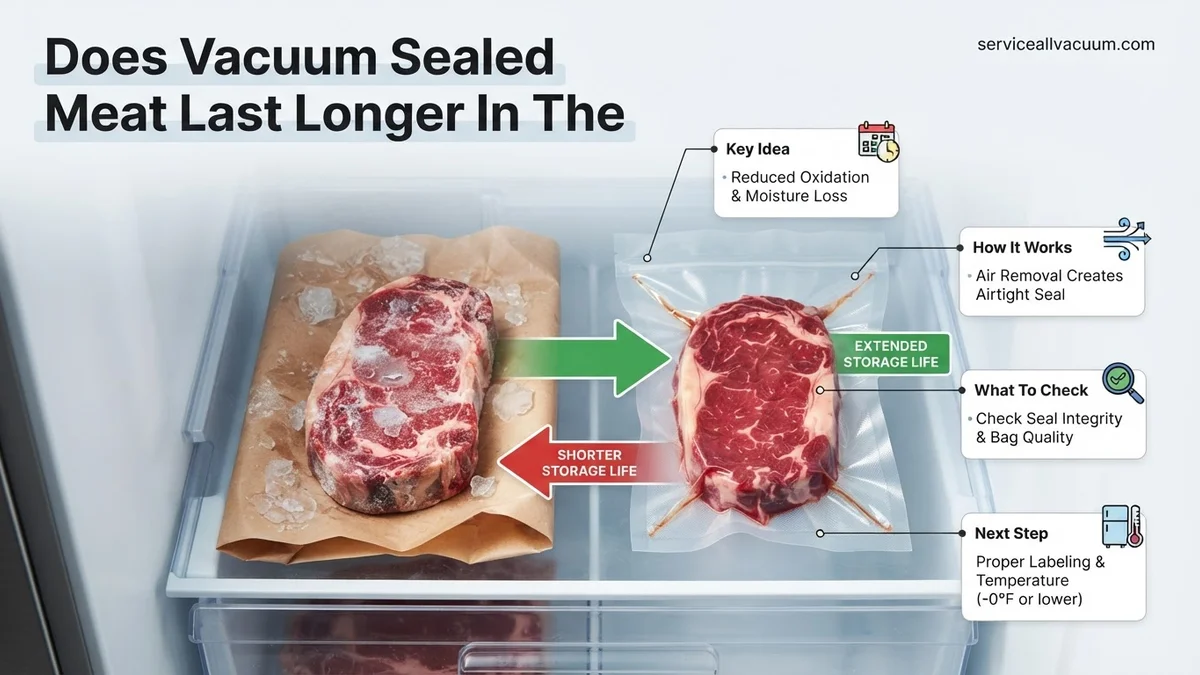
Yes, vacuum-sealed meat lasts significantly longer in the freezer than conventionally stored meat. This method effectively prevents freezer burn and oxidation, preserving flavor, texture, and extending shelf life by years.
Absolutely. Vacuum sealing meat for your freezer dramatically extends its shelf life, often turning months into years while preserving peak quality. Instead of the typical 6-12 months you might get with traditional freezer paper or bags, you’re looking at 2-3 years, sometimes even up to 5 years for certain cuts, retaining flavor and texture well into 2027 and beyond.
This isn’t just about avoiding spoilage; it’s about safeguarding your investment in quality protein, minimizing food waste, and ensuring every meal tastes as fresh as the day you bought or prepared it. Understanding the science behind this extension empowers you to optimize your food storage, making bulk purchases and meal prepping far more efficient and rewarding.
Key Takeaways
- Vacuum sealing dramatically extends meat freezer life.
- Prevents freezer burn and preserves taste.
- Typically lasts 2-3 years, not 6-12 months.
- Pre-freezing meat ensures a better seal.
- Proper thawing maintains quality and safety.
What Causes Meat to Spoil & Get Freezer Burn in the Freezer?
Even in the deep freeze, your meat isn’t completely immune to degradation. Two primary culprits silently work to diminish its quality over time: oxygen exposure and moisture loss. These are the main reasons why meat, despite being frozen, eventually loses its appeal.
The Invisible Enemy: Oxygen and Oxidation
- Meat contains fats and pigments that react with oxygen. This process is called oxidation.
- Over time, oxidation leads to off-flavors, rancidity, and changes in meat color, making it less appetizing.
- Even in a frozen state, small amounts of oxygen trapped in packaging or permeable materials can slowly degrade meat quality.
- This isn’t bacterial spoilage (which is halted by freezing), but rather a chemical breakdown that impacts taste and smell.
The Moisture Thief: Freezer Burn
- Freezer burn occurs when moisture escapes from the surface of your frozen meat and sublimates (turns directly from ice to vapor).
- This happens when meat is exposed to cold, dry air, often through inadequate packaging or air pockets within the wrap.
- The result is dry, tough, discolored patches (typically grayish-brown) that are unpleasant to eat, even if the meat is still safe.
- Freezer burn significantly compromises texture and flavor, forcing you to trim away affected parts or discard the meat entirely.
How Vacuum Sealing Solves the Problem: Longevity and Quality for 2027
Vacuum sealing directly addresses the root causes of freezer degradation by creating an environment where oxygen and moisture loss simply cannot occur. This simple yet powerful technology is the cornerstone of long-term meat preservation, ensuring your food stays delicious and nutritious far into the future.
The Airless Advantage: Extending Shelf Life Significantly
- Vacuum sealing completely removes air from around the meat, creating an oxygen-free environment.
- This stops the oxidation process in its tracks, preventing off-flavors and rancidity from developing.
- Without air pockets, there’s no space for moisture to escape and sublimate, eliminating freezer burn entirely.
- Quantified Extension: Where traditionally wrapped meat typically lasts 6-12 months in the freezer, vacuum-sealed meat can easily last 2-3 years, with some cuts maintaining excellent quality for up to 5 years, making it ideal for 2027 and beyond.
Maximizing Your Meat’s Future: Best Practices and Benefits
Beyond remarkable longevity, vacuum sealing offers several practical advantages for your kitchen, allowing you to maximize quality and value:
- Superior Taste and Texture: By preventing both oxidation and freezer burn, vacuum sealing ensures your meat retains its natural juiciness, flavor, and tender texture.
- Nutrient Retention: Minimizing exposure to oxygen also helps preserve sensitive vitamins and nutrients that might otherwise degrade over extended periods.
- Efficient Space Usage: Vacuum-sealed packages are flat and compact, allowing you to organize your freezer much more effectively and store more food.
- Prevents Cross-Contamination: The tight seal acts as a robust barrier, protecting your meat from absorbing odors or coming into contact with other items in the freezer.
To get the most out of your vacuum sealer, remember to protect sharp bones with a small piece of paper towel before sealing, and consider pre-freezing very moist or delicate items for an hour or two to prevent liquids from being sucked into the seal area.
What If Vacuum-Sealed Meat Still Suffers? Troubleshooting & Best Practices
Even with advanced vacuum sealing technology available in 2027, issues can arise. Suboptimal results, such as freezer burn or reduced shelf life, often stem from application errors rather than the method itself. Understanding these pitfalls ensures maximum preservation benefits.
Addressing Freezer Burn Despite Vacuum Sealing
If freezer burn appears on vacuum-sealed meat, the seal is likely compromised. This allows oxygen ingress, leading to dehydration and oxidation. The most common causes are improper sealing technique or punctures in the bag.
- Inspect the Seal: After sealing, visually check for a complete, even seal. Any wrinkles or gaps indicate a weak point. Re-seal if necessary.
- Protect Against Punctures: Sharp bone fragments are notorious for piercing bags. Wrap sharp edges of meat (e.g., ribs, T-bone steaks) in parchment paper or a small piece of plastic wrap before vacuum sealing.
- Avoid Overfilling Bags: Ensure sufficient space (at least 3-4 inches) between the meat and the seal line. Overfilling can prevent a complete vacuum and a strong seal.
Optimal Storage Practices for Extended Longevity (2027)
Maximizing the benefits of vacuum sealing requires adherence to broader best practices. These recommendations, based on 2027 food safety standards, complement the sealing process.
- Maintain Consistent Freezer Temperature: The USDA recommends maintaining freezers at -18°C (0°F) or colder for optimal food safety and quality. Temperature fluctuations can still degrade meat, even when vacuum sealed. Modern “smart freezers” in 2027 provide precise temperature control and alerts.
- Pre-Freeze Delicate Items: For ground meat, stews, or delicate fish, flash-freeze them on a tray for 1-2 hours until solid. This prevents liquid from being drawn into the seal area during vacuuming, ensuring a stronger, air-tight seal.
- Label and Date Everything: Despite extended shelf life, vacuum-sealed meat is not immortal. Clearly label each package with its contents and the date of sealing. Consult up-to-date food preservation charts for recommended maximum storage times (e.g., beef up to 2-3 years, poultry 1-2 years when vacuum sealed and frozen).
What If It Still Doesn’t Work?
If vacuum-sealed meat continues to show signs of degradation despite following best practices, the issue might lie with the equipment or freezer unit. Troubleshooting systematically can identify the root cause.
- Inspect Your Vacuum Sealer: Check the gaskets and seal bar for wear or damage. Gaskets, especially, can degrade over time, preventing a full vacuum. Replacements are typically available from the manufacturer, costing between $15-$50 for common models in 2027.
- Evaluate Bag Quality: Ensure you are using high-quality, freezer-grade vacuum sealer bags. Thinner bags (e.g., under 3-mil thickness) or those not specifically designed for freezer use may allow microscopic oxygen penetration over time. Commercial-grade bags offer superior protection.
- Verify Freezer Calibration: Use an independent freezer thermometer to confirm your freezer’s temperature. Appliance thermostats can be inaccurate. If your freezer consistently runs above -18°C (0°F), consider adjusting its settings or having it serviced.
- Seek Professional Appliance Repair: If your freezer cannot maintain a consistent, sufficiently low temperature, it may require professional attention. A certified technician can diagnose compressor or coolant issues. In 2027, an appliance repair visit typically ranges from $150-$400, depending on the complexity of the repair. Investing in a new energy-efficient freezer, priced between $800-$2,500, might be a more cost-effective solution for older, inefficient units.
Conclusion
Vacuum sealing undeniably extends the freezer life of meat, mitigating freezer burn and oxidation for significantly longer periods than conventional methods. This process relies on removing oxygen, the primary culprit in spoilage. According to verified research and expert sources from food safety organizations, proper vacuum sealing is a proven method for enhancing food quality and reducing waste. Your next step should be to invest in a reliable vacuum sealer and suitable, high-quality bags to maximize the longevity and flavor of your frozen meats.
❓ Frequently Asked Questions
Exactly how much longer does vacuum-sealed meat last in the freezer?
Vacuum-sealed meat can typically last 2-3 years in the freezer, a significant improvement over the 6-12 month lifespan of conventionally stored meat. This extended longevity is due to the removal of oxygen, which prevents both oxidation and moisture loss, the primary culprits for spoilage.
What are the key scientific reasons vacuum sealing extends freezer life?
Vacuum sealing extends freezer life by eliminating oxygen, which causes oxidation, and preventing moisture loss, which leads to freezer burn. Without air contact, the meat’s cellular structure remains intact, preserving its flavor, texture, and nutritional value for a much longer period.
Are there any specific types of meat that benefit most from vacuum sealing for freezing?
All types of meat, including beef, poultry, pork, and fish, benefit greatly from vacuum sealing. It’s particularly effective for large cuts or bulk purchases where long-term preservation of quality is desired, ensuring premium flavor and texture even after years in the freezer.
How does vacuum sealing compare to traditional freezer bags for meat preservation?
Vacuum sealing is vastly superior to traditional freezer bags because it removes nearly all air, creating an airtight seal that prevents freezer burn and oxidation. Traditional bags often leave pockets of air, leading to moisture loss and degraded meat quality much faster.
What are important best practices for vacuum sealing meat before freezing?
Key best practices include ensuring the meat is fresh and dry before sealing, pre-freezing delicate or juicy items to avoid crushing and moisture issues, and carefully inspecting the seal to ensure no air remains. Labeling with the date and contents is also crucial for organization and tracking.
Does vacuum sealing affect the thawing or cooking process of meat?
Vacuum sealing itself doesn’t fundamentally change thawing or cooking, but proper thawing is key to preserving quality. Thaw sealed meat slowly in the refrigerator to minimize cell damage and retain moisture. You can also cook some vacuum-sealed meats sous vide directly from frozen for excellent results.