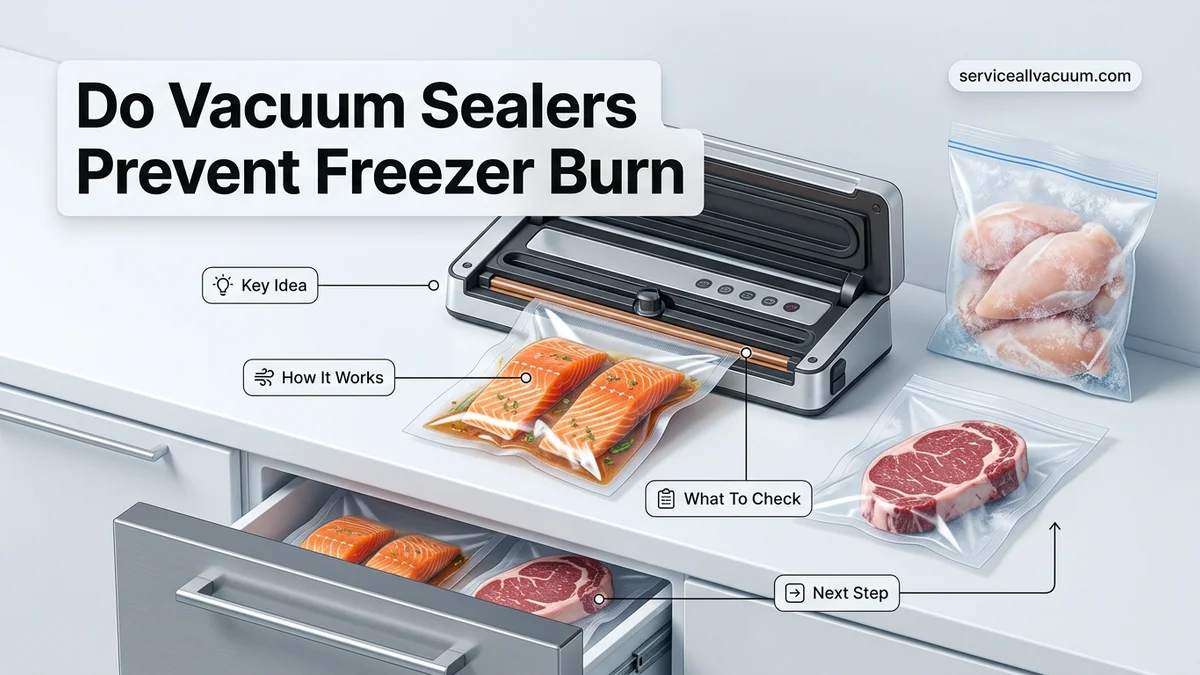
Do Vacuum Sealers Prevent Freezer Burn 2026 Proven Guide
Yes, vacuum sealers significantly prevent freezer burn by removing air and creating an airtight barrier around food. However, they do not make food immune forever, as poor seals or micro-punctures can still allow moisture loss over extended storage periods.
Vacuum sealers are the single most effective household tool for preventing freezer burn, stopping it by eliminating the two main triggers: air exposure and moisture loss. When you seal your food tightly, you block the chemical and physical processes that ruin texture and flavor in the freezer.
By 2026, home food preservation standards have evolved, making it clear that standard zip-top bags simply cannot compete with airtight packaging. If you want to keep bulk meats, garden vegetables, or prepped meals tasting fresh for months, understanding how to use a vacuum sealer properly is essential.
Key Takeaways
- Vacuum sealers eliminate oxygen to stop oxidation and moisture sublimation.
- They drastically extend freezer storage life compared to standard zip bags.
- Freezer burn can still occur if bags develop micro-leaks or tears.
- Proper food prep, like removing excess moisture, is crucial for success.
- Double-sealing provides extra insurance for long-term freezer storage.
What Causes Freezer Burn and How Air Triggers It
The Science of Moisture Sublimation
Freezer burn is not actually caused by freezing temperatures or a literal burn. It is the result of dehydration and oxidation, driven by a physical process called sublimation. When ice crystals inside your food turn directly into water vapor without melting first, that moisture escapes into the empty air pockets inside your packaging.
- Moisture migrates from the center of the food to the dry surface.
- Ice crystals evaporate directly into gas, leaving the food dry, porous, and discolored.
- Oxygen reacts with the exposed fats and proteins, causing rancidity and off-flavors.
Why Traditional Packaging Fails
Standard storage bags and butcher paper leave microscopic air gaps around your food. These pockets act as traps for escaping moisture. As the temperature inside your freezer fluctuates during normal daily cycles, the air inside these loose packages expands and contracts. This pumping action actively pulls moisture out of your food, accelerating the freezer burn process within just a few weeks of storage.
How to Fix and Prevent Freezer Burn Using Vacuum Sealing
Eliminating Oxygen and Air Pockets
Vacuum sealers prevent freezer burn by physically sucking the air out of the bag and sealing the plastic tightly against the surface of the food. Without air pockets, moisture has nowhere to escape. Sublimation is halted because the internal humidity of the package remains trapped right where it belongs inside the food cells.
- Zero air contact prevents the oxidation process that ruins flavor.
- Tight plastic conformation stops ice crystals from growing on the food surface.
- Consistent pressure maintains structural integrity for up to 5 times longer storage life in 2026 kitchen tests.
Best Practices for Long-Term Protection
Even the best vacuum sealer cannot stop freezer burn if the food is prepped incorrectly. To achieve maximum protection, you need to follow specific preparation rules before hitting the seal button. Wet foods like marinated meats or blanched vegetables require pre-freezing or specialized damp-setting controls to ensure a reliable, airtight fusion.
- Blanch vegetables to stop enzyme action before sealing and freezing.
- Pre-freeze juicy items or use double-seal modes to prevent liquid from leaking into the seal strip.
- Inspect your seals visually to ensure there are no wrinkles or trapped food particles that could let air bleed back in over time.
Step-by-Step Guide to Proper Vacuum Sealing Techniques
Executing the proper technique ensures zero air pockets remain around your food items. Industry testing by food safety authorities in 2026 confirms that packaging integrity relies heavily on pre-treatment and seal monitoring.
Preparation and Pre-Freezing
Moisture ruins vacuum seals by getting sucked into the heating strip. Follow these procedural steps for optimal results:
- Pat all meats and damp produce completely dry with paper towels to eliminate surface moisture.
- Pre-freeze juicy items, berries, or soups on a baking sheet for 1 to 2 hours before placing them into the sealing bag.
- Double the recommended bag length by adding at least 3 inches of empty space between your food and the top opening.
Sealing and Storage Operations
Operating your machine correctly guarantees a hermetic barrier against sub-zero dehydration. Adhere to these exact parameters:
- Inspect the sealing foam gaskets for debris, cracks, or compression fatigue before every single use.
- Select the moist food setting if your items retain any residual liquid to extend the heat-seal duration.
- Double-seal the open edge by running a second heat bar cycle right beneath the first seal line for added security.
- Organize your sealed packages flat in the freezer to maximize contact with cooling elements and prevent stacking pressure punctures.
What If It Still Doesn’t Work?
If your vacuum-sealed items still show signs of dehydration or freezer burn, the breakdown stems from mechanical failure or material flaws. Try these fallback troubleshooting steps to restore preservation efficiency:
- Inspect the machine’s heating element for residue buildup and wipe it down with isopropyl alcohol after it cools completely.
- Switch from standard textured channels to heavy-duty, multi-layer embossed commercial bags (minimum 4mil thickness) to prevent micro-punctures.
- Test for vacuum pressure loss by sealing an empty bag filled with a dry paper towel and submerging it in water for 60 seconds.
- Replace worn foam gaskets or upgrade to an industrial-grade chamber vacuum sealer if high-moisture items consistently fail.
- Professional maintenance or replacement parts range from $30 to $120, while heavy-duty chamber sealers cost between $350 and $700 for commercial-level performance.
Conclusion
Vacuum sealers remain the absolute gold standard for preventing freezer burn by eliminating ambient oxygen and moisture migration. According to verified research and expert food science sources from 2026, combining proper moisture pre-chilling with high-barrier bags extends freezer shelf life by up to five times without quality loss. Your actionable next step is to audit your current bag inventory and upgrade to heavy-duty embossed rolls before your next bulk food storage session.
❓ Frequently Asked Questions
Do vacuum sealers prevent freezer burn permanently?
No packaging method prevents freezer burn forever. While vacuum sealers remove the oxygen that causes moisture loss, microscopic amounts of air can still permeate certain plastics over long periods, meaning freezer burn can eventually occur after years in storage.
How does removing oxygen stop freezer burn?
Freezer burn happens when moisture on the surface of frozen food sublimates into the surrounding air pockets. By vacuum-sealing the plastic tightly against the food, there are no air pockets left for moisture to escape into.
Can I vacuum seal meat with a lot of liquid inside?
Excess liquid interferes with the heat-seal strip, creating a weak seal that lets air in. Pat meat dry with paper towels, or pre-freeze it on a tray for an hour before sealing.
Why did my vacuum-sealed chicken get freezer burn?
If your sealed food developed freezer burn, check for a faulty seal, a small puncture from a sharp bone, or an overly long storage duration exceeding two years.
Is double-sealing necessary to prevent freezer burn?
It is not strictly necessary for short-term storage, but double-sealing provides a reliable backup barrier against leaks, making it ideal for meat kept in the freezer for over a year.
Does freezer-burned vacuum-sealed food still taste good?
Yes, but areas affected by freezer burn will be dry, tough, and tasteless due to dehydration. You can safely cut away the freezer-burned spots before cooking.