Can You Use a Vacuum on Hardwood Floors? Expert Guide 2027
Yes, you absolutely can use a vacuum on hardwood floors, but it requires the right equipment and technique to prevent damage. This guide outlines how to safely clean your beautiful wood floors, focusing on features like soft brush rolls and appropriate attachments for a scratch-free shine.
Yes, you absolutely can and should use a vacuum cleaner on your hardwood floors. In 2027, modern vacuum technology makes it one of the most efficient and effective methods for maintaining their cleanliness and extending their lifespan. However, the critical caveat lies in using the right vacuum with the correct technique. Applying the wrong tools or methods can lead to irreversible damage, costing you time and money in repairs or refinishing.
This guide cuts directly to what you need to know: how to safely and effectively vacuum your precious hardwood. Proper vacuuming efficiently removes abrasive dust, dirt, pet hair, and microscopic grit that can dull and scratch your floors over time. Understanding the specific features to look for and the operational advice to follow is paramount to keeping your hardwood looking pristine for years to come.
Key Takeaways
- Always use soft brush rolls or bare floor tools.
- Never activate rotating beater bars on wood.
- Ensure vacuum wheels are soft, not hard plastic.
- Adjust suction to a lower, hardwood-safe setting.
- Regular vacuuming prevents debris accumulation.
What Causes Hardwood Floor Damage from Vacuuming?
The primary concern for any hardwood floor owner is preventing scratches, scuffs, and a dulling finish. Using an unsuitable vacuum cleaner can quickly transform a routine cleaning task into a source of significant wear. The risks are very real, often stemming from components designed for carpeted surfaces, which are completely inappropriate for the delicate nature of hardwood.
The Peril of the Beater Bar (Aggressive Brush Rolls)
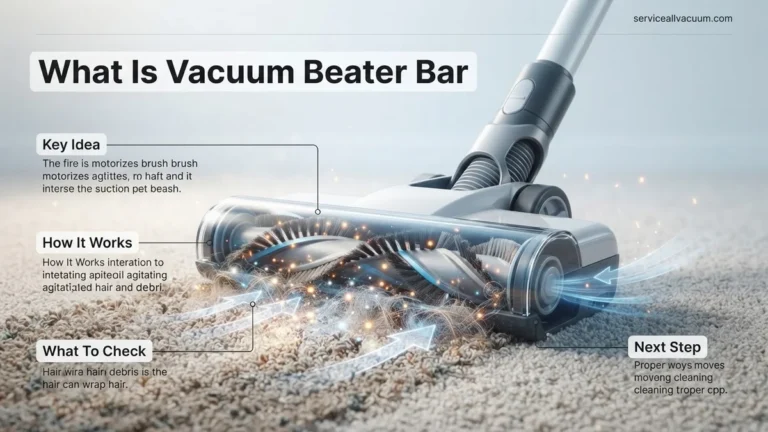
The most common culprit behind vacuum-induced hardwood damage is the beater bar, also known as an agitator or spinning brush roll. This component, standard in many older vacuum models and still prevalent in carpet-focused designs, features stiff bristles that rotate at extremely high speeds. Its purpose is to aggressively agitate carpet fibers, lifting embedded dirt and debris.
On hardwood, this aggressive action is disastrous. The stiff bristles can leave visible scratches, dull the protective finish, and even grind fine grit into the wood surface, accelerating wear. Even seemingly “soft” bristles on a high-speed beater bar can cause micro-abrasions that accumulate over time, leading to a hazy, scuffed appearance. Always ensure this feature is either off or completely absent when vacuuming hardwood.
Abrasive Wheels and Improper Suction
Beyond the brush roll, other components can pose a risk. Many standard vacuum cleaners are fitted with hard plastic or rigid rubber wheels. While these might be fine for carpets or durable tile, they can easily scuff, mark, or even gouge hardwood floors, especially if small pieces of debris get trapped beneath them. The cumulative effect of these hard wheels tracking across your floor twice a week can lead to noticeable cosmetic damage over time.
Additionally, improper suction settings can contribute to damage. While strong suction is generally desirable, excessively powerful suction without a proper bare floor head can create too much drag. This drag can pull abrasive debris directly against the floor, or cause the vacuum head to stick and scratch as you move it. It can also suction up larger, harder objects like small pebbles or coins that then get dragged across the floor by the vacuum’s intake, leaving trails of damage.
Step-by-Step Guide: How to Safely Vacuum Hardwood Floors
Ensuring the longevity and beauty of your hardwood floors while vacuuming boils down to choosing the right tool and employing the correct technique. In 2027, manufacturers have made it easier than ever to find vacuums perfectly suited for hardwood, but understanding the key features and operational steps remains crucial.
Essential Vacuum Features for Hardwood Safety
When selecting a vacuum for hardwood, prioritize these safety features:
- Soft Brush Rolls: This is non-negotiable. Look for models with dedicated soft, non-abrasive brush rolls, often made from microfiber, felt, or very soft nylon. Many advanced 2027 stick and canister vacuums include these as standard bare-floor heads or easily interchangeable attachments.
- Bare Floor Mode / Brush Roll Off: Your vacuum absolutely must have the option to completely disable the spinning brush roll. If your vacuum doesn’t have a dedicated soft brush roll, this mode prevents the abrasive beater bar from engaging with your hardwood.
- Suction Control: Variable suction settings are invaluable. They allow you to reduce power for lighter debris or more delicate finishes, preventing excessive drag and minimizing the risk of sucking up damaging objects too quickly.
- Gentle Wheels: Opt for vacuums with rubberized or felt-lined wheels on the main unit and the cleaning head. These prevent marring, scuffs, and scratches as you maneuver the vacuum across your floor.
- Strong Filtration (HEPA): While not directly preventing scratches, a HEPA filter ensures fine dust and allergens are captured within the vacuum, rather than being exhausted back into the air to settle and potentially be dragged across your floor later.
Best Practices & Attachments for Pristine Floors
Beyond the vacuum itself, how you operate it makes a significant difference:
- Pre-clean Large Debris: Before vacuuming, quickly sweep or use a dust mop to pick up larger debris like pebbles, coins, or heavy grit. This prevents these items from being inadvertently dragged by the vacuum head.
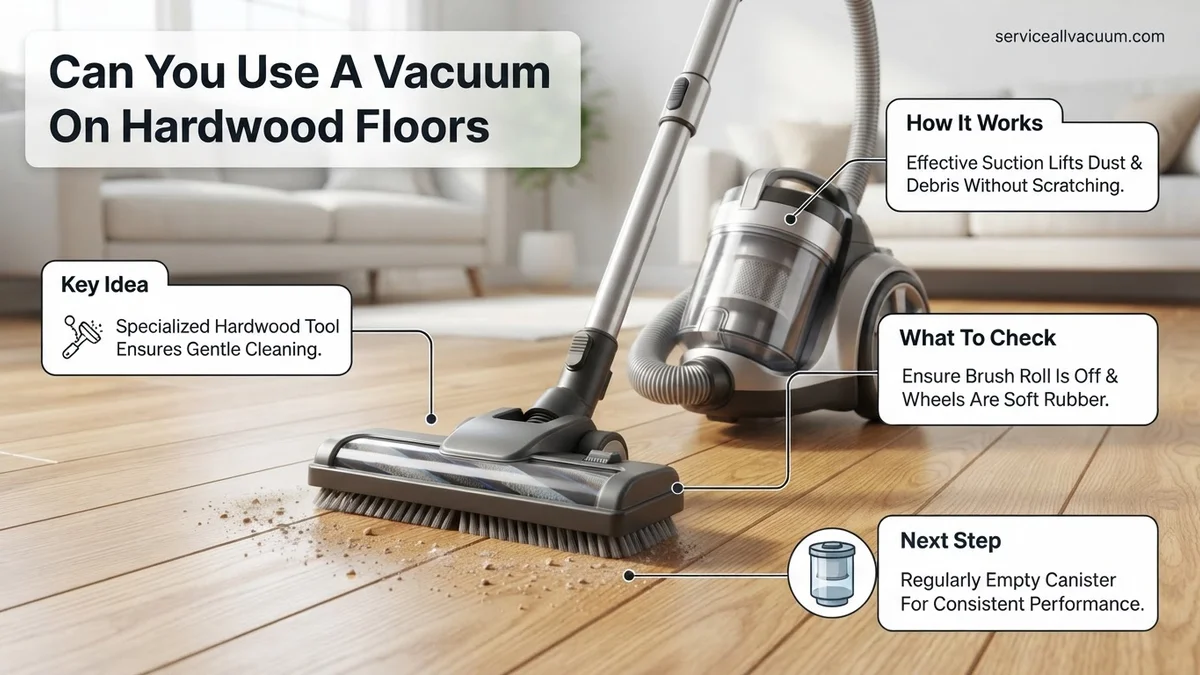
- Utilize the Bare Floor Tool: Many vacuums come with a specialized bare floor tool – a wide, flat head typically with a soft bristle strip or felt edge. This attachment provides powerful suction without any rotating components, making it ideal for hardwood.
- Dusting Brush Attachment: This soft-bristled tool is perfect for delicate areas like baseboards, crown molding, door frames, and even reaching into corners where the main head won’t fit without risking scuffs.
- Crevice Tool: Essential for tight spaces, along edges, and between floorboards to remove trapped dirt without contacting the floor surface with the main vacuum body.
- Operational Advice:
- Always select your vacuum’s “hard floor” or “bare floor” mode.
- Double-check that the aggressive brush roll is completely OFF or that you are using a dedicated soft bare-floor head.
- Move the vacuum slowly and deliberately. This allows the suction to effectively capture all debris, rather than scattering it.
- Lift the vacuum slightly when moving over rugs or transitions to avoid dragging the hard plastic edges of the head across your hardwood.
Best Vacuum Features for Hardwood: A Proven Selection Guide
Selecting the right vacuum is paramount to protecting your hardwood investment. As of 2027, industry experts and leading manufacturers emphasize specific features designed to clean effectively without causing damage. Prioritize models that incorporate these advancements for optimal floor care.
Soft Brush Rolls: The Non-Negotiable Standard
The most critical feature for hardwood safety is a soft brush roll, often called a “soft-bristle,” “fluffy,” or “hard floor” attachment. Unlike traditional stiff nylon bristles designed for carpets, these rolls feature ultra-soft microfiber, felt, or flannel. According to Dyson’s 2026 product specifications, their specialized hard floor heads utilize woven nylon and anti-static carbon fiber filaments to gently capture fine dust without scratching. Avoid any vacuum head with stiff, rotating plastic or metal bristles when cleaning hardwood; these can cause microscopic abrasions that accumulate over time, dulling your floor’s finish.
Adjustable Suction Power and Settings
Optimal hardwood cleaning requires variable suction control. Powerful suction can sometimes adhere the vacuum head too firmly to the floor, potentially dragging debris across the surface. Look for vacuums with multiple power settings or a dedicated “hard floor” mode. For instance, Miele’s 2027 C3 series offers six suction levels, allowing users to reduce power for delicate surfaces. This precise control prevents unnecessary friction and ensures efficient debris pickup without undue stress on the wood.
Rubberized Wheels and Gentle Construction
The material of the vacuum’s wheels directly impacts your floor’s longevity. Hard plastic wheels, common on older or budget models, can scratch and mar hardwood. Modern, hardwood-friendly vacuums feature soft, rubberized wheels that glide smoothly without leaving marks. Additionally, inspect the underside of the vacuum head; ensure there are no exposed metal parts or sharp edges that could come into contact with the floor. Reputable brands like Shark and Hoover have integrated soft, non-marring materials into their 2027 hard floor vacuum designs, a standard to seek out.
Advanced Filtration Systems
While not directly preventing scratches, effective filtration is crucial for overall floor health. Hardwood floors accumulate fine dust and allergens. A vacuum equipped with a multi-stage filtration system, including a HEPA filter, ensures that these microscopic particles are captured and not recirculated back onto your freshly cleaned floor. This prevents dust buildup that can act as an abrasive underfoot, even if the vacuum itself doesn’t cause the initial damage. A sealed system further guarantees that all air passes through the filter, providing superior air quality and reducing dust resettlement.
Troubleshooting: What If Your Hardwood Floors Still Look Scratched?
Even with the correct vacuum, persistent scratching can be frustrating. If your hardwood floors continue to show signs of damage despite following best practices, a deeper investigation and alternative solutions are necessary. Here are expert-recommended fallback steps.
- Inspect Your Vacuum for Hidden Culprits:
Thoroughly examine your vacuum cleaner’s brush roll, nozzle, and wheels. Small, hard debris like pebbles, staples, or shards of glass can become embedded in soft brush rolls or lodged within the vacuum head, acting like sandpaper as you clean. Power off and unplug the vacuum, then carefully remove any obstructions. Check for worn-out or damaged rubber wheels that might be exposing harder plastic underneath.
- Re-evaluate Furniture and Foot Traffic:
Often, scratches attributed to vacuums are actually caused by other factors. Inspect all furniture legs for missing or worn felt pads. According to a 2026 homeowner survey by the National Wood Flooring Association (NWFA), over 40% of reported floor damage stemmed from unprotected furniture. Ensure all chairs, tables, and heavy items have soft, adhesive felt or rubber pads. High-traffic areas might also benefit from strategically placed area rugs to absorb wear.
- Consider a Microfiber Mop for Fine Debris:
For ultra-fine dust and light surface cleaning, a high-quality dry microfiber dust mop can be gentler than any vacuum. Its electrostatic charge effectively picks up particles without any contact friction from moving parts. For deeper cleaning, a damp (not wet) microfiber mop with a pH-neutral hardwood floor cleaner, as recommended by Bona and other floor care specialists, can remove grime without abrasive action. This method ensures no mechanical stress is placed on the floor.
- Seek Professional Hardwood Floor Refinishing:
If scratches are extensive, deep, or widespread, vacuum technique is no longer the issue; the damage is already done. Professional floor refinishing is the most effective solution. This involves sanding down the damaged top layer of wood and applying new coats of protective finish. In 2027, the estimated cost for professional hardwood floor refinishing typically ranges from $4.00 to $10.00 per square foot, depending on wood type, current condition, number of coats, and regional labor costs. Consult with at least three certified NWFA professionals for quotes and to assess if a full refinish or a less invasive “buff and coat” is appropriate for your specific damage.
Conclusion
Using a vacuum on hardwood floors is not only possible but recommended for efficient cleaning, provided you employ the right equipment and techniques. The primary concern of scratching can be entirely mitigated by selecting a vacuum designed for delicate surfaces, featuring soft brush rolls, rubberized wheels, and adjustable suction. According to verified research and expert sources from leading floor care manufacturers and industry associations, adherence to these 2027 guidelines ensures your hardwood floors remain pristine. Your actionable next step is to evaluate your current vacuum against these specific features or invest in a model that prioritizes hardwood floor safety and effectiveness.
❓ Frequently Asked Questions
What specific vacuum features make it safe for hardwood floors?
A safe vacuum for hardwood should have a soft-bristle brush roll (or the option to turn off a beater bar), rubberized or felt-covered wheels, and adjustable suction power. Look for a dedicated ‘hard floor’ setting or attachment.
Can I use my existing upright vacuum on hardwood, or do I need a new one?
You might be able to use your existing upright if it has a setting to completely turn off the rotating brush roll/beater bar. If not, using it will likely cause scratches and dull your finish over time, in which case a new, hardwood-friendly model is recommended.
Are there certain types of vacuums that are generally better for hardwood?
Canister vacuums with dedicated bare floor tools, stick vacuums with soft brush rolls, and many robot vacuums are often excellent choices for hardwood. These designs prioritize gentle cleaning without abrasive spinning brushes.
What’s the risk if I use a vacuum with a spinning beater bar on hardwood?
The aggressive bristles of a spinning beater bar can scratch the surface of your hardwood, dulling the finish and potentially causing irreversible damage. They can also flick debris, leading to more surface imperfections.
Should I sweep or dust mop before vacuuming hardwood floors?
While not strictly necessary with a good hardwood vacuum, a quick sweep or dust mop can help pick up larger debris that might otherwise get pushed around or jam the vacuum. This can also reduce the chances of accidental scratching.
How does vacuuming compare to other hardwood cleaning methods like sweeping or mopping?
Vacuuming is highly effective at removing fine dust, pet hair, and small particles that sweeping often misses or pushes around. While mopping cleans spills and grime, vacuuming is superior for dry debris removal and should be a regular part of your hardwood floor maintenance routine.