What Are Good Vacuums Best Choices and Guide for 2026
Finding what are good vacuums depends heavily on your specific floor types, budget, and household needs like pet hair removal. This guide examines the top-performing cordless, upright, and robot models to help you make the right choice in 2026.
Choosing the right vacuum cleaner in 2026 comes down to matching your specific flooring, pet situation, and cleaning habits with the right machine. The market is currently dominated by high-efficiency cordless sticks with smart power adjustments and versatile uprights that handle deep carpets with ease.
Investing in the correct vacuum prevents premature wear on your carpets and saves you time during daily cleanings. Whether you need a heavy-duty pet hair extractor or a lightweight cordless model for quick kitchen sweeps, understanding your core requirements is the fastest way to find a reliable machine that will last for years.
Key Takeaways
- Cordless vacuums offer unmatched convenience but require battery recharging.
- Upright models provide superior suction and larger capacities for heavy-duty cleaning.
- Pet-specific vacuums feature specialized anti-wrap brush rolls to prevent hair tangles.
- HEPA filtration is essential for allergy sufferers and trapping fine dust.
- Budget models can clean effectively if you match suction power to your flooring.
What Defines Good Vacuums and Key Performance Factors
Suction Power and Airflow Efficiency
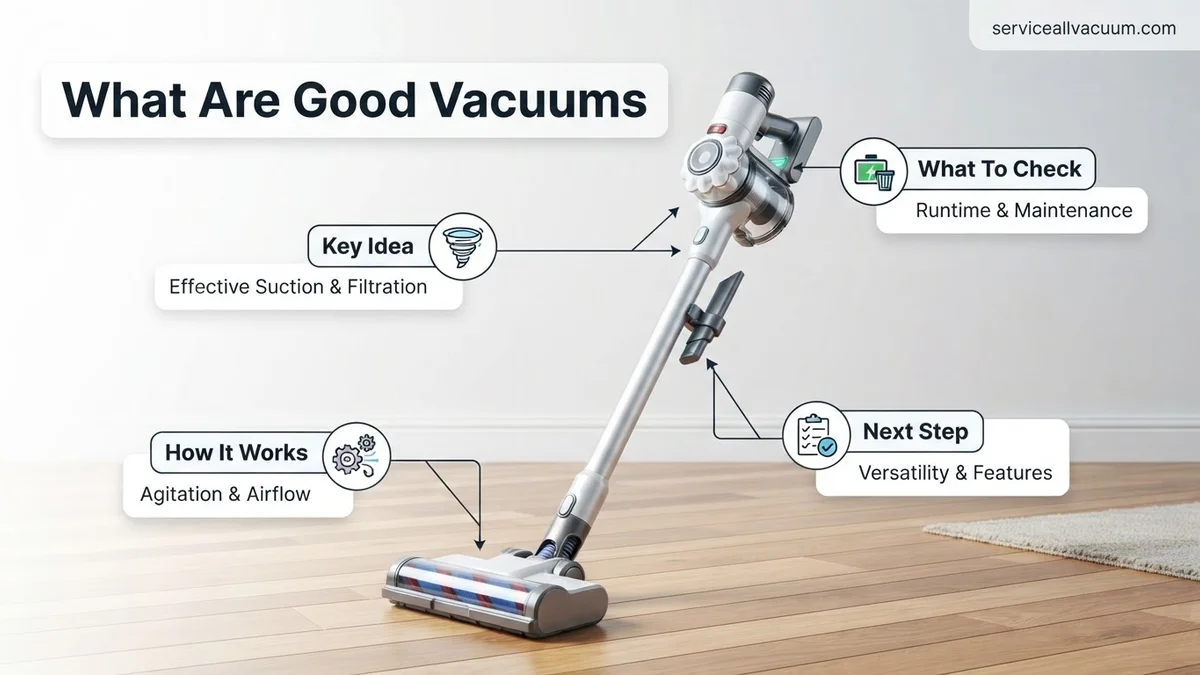
A truly great vacuum balances strong suction with high-velocity airflow. Suction lifts embedded dirt from deep within plush carpets, while airflow pulls dust and debris up the nozzle and into the collection bin. Modern 2026 models often feature digital motors that automatically adjust power output based on floor resistance, maximizing battery life on hard floors and ramping up suction on carpets.
Filtration and Sealed Systems
If you suffer from allergies, filtration is the most critical metric. The best vacuums feature completely sealed systems equipped with HEPA filters that trap 99.97 percent of microscopic particles down to 0.3 microns. This ensures that dust, pet dander, and pollen do not escape back into your room air through the exhaust vent.
- Multi-Cyclonic Technology: Separates fine dust from the air path to prevent filter clogging and maintain consistent suction.
- Anti-Hair Wrap Brush Rolls: Essential features that actively prevent long human and pet hair from tangling around the roller brush.
- LED Headlights: Crucial for illuminating hidden dust in dim hallways and under low-profile furniture.
How to Choose the Right Vacuum for Your Home and Flooring
Matching Your Flooring and Layout
Your primary flooring type dictates the mechanical setup you need. If your home features wall-to-wall carpeting, you need a motorized brush roll with adjustable height settings to prevent the vacuum from sealing itself too tightly to the floor. Conversely, if your 2026 living space is mostly hardwood, tile, and luxury vinyl plank, prioritize a soft roller head or a dedicated hard floor tool that traps fine dust rather than blowing it away.
Corded vs. Cordless and Bag vs. Bagless
Deciding on power delivery and debris collection shapes your daily cleaning experience. Cordless stick vacuums offer unmatched convenience for whole-home quick cleans, though high-end models now boast runtime improvements reaching up to 70 minutes. Corded uprights remain the gold standard for continuous, heavy-duty power without battery degradation worries.
- Bagless Systems: Save money on consumables, but require messy manual emptying that can release dust clouds into the air.
- Bagged Systems: Offer hygienic, sealed disposal that is ideal for allergy sufferers, though they require ongoing purchases of replacement bags.
- Hybrid Homes: Multi-story homes benefit heavily from lightweight cordless sticks, while single-level homes with heavy traffic often prefer a traditional corded powerhouse.
Best Cordless, Upright, and Robot Vacuums of 2026
Choosing the right machine in 2026 depends heavily on your specific flooring types, home layout, and lifestyle needs. Industry testing and consumer feedback highlight distinct category leaders that balance raw suction power with modern convenience features.
Top Cordless Stick Vacuums
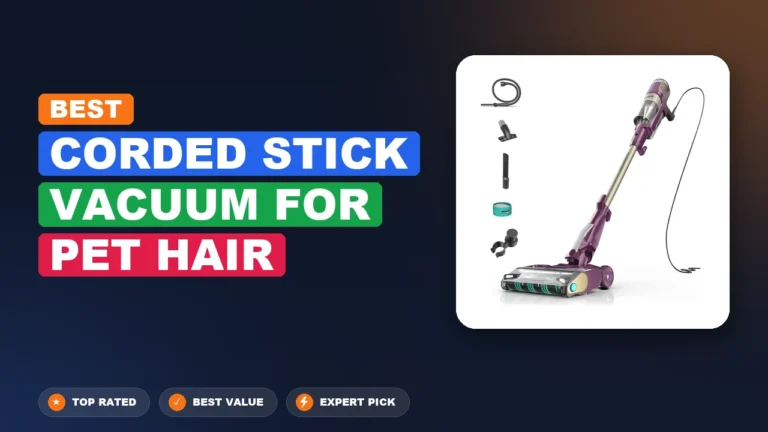
Cordless models now rival traditional corded units in deep-cleaning performance. The Dyson V15 Detect Absolute leads the market for 2026, delivering up to 240 air watts of suction and laser illumination that reveals microscopic dust on hard floors. For budget-conscious buyers, the Shark Stratos Cordless offers comparable anti-hair wrap technology at roughly half the price point.
Best Upright and Robot Vacuums
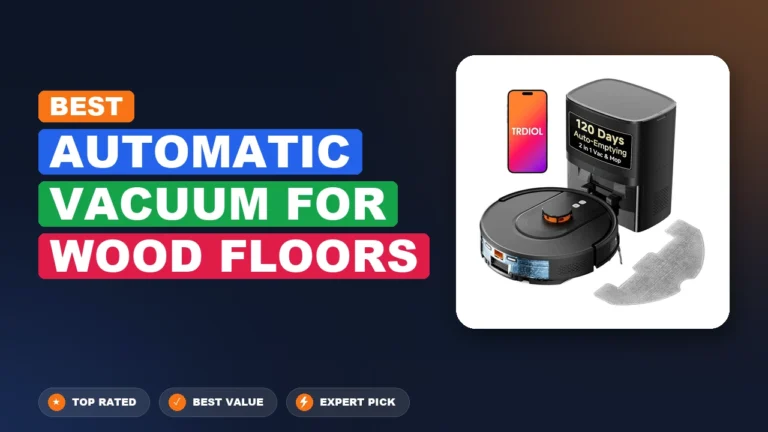
For heavy-duty carpets, upright vacuums remain the gold standard. The Sebo Felix Premium stands out for its commercial-grade motor, hospital-grade filtration, and exceptional durability backed by a generous warranty. Meanwhile, robotic vacuums have achieved near-total autonomy. The Roborock S9 MaxV Ultra sweeps, mops, self-empties, and self-washes its pads, making it the premier hands-free choice for busy households in 2026.
What to Do If Your Vacuum Loses Suction Power
Even the best vacuums can experience sudden drops in cleaning efficiency due to clogs, dirty filters, or worn-out components. Restoring peak performance usually requires a systematic troubleshooting approach rather than buying a replacement.
Follow these steps to diagnose and fix suction loss:
- Inspect and clear the airway path: Disconnect the hose, wand, and floor head. Shine a flashlight through each section to locate trapped debris, pet hair balls, or obstructions.
- Wash or replace the filters: Check both the pre-motor and HEPA filters. If they are washable, rinse them thoroughly under cold water and let them air dry for at least 24 hours before reinstalling.
- Check for brush roll blockages: Turn off the vacuum and flip it over. Use scissors to cut away tightly wound hair, threads, and carpet fibers wrapping around the agitator brush.
- Inspect seals and gaskets: Examine the rubber or foam seals around the dust cup lid and filter housing. A cracked or degraded seal allows air to escape, drastically reducing suction pressure.
What If It Still Doesn’t Work?
If basic troubleshooting fails to restore airflow, underlying mechanical issues may be at play. When a vacuum still lacks power, consider these advanced steps:
- Test the motor’s electrical draw and functionality by running the unit without any attachments attached to the main body.
- Check if the unit is still covered under the manufacturer’s warranty, which typically ranges from two to five years for premium brands.
- Take the appliance to an authorized service center for a professional diagnostic evaluation. Professional motor repairs typically cost between $75 and $150, depending on parts availability and labor rates.
- Compare the repair estimate against the current retail value; if the machine is past its expected lifespan of 7 to 10 years, investing in a replacement model is generally more cost-effective.
Conclusion
Maintaining strong suction power requires routine filter maintenance, prompt clog removal, and regular inspection of seals and brush rolls. According to verified research and expert appliance sources, adhering to manufacturer maintenance schedules can extend a vacuum’s operational lifespan by up to 50 percent. As your immediate next step, unplug your vacuum right now and perform a thorough inspection of its filters and airways to ensure it operates at peak efficiency.
❓ Frequently Asked Questions
What are the most reliable vacuum cleaner brands on the market?
Brands like Dyson, Shark, Miele, and Bissell consistently rank highest for reliability, suction performance, and customer satisfaction across various price points.
How often should I replace or clean my vacuum filter?
Washable foam and felt filters should be rinsed every month and dried completely for 24 hours. True HEPA filters typically need replacement every one to two years.
Can robot vacuums replace a traditional upright vacuum?
Robot vacuums excel at daily maintenance and light surface debris on hard floors and low-pile rugs, but they generally cannot match the deep-cleaning suction of uprights on thick carpet.
Why does my vacuum smell bad when I turn it on?
Unpleasant odors usually stem from trapped pet dander, mold in a damp filter, or a full bag or dirt bin. Regularly washing filters and emptying the bin prevents most smells.
Is suction power measured in watts or amps?
Neither metric tells the whole story; air watts (AW) and sealed suction (water lift) are much more accurate indicators of actual cleaning performance and airflow efficiency.
What is the best way to maintain a vacuum to make it last longer?
Regularly cut away tangled hair from the brush roll, empty the dust bin before it reaches the max fill line, and wash or replace filters according to the manufacturer instructions.