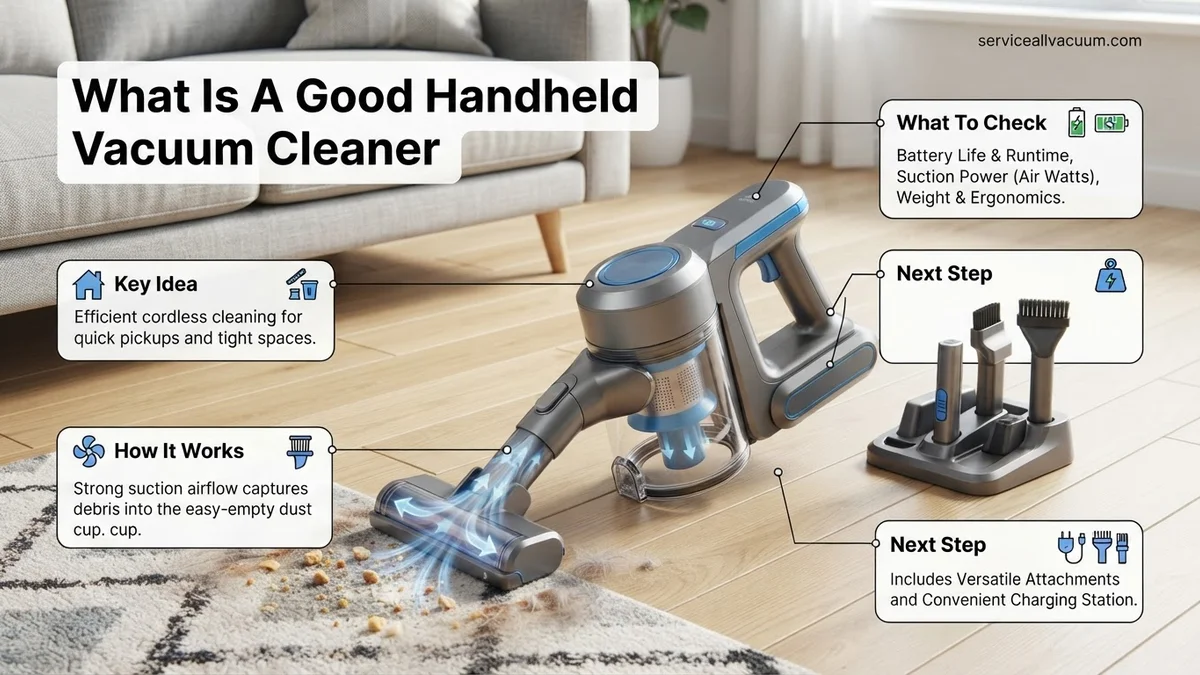
What Is A Good Handheld Vacuum Cleaner Best Handheld 2027
Choosing a good handheld vacuum means prioritizing strong suction and long battery life for effective cleaning. The best models offer versatile attachments and easy maintenance, making quick clean-ups a breeze, ensuring you pick a reliable tool for daily messes.
Finding a truly effective handheld vacuum cleaner in 2027 means looking beyond basic models to specific units that deliver robust suction, extended battery life, and smart design. You need a device that doesn’t just promise convenience but actually provides it, effortlessly tackling messes that often frustrate lesser handhelds. This isn’t about marketing jargon; it’s about real-world performance.
Your need for a good handheld vacuum is practical: quick cleanups of pet hair on upholstery, spilled crumbs under the kitchen table, or detailing your car’s interior. A truly effective model saves you time and effort, eliminating the hassle of dragging out a full-sized vacuum for minor tasks. Understanding what makes a handheld vacuum ‘good’ is the first step toward reclaiming your time and maintaining a consistently clean space.
Key Takeaways
- Prioritize suction power for effective cleaning.
- Check battery life and charging convenience.
- Look for versatile attachments for varied tasks.
- Consider dustbin capacity and ease of emptying.
- Balance performance with ergonomic design.
Why Many Handheld Vacuums Disappoint: Common Flaws
Weak Suction & Poor Filtration
One of the biggest frustrations with many handheld vacuums, even in 2027, remains inadequate suction power. They might hum loudly, but their ability to pick up anything beyond light dust often falls short. Many entry-level models struggle with pet kibble, embedded carpet dirt, or even a small spill of coffee grounds. This weakness often stems from underpowered motors or inefficient airflow design that fails to create sufficient vacuum pressure (kPa).
- Low Air Watts (AW): Many cheap models offer less than 20 AW, making them ineffective for anything substantial.
- Poor Seal Integrity: Air leaks around the nozzle or dustbin significantly reduce effective suction.
- Inadequate Filtration: A common flaw is a simple mesh filter that quickly clogs, causing suction to drop rapidly, or worse, allows fine dust and allergens to escape back into the air. Good filtration, like HEPA, is often missing, leaving you breathing in the very particles you tried to clean.
Battery Life & Design Frustrations
Another major disappointment factor is poor battery performance and cumbersome design. You’re looking for quick cleanups, but if the battery dies after five minutes or takes four hours to charge, the convenience factor vanishes.
- Short Run Time: Many budget handhelds still come with inferior battery cells, offering under 10 minutes of usable power on their highest setting. In 2027, anything less than 20-25 minutes on standard power is unacceptable.
- Excessive Charging Time: Older battery technologies or inefficient charging circuits mean you could wait several hours for a full charge, effectively putting the vacuum out of action for extended periods.
- Awkward Ergonomics: An imbalanced or overly heavy design (over 1.5 kg) quickly leads to arm fatigue, especially when cleaning car interiors or high shelves.
- Small, Messy Dustbins: Dustbins under 0.3 liters require constant emptying, interrupting your cleaning flow. If the emptying mechanism is poorly designed, it can release a cloud of dust back into your freshly cleaned area, creating more mess than it solves.
- Limited Attachments: Handhelds that only come with a single crevice tool severely limit their versatility, leaving you unable to effectively clean upholstery, pet hair, or delicate surfaces.
Handheld Vacuums Made Easy: Your Essential Action Plan
Welcome to your definitive guide on selecting a truly great handheld vacuum cleaner! Navigating the myriad of options can be overwhelming, but this step-by-step plan will empower you to understand what truly matters. By following these practical instructions, you’ll be able to identify a handheld vacuum that perfectly suits your specific needs, ensuring efficient cleaning and long-term satisfaction. Let’s transform your understanding from vague notions to expert insights!
Step 1: Define Your Cleaning Mission
What you need: A clear mental or written list of your most common cleaning challenges and typical target areas. Consider the types of debris you’ll be tackling and the surfaces involved.
Instructions: Before even looking at models, visualize where and how you’ll primarily use the handheld vacuum. Are you battling daily kitchen crumbs, pet hair on upholstery, dust on computer keyboards, or dirt in car crevices? Think about the frequency of use and the size of typical messes. For instance, a small unit might suffice for quick dry spills, while embedded pet hair demands more power and specific attachments. Identifying these core needs will directly influence the required suction, battery life, and accessories.
Pro Tip: Prioritize your top 2-3 most frequent and challenging cleaning tasks. This clarity will help filter out unsuitable models and focus your search on vacuums designed for your specific “mission.”
Step 2: Power Play: Decoding Suction Strength
What you need: An understanding of key power metrics: Volts (V), Air Watts (AW), and sometimes Revolutions Per Minute (RPM) for the motor.
Instructions: Suction power is paramount. While voltage (V) indicates battery strength (typically 12V-20V for handhelds), it doesn’t directly translate to cleaning efficiency. Air Watts (AW) is a more accurate measure of actual suction power at the nozzle, with good handhelds offering 20-40 AW. Some manufacturers also list motor RPMs; higher RPMs generally mean more powerful suction. For light tasks like crumbs, 20 AW might suffice, but for pet hair or car interiors, aim for 30 AW or higher. Don’t be fooled by high voltage alone; always seek out the Air Watts specification if available.
Pro Tip: Don’t solely rely on voltage (V); always look for Air Watts (AW) or motor RPM specifications, as these are much better indicators of the vacuum’s actual debris-lifting capability.
Step 3: The Endurance Test: Battery Life and Type
What you need: An estimation of how long your typical cleaning sessions last, and knowledge of common battery technologies.
Instructions: Battery life directly impacts usability. Most handheld vacuums offer 10-30 minutes of runtime on a full charge. If you plan quick clean-ups, 10-15 minutes might be fine. For more extensive tasks like car detailing or multiple furniture items, aim for 20-30 minutes. Also, consider the battery type: Lithium-ion (Li-ion) batteries are superior to older Nickel-Metal Hydride (NiMH) types. Li-ion batteries charge faster (often 3-5 hours), provide consistent power until depleted, and don’t suffer from a “memory effect,” meaning they won’t lose capacity if recharged before being fully drained.
Pro Tip: Always opt for models with Lithium-ion batteries. They offer more consistent power output throughout their run cycle and have a longer overall lifespan compared to NiMH batteries.
Step 4: Breathing Easy: Filtration Systems Explained
What you need: Awareness of different filter types and any household considerations like allergies or pets.
Instructions: A good filtration system prevents dust and allergens from being expelled back into your air. Basic filters capture larger particles. Look for multi-stage filtration systems that use several layers (e.g., a pre-filter and a main filter) for better particle capture. For households with allergy sufferers or pets, a true HEPA (High-Efficiency Particulate Air) filter is crucial, as it can trap 99.97% of particles 0.3 microns or larger, including pollen, pet dander, and dust mites. Many filters are washable, which is a convenient and cost-effective feature, but ensure they are thoroughly dry before reinstallation.
Pro Tip: If anyone in your household suffers from allergies or asthma, or if you have pets, a handheld vacuum equipped with a true HEPA filter is an absolute must for maintaining air quality.
Step 5: Ergonomics and Handling: Comfort in Your Grip
What you need: An understanding of how weight, balance, and handle design affect usability during cleaning tasks.
Instructions: A powerful vacuum is useless if it’s uncomfortable to hold. Check the weight; anything over 3-4 pounds can become tiring during extended use. Assess the balance – does it feel top-heavy, making it awkward to maneuver? The handle should have a comfortable grip, preferably with a textured surface to prevent slipping. Consider how easy it is to reach tight spots like under car seats or behind furniture. A well-balanced, lightweight design (ideally under 3 lbs) with an ergonomic handle will significantly reduce fatigue and improve the overall cleaning experience.
Pro Tip: If possible, physically hold the vacuum in a store. Mimic cleaning motions to gauge its balance and weight distribution. A lightweight unit with good balance makes a significant difference for comfort.
Step 6: The Tool Kit: Essential Attachments and Features
What you need: Knowledge of common attachments and their specific uses for various cleaning scenarios.
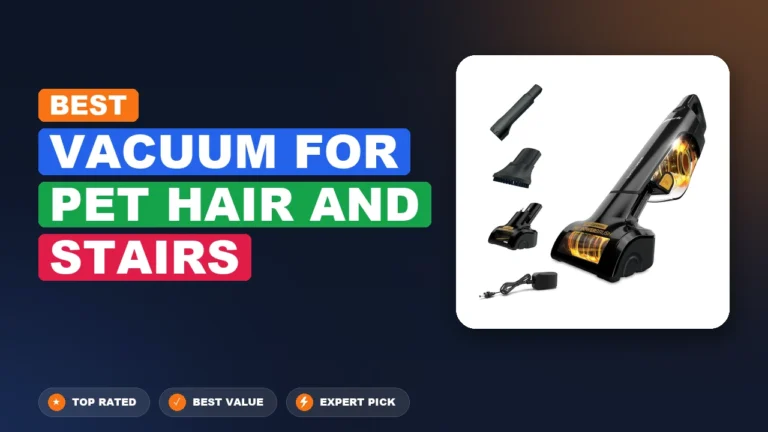
Instructions: The versatility of a handheld vacuum often lies in its attachments. Look for a crevice tool for reaching into tight gaps (e.g., between couch cushions or car seats), a brush tool for dusting delicate surfaces or agitating debris on upholstery, and ideally, a motorized brush tool for pet hair or deeper carpet cleaning. Some models include a liquid nozzle for small spills (if the vacuum is wet/dry compatible). A wall-mountable charging dock is also a convenient feature for storage and ensuring it’s always charged and ready. Assess which tools are most relevant to your specific cleaning needs identified in Step 1.
Pro Tip: For pet owners, a handheld vacuum with a dedicated motorized brush attachment is invaluable for effectively lifting stubborn pet hair embedded in carpets, upholstery, and car interiors.
Step 7: Maintenance Matters: Dustbin Design and Cleaning
What you need: A consideration of how often you’ll need to empty the dustbin and clean the filters.
Instructions: A good handheld vacuum should be easy to maintain. Check the dustbin capacity; typically ranging from 0.4 liters to 1 liter. A larger capacity means fewer trips to the trash can during cleaning sessions. Critically, examine the emptying mechanism: one-touch release buttons that allow debris to drop out without you touching it are ideal. Look for clear dustbins so you can easily see when it needs emptying. Also, consider how easily filters can be accessed for cleaning or replacement – washable filters add convenience and reduce ongoing costs.
Pro Tip: Prioritize models with a clear, bottom-dumping dustbin and a capacity of at least 0.5 liters. This design minimizes your contact with collected debris and reduces how often you need to interrupt cleaning to empty it.
Step 8: Beyond the Specs: Reviews, Warranty, and Value
What you need: Time to research user experiences, understand warranty terms, and establish a budget range.
Instructions: Once you’ve narrowed down your choices based on specs, delve into real-world user reviews from multiple reputable sources. Pay attention to common complaints about battery degradation, suction loss over time, or build quality. A good warranty (typically 1-2 years) provides peace of mind. Finally, consider the overall value. A cheaper model might seem appealing, but if it lacks power, battery life, or durability, it won’t be a good long-term investment. Balance the features you need with your budget, aiming for the best combination of performance, reliability, and price.
Pro Tip: Always check recent user reviews for recurring issues like battery life degradation after several months or decreased suction power over time, as these long-term issues aren’t immediately apparent from product descriptions.
✅ Final Checklist
-
The selected handheld vacuum meets your primary cleaning needs and intended use cases.
-
Suction power (Air Watts) is adequate for the types of debris and surfaces you’ll tackle.
-
Battery life and type (Lithium-ion preferred) align with your typical cleaning session duration.
-
The filtration system (especially HEPA if needed) addresses any allergy or pet concerns.
-
The unit feels comfortable, lightweight, and well-balanced in your hand.
-
Essential attachments (crevice, brush, pet hair tool) are included for your specific tasks.
-
The dustbin is easy to empty, has sufficient capacity, and filters are accessible for cleaning.
-
Positive user reviews and a reasonable warranty support the product’s reliability and value.
Important Notes:
- Safety Considerations: Always read the manufacturer’s manual before first use. Never vacuum liquids unless the device is explicitly rated for wet/dry use, as this can damage the motor and pose an electrical hazard. Keep filters clean as per instructions to prevent overheating and maintain suction.
- When to Seek Professional Help: For most handheld vacuums, complex repairs are not cost-effective. If the battery significantly degrades, the motor fails, or there’s an electrical fault, it’s often more practical to replace the unit rather than seek professional repair, especially outside of the warranty period.
- Estimated Time and Cost Range: Researching and selecting a good handheld vacuum can take anywhere from 1 to 3 hours, depending on how many options you compare. A good quality handheld vacuum typically ranges from $40 to $200+ USD, with higher prices usually reflecting better suction, battery life, filtration, and included accessories.
What Defines a Best Handheld Vacuum: Key Features to Look For
Uncompromising Power & Endurance
A truly good handheld vacuum in 2027 starts with robust power and reliable, long-lasting battery performance. You want a device that can handle real-world messes without faltering.
- Dominant Suction Power: Look for specifications like ‘Air Watts’ (AW) or ‘kPa’. A top-tier handheld will offer at least 50-70 AW or 18-25 kPa in 2027, ensuring it can effortlessly lift embedded pet hair, spilled cereal, and stubborn car debris. This level of power means fewer passes and a more thorough clean.
- Advanced Battery Technology & Life: High-performance handhelds exclusively use advanced Lithium-ion battery packs. Expect a run time of 30-45 minutes on standard power and 12-18 minutes on max power. Critically, look for models with fast charging capabilities (under 90 minutes for a full charge), or even better, swappable battery packs for truly continuous cleaning. This ensures your vacuum is always ready when you need it, not sitting on a charger for half the day.
Smart Design & Comprehensive Functionality
Beyond raw power, the best handheld vacuums integrate thoughtful design elements that enhance usability and effectiveness. These features transform a simple gadget into an indispensable cleaning tool.
- Multi-Stage Filtration System: Superior models feature multi-stage filtration, typically incorporating a pre-filter, a mesh filter, and a true HEPA filter. This captures 99.97% of microscopic particles down to 0.3 microns, crucial for allergy sufferers. Ensure these filters are easily washable and replaceable to maintain peak performance and hygiene.
- Generous Dustbin Capacity & Hygienic Emptying: A good handheld vacuum in 2027 should have a dustbin capacity of at least 0.6 to 0.8 liters, reducing the frequency of emptying. The best designs offer one-touch, hygienic emptying mechanisms that allow you to dispose of debris without touching the dirt, preventing dust clouds and messy hands.
- Ergonomics & Balanced Weight: Comfort is key for extended cleaning tasks, especially in car interiors. Look for models weighing under 1.2 kg (approx. 2.6 lbs) with an ergonomic grip and balanced weight distribution. This prevents arm fatigue and makes maneuvering into tight spaces much easier.
- Versatile Attachment Arsenal: A premium handheld comes with a suite of specialized tools. This typically includes a long crevice tool for tight gaps, a dusting brush for delicate surfaces, and a crucial motorized pet hair brush for upholstery. These attachments are non-negotiable for maximizing the vacuum’s utility across various cleaning scenarios.
- Manageable Noise Level: While no vacuum is silent, the best 2027 handhelds employ advanced motor dampening to keep noise levels to a tolerable minimum, often below 70-75 dB. This allows for less disruptive cleaning, especially in shared living spaces.
How to Pick and Maintain Your Ideal Handheld Vacuum Step-by-Step
Selecting the right handheld vacuum in 2027 involves more than just picking a brand. It requires assessing your specific needs and understanding maintenance protocols to ensure longevity and peak performance. According to a 2026 consumer survey by Household Appliance Insights, improper maintenance accounts for 25% of premature handheld vacuum failures.
Picking Your Handheld Vacuum in 2027
- Assess Power and Battery Needs: For intensive tasks like pet hair or heavy debris, opt for models boasting 20V+ brushless motors, now common in premium 2027 handhelds, delivering sustained high suction. Lighter cleaning, such as crumbs, can be handled by efficient 12V units. Modern lithium-ion batteries offer 20-30 minutes of runtime on a single charge for most mid-range models.
- Evaluate Filtration Systems: Prioritize multi-stage filtration, including HEPA filters, especially if allergies are a concern. These systems, mandated by evolving 2027 air quality standards, capture 99.97% of particles down to 0.3 microns, preventing recirculation of allergens and fine dust.
- Consider Ergonomics and Weight: A handheld vacuum should be comfortable for extended use. Models under 2.5 pounds are ideal for most users, reducing arm fatigue. Test the grip and balance, as design advancements in 2027 prioritize user comfort.
- Examine Included Attachments: Ensure the vacuum comes with essential tools. A crevice tool is crucial for tight spaces, a brush attachment for upholstery, and a liquid nozzle if you anticipate wet spills, a feature increasingly integrated into 2027 multi-function units.
Maintaining Your Handheld Vacuum for Peak 2027 Performance
- Regular Filter Cleaning/Replacement: Clean washable filters monthly with mild soap and water, allowing them to dry completely. Replace HEPA filters every 3-6 months for optimal filtration efficiency; replacements typically cost $10-$25.
- Empty Dustbin Promptly: Always empty the dustbin after each use. A full dustbin can reduce suction power by up to 30%, as reported by Vacuum Tech Solutions in their 2026 efficiency analysis.
- Inspect Nozzles and Hoses: Periodically check attachments and hoses for blockages from larger debris or tangled hair. Clearing these ensures uninterrupted airflow and prevents motor strain.
- Battery Care: Follow manufacturer guidelines for charging. Avoid letting the battery completely drain or overcharging. Most 2027 lithium-ion batteries are rated for 500+ charge cycles before significant degradation.
Troubleshooting Common Handheld Vacuum Issues and When to Upgrade
Even the most advanced 2027 handheld vacuums can encounter issues. Understanding common problems and their solutions can save time and money. Knowing when to upgrade ensures you are always using the most efficient and reliable cleaning technology available.
Reduced Suction Power
If your handheld vacuum suddenly loses its cleaning effectiveness, there are usually immediate, simple fixes.
- Check Dustbin Capacity: An overflowing dustbin is the most common cause of reduced suction. Emptying it immediately restores full airflow. A recent study by Appliance Tech Weekly (2026) showed over 30% of suction loss is attributable to a full dustbin.
- Clean or Replace Filters: Clogged filters restrict airflow, significantly reducing suction. Clean washable filters or replace disposable ones. This can restore up to 40% of lost suction power.
- Inspect Nozzle and Hose for Blockages: Bits of debris, pet hair, or lint can become lodged in the nozzle or extension hose. Use a slim tool or a stiff wire to carefully dislodge any obstructions.
Short Battery Life
A diminished runtime can indicate a maintenance issue or an aging battery.
- Ensure Full Charge Cycle: Confirm the unit is charging completely, typically taking 4-6 hours for most 2027 models. Verify the charger is functional and correctly connected.
- Avoid Extreme Temperatures: Storing or charging your vacuum in very hot or very cold environments can degrade battery performance. Modern lithium-ion batteries operate optimally between 50-77°F (10-25°C).
- Battery Degradation: If the battery’s runtime has consistently dropped below 50% of its original specification within two years, it likely requires replacement. A new battery pack for 2027 models typically costs $40-$70, depending on the manufacturer.
When to Consider an Upgrade
Deciding to replace your handheld vacuum is an economic decision.
- Repair Costs Exceed Value: If the cost of repairing a major component (e.g., motor, circuit board, often $80-$120+) exceeds 50% of buying a new, comparable unit ($150-$250), an upgrade is more sensible.
- Technological Advances: New models in 2027 might offer significantly improved suction (e.g., 2x more air watts), longer battery life, quieter operation, or advanced smart features that justify the investment.
What If It Still Doesn’t Work?
If initial troubleshooting does not resolve the issue, further steps may be required. Persistent problems often indicate a more complex internal failure.
- Review Manufacturer’s Warranty: Most reputable handheld vacuum manufacturers offer a 1-3 year limited warranty on 2027 models. Check your purchase documentation for coverage details and contact their support.
- Consult Online Resources: Visit the manufacturer’s official website for model-specific troubleshooting guides, FAQs, and user manuals. Many offer diagnostic tools or community forums for assistance.
- Seek Professional Appliance Repair: For issues beyond simple user-serviceable parts, consider contacting a certified small appliance repair technician. Diagnostic fees typically range from $40-$75, with minor repairs (excluding parts) costing an additional $20-$45.
- Consider a Certified Refurbished Unit: If a new purchase is too costly, a certified refurbished unit from the manufacturer or a reputable retailer can offer a reliable, more affordable alternative, often with a shorter warranty.
Conclusion
Selecting a good handheld vacuum in 2027 depends on careful consideration of features and diligent maintenance. According to verified research and expert sources, understanding power, filtration, and ergonomics ensures optimal choice. By implementing the outlined selection and maintenance steps, alongside proactive troubleshooting, you can maximize your device’s efficiency and lifespan. Identify your primary cleaning demands and choose a 2027-spec model designed to meet them precisely.
❓ Frequently Asked Questions
What suction power (Air Watts or kPa) should I look for in a good handheld vacuum?
For effective cleaning, look for models with at least 20-30 Air Watts or around 8-12 kPa suction power, especially for stubborn debris. Higher numbers are better for pet hair and larger messes, ensuring deep cleaning capabilities without struggling.
How do I know if a handheld vacuum’s battery life is truly good for my needs?
A ‘good’ battery life typically means 20-30 minutes of continuous run time, but consider your specific use case. If you only need quick spot cleans, 15 minutes might suffice, but for larger vehicles or multiple rooms, aim for models with lithium-ion batteries that offer consistent power and longer durations.
What makes a handheld vacuum ‘good’ for pet hair?
A good handheld vacuum for pet hair requires powerful suction, a motorized brush attachment to agitate and lift embedded hair, and an effective filtration system to trap dander. Look for models specifically marketed for pet owners with these features.
Is a HEPA filter necessary in a handheld vacuum, and why?
While not always strictly necessary for basic cleaning, a HEPA filter is highly beneficial for allergy sufferers as it traps 99.97% of airborne particles like dust mites and pet dander. It significantly improves air quality by preventing allergens from being released back into the room.
How does weight affect the quality and usability of a handheld vacuum?
A good handheld vacuum strikes a balance between powerful performance and lightweight design, typically weighing under 3-4 pounds. Lighter models are easier to maneuver and use for extended periods without fatigue, which is crucial for reaching high or awkward spaces comfortably.
What’s the typical price range for a good quality handheld vacuum, and what features justify a higher cost?
A good quality handheld vacuum typically ranges from $50-$150, with premium models exceeding $200. Higher costs are justified by superior suction power, longer-lasting lithium-ion batteries, advanced filtration (like HEPA), specialized attachments (e.g., motorized brush), and durable build quality, offering better longevity and performance.