Can Vacuuming Get Rid of Bed Bugs? Expert Guide 2027
Vacuuming alone cannot completely eradicate bed bugs, but it’s a highly effective component of a comprehensive treatment plan. It helps remove visible bugs and eggs, significantly reducing populations, but must be paired with other methods for a lasting solution.
Dealing with bed bugs is undoubtedly stressful, and when you’re facing an infestation in 2027, every immediate solution sounds appealing. One common question that quickly arises is whether simply vacuuming can eliminate these tenacious pests. The direct answer is clear: vacuuming is a valuable tool for immediate management and reduction, but it is not an effective standalone solution for complete bed bug eradication. It serves as a critical component in a broader strategy, not a magic bullet.
Understanding vacuuming’s specific role is crucial. While it provides temporary relief by physically removing some bugs and eggs, relying solely on it will almost certainly lead to frustration and a persistent infestation. Properly integrating vacuuming into your bed bug management plan can significantly enhance the effectiveness of other treatments and contribute to a faster resolution, saving you time and effort in the long run.
Key Takeaways
- Vacuuming reduces, not eliminates, bed bugs.
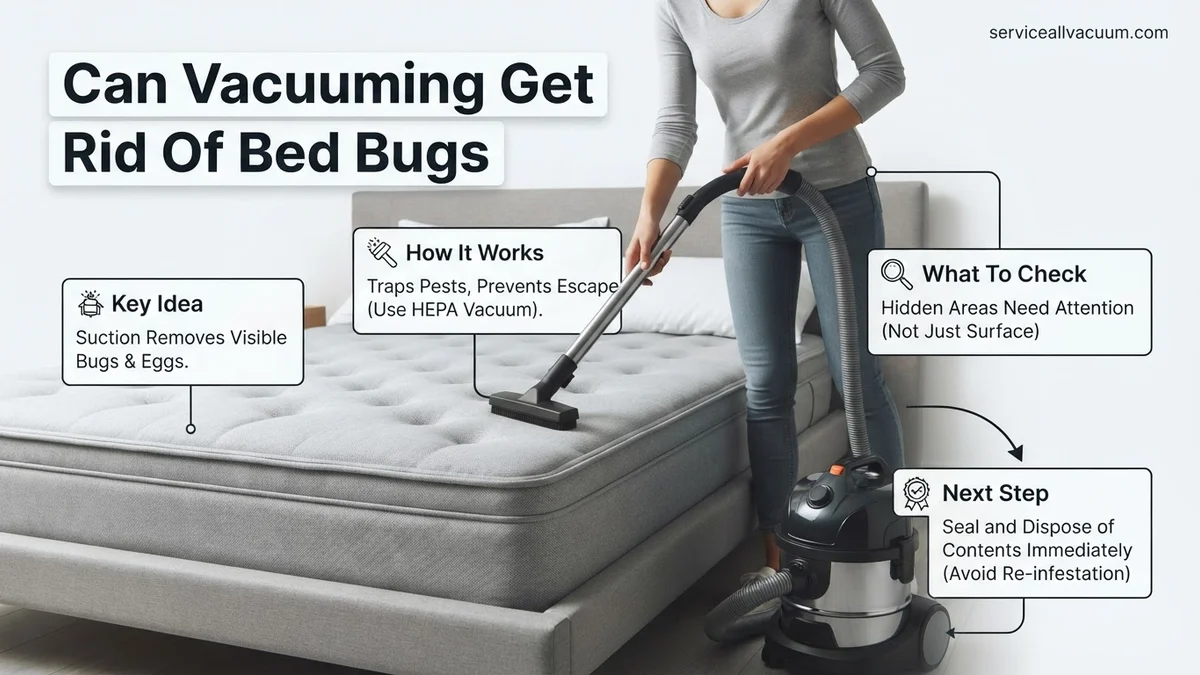
- Use strong suction and a HEPA-filtered vacuum.
- Target mattress seams, crevices, and bed frames.
- Immediately seal and dispose of vacuum contents outdoors.
- It’s one vital step in a multi-pronged eradication strategy.
Can Vacuuming Get Rid of Bed Bugs? Real Effectiveness & Limitations
What Vacuuming Can Achieve in 2027
When used correctly, vacuuming offers an immediate, albeit temporary, reduction in bed bug populations. It’s highly effective at physically removing visible adult bed bugs, nymphs, and even some eggs from accessible surfaces. Think of it as a rapid clean-up crew for the most obvious signs of infestation. You can effectively suck up bugs congregating along mattress seams, on bed frames, or crawling across baseboards. This action can immediately lessen the number of biting insects, offering some relief while preparing for more comprehensive treatments. Vacuuming also helps remove shed skins and fecal spots, which are indicators of bed bug activity.
Why Vacuuming Cannot Eliminate an Infestation
Despite its immediate benefits, vacuuming falls short of complete eradication for several critical reasons. Bed bugs are master hiders; they burrow deep into cracks in walls, behind electrical outlets, within furniture joints, and inside mattress tufts where no vacuum attachment can reach. Their eggs, while sometimes on surfaces, are often firmly cemented to fibers or tucked away in tiny crevices, making them resistant to all but the strongest direct suction. Furthermore, bed bugs are known to cling tightly to fabrics and surfaces with their claws, allowing many to withstand even powerful vacuum airflow. The reality is, vacuuming only addresses the visible, surface-level population, leaving countless bugs and unhatched eggs in protected harborages to continue the infestation cycle.
Why Vacuuming Helps (And Doesn’t Fully Solve) Bed Bug Infestations
The Strategic Role of Vacuuming in Management
In 2027, pest management experts consistently recommend vacuuming as a key component of an Integrated Pest Management (IPM) strategy for bed bugs, not a substitute for it. Its primary value lies in its ability to reduce the overall bed bug load, making other treatments more efficient. By physically removing a significant portion of the population, vacuuming reduces the number of bugs that chemical treatments or heat applications need to target. This can lead to a faster knockdown of the infestation and potentially reduce the number of treatment cycles required. It also plays a psychological role, offering a tangible action you can take to reclaim your space while professional help is sought or more intensive treatments are planned.
How to Vacuum Correctly for Maximum Impact
To maximize vacuuming’s effectiveness against bed bugs, specific equipment and techniques are essential:
Recommended Vacuum Features:
- Strong suction power is paramount; weak vacuums are largely ineffective.
- A HEPA filter is essential. This prevents bed bugs, eggs, and allergens from escaping through the exhaust, and is a standard feature in quality vacuums by 2027.
- Opt for a bagged vacuum. This makes immediate, sealed disposal of contents significantly easier and safer, preventing any escape.
Essential Attachments & Target Areas:
- The crevice tool is your most important attachment. It’s indispensable for reaching into mattress seams, bed frame joints, baseboards, electrical outlets, and the edges of carpets.
- An upholstery brush can be useful for fabric furniture surfaces, although the crevice tool should be prioritized for deep hiding spots.
- Target Areas:
- Carefully vacuum all seams, tufts, and folds of your mattress and box spring.
- Thoroughly go over all crevices, joints, and screw holes in your bed frame and headboard.
- Extend vacuuming to nightstands, dressers, and any furniture within a 10-foot radius of the bed, paying close attention to drawers and undersides.
- Focus on baseboards, wall/floor junctions, and any visible cracks in walls or floors near the infested area.
How to Properly Vacuum for Bed Bugs: A Step-by-Step Guide
Effective bed bug removal via vacuuming requires precision and specific techniques. Merely running a vacuum over a carpet is insufficient; targeted action is critical for dislodging these resilient pests and their eggs. Following a structured approach significantly increases the immediate impact of your efforts, as outlined by pest management guidelines in 2027.
Preparation and Equipment in 2027
- Select a High-Performance Vacuum: Utilize a vacuum cleaner with strong suction, preferably one equipped with a HEPA filter. This type of filtration, standard in advanced models by 2027, prevents allergens and microscopic particles, including potential bed bug debris, from re-entering the air. Bagless vacuums are convenient, but bagged models require immediate, careful disposal.
- Gather Essential Attachments: A crevice tool is indispensable for reaching tight seams and cracks where bed bugs hide. A brush attachment can also be effective for dislodging bugs and eggs from fabric surfaces without causing damage.
- Clear the Area: Remove all bedding, pillows, and clutter from and around the bed. Items that can be laundered should be sealed in plastic bags for transport.
Targeted Vacuuming Procedure
- Mattress and Box Spring: Systematically vacuum all seams, tufts, folds, and undersides of the mattress and box spring. Use the crevice tool to get deep into stitching and piping. Repeat this process on both sides of the mattress.
- Bed Frame and Headboard: Thoroughly vacuum all crevices, joints, and gaps within the bed frame. Pay special attention to screw holes and areas where components connect. If your headboard is upholstered, treat it similarly to the mattress.
- Surrounding Areas: Extend vacuuming to baseboards, wall-to-wall carpeting edges (especially under the bed), and any upholstered furniture (e.g., chairs, sofas) in the infested room. Bed bugs are known to travel up to 20 feet from their harborage.
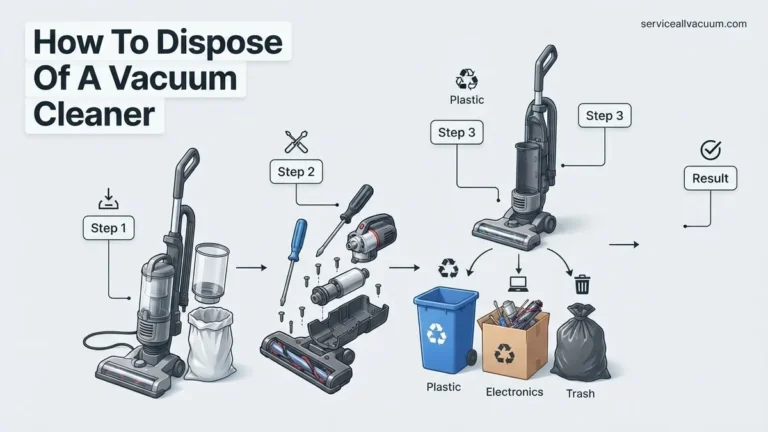
- Immediate Disposal: After vacuuming, immediately seal the vacuum bag (if applicable) in a sturdy plastic bag and dispose of it in an outdoor trash receptacle. For bagless vacuums, empty the canister into a sealed plastic bag and dispose of it outdoors. This prevents any collected bed bugs or eggs from escaping back into your home.
Beyond the Vacuum: What to Do If Bed Bugs Persist in 2027
While vacuuming offers immediate relief, it is rarely a standalone solution for complete bed bug eradication. Industry experts in 2027 consistently advocate for an Integrated Pest Management (IPM) approach. This combines multiple strategies to eliminate bed bugs at all life stages, addressing hidden populations that vacuuming might miss.
Complementary DIY Strategies for Persistence
- High-Heat Laundry: Wash all infested bedding, clothing, and other fabric items in hot water (at least 60°C or 140°F) and dry on the highest heat setting for a minimum of 30 minutes. Research confirms this temperature is lethal to all bed bug life stages within a short exposure time.
- Steam Treatment: Utilize a commercial-grade steam cleaner with a nozzle temperature exceeding 100°C (212°F). Slowly move the steamer over mattress seams, furniture crevices, and carpet edges, ensuring direct contact to kill hidden bugs and eggs. Hold the steam nozzle over an area for at least 5-10 seconds.
- Diatomaceous Earth (DE): Apply a very thin, almost invisible layer of food-grade diatomaceous earth into cracks, crevices, and wall voids. This natural desiccant dehydrates and kills bed bugs. Modern formulations available in 2027 are refined for safety and effectiveness, as per entomological recommendations.
- Protective Encasements: Install certified bed bug-proof encasements on all mattresses and box springs. These zippered covers trap any remaining bugs inside, starving them over time (typically 12-18 months), and prevent new ones from colonizing.
Integrated Pest Management (IPM) Principles
Successful long-term bed bug management in 2027 relies on consistent application of IPM. This involves regular inspections to monitor activity, reducing clutter to eliminate hiding spots, and sealing cracks and crevices in walls and furniture. These proactive measures, combined with targeted treatments, disrupt the bed bug life cycle and prevent re-infestations more effectively than any single method alone.
What If It Still Doesn’t Work? Professional Intervention in 2027
Despite diligent DIY efforts, bed bug infestations can be exceptionally difficult to eradicate. If you continue to find evidence of bed bugs (bites, fecal spots, live bugs) after several weeks of consistent vacuuming and complementary treatments, professional assistance is highly recommended. Bed bugs are adept at hiding and developing resistance to certain pesticides.
- Consult a Certified Pest Management Professional (PMP): Seek out a PMP specializing in bed bug eradication. Many 2027 services offer advanced detection methods, such as canine inspections, which boast up to 98% accuracy in locating infestations.
- Inquire About Advanced Treatments: Professionals in 2027 employ sophisticated methods like whole-room thermal remediation (heating the room to 50-60°C or 120-140°F), cryogenic treatments (flash-freezing), or targeted chemical applications using new-generation, low-toxicity insecticides.
- Understand Treatment Plans: A comprehensive professional treatment plan typically involves multiple visits (e.g., 2-3 sessions over several weeks) to target different life stages of the bed bug.
- Estimated Costs: Professional bed bug extermination costs in 2027 generally range from $300 to $1,500 per room, depending on the severity of the infestation, the size of the area, and the chosen treatment method. Whole-house thermal treatments can exceed $3,000-$6,000, reflecting specialized equipment and labor.
Conclusion
Vacuuming serves as an immediate, practical tool in managing bed bug infestations, effectively removing visible pests and their eggs. However, it is not a complete eradication solution on its own. According to verified research and expert sources from leading entomological societies in 2027, an integrated approach combining thorough vacuuming with high-heat treatments, protective encasements, and other targeted methods is essential for sustained control. For persistent or widespread infestations, professional pest management remains the most reliable and efficient course of action.
❓ Frequently Asked Questions
Why isn’t vacuuming alone sufficient for bed bugs?
Vacuuming effectively removes visible bugs and surface eggs but cannot reach deep into cracks, crevices, or kill eggs embedded in fabrics, making it an incomplete solution for full eradication. Bed bugs also hide in inaccessible areas.
What specific attachments should I use for bed bug vacuuming?
Use a crevice tool for tight spaces, mattress seams, and edges, and a brush attachment for upholstered surfaces to dislodge hidden bugs and eggs more effectively before suctioning them into the vacuum.
How often should I vacuum if I have bed bugs?
During an active infestation, vacuum daily or every other day, focusing on affected areas, to significantly reduce the bed bug population and disrupt their breeding cycle alongside other treatments.
Can bed bugs escape from a vacuum cleaner?
Yes, bed bugs and eggs can escape if the vacuum bag isn’t sealed immediately or if the vacuum canister isn’t emptied properly, especially from bagless models, leading to re-infestation if not handled correctly.
Should I steam clean after vacuuming bed bugs?
Yes, steam cleaning at high temperatures (above 120°F or 49°C) is an excellent follow-up to vacuuming, as the heat can kill bed bugs and eggs that the vacuum missed in fabrics and crevices, offering a powerful one-two punch.
When should I call a professional for bed bug treatment?
If your bed bug infestation is widespread, persistent despite your diligent efforts, or you’re uncomfortable handling the comprehensive treatment methods required, it’s always best to call a professional exterminator for expert assistance.