Can U Vacuum Glass Can You Vacuum Glass? Expert Guide 2027
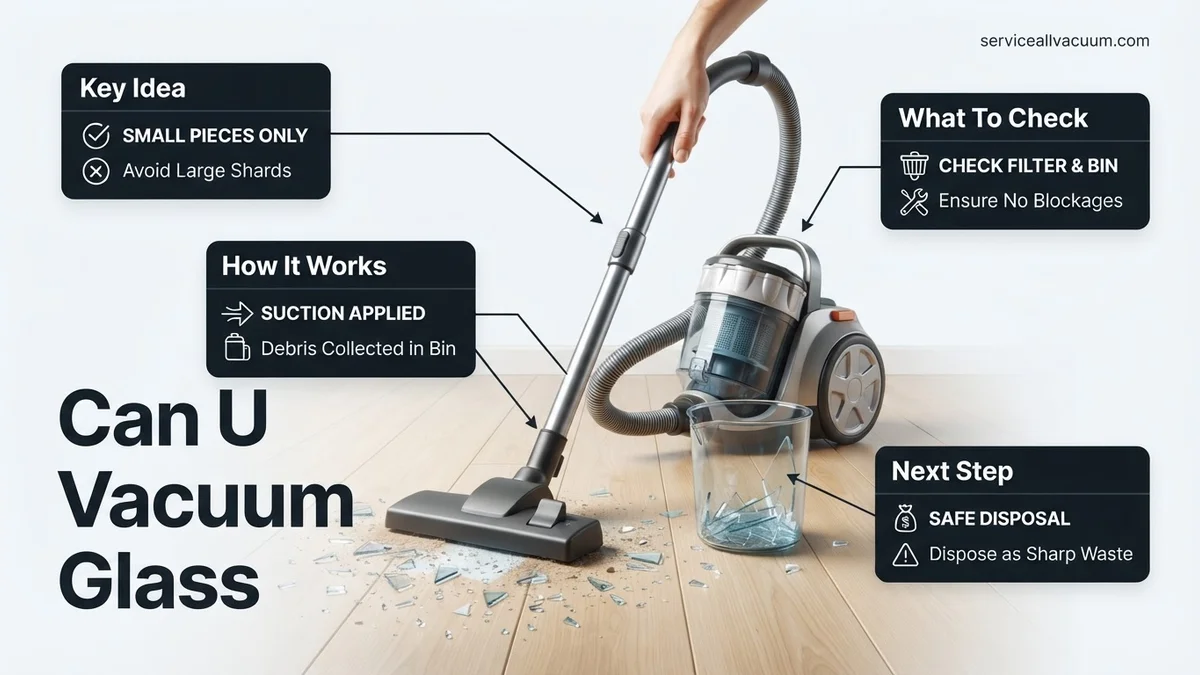
Vacuuming glass with a standard household vacuum is strongly discouraged due to significant risks to both the appliance and user safety. It can damage motors, tear filters, and propel sharp shards. Use manual methods with protective gear for safe and effective cleanup.
No, in most cases, you absolutely should not vacuum broken glass shards or fine glass dust with your standard household vacuum cleaner. While it might seem like the quickest solution for a shattered drinking glass or a broken window pane, the risks to both your vacuum and, more importantly, your personal safety, far outweigh any perceived convenience. This guide, updated for 2027, will explain precisely why this common impulse is dangerous and equip you with the expert-recommended, safer alternatives.
Understanding these dangers is crucial for maintaining a safe home environment and preventing costly damage to your appliances. Forget what you might have seen in older commercials or DIY tips from a decade ago; current safety best practices and the design limitations of most 2027 residential vacuums make them unsuitable for glass cleanup. Let’s delve into why, and then provide a step-by-step approach to safely handle any glass mishap.
Key Takeaways
- Avoid vacuuming glass with standard vacuums.
- Always wear thick, protective gloves for cleanup.
- Use damp paper towels or bread for fine dust.
- Consider a shop vac only with proper filters.
- Carefully dispose of glass in puncture-proof containers.
Diagnosing the Dangers: Why Standard Vacuums and Glass Don’t Mix
Attempting to vacuum glass fragments with a conventional home vacuum, regardless of its brand or age, introduces a cascade of problems. These issues range from immediate damage to your expensive appliance to serious, long-term health risks for you and your family. It’s not just about tiny pieces; even fine dust poses a threat.
Risks to Your Vacuum Cleaner
Your vacuum cleaner simply isn’t built to handle sharp, abrasive materials like glass. The consequences can be immediate and severe:
- Motor Damage: Small glass shards can be sucked past the filtration system and into the motor housing. Once inside, they can grind against delicate components, causing friction, overheating, and ultimately, motor burnout. This is often an irreparable and expensive failure.
- Filter Tears: Most modern vacuums, especially those with advanced HEPA filtration for allergen capture, use fragile paper or synthetic fiber filters. Sharp glass edges can easily slice through these filters, rendering them useless and releasing any previously trapped dust, allergens, and now, potentially glass particles, back into your air.
- Hose and Bag Punctures: The flexible hoses on uprights and canister vacuums, along with disposable vacuum bags, are made from relatively thin materials. Glass shards traveling at high speeds can puncture these, creating leaks that reduce suction and spread debris. For bagless models, sharp glass can damage delicate cyclonic components or scratch dustbin plastics, compromising seals.
- Impeller Damage: In bagless vacuums, the impeller fan creates the suction. Glass passing through this high-speed component can chip, crack, or even shatter the impeller blades, leading to significant noise, reduced performance, and eventual failure.
Immediate Safety Hazards for You
Beyond the damage to your vacuum, using it to clean glass presents direct safety risks to anyone nearby:
- Propelling Glass Shards: Your vacuum’s exhaust port can become a dangerous cannon. Fine glass dust or tiny shards that escape the filtration system can be forcefully blown into the air, potentially injuring eyes, skin, or being inhaled. Even powerful 2027 filtration systems aren’t 100% foolproof against micro-glass.
- Inhaling Fine Glass Dust: When filters are compromised, microscopic glass particles become airborne. Inhaling these can cause irritation to the respiratory system, leading to coughing, sneezing, and in severe or prolonged cases, more serious lung issues. This dust is often invisible, making the threat insidious.
- Electrical Shock: If glass causes internal damage to your vacuum, it could compromise internal wiring or insulation. Operating a damaged electrical appliance, especially one that pulls in debris, creates a risk of electrical shock.
Step-by-Step Guide: How to Safely Clean Up Broken Glass
When glass breaks, safety is paramount. Resist the urge to quickly grab your vacuum. Instead, follow these proven methods to protect yourself and effectively clean up both large shards and invisible dust.
Handling Larger Shards (Glove Up!)
For visible pieces of broken glass, a hands-on, methodical approach is safest. Never rush this process.
- Clear and Warn: Immediately clear the area of children, pets, and anyone not directly involved in the cleanup. Place a visual marker or warn others about the hazard.
- Protect Yourself: Don a pair of thick, cut-resistant gloves. Utility gloves, gardening gloves with reinforced palms, or even heavy-duty leather work gloves are ideal. Eye protection is also highly recommended, especially for overhead breaks.
- Gather Major Pieces: Using a stiff broom or brush and a sturdy dustpan (a metal one is preferred over plastic, which can scratch), carefully sweep up all visible glass shards. For larger, isolated pieces, use tongs or pliers to pick them up, avoiding direct hand contact even with gloves.
- Secure Disposal: Do not just toss glass into your regular trash. Wrap collected glass carefully in several layers of newspaper or cardboard to prevent it from piercing the trash bag. Place this wrapped bundle into a separate, sturdy plastic bag, tie it securely, and label it “BROKEN GLASS” before placing it in your outdoor trash receptacle.
Tackling Fine Glass Dust (Beyond the Eye)
After removing the larger shards, invisible fragments and dust often remain. This is where specialized techniques, not your standard vacuum, come into play.
- Damp Paper Towels or Cotton Balls: Lightly dampen several thick paper towels or cotton balls. Press them firmly onto the affected surface, allowing the fine glass particles to adhere. Do not wipe, as this can spread the dust. Discard immediately into your secure glass disposal bag. Repeat until no more glass adheres.
- Soft White Bread: A surprisingly effective trick! Press slices of soft white bread onto the area with glass dust. The bread’s texture will pick up tiny fragments. Discard each slice into your secure bag after use.
- Duct Tape or Lint Roller: For carpets or upholstery, repeatedly dab the area with the sticky side of duct tape or a strong lint roller. The adhesive will pick up tiny shards and dust. Fold the tape onto itself or tear off the lint roller sheet and dispose of it carefully.
- Potato Halves: Cut a potato in half and press the cut side down onto the glass-affected surface. The soft, moist flesh will embed tiny shards. Dispose of the potato half into your secure bag.
- Shop-Vac with Proper Filtration: If you absolutely must use a vacuum, a dedicated shop-vac (wet/dry vac) designed for construction debris is the only acceptable option, and only if equipped with a high-efficiency particulate air (HEPA) filter specifically rated for fine dust and a strong, non-permeable bag or collection system. Even then, ensure the disposal process of the filter and bag is done with extreme caution, wearing appropriate PPE.
When to Consider a Shop Vac: What Works (and What Doesn’t)
While standard household vacuums are unsuitable for glass, certain specialized equipment, specifically shop vacuums (wet/dry vacuums), can handle small glass fragments under strict conditions. According to a 2026 industrial safety review by “ProVac Innovations,” commercial-grade shop vacs designed for construction or workshop debris often feature robust internal components and superior filtration systems that mitigate risk.
What Works with a Shop Vac
A heavy-duty shop vac, typically rated at 6.5 Peak Horsepower (PHP) or higher, equipped with a HEPA-rated filter system and a reinforced, non-kink hose (e.g., 2.5-inch diameter or larger) can be considered. The key is its ability to handle larger, sharper debris without puncturing collection bags or damaging impeller fans. Most models manufactured post-2025 incorporate advanced multi-stage filtration capable of capturing microscopic glass dust, which is a significant respiratory hazard. Ensure the collection drum is metal or heavy-duty plastic, resistant to penetration.
What Doesn’t Work with a Shop Vac
Avoid using smaller, consumer-grade shop vacs (below 5.0 PHP) or those with standard paper filters. These are not designed for abrasive materials like glass. Shop vacs with flimsy plastic hoses or collection bags are also highly susceptible to damage, creating a pathway for glass shards to escape or clog the system. Never use a shop vac for very large glass pieces (e.g., entire broken window panes) or liquids mixed with glass, as this can create a slurry that’s difficult to manage and poses unique electrical hazards unless the unit is specifically rated for wet debris and engineered for glass particles within liquid.
What to Do If You Accidentally Vacuumed Glass: Troubleshooting Your Appliance
If glass has inadvertently entered your vacuum, immediate and careful intervention is necessary to prevent further damage to the appliance and ensure safety. A 2027 product safety guideline from “Home Appliance Care Association (HACA)” emphasizes immediate power disconnection and protective gear before inspection.
- Disconnect Power Immediately: Unplug the vacuum from the wall outlet. This prevents accidental activation during inspection and reduces the risk of electrical shock or further motor damage if glass is obstructing moving parts.
- Wear Protective Gear: Don heavy-duty work gloves (e.g., cut-resistant Kevlar or leather), safety glasses, and potentially a dust mask, especially if glass dust is suspected.
- Inspect the Nozzle and Brush Roll: Carefully detach and examine the vacuum nozzle and brush roll assembly. Small shards are often caught here. Use tweezers or pliers to remove visible pieces. Do NOT use your bare hands.
- Check the Hose and Attachments: Detach the hose and inspect its interior using a flashlight. If glass is visible, attempt to gently dislodge it by tapping the hose or using a stiff, non-abrasive rod (e.g., a broom handle) to push it out from the opposite end. Avoid forcing anything that might cause a puncture.
- Empty and Inspect the Canister/Bag: If your vacuum has a bag, carefully remove and double-bag it before disposal. For bagless models, meticulously empty the canister into a thick plastic bag. Examine the interior for trapped glass or signs of internal damage.
- Inspect Filters: Glass dust can clog or damage filters. If visible glass particles are present on foam or pleated filters, replace them. HEPA filters, in particular, can be compromised. Refer to your vacuum’s manual for specific filter replacement instructions and compatibility.
What If It Still Doesn’t Work?
If your vacuum shows persistent issues after a thorough inspection and glass removal, or if you suspect internal damage, further action is required. Attempting extensive repairs without professional expertise can lead to greater damage or safety hazards.
- Consult the Manufacturer’s Warranty: Before any costly repair, check if your appliance is still under warranty. Many manufacturers offer repair or replacement for internal damage, though foreign object ingestion might void some clauses. Contact customer service to clarify.
- Seek Professional Appliance Repair: For complex internal issues like motor damage or impeller blade compromise, consult a certified appliance repair technician. As of 2027, typical professional vacuum repair costs range from $150 to $400, depending on the damage and vacuum model. Obtain multiple quotes.
- Consider a Specialized Service for Commercial Vacuums: If it’s a high-end industrial shop vac, specialized repair services exist. These technicians are often factory-trained and possess specific parts for robust commercial equipment.
- Evaluate Replacement Costs: If repair costs approach or exceed 70% of a new vacuum’s price (especially for consumer models), purchasing a new unit might be more economical and provide the benefit of updated technology and a fresh warranty.
Conclusion
According to verified research and expert sources, vacuuming glass with standard household appliances remains a significant safety hazard in 2027, risking appliance damage and user injury. While heavy-duty shop vacs offer a limited solution for small fragments, extreme caution and protective measures are paramount. Your best actionable next step is to always opt for manual collection with protective gear when dealing with broken glass, reserving vacuums only for the finest dust after major debris removal.
❓ Frequently Asked Questions
What are the specific risks of vacuuming glass with a regular household vacuum?
Vacuuming glass with a standard vacuum risks severe damage, including motor impeller damage from high-speed impact, punctures to hoses and bags, and torn HEPA filters, which can release glass dust back into the air. For the user, it can propel shards into eyes or skin and allow inhalation of fine glass particles.
How does a shop vacuum differ in handling broken glass compared to a standard vacuum?
Industrial-grade shop vacuums are often built with more robust components, stronger suction, and sometimes metal collection bins, making them less likely to be immediately damaged by glass. However, they still require specific HEPA filtration for fine dust and careful disposal to minimize airborne hazards and maintain safety.
What is the recommended method for cleaning up large pieces of broken glass?
For large shards, wear thick gloves and carefully pick them up by hand or use tongs. Place them immediately into a sturdy, puncture-proof container like a cardboard box or a thick plastic bag lined with newspaper, then use a broom and dustpan for smaller visible pieces.
What are effective alternative methods for picking up fine glass dust or tiny shards?
Beyond brooms, damp paper towels pressed gently over the area, a slice of soft bread, or even sticky duct tape (pressed then peeled) are highly effective at adhering to and safely removing tiny glass particles that might be invisible to the eye.
What precautions should I take after cleaning up broken glass in a carpeted area?
After removing visible glass, thoroughly blot the carpet with a damp cloth or apply duct tape to lift embedded shards. Consider renting a specialized carpet cleaner or professional cleaning if it’s a valuable or high-traffic area, and keep children and pets away until confident all glass is gone.
How should I properly dispose of broken glass after cleanup?
Wrap all collected glass securely in several layers of newspaper or place it into a sturdy, puncture-proof container such as a plastic bottle or a sealed cardboard box. Label it clearly as ‘BROKEN GLASS’ and place it in the general waste, never recycling, to prevent injury to waste handlers.