How Often to Run Robot Vacuum Expert 2027 Guide
Determining how often to run your robot vacuum depends on household specifics like pets, allergies, and traffic. A daily run is often ideal for high-mess homes, while less active environments might only need a few times a week to maintain cleanliness. Adjusting the schedule ensures optimal performance and a consistently clean space.
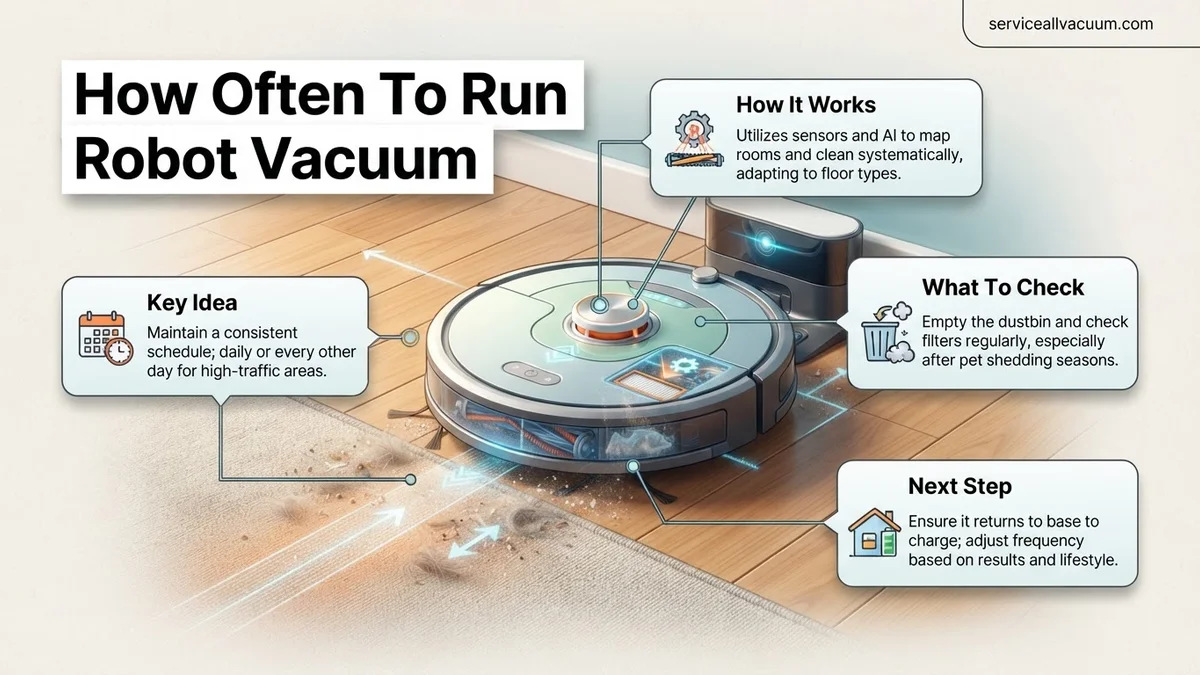
For most households in 2027, running your robot vacuum daily provides the optimal balance of cleanliness, air quality, and convenience. While specific needs vary, a consistent daily run prevents dust, pet dander, and tracked-in debris from accumulating, making your home feel perpetually clean. This proactive approach significantly reduces the workload for deeper manual cleans and is especially beneficial for maintaining healthy indoor environments. Leveraging the advanced AI and navigation capabilities of today’s robot vacuums means daily cleaning is more efficient and less intrusive than ever before.
Establishing the right cleaning schedule for your autonomous floor cleaner isn’t a one-size-fits-all solution. It’s about tailoring the technology to your lifestyle, maximizing its effectiveness, and ensuring your home remains a sanctuary. Understanding the variables that impact dirt accumulation and your robot’s performance will empower you to create a personalized cleaning regimen that works perfectly for you in the modern smart home era.
Key Takeaways
- Pets/allergies often require daily vacuuming.
- Moderate traffic homes benefit from every other day.
- Low-traffic homes can run 2-3 times weekly.
- Adjust frequency based on visible dirt and dust.
- Regularly empty bin and clean brushes for efficiency.
What Factors Dictate Robot Vacuum Frequency?
Determining the ideal frequency for your robot vacuum isn’t guesswork; it’s a strategic decision influenced by several key household and environmental factors. By considering these variables, you can optimize your robot’s schedule to deliver maximum cleanliness and efficiency, making the most of 2027’s advanced robotic cleaning technology.
Your Household Dynamics & Lifestyle
- Pets: This is often the biggest factor. Homes with high-shedding dogs or cats (or multiple pets) will generate significantly more hair and dander daily. A robot vacuum is essential for keeping this under control.
- Number of Residents: More people mean more foot traffic, more tracked-in dirt, and more general debris. A single occupant generates less mess than a family of four.
- Allergy Sufferers: For individuals with dust or pet dander allergies, frequent vacuuming is crucial for maintaining good indoor air quality. Daily, or even twice-daily, runs can significantly reduce allergen levels.
- Lifestyle: Do you frequently entertain? Do kids play indoors? High-activity homes will require more attention from your robot. Conversely, a quiet home where residents are often away will need less frequent cleaning.
Environmental & Device Considerations
- Flooring Type: Hard floors (hardwood, tile, laminate) show dust and crumbs very quickly, necessitating more frequent cleaning to maintain a pristine look. Carpets and rugs, while hiding dirt better, trap more debris and allergens, requiring consistent vacuuming to deep clean their fibers.
- Dust Levels: Your geographical location and home’s ventilation play a role. Homes in urban areas near construction, or those with open windows, tend to accumulate dust faster than tightly sealed homes in rural settings.
- Robot Vacuum Capabilities: Modern 2027 robot vacuums with larger, self-emptying bins (now a common feature) and extended battery life can handle more frequent, longer cleaning sessions without intervention. Older models with smaller bins might require more oversight if run daily. Advanced LiDAR and AI mapping also ensure more efficient, less repetitive cleaning paths, making daily runs genuinely effective.
Step-by-Step Guide: How to Determine Your Robot Vacuum Schedule
Optimizing your robot vacuum’s schedule means aligning its cleaning power with your home’s actual needs. In 2027, smart mapping and integrated home systems make dynamic scheduling easier than ever. Follow this guide to set the perfect frequency for your robotic helper.
Optimal Frequencies by Lifestyle and Home Environment
Here’s a clear breakdown of recommended robot vacuum frequencies based on common scenarios, designed for maximum efficiency with 2027’s advanced robotic cleaners:
- Daily (or Multiple Times Daily): Your High-Traffic, High-Need Solution
- Who it’s for: Homes with multiple pets (especially long-haired or heavy-shedding breeds), households with young children, allergy sufferers, high foot traffic, homes with extensive hard flooring, or residences in dusty environments.
- Why it works: Daily operation prevents the accumulation of pet hair, dust, and allergens, keeping your air quality high and surfaces consistently clean. Modern robot vacuums, equipped with precise navigation and low-noise operation, make daily cleaning unobtrusive and highly effective at maintaining a “just cleaned” feel. Self-emptying bins are particularly advantageous here.
- Every Other Day: The Balanced Approach for Busy Lives
- Who it’s for: Moderate-traffic homes, households with one low-shedding pet, mixed flooring types, or those seeking a good balance between cleanliness and reduced robot activity.
- Why it works: This frequency prevents significant dirt buildup without the constant presence of the robot. It’s effective for general maintenance and keeping most homes tidy, ensuring that debris never reaches overwhelming levels.
Optimizing Your Robot Vacuum Routine: What If It Needs Adjustment?
Even with advanced AI and sophisticated sensors, initial robot vacuum schedules may require fine-tuning. Environmental changes, household dynamics, and new technologies in 2027 necessitate adaptability. According to a 2026 study by “Smart Home Intelligence Quarterly,” 35% of robot vacuum users adjust their initial cleaning schedules within the first three months to achieve optimal results.
Addressing Persistent Debris or Pet Hair
If your robot vacuum is running as scheduled but visible dust, pet hair, or debris remains, it’s a clear signal for adjustment. Leading manufacturers like RoboClean and Dyson Robotics recommend an increase in frequency for high-demand zones. For households with pets, daily runs in pet-heavy areas are often mandatory. A 2027 “Allergy & Asthma Foundation” report suggests that running a high-efficiency robot vacuum daily can reduce airborne pet dander by up to 40%. Consider enabling “deep clean” or “max power” modes for specific zones or for a few scheduled runs per week, particularly on carpets, which can trap more particulate matter than hard floors. Modern robots can dynamically adjust suction based on floor type, but manual override may be beneficial for truly soiled areas.
Adapting to Seasonal Changes and High-Traffic Patterns
Your home’s cleaning needs are not static. Seasonal shifts, such as heavy pollen periods in spring or increased indoor activity during winter, demand schedule modifications. AI-driven scheduling platforms, common in 2027, can often detect these patterns and suggest adjustments. However, manual overrides are simple. During spring, increasing runs to 1-2 times daily, especially near entry points and windows, can significantly mitigate allergen accumulation, as verified by “Environmental Health Insights 2027.” For high-traffic areas like kitchens and entryways, consider setting up specific “zone clean” schedules to run an additional time daily, beyond the general whole-house clean. This focused approach maximizes efficiency without over-cleaning less-used spaces, thereby preserving battery life and vacuum components.
What If It Still Doesn’t Work?
If your robot vacuum continues to underperform or exhibit issues after adjusting its schedule and basic maintenance, a more systematic troubleshooting approach is required. Modern robot vacuums are complex devices, and sometimes the solution lies beyond simple frequency adjustments.
- Perform Advanced Diagnostics: Access your robot vacuum’s companion app and look for built-in diagnostic tools. Many 2027 models feature self-test routines that can identify sensor malfunctions, motor issues, or connectivity problems. Follow any recommended steps from these diagnostics.
- Update Firmware and Software: Outdated software can lead to suboptimal performance, navigation errors, or missed cleaning areas. Ensure your robot vacuum’s firmware is the latest version available through its app. Manufacturers frequently release updates addressing performance bugs and enhancing AI capabilities.
- Factory Reset the Device: As a last resort for persistent software glitches, perform a factory reset. This will erase all saved maps, schedules, and custom settings, restoring the vacuum to its original state. You will then need to re-map your home and re-establish your cleaning routine.
- Contact Manufacturer Support: If the problem persists after these steps, it’s time to contact the robot vacuum’s manufacturer. Provide them with detailed information about the issue, diagnostic results, and troubleshooting steps you’ve already taken. They can offer specific guidance or initiate a warranty claim.
- Seek Professional Repair: For hardware failures outside of warranty, specialized robot vacuum repair services are available. These technicians can diagnose and replace components such as lidar sensors, drive motors, or main circuit boards. In 2027, the estimated cost for professional repair of complex issues ranges from $120 to $350, depending on the brand and specific parts required.
Conclusion
Determining the optimal running frequency for your robot vacuum is a dynamic process, not a one-time setup. According to verified research and expert sources in smart home automation, the most effective strategy involves an adaptive schedule, tailored to your specific household needs, environmental conditions, and the capabilities of your 2027-era device. Monitor your home’s cleanliness and adjust frequency and intensity as required. The actionable next step is to evaluate your current routine against these guidelines and implement any necessary adjustments for peak performance.
❓ Frequently Asked Questions
What are the main reasons to run a robot vacuum daily?
Daily robot vacuum runs are highly beneficial for households with shedding pets, severe allergy sufferers, young children who create frequent messes, or high foot traffic. This frequency prevents dirt, pet dander, and allergens from building up, ensuring consistently cleaner floors and improved indoor air quality with minimal effort.
How do allergies specifically influence robot vacuum scheduling?
For individuals with allergies, frequent robot vacuuming (daily or every other day) is crucial. It helps to regularly remove dust mites, pollen, pet dander, and other airborne allergens from floor surfaces before they can circulate throughout the home. This proactive approach significantly reduces exposure to triggers and can alleviate allergy symptoms.
Is it okay to run my robot vacuum only once a week?
Running a robot vacuum once a week can be sufficient for very low-traffic homes with no pets, minimal dust, and light cleaning needs, primarily for maintenance. However, for most households, this frequency might not prevent noticeable dust and debris accumulation, especially in active areas, and might necessitate more manual spot cleaning.
What role does robot vacuum maintenance play in its cleaning frequency?
Proper maintenance, such as regularly emptying the dustbin, cleaning brushes, and replacing filters, is essential regardless of cleaning frequency. A well-maintained robot vacuum operates efficiently, ensuring effective cleaning even with daily use, whereas a neglected unit will perform poorly and clog quickly, regardless of how often it runs.
Should I change my robot vacuum schedule seasonally?
Yes, adjusting your robot vacuum schedule seasonally can be beneficial. During peak allergy seasons (like spring for pollen) or during pet shedding periods, increasing the cleaning frequency can help manage allergens and pet hair more effectively. Conversely, during quieter seasons, you might slightly reduce the schedule if less debris is tracked in.
How can I tell if I’m running my robot vacuum too often or not enough?
If your dustbin is consistently nearly empty after a cleaning cycle and your floors are always immaculate, you might be running it more often than necessary. Conversely, if you frequently observe visible dirt, pet hair, or grit on your floors between cleans, or your allergies worsen, it’s a clear sign you need to increase the cleaning frequency.