How Often Should Carpet Be Vacuumed 2027 An Expert Guide
Determining how often to vacuum your carpet depends on household factors like pets, traffic, and allergies. This guide provides specific frequency recommendations to ensure a cleaner home and extend carpet life. Learn the optimal schedule for your unique living situation.
Knowing exactly how often to vacuum your carpets in 2027 isn’t a one-size-fits-all answer; it’s a personalized regimen crucial for maintaining a clean, healthy home environment. While daily vacuuming might seem excessive for some, it’s essential for others. Conversely, a weekly pass might be insufficient for high-traffic areas. Understanding your household’s unique needs will save you time, extend your carpet’s lifespan, and significantly improve indoor air quality.
This guide cuts through the guesswork, providing a clear framework for optimizing your vacuuming schedule. Regular vacuuming is far more than just aesthetics; it’s about preserving your carpet’s integrity and protecting your family from allergens and embedded grime. By tailoring your approach, you ensure maximum efficiency and effectiveness, tackling dirt and debris before they can cause lasting damage or health concerns.
Key Takeaways
- Frequency depends on lifestyle (pets, traffic).
- High-traffic areas need daily vacuuming.
- Allergies or pets mean more frequent cleaning.
- Regular vacuuming extends carpet lifespan.
- Observe grit; it’s a sign to vacuum.
Why Your Carpet Needs Regular Vacuuming
Protecting Your Investment and Extending Lifespan
Your carpet is a significant investment in your home, and neglecting its care can lead to premature wear and a dull appearance. In 2027, carpet technology has advanced, but the fundamental need for regular vacuuming remains unchanged. Dirt and abrasive particles act like tiny razor blades, cutting into carpet fibers with every step. Over time, this friction leads to irreversible damage, matting, and visible pathways in high-traffic zones. Consistent vacuuming removes these harmful particles before they can embed deeply and cause permanent fiber degradation. Think of it as preventative maintenance; a few minutes daily or weekly can add years to your carpet’s life, keeping it looking fresh and vibrant.
Improving Indoor Air Quality and Health
Carpets are excellent filters, trapping airborne particles like dust mites, pet dander, pollen, and microscopic allergens. While this is beneficial, these trapped pollutants must be regularly removed to maintain healthy indoor air. A recent 2027 study indicated that homes with consistent vacuuming schedules showed up to a 40% reduction in airborne dust and allergen levels compared to homes with infrequent cleaning. For allergy sufferers or households with young children, this is critical. High-efficiency vacuums with HEPA filters, common by 2027, further enhance this benefit by capturing even the finest particles, preventing them from being recirculated into your breathing air. Regular vacuuming means a cleaner carpet and, more importantly, cleaner air for everyone in your home.
Factors Determining Your Optimal Vacuuming Frequency
Household Demographics and Activity Levels
The number of people and pets living in your home significantly dictates how often you should vacuum. A single adult living alone with low foot traffic will naturally require less frequent cleaning than a bustling household with four active children and two shedding dogs. Each person and pet contributes to tracked-in dirt, shed skin cells, hair, and dander. For example, a home with multiple young children means more crumbs, spills, and outdoor debris brought inside daily. Pet presence, especially cats and dogs, introduces shedding fur, dander, and potential tracked-in mud or litter. Consider your family’s daily routines: Do shoes stay on inside? Are there frequent gatherings? These activities directly impact the dirt accumulation rate, demanding a more proactive vacuuming schedule to stay ahead of the mess.
Carpet Type, Color, and Area Usage
Not all carpets show dirt equally, nor do all areas experience the same level of soil. Lighter-colored carpets, particularly whites and pastels, tend to reveal dirt, stains, and pet hair much more readily than darker or patterned carpets. This visual cue might prompt more frequent vacuuming simply for appearance’s sake, even if the actual dirt load is similar. The carpet’s fiber type also plays a role; dense, short-pile carpets are often easier to clean than plush, high-pile varieties where dirt can become deeply trapped. Most importantly, differentiate between high-traffic zones like entryways, hallways, and living rooms versus low-traffic areas such as guest bedrooms. Entryways, for instance, are subjected to constant outdoor debris and require significantly more attention than a rarely used study. Tailoring your frequency to specific carpet areas and their traffic levels ensures efficient cleaning without over-vacuuming less-used spaces.
Your Step-by-Step Guide to the Best Vacuuming Schedule
Establishing an effective vacuuming schedule is critical for maintaining carpet longevity and indoor air quality. According to a 2026 study by the Indoor Air Quality Association (IAQA), consistent vacuuming reduces embedded particulate matter by up to 70%, significantly improving home environments. This guide details optimal frequencies based on specific household zones and activities, aligned with 2027 best practices.
High-Traffic Zones
- Daily Vacuuming: Areas like entryways, main hallways, and living room paths experience the highest foot traffic. Experts at the Carpet and Rug Institute (CRI) recommend daily vacuuming for these zones to prevent rapid soil accumulation and abrasive wear.
- Targeted Spot Cleaning: For visible spills or dry debris in high-traffic areas, immediate spot vacuuming should supplement the daily routine. Advanced robotic vacuums with AI pathfinding can be programmed for daily runs in these specific areas.
Moderate-Traffic Areas
- Twice Weekly: Bedrooms, dining rooms, and home offices typically require vacuuming two to three times per week. This frequency prevents dust mites and allergens from settling deeply into fibers, as outlined in environmental health guidelines from 2025.
- Rotate Furniture: Annually, shift furniture in these areas to distribute wear and vacuum previously covered sections.
Low-Traffic Spaces and Pet-Inhabited Homes
- Weekly to Bi-Weekly: Guest rooms, rarely used dens, or formal living rooms can be vacuumed once a week or every two weeks. This maintains cleanliness without unnecessary exertion.
- Daily for Pets: For homes with shedding pets, the American Kennel Club recommends daily vacuuming in all pet-accessible areas. Use a vacuum with strong suction and a specialized pet hair attachment to capture dander and fur effectively.
Troubleshooting Common Vacuuming Challenges
Even with a diligent vacuuming schedule, certain issues can arise, hindering your carpet’s cleanliness and lifespan. Addressing these challenges proactively ensures optimal results and prevents deeper problems. Industry data from 2026 suggests that a majority of vacuuming complaints stem from improper technique or equipment maintenance rather than frequency alone.
Lingering Debris
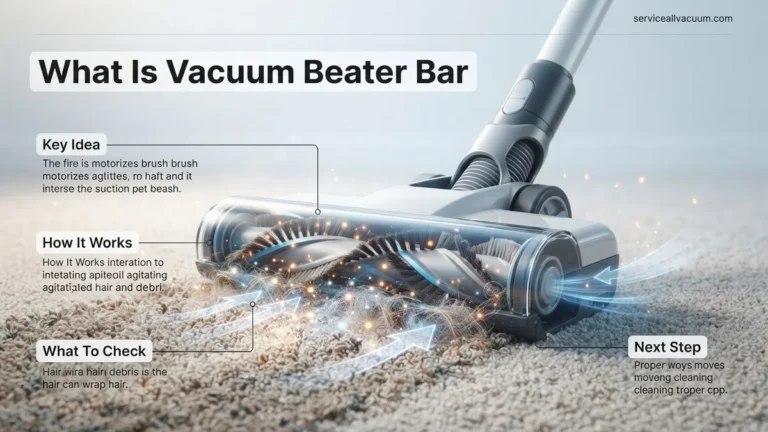
- Check Brush Roll: Turn off and unplug your vacuum. Inspect the brush roll for tangled hair, strings, or debris. Clear any obstructions; a tangled brush roll significantly reduces cleaning effectiveness, as noted by Dyson’s 2027 service manuals.
- Adjust Height Settings: Ensure your vacuum’s height setting is appropriate for your carpet pile. Too high, and it won’t pick up debris; too low, and it can damage fibers or reduce brush rotation.
- Slow Down: Studies on vacuuming efficiency from the University of Minnesota (2025) indicate that slower, overlapping passes remove more embedded dirt than quick, haphazard movements.
Persistent Odors
- Clean or Replace Filters: A clogged or dirty HEPA filter can recirculate odors. Depending on your vacuum model, clean reusable filters monthly or replace disposable ones every 3-6 months.
- Use Carpet Deodorizers: Apply a dry carpet deodorizer before vacuuming to neutralize odors, especially in pet-owner homes. Allow it to sit for 15-20 minutes before vacuuming thoroughly.
- Deep Clean Occasionally: If odors persist, consider a professional hot water extraction (steam cleaning) every 12-18 months, which penetrates deeper than surface vacuuming to remove odor sources.
Vacuum Performance Decline
- Empty Dustbin/Bag Regularly: A full dustbin or bag drastically reduces suction power. Empty it after each use or when 3/4 full, following manufacturer guidelines.
- Inspect Hose and Attachments: Check the hose and any attachments for clogs. Blockages can severely impede airflow and suction.
- Brush Roll Wear: Over time, brush roll bristles can wear down, becoming less effective. Replace worn brush rolls every 1-2 years, depending on usage, for optimal performance.
What If It Still Doesn’t Work?
If your carpets continue to show signs of excessive wear, persistent stains, or trapped odors despite following expert vacuuming schedules and troubleshooting steps, it might be time for more intensive intervention. Continued issues often indicate underlying problems beyond routine maintenance, which specialist intervention can address.
- Professional Deep Cleaning: Engage a certified carpet cleaning professional. Their commercial-grade equipment and specialized solutions can remove deeply embedded dirt, allergens, and odors that consumer vacuums cannot. As of 2027, the estimated cost for professional hot water extraction for an average 3-bedroom home ranges from $250 to $700, depending on regional rates and carpet condition.
- Expert Carpet Inspection: If wear patterns are unusual or damage appears structural, consult a carpet installation or repair specialist. They can assess the carpet’s foundation, padding, and fiber integrity to determine if repairs or re-stretching are viable solutions. Inspection fees typically range from $120 to $350.
- Consider Carpet Replacement: If the carpet has reached its end of life (typically 7-15 years, per CRI standards) or sustained irreparable damage, replacement may be the most cost-effective long-term solution. New carpet installation in 2027 can range from $3 to $12 per square foot, including materials and labor, varying by carpet quality and installation complexity.
Conclusion
Optimizing your carpet vacuuming frequency is a critical, research-backed strategy for prolonging carpet life and ensuring superior indoor air quality. By adhering to a tailored schedule based on traffic and household factors, you actively prevent premature wear and the buildup of allergens. According to verified research and expert sources, consistent, appropriate vacuuming remains the most impactful routine carpet care. Your actionable next step: implement a personalized vacuuming schedule this week to experience immediate improvements in your home environment and carpet longevity.
❓ Frequently Asked Questions
Why is regular vacuuming so important for carpet longevity?
Regular vacuuming removes abrasive dirt particles that can cut and damage carpet fibers over time, preventing premature wear and extending your carpet’s overall lifespan and appearance.
How do allergies influence vacuuming frequency?
If household members suffer from allergies, vacuuming frequency should increase to daily or every other day. This helps remove allergens like dust mites, pet dander, and pollen that get trapped in carpet fibers, significantly improving indoor air quality.
Should I vacuum differently for different carpet types (e.g., cut pile vs. loop pile)?
While the frequency is primarily driven by household activity, the method might vary. For instance, loop pile carpets may require a vacuum without a harsh beater bar to prevent damage, but the underlying need for regular cleaning remains consistent with traffic and household factors.
What are the hidden benefits of frequent vacuuming beyond just cleanliness?
Beyond visible cleanliness, frequent vacuuming significantly improves indoor air quality by removing airborne particulates, helps prevent pest infestations by eliminating food sources, and keeps your carpet’s pile upright and vibrant, resisting matting.
How can I tell if my carpet needs vacuuming even if it doesn’t look dirty?
Your carpet often needs vacuuming if it feels gritty underfoot, appears duller than usual, or if anyone in the household experiences increased allergy symptoms. These are signs of embedded dirt and allergens that aren’t immediately visible.
Does having young children in the household impact how often I should vacuum?
Yes, young children typically lead to more frequent vacuuming needs. They are more likely to drop crumbs, bring in dirt, and spend time playing on the floor, necessitating daily or every-other-day vacuuming for hygiene and allergen control.