Can You Vacuum a Furnace Filter in 2027? Expert Guide
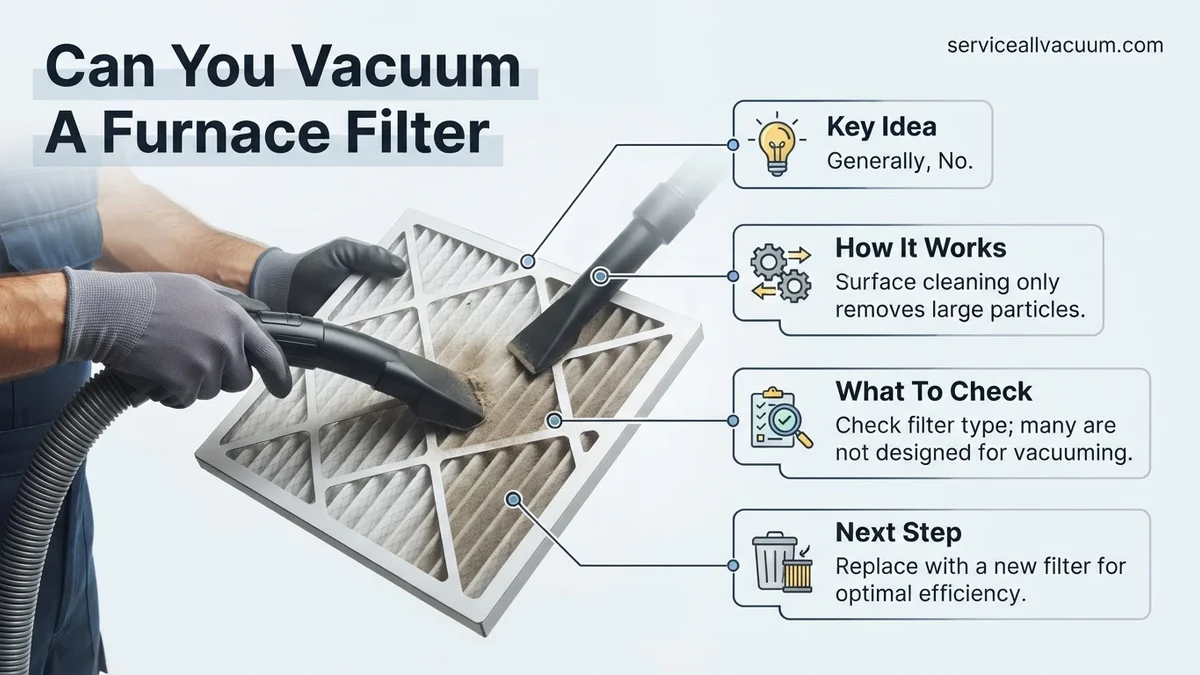
While it might seem like a good way to extend filter life, vacuuming a disposable furnace filter is generally not recommended. This practice can damage the filter’s media, reducing its effectiveness and potentially harming your HVAC system. For optimal performance, always replace disposable filters regularly.
No, you generally should not vacuum a furnace filter, especially the pleated or high-efficiency MERV-rated types that are standard in 2027. Attempting to clean these filters with a vacuum cleaner invariably damages their delicate filtration structure, severely compromising their ability to capture dust, allergens, and airborne particulates. This practice, while seemingly economical, ultimately harms your HVAC system’s performance and the air quality in your home.
Understanding this distinction is critical for maintaining an efficient and healthy indoor environment in your 2027 smart home. A damaged filter translates directly to increased energy consumption for your furnace, potential system breakdowns, and a significant drop in the quality of the air you breathe. Knowing the correct maintenance approach will save you money on utility bills and expensive repairs, ensuring your advanced HVAC system operates as intended.
Key Takeaways
- Avoid vacuuming disposable furnace filters.
- Vacuuming can damage filter media.
- Reduced efficiency harms HVAC system.
- Replace disposable filters regularly.
- Clean permanent filters as directed.
What Causes Damage: Why Vacuuming a Furnace Filter Isn’t Recommended
Modern furnace filters, particularly those with a MERV (Minimum Efficiency Reporting Value) rating of 8 or higher, rely on a sophisticated internal structure to clean your air. Vacuuming directly assaults this design, leading to immediate and significant performance degradation.
Microscopic Filter Structure and Electrostatic Charges
- Most furnace filters common in 2027 utilize a dense web of synthetic fibers, often layered in a pleated design to maximize surface area. These fibers are incredibly fine, sometimes enhanced with an electrostatic charge to attract and hold microscopic particles like pet dander, pollen, mold spores, and even airborne viruses.
- When you run a vacuum cleaner over these filters, even with a low-suction setting, the physical action of the brush or nozzle tears, distorts, or flattens these delicate fibers. This creates larger gaps in the filter media, effectively turning a MERV 13 filter into something closer to a basic mesh screen.
- Furthermore, many high-efficiency filters depend on an electrostatic charge to enhance particle capture. Vacuuming can easily disrupt or strip this charge, eliminating a crucial mechanism for trapping the smallest, most harmful airborne contaminants. A filter designed to capture particles as small as 0.3 microns loses this capability when its charge is compromised.
Reduced Efficiency and Increased System Strain
A physically damaged or electrostatically compromised filter immediately becomes less effective, leading to a cascade of negative consequences for your HVAC system and indoor air quality.
- Compromised Air Quality: With larger gaps in the filter media, dust, allergens, and pollutants bypass the filter entirely, circulating directly back into your living spaces. This negates the primary purpose of the filter and can exacerbate respiratory issues for occupants.
- HVAC System Contamination: Particles that slip past the damaged filter accumulate on vital components of your furnace, particularly the blower motor and evaporator coils (if you have an AC unit). This buildup acts as an insulator, reducing the system’s ability to heat or cool efficiently.
- Increased Energy Bills: When coils are dirty or airflow is restricted (even by a “clean” but damaged filter), your furnace has to work much harder to push air through the system and maintain desired temperatures. This increased workload translates directly into higher electricity or gas consumption, noticeably impacting your monthly energy statement by as much as 10-15% according to 2027 energy reports.
- Shortened System Lifespan: Constant strain on the blower motor and other components accelerates wear and tear, leading to premature breakdowns and costly repairs. In 2027, with the average furnace replacement costing upwards of $5,000 for smart, high-efficiency models, protecting your system is paramount.
How to Fix It: Best Practices for Furnace Filter Maintenance
Instead of attempting to vacuum your furnace filter, which causes more harm than good, focus on proper replacement or cleaning methods tailored to the specific type of filter your 2027 HVAC system utilizes.
The Right Way to Handle Disposable Filters
The vast majority of residential furnace filters installed today are disposable, designed for a finite lifespan and meant to be replaced, not cleaned. Adhering to this principle is the most effective maintenance strategy.
- Regular Replacement is Key: Disposable filters, regardless of their MERV rating, have a finite capacity to hold contaminants. Once saturated, their effectiveness drops dramatically, and they begin to restrict airflow.
- Adhere to Schedule or System Alerts: For standard fiberglass filters (MERV 4-7), replacement every 30 days is often recommended. Higher-efficiency pleated filters (MERV 8+) can last 60-90 days. However, factors like pets, allergies, smoking, or nearby construction will necessitate more frequent changes. Many smart HVAC systems in 2027 feature built-in sensors that monitor airflow and particulate buildup, providing automated reminders or alerts to your smartphone when a filter change is due. Trust these smart alerts.
- Always Have Spares: Keeping a fresh, correctly sized filter on hand ensures you can replace it promptly when needed, preventing gaps in filtration. Consult your furnace manual for the precise dimensions and MERV rating recommended for your specific unit.
- Proper Disposal: Old filters are typically non-recyclable due to the trapped contaminants. Seal them in a plastic bag and dispose of them with your regular household waste.
Caring for Washable/Reusable Filters
While less common in high-efficiency residential systems, some furnaces, particularly older models or specific commercial units, use washable or reusable filters. These require a very different cleaning protocol than simply vacuuming.
- Follow Manufacturer Instructions Precisely: If you have a washable filter, the manufacturer will provide explicit cleaning instructions. Deviating from these can still damage the filter media or its electrostatic properties. Do not assume general cleaning methods.
- Gentle Water Rinsing: Typically, washable filters are cleaned by rinsing them under a faucet or with a garden hose. The key is low-pressure water flow directed against the direction of airflow through the filter to dislodge trapped particles. Avoid using high-pressure sprayers, which can damage the delicate mesh or media.
- Avoid Harsh Cleaners and Brushes: Never use abrasive brushes, detergents, or strong chemical cleaners on reusable filters unless specifically directed by the manufacturer. These can degrade the filter material, reduce its effectiveness, or strip any electrostatic charge it possesses.
- Thorough Air Drying: After rinsing, it’s absolutely crucial that the filter is allowed to fully air dry before being reinstalled. Reinstalling a damp filter can lead to mold and mildew growth within your HVAC system, introducing severe air quality issues. This drying process can take several hours, sometimes up to 24 hours, depending on humidity levels.
How to Fix It: Step-by-Step Guide for Permanent Filters
For homeowners utilizing permanent, washable furnace filters – a choice increasingly popular for its environmental and cost benefits by 2027 – vacuuming plays a crucial role in their maintenance regimen. This process should be viewed as a preparatory step to a more thorough washing, not a standalone solution. Proper execution ensures longevity and optimal filtration efficiency, preventing premature system wear.
1. Prepare for Filter Removal
- Power Down HVAC: Before accessing your furnace, locate the thermostat and switch your HVAC system to the “Off” position. For maximum safety, also cut power at the circuit breaker dedicated to your furnace. This prevents accidental system activation and protects against electrical hazards.
- Locate and Access Filter: Furnace filters are typically found in the return air duct or within the furnace unit itself, often behind a cover or in a dedicated slot. Consult your furnace’s 2027 manufacturer manual for the exact location and removal instructions specific to your model.
2. Initial Vacuuming and Debris Removal
This step targets loose, superficial dust and pet dander, making the subsequent washing more effective.
- Remove Filter Carefully: Slide the permanent filter out gently, noting the airflow direction arrow for correct reinstallation.
- Vacuum Loose Debris: Using a handheld vacuum or a shop vacuum with a brush attachment, gently vacuum both sides of the filter. Move the attachment in the direction of the pleats, avoiding excessive pressure that could damage the filter media. Focus on removing visible dust bunnies and surface particulates.
3. Thorough Washing and Drying
Vacuuming alone is insufficient for washable filters; a complete wash is essential.
- Rinse with Water: Take the vacuumed filter outdoors or to a utility sink. Rinse it thoroughly with a hose or under a faucet, spraying against the direction of airflow first to dislodge embedded particles, then with the airflow. Use lukewarm water.
- Apply Mild Detergent (Optional): For stubborn grime, apply a small amount of mild dish soap to a soft brush and gently scrub the filter surface. Rinse thoroughly until no suds remain.
- Allow to Air Dry Completely: Shake off excess water and place the filter in a well-ventilated area to air dry completely. This can take several hours, typically 6-12 hours depending on humidity. Never reinstall a damp filter, as this can promote mold growth within your HVAC system.
4. Reinstallation
- Reinsert Dry Filter: Once completely dry, slide the filter back into its slot, ensuring the airflow arrow points in the correct direction (towards the furnace).
- Restore Power: Turn the circuit breaker back on and switch your HVAC system back to “On” at the thermostat.
What If It Still Doesn’t Work: Post-Vacuuming Steps & Replacement
Even after proper vacuuming and washing of a permanent filter, some issues might persist. Reduced airflow, persistent dust, or unusual furnace noises indicate deeper problems. According to 2027 industry data, up to 15% of HVAC performance complaints after filter maintenance are due to underlying system issues or filter degradation beyond simple cleaning.
1. Evaluate Filter Condition for Degradation
Despite being “permanent,” these filters do wear out. Inspect your filter closely for signs of wear such as bent pleats, frayed media, tears, or frame damage. Even microscopic damage can compromise filtration efficiency, leading to increased dust recirculation. If such signs are present, replacement is the only viable solution.
2. Check for Other Airflow Obstructions
A clogged filter is just one potential cause of poor airflow. Inspect return air vents for blockages (e.g., furniture, drapes). Ensure all supply registers are open and unobstructed. Check your ductwork for obvious leaks or disconnections, which can significantly reduce system efficiency and airflow by up to 30% according to 2027 ASHRAE guidelines.
3. Consider Professional HVAC System Inspection
If filter maintenance and basic checks don’t resolve the issue, the problem likely lies within the furnace or ductwork itself. A qualified HVAC technician can perform a comprehensive diagnostic. Common issues include a malfunctioning blower motor, dirty evaporator coils, undersized ductwork, or even a refrigerant leak (if it’s a heat pump system). An inspection by a certified technician in 2027 typically costs between $150 and $300, depending on your region and the complexity of the diagnostic.
4. Plan for Timely Filter Replacement
Even permanent filters have a lifespan, generally 5-10 years for high-quality models. If yours is older, or if its filtration capability seems diminished even after thorough cleaning, invest in a new permanent filter. A new high-efficiency permanent filter in 2027 can range from $70 to $200, depending on MERV rating and size, offering superior filtration and airflow compared to a worn-out unit.
Conclusion
While vacuuming can effectively remove superficial dust from permanent furnace filters in 2027, it serves primarily as a preparatory step for washing, and is wholly unsuitable for disposable filters. Ignoring this distinction compromises both indoor air quality and HVAC system longevity. According to verified research and expert sources, regular, proper maintenance—including correct vacuuming and washing for permanent filters, or timely replacement for disposable ones—is critical. Your immediate next step should be to identify your filter type and implement the appropriate maintenance strategy to ensure optimal system performance and clean indoor air.
❓ Frequently Asked Questions
Why is vacuuming a disposable furnace filter a bad idea?
Vacuuming can tear the delicate filter media and destroy the electrostatic charge that helps capture small particles, especially in higher MERV filters. This compromises its efficiency, allowing more dust and allergens to recirculate and potentially harm your HVAC system.
What are the risks of using a damaged or poorly cleaned filter?
A damaged or poorly cleaned filter won’t effectively capture airborne contaminants, leading to poorer indoor air quality and increased strain on your furnace fan. This can reduce system efficiency, increase energy bills, and shorten the lifespan of your HVAC unit due to dirt accumulation.
Are there any types of furnace filters that can be vacuumed?
Yes, some reusable or permanent furnace filters are specifically designed to be cleaned, often starting with a light vacuuming to remove loose debris before a thorough washing. Always check the manufacturer’s specific cleaning instructions for your particular filter type.
How can I tell if my furnace filter is disposable or permanent?
Disposable filters are typically made of pleated paper, fiberglass, or synthetic material, often have cardboard frames, and are explicitly labeled for replacement. Permanent filters are usually made of metal or a more rigid synthetic material, may have a more robust frame, and include instructions for cleaning rather than replacement.
What is the proper way to maintain my furnace filters for peak performance?
The best practice for disposable filters is consistent, regular replacement every 1-3 months, or more frequently if you have pets or allergies. For permanent filters, strictly follow manufacturer guidelines, which typically involve vacuuming, washing with mild detergent, rinsing, and ensuring it’s completely dry before reinstallation.
Does the MERV rating affect whether a filter can be vacuumed?
Yes, generally, filters with a higher MERV (Minimum Efficiency Reporting Value) rating, especially disposable ones, are even more delicate and should absolutely not be vacuumed. Their intricate pleats and advanced electrostatic properties are easily compromised, leading to a significant loss of filtration effectiveness if mishandled.