How Often to Vacuum Carpet A Step-by-Step Guide for 2027
As a general rule of thumb, carpets should be vacuumed at least once to twice a week to prevent dirt buildup from destroying fibers. However, homes with pets, children, or allergy sufferers require a much more frequent schedule of daily to every-other-day passes to maintain indoor air quality.
As a general rule, you should vacuum low-traffic rooms at least once a week, high-traffic zones twice a week, and areas heavily impacted by pets or allergies every single day. Waiting too long allows microscopic debris to settle deep into the backing of your flooring, permanently degrading the material.
Maintaining a consistent cleaning schedule in 2027 is about more than just surface aesthetics. Sticking to a proven routine protects your financial investment, improves indoor air quality, and prevents allergens from taking over your living space.
Key Takeaways
- Vacuum low-traffic rooms once a week to remove surface dust.
- High-traffic hallways require vacuuming at least twice weekly.
- Pet owners need to vacuum high-shed areas daily.
- Allergy sufferers benefit from vacuums equipped with HEPA filters.
- Use slow, overlapping passes to maximize dirt extraction.
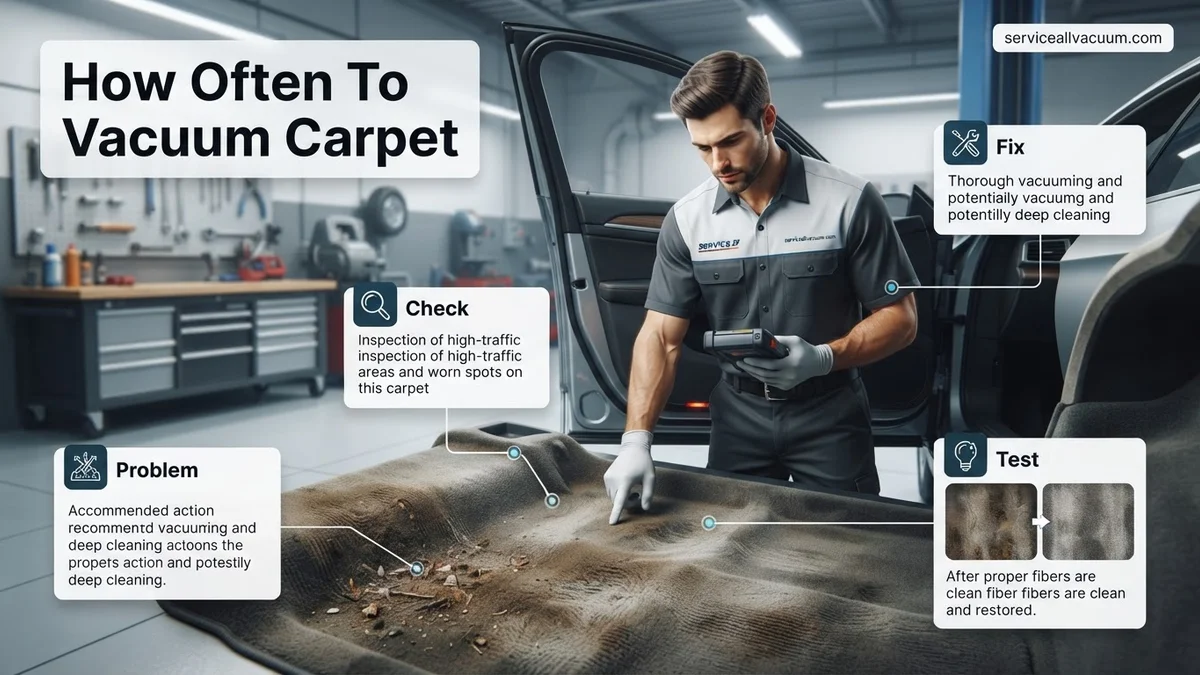
What Causes Rapid Dirt Buildup in Carpets
You might think your floors only get dirty from visible tracked-in mud and dust, but the reality is far more complex. Modern homes constantly generate and trap microscopic debris that accumulates much faster than you realize.
The Everyday Sources of Hidden Debris
Every step you take on your flooring introduces a fresh wave of contaminants. Understanding what hides beneath the surface helps explain why occasional cleaning simply isn’t enough.
- Dead skin cells and hair: Humans shed millions of microscopic skin cells daily, which settle directly into carpet fibers.
- Outdoor pollutants: Foot traffic carries pollen, asphalt residue, lawn chemicals, and heavy metals straight from the street.
- Food crumbs and fibers: Tiny organic particles break down over time, feeding dust mites and attracting pests.
How Trapped Particles Destroy Carpet Fibers Over Time
Dirt acts like microscopic sandpaper every time you walk across your room. Sharp soil particles grind against the synthetic or natural fibers, cutting them from the inside out.
- Abraded backing: Ground-in grit slowly severs the primary and secondary backing of the carpet.
- Flattened pile: Matted dirt weighs down individual strands, preventing them from springing back into place.
- Permanent dullness: Severed fibers scatter light differently, creating permanent traffic lanes that regular professional cleaning cannot fix.
How to Fix Your Cleaning Routine with a Proven Vacuum Schedule
Guessing when your floors need attention leads to premature wear and tear. You need a structured, realistic schedule tailored to the specific demands of each room in your home.
The Baseline Weekly Cleaning Matrix
Different areas of your home experience vastly different levels of daily abuse. Tailor your frequency to match foot traffic patterns rather than treating every room the same.
- Low-traffic rooms (guest bedrooms, formal dining spaces): Vacuum once every 7 to 10 days to remove dust and light settling.
- Medium-traffic areas (hallways, children’s bedrooms): Vacuum twice a week to manage daily lint and tracked-in debris.
- High-traffic zones (living rooms, main entryways): Vacuum three times a week to prevent rapid fiber breakdown.
Adjusting Your Schedule for Pets and Allergies
If you share your home with shedding animals or allergy sufferers, standard weekly schedules will fail you. Dander and fine allergens bypass surface defenses instantly.
- Single-pet households: Vacuum high-traffic zones every day and secondary rooms three times a week.
- Multi-pet homes: Commit to daily passes in main living areas using a vacuum equipped with a HEPA filter.
- Allergy sufferers: Vacuum high-use spaces daily to capture airborne triggers before they get kicked back up into your breathing zone.
Step-by-Step Guide to Effective Vacuuming Techniques
According to the Carpet and Rug Institute (CRI), proper technique matters just as much as frequency. Merely pushing a vacuum back and forth across a room leaves embedded grit untouched. Modern smart vacuums of 2027 optimize suction, but human guidance still dictates deep-fiber cleanliness.
1. Preparing the Surface
Before turning on the machine, scan the floor for small items, coins, and paper clips. These objects can damage the internal fan or jam the roller brush. Lifting lightweight accent rugs and toys ensures uninterrupted coverage and prevents the vacuum head from getting snagged.
2. Executing the Slow Pass Method
Research shows that rushing over carpets reduces dirt extraction by up to 50 percent. Follow this structured sequence for optimal extraction:
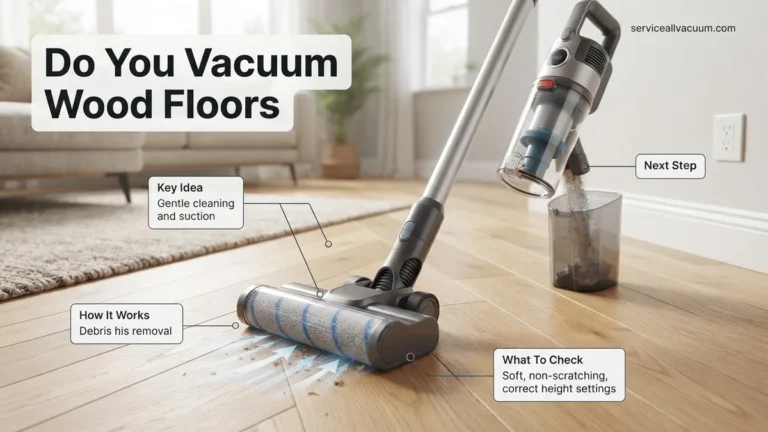
- Adjust the vacuum height setting to match your specific carpet pile depth, ensuring the brush roll lightly agitates the fibers without stalling the motor.
- Move the vacuum forward slowly on the push stroke to allow the airflow to open up the carpet pile.
- Pull the vacuum backward at half the speed of the forward pass, which is when the deep extraction and dust removal actually occur.
- Overlap each parallel pass by at least three inches to guarantee full coverage of high-traffic walking lanes.
- Cross the room a second time in a perpendicular grid pattern to lift flattened fibers and capture stubborn, directional grit.
What If It Still Doesn’t Work?
If routine vacuuming fails to revive a dull, matted carpet, embedded soils, sticky residues, or deep-seated allergens may be the culprit. When standard residential equipment falls short, consider these advanced recovery steps:
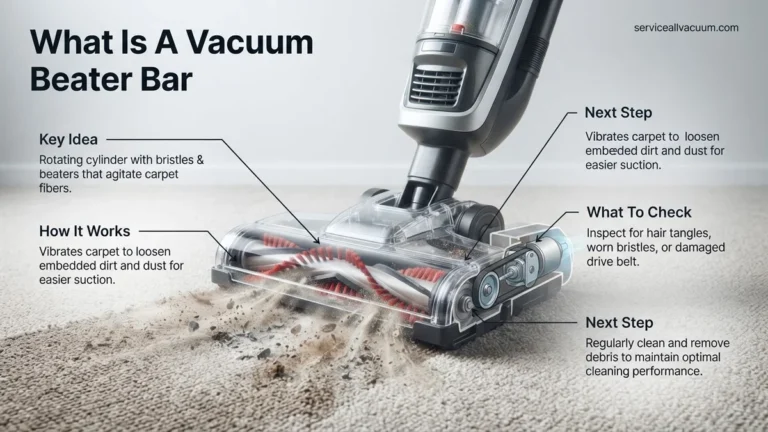
- Inspect and deep-clean the vacuum roller brush, removing tightly wound hair and thread that prevent proper agitation.
- Replace clogged high-efficiency particulate air (HEPA) filters to restore maximum suction power to your machine.
- Apply a professional-grade enzyme pre-spray to break down stubborn organic residues that attract and hold surface dirt.
- Hire a certified professional cleaner to perform hot-water extraction, which flushes out foundational grit. Professional services typically range from $150 to $350 depending on the total square footage.
Conclusion
Maintaining a clean, vibrant carpet requires balancing household traffic levels with precise, slow-stroke vacuuming techniques. According to verified research and expert sources from the Carpet and Rug Institute, sticking to a strict schedule of high-traffic zone vacuuming twice weekly preserves fiber integrity and indoor air quality. As your immediate actionable next step, check your vacuum’s height settings today and schedule a professional hot-water extraction if your carpets have gone more than 18 months without a deep clean.
❓ Frequently Asked Questions
How often should I vacuum carpet if I have pets?
If you have shedding pets, you should vacuum high-traffic areas and pet beds daily. For lower-shed pets or smaller homes, three times a week is usually sufficient to control fur and dander.
What is the best time of day to vacuum carpets?
You can vacuum at any time, but doing so during daylight hours makes it easier to spot missed debris. If you have severe allergies, vacuuming in the morning helps clear overnight dust accumulation before daytime activity kicks it up.
Can over-vacuuming ruin a carpet?
Normal residential vacuuming will not ruin your carpet, but using an excessively aggressive beater bar on delicate or looped Berber carpet can cause fraying. Always ensure your vacuum height is adjusted correctly for your specific carpet pile.
Why does my carpet still look dirty right after I vacuum?
If your carpet looks dull immediately after cleaning, your vacuum may have a clogged filter, a full bag, or a worn-out brush roll. Additionally, deeply embedded oils and ground-in dirt require professional steam cleaning to remove.
How many passes should I make when vacuuming?
For standard maintenance, one slow forward and backward pass per area is enough. In high-traffic zones or pet areas, making multiple passes from different angles ensures maximum dirt removal.
Do I need a HEPA filter vacuum for carpet maintenance?
While not strictly required for basic dirt removal, a vacuum with a HEPA filter is highly recommended if anyone in your home suffers from allergies or asthma. It traps microscopic allergens instead of blowing them back into the air.
![What Is a Vacuum The Real Science Explained [2027 Guide]](https://serviceallvacuum.com/wp-content/uploads/2026/09/what-is-a-vacuum-featured-768x432.webp)