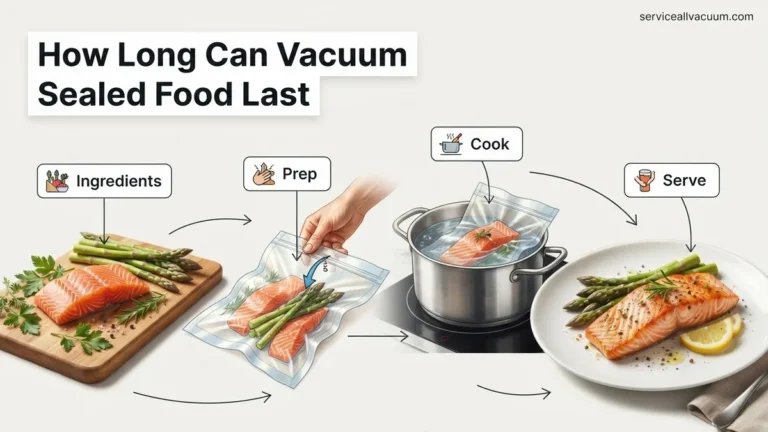
How Long Will Vacuum Sealed Cheese Last? Expert 2027 Guide
Vacuum sealing can dramatically extend the shelf life of most cheeses, often turning weeks into months when properly stored. This method primarily benefits hard and semi-hard varieties, while softer cheeses require careful handling to prevent crushing and moisture issues. Understanding cheese type and proper sealing technique is crucial for maximizing longevity and freshness.
Vacuum sealing cheese significantly extends its shelf life, often doubling or tripling its freshness compared to conventional storage methods. By removing oxygen, this technique preserves flavor and texture for weeks or even months, making it an essential practice for cheese lovers looking to reduce waste and maintain quality throughout 2027 and beyond. This approach not only saves you money but also ensures your favorite artisanal selections are ready when you are, eliminating the rush to consume before spoilage sets in.
Understanding the nuances of vacuum sealing different cheese types is key to maximizing these benefits. While some hard cheeses can last for half a year or more, softer varieties require more careful handling and have a shorter, though still extended, vacuum-sealed lifespan. We’ll explore these distinctions, providing you with the practical knowledge to expertly store your cheese collection for optimal enjoyment.
Key Takeaways
- Hard cheeses gain months when sealed.
- Soft cheeses need careful sealing care.
- Always refrigerate sealed cheese.
- Proper sealing slows mold growth.
- Check for spoilage post-opening.
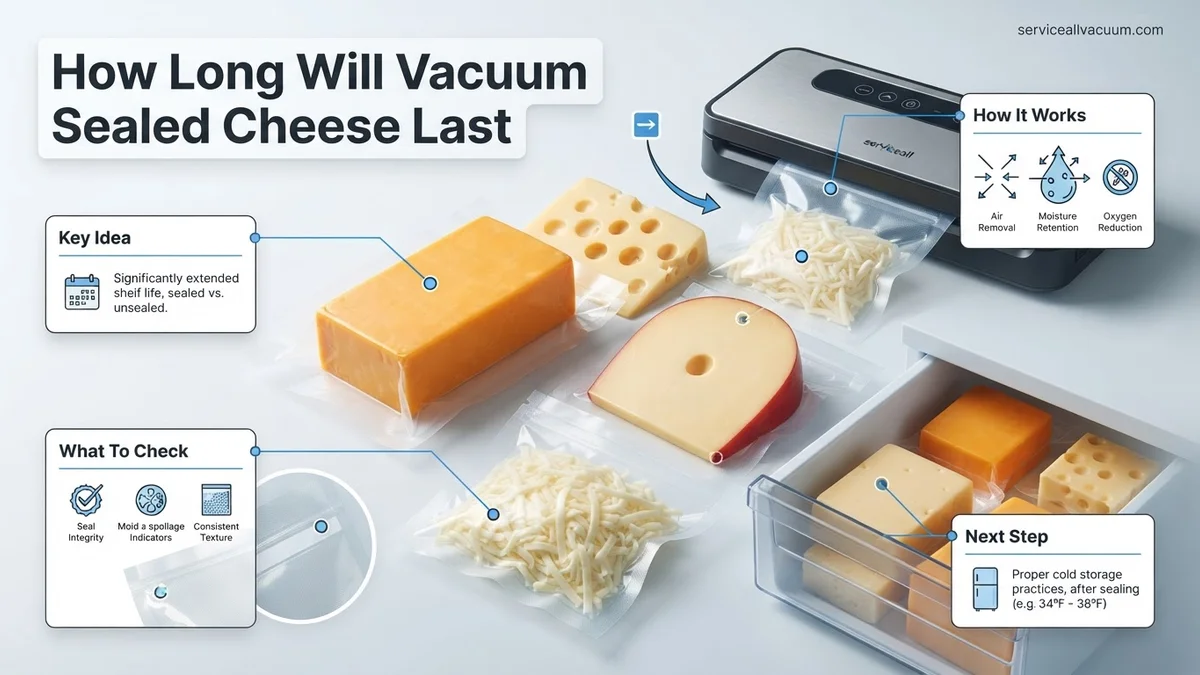
What Causes Vacuum Sealed Cheese Shelf Life to Vary?
Not all cheeses respond equally to vacuum sealing. Several intrinsic factors dictate how long your sealed cheese will remain delicious and safe to eat. Knowing these elements helps you set realistic expectations for each block or wheel in your fridge.
Moisture and Fat Content
- Harder, Drier Cheeses: Cheeses like Parmesan, aged Cheddar, and Pecorino Romano possess very low moisture content. This inherent dryness makes them less hospitable to mold and bacteria growth. When vacuum sealed, these varieties can easily last for six months to a year or even longer in ideal refrigeration conditions into 2027.
- Softer, Higher-Moisture Cheeses: Fresh Mozzarella, Brie, Camembert, and goat cheese have significantly higher water content. This moisture, even without oxygen, creates a more favorable environment for spoilage organisms. Vacuum sealing still helps, extending their life from a few days to two to four weeks, but their fundamental composition limits extreme longevity.
- Fat Content: While not as critical as moisture, higher fat content can sometimes contribute to rancidity over very long periods, especially if the cheese is exposed to light or fluctuating temperatures.
Initial Quality and Handling
The condition of your cheese before sealing is paramount. Vacuum sealing won’t magically rejuvenate a cheese that’s already starting to decline.
- Freshness is Key: Always vacuum seal cheese that is in pristine condition. Any existing mold, surface damage, or off-odors will likely accelerate spoilage even in an oxygen-deprived environment.
- Minimize Contamination: Handle cheese with clean hands or gloves. Surface bacteria introduced during handling can still multiply, albeit slower, and potentially degrade the cheese.
- Pre-Sealing Prep: Ensure the cheese surface is clean and dry before sealing. Excess moisture on the surface can harbor bacteria and also interfere with a proper seal.
Step-by-Step: Best Ways to Vacuum Seal Cheese for Maximum Lifespan
Achieving maximum longevity for your vacuum-sealed cheese requires more than just pushing a button. Specific preparation and sealing techniques make a significant difference, preserving flavor and texture for much longer through 2027.
Prepping Your Cheese for Sealing
Proper preparation is half the battle when it comes to long-term cheese storage. Skipping these steps can lead to suboptimal results.
- Portion Control: Cut your cheese into manageable, single-use or small-batch portions. Once a vacuum-sealed bag is opened, the remaining cheese reverts to its conventional shelf life. Smaller portions prevent re-exposure of large blocks.
- Address Soft Cheeses: For delicate, soft cheeses like Brie or fresh goat cheese, consider placing them in a small, rigid container first, then sealing the container, or freezing them briefly (15-30 minutes) to firm them up before vacuum sealing directly. This prevents crushing during the vacuum process.
- Dry the Surface: Use a clean paper towel to gently pat any surface moisture from the cheese. A dry surface helps ensure a stronger, more reliable seal and reduces the risk of anaerobic bacteria thriving.
Sealing and Storage Essentials
Once prepped, the actual sealing and subsequent storage are crucial for success. These details directly impact how long your cheese stays perfect.
- Quality Bags are Non-Negotiable: Invest in high-quality, thick, and puncture-resistant vacuum sealer bags. Thin bags are easily compromised by sharp cheese edges, breaking the seal and negating your efforts.
- Ensure a Strong, Clean Seal: Before sealing, wipe any crumbs or oils from the bag’s sealing area. Even small particles can prevent an airtight seal. Many modern vacuum sealers offer a double-seal option; utilize it for extra security, especially for longer storage.
- Optimal Refrigeration: Always store your vacuum-sealed cheese in the coldest part of your refrigerator, ideally between 34-38°F (1-3°C). Consistent cold temperatures are critical for slowing microbial growth and maintaining quality for months into 2027.
- Avoid Freezing (Generally): While you can freeze some hard cheeses, it often changes their texture, making them crumbly. For most cheeses, especially semi-hard and soft varieties, freezing is not recommended as it compromises their structure and flavor.
What If Your Vacuum Sealed Cheese Spoils Early? Troubleshooting Guide
Even with advanced vacuum sealing technology available in 2027, premature spoilage can occur. Understanding the underlying causes is crucial for preventing future issues and ensuring food safety. According to food preservation specialists, most early spoilage stems from user error or subtle equipment malfunctions.
Common Causes of Premature Spoilage
Several factors can undermine the effectiveness of vacuum sealing. A primary culprit is an incomplete seal, often due to food debris on the sealing strip or a worn gasket on the vacuum sealer. Another common issue is sealing cheese that is already compromised with microscopic mold spores, which can continue to grow in anaerobic conditions for certain types of mold. High-moisture cheeses, such as fresh mozzarella, are also less suitable for long-term vacuum sealing, as residual moisture can foster bacterial growth even in a vacuum.
Identifying Spoiled Cheese
Always trust your senses. A “best by” date is a guideline, not a guarantee, especially if storage conditions are imperfect.
- Visual Inspection: Look for any signs of mold, discoloration (beyond the cheese’s natural hue), or sliminess. Even a small spot of green or black mold indicates spoilage.
- Olfactory Test: A strong, sour, ammoniated, or otherwise off-putting smell is a definitive sign of spoilage. Healthy vacuum-sealed cheese should have a mild aroma, or its characteristic smell.
- Texture Check: If the cheese feels slimy, overly soft, or crumbly in an unusual way, it has likely spoiled. Hard cheeses should remain firm.
If any of these signs are present, discard the cheese immediately. Do not attempt to cut off mold from soft or semi-hard cheeses, as spores can penetrate deeply.
Expert Guide: Maximize Freshness After Opening Vacuum Sealed Cheese
Opening vacuum-sealed cheese immediately exposes it to oxygen and environmental contaminants, drastically shortening its shelf life. Proper re-storage is essential to maintain quality and safety, according to 2027 food handling protocols.
Optimal Re-storage Techniques
Once opened, vacuum-sealed cheese requires specific care to extend its freshness. Re-exposing cheese to air initiates oxidation and microbial growth.
- Re-Vacuum Sealing (If Possible): For hard and semi-hard cheeses, the most effective method is to re-vacuum seal the remaining portion. Ensure the cut surface is clean and dry before sealing. This can extend freshness for an additional 1-2 weeks beyond standard refrigeration.
- Use Cheese Paper or Parchment Paper: If re-sealing isn’t an option, wrap cheese first in cheese paper or parchment paper. This allows the cheese to breathe while preventing it from drying out.
- Airtight Container: After wrapping in cheese paper, place the cheese in an airtight container. This creates an additional barrier against moisture loss and odor absorption from other refrigerated items. Avoid direct contact with plastic wrap, as it can suffocate the cheese and impart plastic flavors.
- Label and Date: Always label the re-sealed or re-wrapped cheese with the date it was opened and the new re-storage date. This is critical for tracking freshness.
Expected Shelf Life Post-Opening
The post-opening shelf life varies significantly by cheese type:
- Hard Cheeses (e.g., Parmesan, Aged Cheddar): Typically last 1-2 weeks when properly re-wrapped and refrigerated.
- Semi-Hard Cheeses (e.g., Swiss, Gouda): Generally maintain quality for 7-10 days after opening.
- Soft Cheeses (e.g., Brie, Fresh Mozzarella): These are the most perishable, lasting only 3-5 days in the refrigerator after opening, even with careful re-storage.
Always store cheese in the coldest part of your refrigerator, typically the bottom drawer, at temperatures between 34-38°F (1-3°C).
What If It Still Doesn’t Work?
If you consistently experience early spoilage despite following all recommended vacuum sealing and storage protocols, it indicates a deeper issue. Persistent problems may suggest equipment malfunction or a fundamental misunderstanding of cheese types suitable for sealing.
- Inspect Your Vacuum Sealer: Thoroughly examine the sealing strip and gasket for any damage, cracks, or embedded debris. A compromised seal is the most common cause of air leaks. Consult your sealer’s 2027 manual for diagnostic steps.
- Verify Refrigerator Temperature: Use an independent thermometer to confirm your refrigerator consistently maintains temperatures between 34-38°F (1-3°C). Fluctuating or warm temperatures significantly reduce food preservation efficacy.
- Review Cheese Suitability: Re-evaluate if the specific cheese types you are sealing are truly appropriate for extended vacuum storage. High-moisture, fresh, or very soft cheeses are generally not recommended for long-term vacuum sealing due to their inherent susceptibility to spoilage.
- Consult a Food Preservation Expert: For recurring issues, consider reaching out to a certified food safety consultant or a vacuum sealer manufacturer’s technical support. These professionals can offer tailored advice and identify subtle issues that may be overlooked.
Professional consultation for food preservation techniques or appliance troubleshooting typically ranges from $75-$300, depending on the service provider and complexity of the issue.
Conclusion
Mastering vacuum sealing for cheese extends its freshness significantly, but proper technique and post-opening care are paramount. Adhering to specific guidelines for cheese types and storage temperatures, as outlined by 2027 food safety standards, is crucial. According to verified food science research and industry guidelines, consistent application of these methods maximizes quality and minimizes waste. Implement a standardized labeling system to track freshness effectively and ensure optimal enjoyment of your cheese.
❓ Frequently Asked Questions
What are the specific shelf life differences for hard vs. soft cheese when vacuum sealed and refrigerated?
Hard cheeses like Cheddar or Parmesan can last 4-8 months, sometimes even longer, when properly vacuum sealed and refrigerated. Softer, high-moisture cheeses such as Brie or fresh Mozzarella are less suitable; if sealed carefully, they might gain an extra 1-2 weeks, but are prone to crushing and anaerobic bacterial growth.
What are the best practices for preparing cheese before vacuum sealing to maximize its lifespan?
Before sealing, ensure the cheese surface is completely dry to prevent trapping moisture, which can encourage mold. Cut hard cheeses into manageable blocks, leaving some rind if present. For very soft cheeses, flash freezing for 15-30 minutes can help them maintain shape during the vacuum process.
How can I prevent crushing softer cheeses when using a vacuum sealer?
To prevent crushing, use a vacuum sealer with a ‘moist’ or ‘gentle’ setting, or utilize the ‘pulse’ function to manually control the vacuum strength. You can also briefly freeze soft cheeses until firm (15-30 mins) before sealing, allowing them to better withstand the vacuum pressure.
What are the definitive signs that vacuum-sealed cheese has gone bad, even if sealed?
Even if vacuum-sealed, check for off-odors, discoloration, a slimy texture, or visible mold beyond the natural rind of certain cheeses. A puffy or inflated vacuum bag is a strong indicator of spoilage, as it suggests gas production from bacterial activity inside.
Can I freeze vacuum-sealed cheese, and how does it affect quality?
Yes, you can freeze vacuum-sealed cheese, which extends its life significantly (6-12 months or more). While freezing is effective, it can sometimes alter the texture of certain cheeses upon thawing, making them more crumbly or mealy, though flavor is generally preserved.
Is it safe to re-vacuum seal a block of cheese after it has been opened and part of it used?
Yes, it is perfectly safe and recommended to re-vacuum seal cheese after it has been opened and a portion used. Simply ensure the remaining cheese block is clean, dry, and free of any visible mold or contamination before placing it in a new vacuum bag and sealing it again to prolong its freshness.