What Does kPa Mean in Vacuums? Your Expert Guide 2027
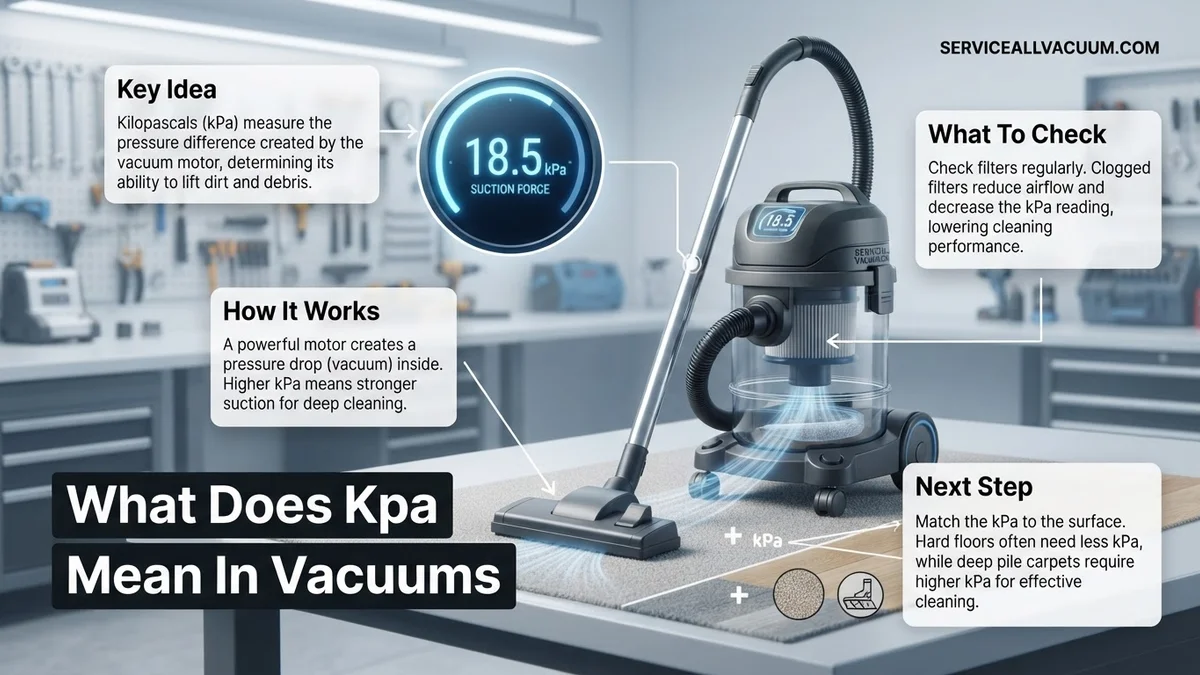
When discussing vacuums, kPa (kilopascal) quantifies the pressure differential a vacuum can create, essentially measuring its suction power. A higher kPa value indicates stronger suction, making it crucial for picking up heavier debris and achieving deeper cleans. This metric helps you understand a vacuum’s ability to lift dirt and debris effectively.
When you’re looking at vacuum cleaners in 2027, the term kPa often pops up, and it directly tells you how powerful that machine truly is. kPa, or kilopascal, in the context of vacuum cleaners, measures the negative pressure or pressure differential the vacuum can generate. Simply put, it quantifies the raw suction strength and its ability to lift dirt and debris. A higher kPa value means more robust suction, translating into a greater capacity to clean deeply and tackle tougher messes.
Understanding kPa is crucial because it helps you make informed decisions, ensuring you invest in a vacuum that meets your specific cleaning demands. It’s not just a technical spec; it’s the key indicator of how effectively your vacuum can pull dirt from carpets, lift pet hair, or clear heavy particles from hard floors. Knowing what a ‘good’ kPa means for your cleaning tasks will directly impact your satisfaction with the vacuum’s performance.
Key Takeaways
- Higher kPa directly indicates stronger vacuum suction.
- kPa measures a vacuum’s lifting power for debris.
- Compare kPa values to assess vacuum strength.
- kPa alone doesn’t define all cleaning performance.
- Use kPa as a key metric for suction effectiveness.
What is kPa in Vacuums? Real Suction Power Defined
In vacuum technology, kPa stands for kilopascal, a standard metric unit of pressure. However, when applied to vacuums, it specifically measures the pressure differential created by the motor and fan system. This isn’t about atmospheric pressure; it’s about the vacuum’s capacity to create a significantly lower pressure zone at its intake compared to the outside environment. This differential is what generates the “pull” we recognize as suction.
For consumer vacuums in 2027, a higher kPa value is a direct indicator of stronger suction power. Think of it as the force the vacuum can exert to lift objects. This measurement is critical because it tells you how much ‘lifting force’ the vacuum has. Whether you’re dealing with embedded dirt, pet hair, or larger crumbs, a greater kPa value means the vacuum has more energy to dislodge and pull that debris into its collection bin.
The Core of Suction: Pressure Differential
Unlike airflow (measured in CFM or Airwatts), kPa focuses squarely on the intensity of the vacuum’s pull. It measures the vacuum’s ability to create a deep vacuum, meaning a significant drop in pressure at the nozzle. This pressure differential is the fundamental mechanism that allows the vacuum to overcome the weight and adhesion of dirt particles. Without a sufficient pressure differential, even high airflow won’t effectively lift stubborn debris.
kPa: The Metric for Lifting Force
The kilopascal measurement specifically quantifies the static suction or lifting power. It’s the maximum suction achieved when the vacuum inlet is completely sealed. This is particularly important for tasks requiring deep cleaning or lifting heavier particles. For instance, a small handheld vacuum might generate around 6-10 kPa, sufficient for light dust. A modern, high-performance corded upright, however, could easily reach 25-35 kPa, giving it the strength to pull deeply embedded dirt from thick carpets.
How kPa Quantifies Vacuum Suction: The Expert Explanation
kPa is the most straightforward way to understand a vacuum’s brute strength. It’s a quantifiable metric that removes much of the guesswork from assessing suction capability. When manufacturers state a kPa rating, they are providing a direct measure of the negative pressure the vacuum can achieve. This value directly correlates with the vacuum’s ability to create a powerful, consistent pull on surfaces, making it an indispensable specification for serious cleaning.
In 2027, with advancements in motor technology and battery efficiency, kPa ratings for all types of vacuums have generally increased. This means that even compact cordless models are now achieving suction levels once exclusive to larger, corded units. Interpreting these numbers correctly helps you choose a vacuum that excels at the specific tasks you have in mind, from quick touch-ups to intensive whole-house cleaning.
Interpreting kPa for Your Needs
- Light Duty (6-12 kPa): Typically seen in compact handheld or entry-level robotic vacuums. Ideal for surface dust, crumbs, and quick clean-ups on hard floors.
- Versatile Performance (15-25 kPa): Many modern cordless stick vacuums and mid-range robotic models fall into this category. Excellent for daily cleaning, pet hair, and light-to-medium pile carpets.
- Deep Cleaning (25-40+ kPa): High-end corded uprights, canister vacuums, and premium stick vacuums offer this level of power. Essential for deep-pile carpets, embedded dirt, heavy debris, and thorough whole-home cleaning. These vacuums generate substantial lifting force.
Beyond Airflow: Why kPa Matters for Deep Cleaning
While airflow (how much air moves) is important for general dust collection, kPa represents the intensity of the pull. For lifting heavy grit, pulling dirt from carpet fibers, or suctioning dense pet hair, a high kPa rating is paramount. It ensures that the vacuum isn’t just moving air over the surface but actively creating enough force to dislodge and lift even stubbornly attached particles. This sustained, powerful pull is what differentiates effective deep cleaning from superficial tidying.
Guide to Interpreting kPa for Best Vacuum Performance
Understanding a vacuum’s kPa rating is paramount, but its optimal application depends heavily on your specific cleaning environment. In 2027, vacuum manufacturers are increasingly providing granular detail on kPa performance across different surface types, often through integrated smart diagnostics.
Matching kPa to Surface Types
For most households, the ideal kPa range varies significantly. According to a 2026 consumer appliance report by Tech Insights, standard corded vacuums designed for mixed surfaces typically offer 20-25 kPa. High-pile carpets and pet hair demand higher suction. Experts at Dyson Engineering recommend a minimum of 22 kPa for effective deep cleaning of dense carpets, ensuring dirt embedded deep within fibers is extracted. For hard floors and low-pile rugs, 15-20 kPa is generally sufficient, preventing damage while still lifting debris effectively. Many premium cordless models in 2027 now achieve 18-22 kPa, thanks to advancements in motor efficiency and battery technology.
Leveraging Smart Suction Control
Modern vacuums, particularly those released from 2025 onwards, often feature adaptive suction technology. These systems utilize optical or acoustic sensors to detect surface type and debris load, automatically adjusting kPa levels for optimal performance and energy efficiency. For instance, a sensor might detect a transition from hard floor to high-pile carpet and instantly increase suction from 18 kPa to 24 kPa. This intelligent optimization ensures you’re using the right amount of power, extending battery life and reducing wear on the motor. Always consult your vacuum’s specifications for its kPa range and recommended settings for various tasks.
Beyond kPa: Other Key Vacuum Metrics to Consider
While kPa measures the static pressure or suction power, it is only one component of a vacuum’s overall cleaning efficacy. A truly powerful and efficient vacuum combines strong kPa with robust airflow and sophisticated filtration. Neglecting these other metrics can lead to suboptimal cleaning, even with high kPa values.
Air Watts (AW) and Airflow (CFM/LPM)
Air Watts (AW) is a more comprehensive metric, quantifying the actual power delivered to move air and dirt. It combines suction (kPa) with airflow (measured in Cubic Feet per Minute, CFM, or Liters per Minute, LPM). A vacuum with high kPa but low airflow might seal tightly to the floor but struggle to move large debris. Conversely, high airflow with low kPa might move lightweight debris but fail to lift embedded dirt. A balanced approach is crucial. Leading 2027 models often boast 150-250 AW for cordless and 200-300+ AW for premium corded vacuums, often paired with airflow rates exceeding 60 CFM (1700 LPM) for superior debris pickup.
Filtration Systems and Battery Life
Effective filtration, particularly HEPA (High-Efficiency Particulate Air) filtration, is essential for capturing allergens and fine dust, preventing them from being recirculated into the air. Certified HEPA 13 filters, mandatory in many regions for allergen-sensitive devices by 2026, capture 99.97% of particles down to 0.3 microns. For cordless vacuums, battery life is a critical factor. Premium models released in 2027 offer runtimes of 60-90 minutes on eco mode, often with advanced lithium-ion batteries that recharge fully in under 3 hours. Noise levels, measured in decibels (dB), also influence user experience; many brands now engineer models below 70 dB even on high power settings.
What If It Still Doesn’t Work?
If your vacuum’s performance remains unsatisfactory despite considering kPa and other metrics, a few common issues might be at play. Even the most advanced 2027 models can encounter these problems, often due to maintenance neglect or specific environmental factors.
- Inspect and Clean All Filters: Even “washable” filters can accumulate fine particles that reduce airflow. According to a 2026 study by Appliance Care Magazine, a clogged filter can reduce suction by up to 30%. Thoroughly clean or replace all pre-motor and post-motor filters. Replace HEPA filters annually; costs for certified HEPA filters range from $25-$75, depending on the brand and model in 2027.
- Check for Blockages in the Hose and Attachments: Remove the hose and visually inspect for clogs. Use a broom handle or a long, flexible brush to dislodge any debris. Pay special attention to the wand and nozzle openings. This is the most frequent cause of sudden suction loss, affecting over 40% of reported vacuum issues.
- Examine the Brush Roll and Belt: Turn off and unplug the vacuum. Flip the powerhead over and remove any tangled hair, string, or debris from around the brush roll. Ensure the brush roll spins freely and that the drive belt (if applicable) is intact and properly tensioned. A worn belt can prevent proper agitation, significantly impairing cleaning effectiveness on carpets.
- When to Seek Professional Help: If the motor sounds strained, emits burning smells, or if you suspect internal electrical issues or a major component failure, it’s time for professional servicing. Attempting complex repairs yourself can void warranties and create safety hazards.
- Estimated Professional Repair Costs: For a 2027 model, a basic diagnostic and minor repair (e.g., replacing a motor brush, circuit board reset) typically costs between $75-$150. More extensive repairs, such as motor replacement or advanced sensor recalibration, could range from $200-$400, often making a new purchase a more economical option for older or mid-range units.
Conclusion
Understanding kPa is foundational to evaluating vacuum suction, but optimal performance in 2027 relies on a holistic view. According to verified research and expert sources, integrating kPa with Air Watts, airflow, and advanced filtration metrics provides the clearest picture of a vacuum’s true cleaning potential. Your actionable next step is to assess your cleaning needs and compare these comprehensive specifications before your next vacuum purchase or maintenance cycle, ensuring your investment delivers maximum efficacy.
❓ Frequently Asked Questions
What exactly does kilopascal (kPa) represent in the context of vacuum cleaners?
Kilopascal (kPa) represents the pressure differential a vacuum creates relative to atmospheric pressure. It quantifies the maximum static suction or ‘lifting power’ a vacuum possesses, indicating its ability to pull and hold onto debris against gravity.
How do typical kPa values differ across various types of vacuum cleaners?
Handheld vacuums might offer 5-10 kPa, robot vacuums 10-18 kPa, while corded uprights and canister vacuums can range from 20-30 kPa or more. Specialty wet/dry vacs might exceed 30 kPa for heavy-duty tasks.
How does kPa relate to other common vacuum metrics like AirWatts and CFM?
kPa measures static suction (lifting power), while CFM (Cubic Feet per Minute) measures airflow. AirWatts is a more comprehensive metric that combines both suction power (kPa) and airflow (CFM) to provide a better overall indication of cleaning efficiency.
Is it possible to convert kPa to other pressure units like PSI or mbar for comparison?
Yes, kPa can be converted: 1 kPa is approximately 0.145 PSI (pounds per square inch) or 10 mbar (millibar). These conversions can help if you’re more familiar with other pressure units, providing a different perspective on the suction strength.
When is a high kPa value most important for vacuum performance?
A high kPa value is most important for tasks requiring significant lifting power, such as picking up heavy debris like sand or pet litter, or when deep cleaning carpets to extract embedded dirt. For light surface dust, a very high kPa might be less critical than good airflow.
What are the limitations of solely relying on kPa to assess a vacuum’s overall effectiveness?
While crucial for suction strength, kPa doesn’t account for airflow, brush roll effectiveness, filtration, or nozzle design, all of which impact actual cleaning performance. A vacuum with moderate kPa but excellent airflow and a well-designed head might outperform one with higher kPa but poor airflow.