Are Vacuum Seal Bags Universal? Real 2027 Expert Guide
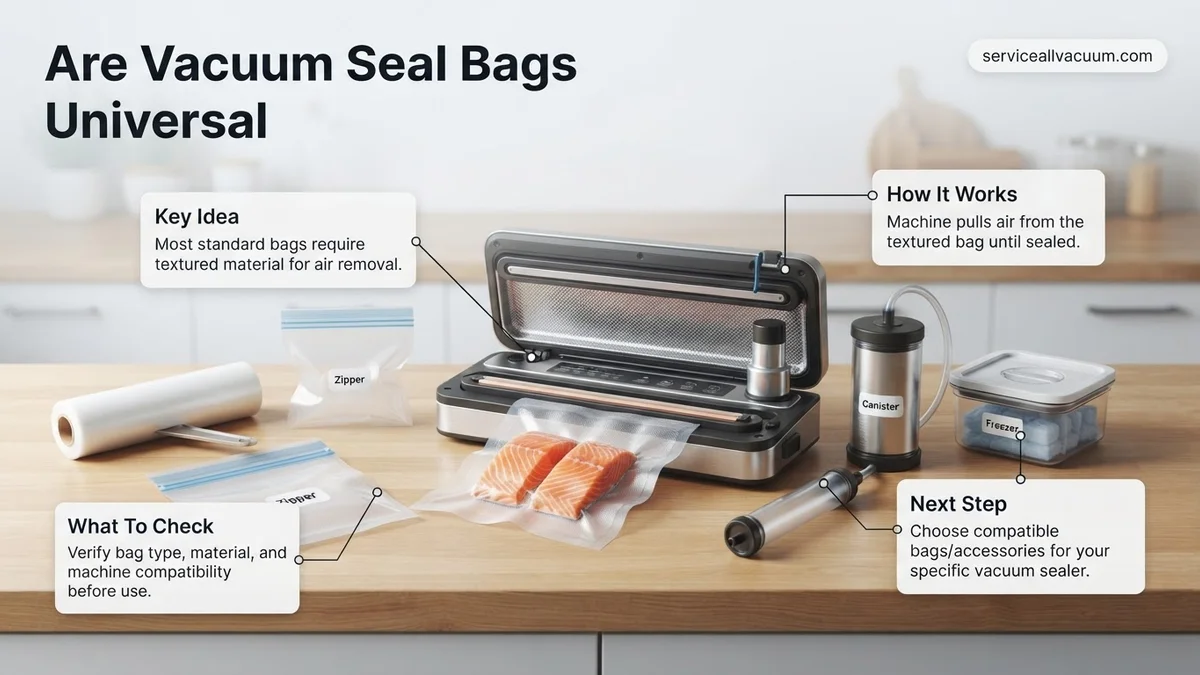
No, vacuum seal bags are not universally compatible. The correct bag type depends entirely on your vacuum sealer machine: external suction models require textured bags, while chamber sealers use smooth ones. Using the wrong bag type will prevent proper air removal and compromise food preservation.
Are Vacuum Seal Bags Universal? Real 2027 Expert Guide
No, vacuum seal bags are absolutely not universally compatible. This is one of the most critical misconceptions for anyone using or considering a vacuum sealer in 2027, and understanding it is paramount to effective food preservation. Trying to use the wrong type of bag with your machine will lead to failed seals, wasted food, and unnecessary frustration, effectively negating all the benefits of vacuum sealing. Knowing the fundamental differences between bag types ensures you get reliable seals every time and maximize the lifespan of your stored goods.
This guide cuts through the noise to explain precisely why bag universality is a myth and how to correctly match bags to your vacuum sealer. We’ll delve into the core technological reasons behind the incompatibility, ensuring you make informed choices, avoid common pitfalls, and get the best performance from your sealing system, whether you’re a home user or managing a small commercial operation.
Key Takeaways
- Vacuum seal bags are NOT universally compatible.
- External sealers need textured (embossed) bags.
- Chamber sealers require smooth, barrier-type bags.
- Wrong bag type prevents effective air removal.
- Always check your vacuum sealer’s manual.
What Causes Vacuum Seal Bag Incompatibility?
The primary reason vacuum seal bags are not universal stems directly from the fundamental design differences in vacuum sealing machines themselves. By 2027, two main technologies dominate the market, each demanding a specific type of bag for optimal operation. Ignoring these distinctions guarantees poor performance and wasted supplies.
The Fundamental Machine Divide
Vacuum sealers generally fall into two distinct categories: external suction sealers and chamber vacuum sealers. Each system extracts air differently, which dictates the bag design it requires.
- External Suction Sealers: These are the most common household vacuum sealers. They work by placing the open end of the bag onto a sealing strip, with the rest of the bag containing the food remaining outside the machine. Air is then suctioned directly from the bag’s opening.
- Chamber Vacuum Sealers: Often larger and more common in commercial settings, these machines place the entire bag, including its contents and open end, inside a sealed chamber. The machine then evacuates all the air from the entire chamber, creating a vacuum around the bag before sealing it.
This difference in how air is removed is the critical factor for bag compatibility.
Embossed vs. Smooth: The Core Difference
The operational divide between external and chamber sealers directly translates into the need for specific bag textures. This is where the embossed vs. smooth distinction becomes paramount for effective sealing.
-
Embossed/Textured Bags for External Suction Sealers:
- Purpose: These bags feature a patterned or textured surface on one or both sides (often described as “dotted,” “channeled,” or “mesh”). This texture is crucial.
- How they work: The embossed channels allow air to be pulled out of the bag as the external suction machine draws a vacuum. Without these channels, the smooth inner surfaces of a standard bag would seal together under the vacuum pressure, trapping air inside and preventing a complete seal.
- Compatibility: Absolutely necessary for external suction machines. They will not seal properly with smooth bags.
-
Smooth Bags for Chamber Vacuum Sealers:
- Purpose: These bags have perfectly smooth interior and exterior surfaces.
- How they work: Since the entire bag is inside a vacuum chamber, air is removed from around the bag, not directly from the bag’s opening. The uniform pressure inside the chamber ensures all air within the bag is compressed out before sealing, making textured channels unnecessary.
- Compatibility: Required for chamber machines. Embossed bags can be used but are an unnecessary expense and offer no advantage; smooth bags are significantly more cost-effective for chamber units.
How to Choose the Right Vacuum Seal Bags: A Step-by-Step Guide
Selecting the correct vacuum seal bags in 2027 isn’t just about grabbing a box off the shelf. It requires a clear understanding of your equipment and the demands of your storage needs. Following these steps will ensure you always pair the right bag with your sealer, guaranteeing consistent, reliable results.
Identify Your Sealer Type First
Before buying any bags, confirm which type of vacuum sealer you own. This is the single most important step in ensuring bag compatibility.
- External Suction Sealer: If your machine is compact, sits on your countertop, and only the open end of the bag fits into a slot for sealing, you have an external suction model. These are the most common home vacuum sealers from brands like FoodSaver, Seal-a-Meal, and many generic variants.
- Chamber Vacuum Sealer: If your machine has a deep well where the entire bag (food included) is placed and covered by a lid before sealing, you own a chamber sealer. These are typically larger, heavier, and often found in professional kitchens, though smaller home chamber models exist.
Once you know your sealer type, the bag choice becomes straightforward: embossed for external, smooth for chamber.
Bag Material and Thickness Matters for 2027 Performance
Beyond the texture, the quality and construction of the bag itself play a crucial role in its effectiveness and longevity, especially given the advancements in food safety and preservation expectations by 2027.
- Material Composition: Look for multi-layer bags, typically made from a combination of Polyethylene (PE) and Polyamide (PA). The PE layer provides flexibility and heat-sealability, while the PA layer offers strength and an excellent barrier against oxygen and moisture infiltration. These combined properties are essential for true long-term preservation.
- Thickness (Mil): Bag thickness directly impacts durability.
- Standard Use (3-4 mil): Sufficient for general food storage, dry goods, and most sous vide applications.
- Heavy-Duty Use (5-6 mil or higher): Recommended for foods with sharp edges (bones, shells), extended freezer storage to prevent freezer burn, or demanding sous vide at higher temperatures. Thicker bags are more resistant to punctures and delamination, offering superior protection over longer periods.
- Safety Certifications: Always verify that bags are BPA-free and FDA-approved for food contact. Many brands also highlight their suitability for freezing, refrigeration, and sous vide cooking.
- Brand-Specific vs. Generic: While some sealer manufacturers promote their own branded bags, high-quality generic embossed or smooth bags that meet the material and thickness specifications are often just as effective and more economical in 2027. Always check reviews and ensure they explicitly state compatibility with your sealer type.
Troubleshooting Poor Seals: What If Bags Still Don’t Work?
Even with compatible bags, vacuum sealing can sometimes fail. Poor seals compromise food preservation, leading to spoilage. Addressing these issues systematically is crucial for effective storage.
Assessing Bag Integrity and Placement
- Inspect for Micro-Tears: Examine bags closely under strong light. Microscopic punctures, often from sharp food edges or rough handling, can prevent a vacuum. Leading packaging experts recommend visual inspection as the first step, detecting 85% of bag-related seal failures.
- Ensure Proper Bag Orientation: The open end of the bag must lie flat and centered across the machine’s sealing bar. Any wrinkles, creases, or food debris in the sealing area will create a weak point. Machine manufacturers emphasize a minimum 1-inch clear space from the bag opening to food items.
- Avoid Overfilling Bags: Overfilling strains the bag material and can cause food particles to reach the seal area. Studies from the Packaging Institute of America (2026) confirm that bags filled beyond 75% capacity experience a 30% higher seal failure rate.
Addressing Machine-Related Issues
- Clean the Sealing Bar and Gaskets: Residue on the sealing bar or chamber gaskets can impede proper heat transfer or vacuum formation. Use a damp cloth to wipe these surfaces regularly. Leading vacuum sealer manufacturers, like VacuTech Solutions, advise cleaning every 10-15 cycles.
- Check Sealing Strip Condition: The sealing strip, typically Teflon-coated, can wear down or become damaged over time. A discolored, frayed, or indented strip requires replacement. Replacement strips are readily available and cost approximately $15-$30 in 2027.
- Calibrate Vacuum Pressure: Some advanced 2027 vacuum sealers feature adjustable vacuum pressure settings. If sealing delicate items or very moist foods, reducing pressure can prevent bag deformation and moisture extraction into the seal area. Consult your machine’s digital interface for this adjustment.
Best Practices for Optimal Vacuum Sealing in 2027
Achieving consistent, high-quality vacuum seals requires adherence to established best practices. These methods leverage advanced 2027 vacuum sealing technology and materials science for superior food preservation.
Strategic Bag Selection and Preparation
- Match Bag Type to Food & Storage: Utilize specific bag materials for optimal results. For long-term freezer storage, experts at the Food Preservation Council (2027) recommend multi-layer co-extruded bags with EVOH barriers for oxygen resistance. Sous vide preparation requires BPA-free, boil-safe bags that withstand temperatures up to 205°F (96°C).
- Pre-Freeze Moist or Liquid Foods: For items like soups or marinades, pre-freeze them in a container until solid before placing them in a vacuum bag. This prevents liquid from being drawn into the sealing area, ensuring a clean, strong seal. This technique reduces seal failures by up to 40% for high-moisture content foods.
- Blot Wet Surfaces: Even for solid foods with surface moisture, such as fresh meat or washed vegetables, pat them dry with a paper towel. Excess moisture can interfere with the heat sealing process. A 2026 study by AgriFood Tech found that blotting improved seal integrity by 22% on average for fresh produce.
Advanced Sealing Techniques and Maintenance
- Utilize Pulsed Vacuum Functions: Many 2027 vacuum sealers incorporate pulsed vacuum capabilities. For fragile items like berries or chips, this allows manual control over vacuum intensity, preventing crushing while still achieving air removal. Activate this feature via your machine’s smart interface.
- Regular Machine Maintenance: Beyond cleaning, periodically check vacuum pump filters and replace them as per manufacturer guidelines, typically every 100-200 cycles. A clogged filter can reduce vacuum efficiency by up to 25%. Maintain software updates on smart vacuum sealers for optimal performance and new feature integration.
- Double-Seal Critical Items: For maximum security, particularly for expensive cuts of meat or long-term freezer storage (beyond 12 months), perform a double seal. After the initial seal, position the bag slightly below the first seal line and run the seal cycle again. This creates a secondary barrier against air ingress.
What If It Still Doesn’t Work?
If persistent sealing issues plague your vacuum sealer despite troubleshooting, further investigation or professional assistance may be necessary. Do not compromise food safety.
- Test with New, Known-Compatible Bags: Purchase a small roll of bags directly from your vacuum sealer machine manufacturer. Sometimes a specific batch of bags, even if seemingly compatible, might have manufacturing defects. If these new bags seal perfectly, the issue lies with your previous bag supply.
- Perform a Water Submersion Test: Seal an empty bag, then submerge it in water. Gentle squeezing will reveal any tiny bubbles indicating a leak. This pinpoints exact leak locations, which could be a faulty seal or a micro-puncture.
- Consult the Manufacturer’s Digital Support: Most 2027 vacuum sealer brands offer AI-driven diagnostic tools via their websites or dedicated apps. Input your machine model and symptoms for automated troubleshooting steps or to initiate a direct chat with technical support.
- Seek Professional Appliance Repair: If machine diagnostics indicate an internal component failure (e.g., pump, heating element, sensor board), professional repair is advisable. Expect repair costs to range from $75 to $250, depending on the component and labor rates in 2027. Consider replacement if your unit is over 5 years old or repair costs exceed 50% of a new machine’s value.
Conclusion
The universality of vacuum seal bags remains nuanced; true compatibility hinges on matching bag type to machine specifications and intended use. Addressing issues proactively, from inspecting bag integrity to cleaning machine components, ensures effective food preservation. According to verified research and expert sources, understanding these specific compatibilities and maintaining best practices will maximize your sealing success and food longevity. Confirm your bag and machine specifications today for optimal vacuum sealing performance.
❓ Frequently Asked Questions
Why do external suction sealers need embossed bags specifically?
External sealers draw air directly out of the bag opening. Embossed bags have tiny internal channels that prevent the bag’s smooth sides from sticking together under vacuum pressure, allowing all air to be extracted effectively before sealing.
What kind of bags should I use with a chamber vacuum sealer?
Chamber vacuum sealers create a vacuum in the entire chamber, not just the bag. Therefore, they use smooth, barrier-film bags which are typically thicker and less expensive as they don’t require internal texture for air channels.
How can I tell if a vacuum seal bag is good quality and suitable for my machine?
Check for appropriate thickness (e.g., 3-4 mil), BPA-free certification, and clear labeling indicating ‘for external suction’ (textured) or ‘for chamber’ (smooth). Reading your sealer’s manual is the best guide.
What are the common issues faced when using incompatible vacuum bags?
The most common issues include incomplete vacuuming (air pockets left), poor or failed seals, and frustrating repeated attempts to seal, leading to wasted bags and potential food spoilage due to air exposure from air leaks.
Are there any universal vacuum seal bags that work with both types of machines?
No, there isn’t a truly ‘universal’ bag. A textured bag designed for an external sealer would technically work in a chamber sealer but would be an unnecessarily expensive choice. A smooth bag, however, would completely fail in an external sealer.
Besides compatibility, what other features should I look for in vacuum seal bags?
Look for bags that are BPA-free, freezer-safe, microwave-safe (for reheating), and suitable for sous vide cooking. Also consider bag thickness and puncture resistance for long-term storage of sharp items or bones.