How Long Does Vacuum Sealed Meat Last in Fridge? 2027
Vacuum sealing significantly extends the refrigerated shelf life of fresh meat by removing oxygen, which slows bacterial growth. While specific durations vary by meat type, most vacuum-sealed raw meats last 2-4 weeks in the fridge, compared to just a few days for unsealed meat, but proper handling and consistent cold temperature are crucial for safety.
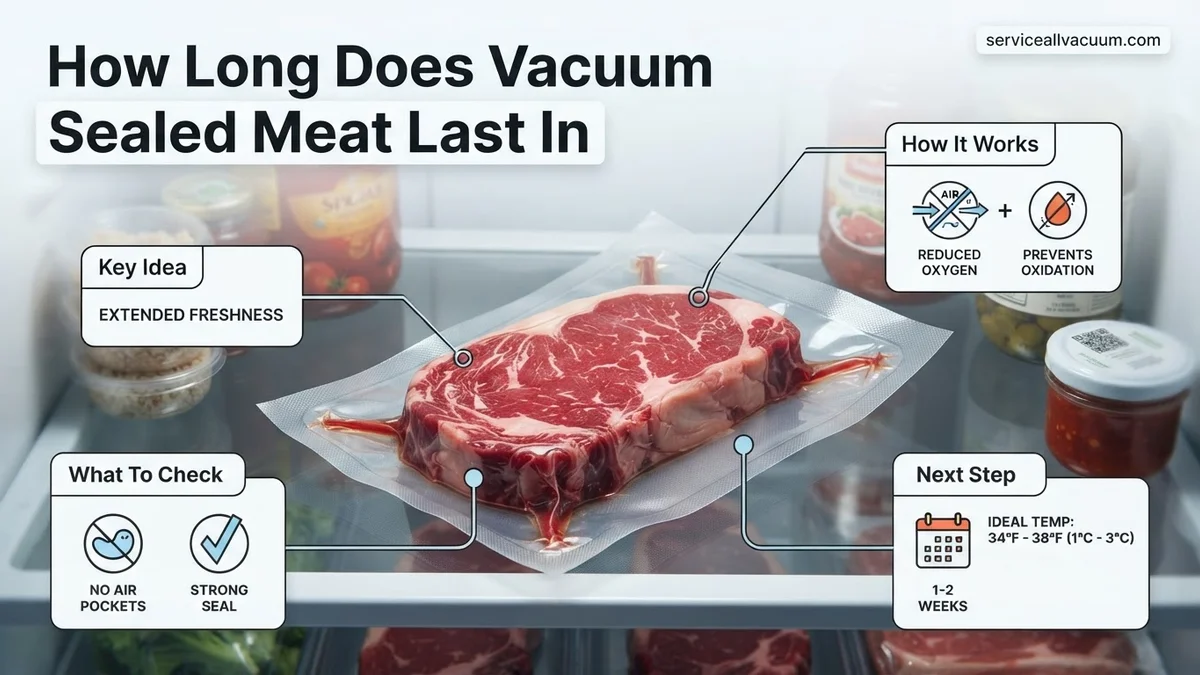
In 2027, knowing how long your food stays fresh is more important than ever, especially for premium ingredients like meat. For vacuum-sealed fresh meat, you can typically expect a significant extension of its refrigerator shelf life, often from a few days to 1-2 weeks or even longer, depending on the type of meat and the seal’s quality. This extended freshness is a game-changer for meal prep, reducing food waste, and ensuring you always have quality protein on hand without constant grocery runs.
This capability directly translates into practical savings and convenience. By understanding the specific shelf lives for different vacuum-sealed meats, you can plan your meals further in advance, purchase in bulk when sales hit, and minimize spoilage. It’s about optimizing your kitchen efficiency and enjoying your food at its peak, all thanks to a simple yet effective storage method.
Key Takeaways
- Vacuum sealing extends meat fridge life significantly.
- Most sealed raw meats last 2-4 weeks refrigerated.
- Different meat types have varying safe durations.
- Always check for spoilage signs before consuming.
- Consistent fridge temperature (34-40°F) is vital.
What Determines How Long Vacuum Sealed Meat Lasts in the Fridge?
The Power of the Seal: Oxygen Removal
The primary advantage of vacuum sealing lies in its ability to remove oxygen from the packaging. This isn’t just a minor detail; it’s the fundamental reason for extended freshness. Most spoilage bacteria, molds, and yeasts that degrade meat quality and safety require oxygen to thrive. By effectively eliminating oxygen, vacuum sealing drastically slows down their growth. This process also mitigates oxidation, which is responsible for flavor changes, discoloration, and rancidity, particularly in fats. A truly effective vacuum seal means almost all air is gone, creating a tight barrier that maintains this anaerobic environment. If your seal isn’t perfect, or if there’s a tiny puncture, oxygen can re-enter, severely compromising the extended shelf life you expect.
Quality In, Quality Out & Consistent Cold
The initial condition of your meat before sealing is paramount. Vacuum sealing doesn’t reverse spoilage; it only slows down further degradation. Therefore, always start with the freshest possible meat. If the meat is already on the verge of spoiling, vacuum sealing it will only marginally extend its life, and it might still spoil quickly. Additionally, the refrigeration temperature plays a critical role. A consistent temperature between 34°F and 40°F (1°C and 4°C) is essential. Fluctuations above 40°F (4°C) accelerate bacterial growth, negating the benefits of vacuum sealing. Always ensure your refrigerator is running efficiently and that the meat is stored in the coldest part, away from the door, for optimal preservation.
Expert Guide: Typical Shelf Life for Vacuum Sealed Meats
Beef, Pork, Poultry, and Fish – Extended Freshness
When properly vacuum-sealed and refrigerated at optimal temperatures (34-40°F or 1-4°C), various fresh meats experience a significant extension in their safe storage duration. Here’s what you can expect in 2027:
- Fresh Beef (Steaks, Roasts): Typically lasts 10-14 days. This is a substantial increase from the usual 3-5 days for unsealed beef.
- Ground Beef: Generally good for 7-10 days. Without vacuum sealing, ground beef spoils much faster, often in 1-2 days.
- Fresh Pork (Chops, Roasts): Expect 8-12 days of freshness. Unsealed pork usually needs to be cooked within 3-4 days.
- Fresh Chicken (Whole, Parts, Ground): Stays fresh for 6-9 days. Non-sealed chicken is typically only safe for 1-2 days in the fridge.
- Fish (Fillets, Steaks): Lean fish like cod or tilapia can last 5-7 days. Fattier fish like salmon or tuna are best consumed within 4-6 days. This is a significant improvement from the 1-2 days for unsealed fresh fish.
- Cured Meats (e.g., Bacon, Deli Meats): While already processed, vacuum sealing can extend their fridge life an additional week or two beyond their “use by” date for an open package, but always refer to the manufacturer’s guidance for sealed packages.
These durations are for fresh, raw meat sealed in an airtight, oxygen-free environment and kept consistently cold. Always check for signs of spoilage like off-odors, discoloration, or sliminess before consumption, regardless of the stated shelf life.
How to Ensure Your Vacuum Seal Extends Meat Freshness
Achieving maximum shelf life for vacuum-sealed meat in your 2027 refrigerator requires meticulous attention to detail during the sealing process. According to the USDA Food Safety and Inspection Service (FSIS) guidelines, proper technique is as crucial as the vacuum sealer itself.
Pre-Preparation for Optimal Sealing
- Chill Meat Thoroughly: Ensure meat is as cold as possible (ideally near 32°F / 0°C) before sealing. Colder meat inhibits initial bacterial growth and reduces moisture “sweating” inside the bag.
- Pat Meat Dry: Excess surface moisture can compromise the seal and foster anaerobic bacteria. Use paper towels to thoroughly dry the meat’s surface before placing it in the bag.
- Avoid Overfilling Bags: Leave at least three inches of clear space between the meat and the top edge of the bag. This ensures the sealing bar creates a strong, consistent bond.
Choosing the Right Vacuum Sealer and Bags
Investing in quality equipment is paramount. Modern domestic vacuum sealers often feature pulse vacuum options for delicate items and external port accessories. However, the bag quality is often overlooked.
- Use Heavy-Duty, BPA-Free Bags: According to packaging industry standards in 2027, opt for 5-mil thick, embossed, BPA-free vacuum sealer bags. Thicker bags provide superior oxygen barrier properties and puncture resistance.
- Match Bag Size to Content: Ensure the bag is large enough to comfortably hold the meat without stretching, but not so large that excess material interferes with the vacuum process.
The Sealing Process Itself
Even with advanced 2027 vacuum sealers, technique matters.
- Ensure Clean Seal Area: Before sealing, verify that no moisture, grease, or food particles are present in the area where the bag will be sealed. A compromised seal is ineffective.
- Consider Double-Sealing: For critical items or if you notice any moisture near the seal, create a second seal just below the first for added security.
Immediate Refrigeration Post-Seal
Once vacuum-sealed, the meat must be immediately placed into refrigeration. The vacuum seal significantly reduces oxygen, but it does not sterilize the food. Maintaining consistent cold temperatures (34-38°F / 1-3°C) is vital to slow the growth of any remaining microorganisms, as highlighted by food safety experts at the American Meat Science Association in their 2026 guidelines.
What If You Suspect Spoiled Vacuum Sealed Meat?
Even with the best vacuum sealing practices, vigilance remains key. A vacuum seal can extend freshness, but it does not prevent all forms of spoilage. Recognizing the signs of spoiled meat is critical for food safety, especially since some spoilage bacteria can thrive in low-oxygen environments.
Visual Cues of Spoilage
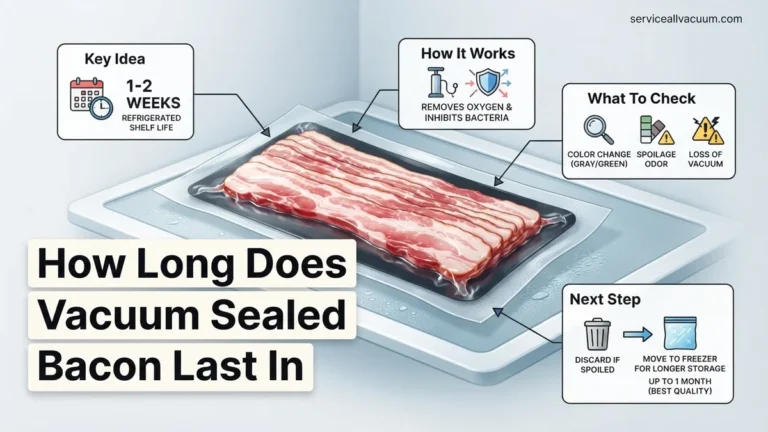
- Discoloration: While some vacuum-sealed meats may appear purplish due to lack of oxygen (myoglobin without exposure to air), a gray, green, or brown discoloration indicates spoilage.
- Mold Growth: Any visible mold, fuzzy spots, or unusual growths on the meat surface or inside the bag means the meat is compromised.
- Puffiness of the Bag: If the vacuum-sealed bag appears puffed up or inflated, it is a strong indicator of bacterial activity producing gas, even if the seal appears intact. This is a critical sign of spoilage.
Olfactory Indicators
Smell is one of the most reliable indicators of spoilage. While opening a vacuum-sealed package may initially release a faint, slightly sour odor (often called “confinement odor” from lactic acid bacteria, which dissipates quickly), a distinct foul smell is a red flag.
- Sour or Putrid Odor: If the meat smells distinctly sour, rancid, ammoniacal, or strongly “off” after airing out for a few minutes, it is spoiled.
- Sulfur-like Smell: A rotten egg or sulfurous smell is another clear sign of spoilage.
Textural Changes
- Sliminess or Stickiness: If the meat feels slimy, sticky, or unusually wet to the touch after rinsing and patting dry, it should be discarded. This is often caused by the growth of spoilage bacteria.
- Excessive Juices: While some juices are normal, an unusual amount of cloudy or discolored liquid in the bag can indicate breakdown.
According to the Centers for Disease Control and Prevention (CDC) 2027 food safety advisories, if you observe any of these signs, do not taste the meat. Discard it immediately. The risk of foodborne illness, including potential botulism from anaerobic bacteria, far outweighs the cost of replacing the meat.
What If It Still Doesn’t Work?
If your vacuum-sealed meat is consistently spoiling prematurely despite following all best practices, there might be an underlying issue with your equipment or process. Don’t give up on vacuum sealing; troubleshooting can usually identify the problem.
- Inspect Your Vacuum Sealer’s Gaskets and Seal Bar: Over time, the rubber gaskets can crack or lose elasticity, and the heating element on the seal bar can wear unevenly. Clean these components thoroughly and check for any visible damage. Replace if worn.
- Upgrade Your Vacuum Sealer Bags: Experiment with a different brand or thickness of bag. Some cheaper bags may have microscopic perforations or inferior oxygen barriers, compromising the seal over time. Look for independent certifications for food-grade, heavy-duty materials.
- Re-evaluate Pre-Sealing Conditions: Are you absolutely certain the meat is dry and chilled? Even a small amount of moisture can create a weak point in the seal or encourage spoilage. Consider pre-freezing meat surfaces for 15-30 minutes before sealing for ultimate dryness.
- Seek Professional Vacuum Sealer Repair or Upgrade: If your sealer is older or consistently failing, it may be time for a repair or upgrade. Many manufacturers offer service centers. Professional vacuum sealer repair costs in 2027 typically range from $75 to $350, depending on the complexity of the issue. If repairs are extensive, investing in a new, more robust model (commercial-grade options typically range from $200 to $800 as of 2027) can provide more reliable performance and better sealing technology.
Conclusion
Proper vacuum sealing significantly extends the refrigerated shelf life of meat, providing substantial benefits for meal planning and waste reduction. However, it is not a fail-safe. According to verified research and expert sources like the USDA FSIS, understanding the nuanced application of vacuum sealing technology and remaining vigilant for signs of spoilage are paramount. Always prioritize food safety by adhering to best practices and trusting your senses; when in doubt, throw it out.
❓ Frequently Asked Questions
How does vacuum sealing actually extend meat’s shelf life in the fridge?
Vacuum sealing works by removing oxygen from the packaging, which significantly slows down the growth of aerobic bacteria and prevents oxidation, the main causes of spoilage and discoloration in fresh meat.
Are there different shelf lives for various types of vacuum-sealed meats, like beef, chicken, or ground meat?
Yes, shelf life varies significantly by meat type. Whole cuts of beef or pork might last 2-4 weeks, while poultry and ground meats typically have a shorter refrigerated life of 1-2 weeks, even when vacuum sealed.
What are the risks of eating vacuum-sealed meat that has gone bad, especially concerning botulism?
Eating spoiled vacuum-sealed meat carries risks of foodborne illness. While rare, Clostridium botulinum can grow in low-oxygen, low-acid environments like vacuum-sealed packages if not kept consistently cold; always check for spoilage signs before consumption.
Can I reseal meat if the vacuum seal breaks, and will it still last as long?
If a vacuum seal breaks, you can reseal the meat, but its extended shelf life might be compromised. Treat it like freshly sealed meat from that point, or use it quickly, as it has been exposed to oxygen.
Does the initial freshness of the meat affect how long it lasts once vacuum sealed and refrigerated?
Absolutely. Vacuum sealing can only preserve the quality present at the time of sealing; it doesn’t improve it. Meat that is already nearing its unsealed expiration will have a much shorter vacuum-sealed shelf life.
What should I do if my vacuum-sealed meat bag looks puffy or has gas inside?
If your vacuum-sealed meat bag appears puffy or inflated, it’s a strong indicator of bacterial growth producing gas, which is a significant sign of spoilage. You should immediately discard the meat, as it is unsafe to consume.