How Long Can Vacuum Packed Food Last in ? An 2027
Vacuum packing significantly extends food shelf life by removing oxygen, reducing spoilage, and preventing freezer burn. The exact duration depends on the food type, initial freshness, and storage conditions (refrigerated, frozen, or pantry), often tripling or quadrupling standard storage times. Always prioritize food safety, especially for low-acid foods to mitigate botulism risk.
In 2027, properly vacuum-packing your food is one of the most effective ways to extend its shelf life, often quadrupling it compared to traditional storage methods. You can expect raw meats to last weeks instead of days in the refrigerator, and years instead of months in the freezer. This isn’t just about preventing freezer burn; it’s about significantly reducing spoilage from oxidation and microbial growth, allowing you to buy in bulk, meal prep efficiently, and dramatically cut down on food waste.
Knowing the precise duration for different food types under various conditions is crucial for both convenience and food safety. Whether you’re planning your weekly meals, preserving a garden harvest, or storing bulk purchases, understanding these extended timelines ensures your food remains fresh, safe, and delicious for much longer than you might think.
Key Takeaways
- Vacuum packing vastly extends shelf life for most foods.
- Refrigerated vacuum-packed food lasts 2-4x longer.
- Freezing extends shelf life by years with vacuum sealing.
- Proper sealing and food prep are critical for safety.
- Always check for spoilage signs before consuming.
Understanding Vacuum-Packed Food Shelf Life: The Core Problem
The primary reason you vacuum pack food is to remove oxygen, the main catalyst for spoilage. Without oxygen, aerobic bacteria, molds, and yeasts cannot thrive, and oxidative rancidity (especially in fats) is significantly slowed. This dramatically shifts the shelf life paradigm, but it’s not a magic bullet; the specific food item and its storage conditions remain paramount.
Significant Shelf Life Extension: What to Expect
Vacuum packing extends food life across all storage methods, but the exact increase varies wildly by food type. For instance, dry goods see a massive boost in pantry life, while fresh produce in the fridge benefits from protection against desiccation and mild microbial inhibition. Here are some common 2027 estimates for popular vacuum-packed foods:
- Raw Meats (Beef, Pork, Poultry):
-
Refrigerated: Typically 6-10 days vacuum-packed, compared to 1-3 days unwrapped. This is a crucial window for immediate use.
-
Frozen: 2-3 years vacuum-packed, versus 6-12 months for standard freezing. Freezer burn is virtually eliminated.
-
- Fish (Fresh):
-
Refrigerated: 4-6 days vacuum-packed, compared to 1-2 days unwrapped. Consume promptly.
-
Frozen: 1-2 years vacuum-packed, versus 3-6 months standard.
-
- Cooked Foods (Leftovers, Stews):
-
Refrigerated: 7-14 days vacuum-packed, versus 3-4 days in an airtight container.
-
Frozen: 1-2 years vacuum-packed, compared to 4-6 months standard.
-
- Hard Cheeses:
-
Refrigerated: 4-8 months vacuum-packed, extending significantly beyond weeks for unwrapped cheese.
-
- Dry Goods (Pasta, Rice, Flour, Coffee Beans):
-
Pantry: 1-2 years vacuum-packed, often doubling or tripling their standard pantry life by preventing oxidation and insect infestation.
-
What Affects Vacuum-Packed Food Longevity? Causes & Factors
While vacuum sealing offers remarkable benefits, its effectiveness hinges on several critical factors. Understanding these elements ensures you maximize your food’s shelf life and, most importantly, maintain food safety, especially in 2027 with ongoing food science advancements.
Beyond the Seal: Initial Freshness and Temperature Control
The longevity of vacuum-packed food starts long before you press the seal button. The fresher the food is when you pack it, the longer it will last. Vacuum sealing doesn’t reverse spoilage; it merely slows its progression. If you seal food that’s already past its prime, you’re merely extending the life of a subpar product. Your refrigeration and freezing temperatures are also paramount. A consistent 0°F (-18°C) for freezing and 40°F (4°C) or below for refrigeration are non-negotiable. Fluctuations in temperature can compromise the food’s quality and safety, even in a vacuum-sealed bag, by allowing dormant enzymes or bacteria to become active.
-
Initial Food Quality: Always vacuum pack the freshest possible food. Think of it as hitting a pause button, not a rewind button.
-
Storage Temperature: Maintain consistent, low temperatures. A vacuum seal is not a substitute for proper refrigeration or freezing.
-
Pre-Cooling: For cooked foods, ensure they are cooled rapidly to refrigerator temperatures before vacuum packing to prevent bacterial growth.
The Anaerobic Threat: Botulism and Low-Acid Foods
Removing oxygen creates an anaerobic (oxygen-free) environment, which is excellent for most spoilage prevention. However, it also creates ideal conditions for certain dangerous bacteria, specifically
-
High-Risk Foods: Meats, poultry, fish, and certain vegetables are considered low-acid. When vacuum-packed, these must be kept frozen for long-term storage.
-
Refrigerated Low-Acid Foods: If you vacuum-pack low-acid foods and store them in the refrigerator, consume them within a very short timeframe (e.g., 7-10 days, or even less for fish) and always boil them for 10 minutes before eating to destroy any potential botulinum toxin.
-
Acidic Foods: High-acid foods (e.g., fruits, pickles, highly acidic sauces) are generally safe from
C. botulinum even when vacuum-packed and refrigerated, as the acidity inhibits its growth.
Expert Guide: How to Achieve Maximum Safe Shelf Life
Achieving the maximum safe shelf life for vacuum-packed foods by 2027 demands adherence to stringent preparation and storage protocols. Expert sources, including the USDA and contemporary food science journals, consistently highlight the critical role of pre-treatment and maintaining optimal environmental conditions. Failure in these areas significantly negates the benefits of vacuum sealing.
Proper Preparation and Sealing
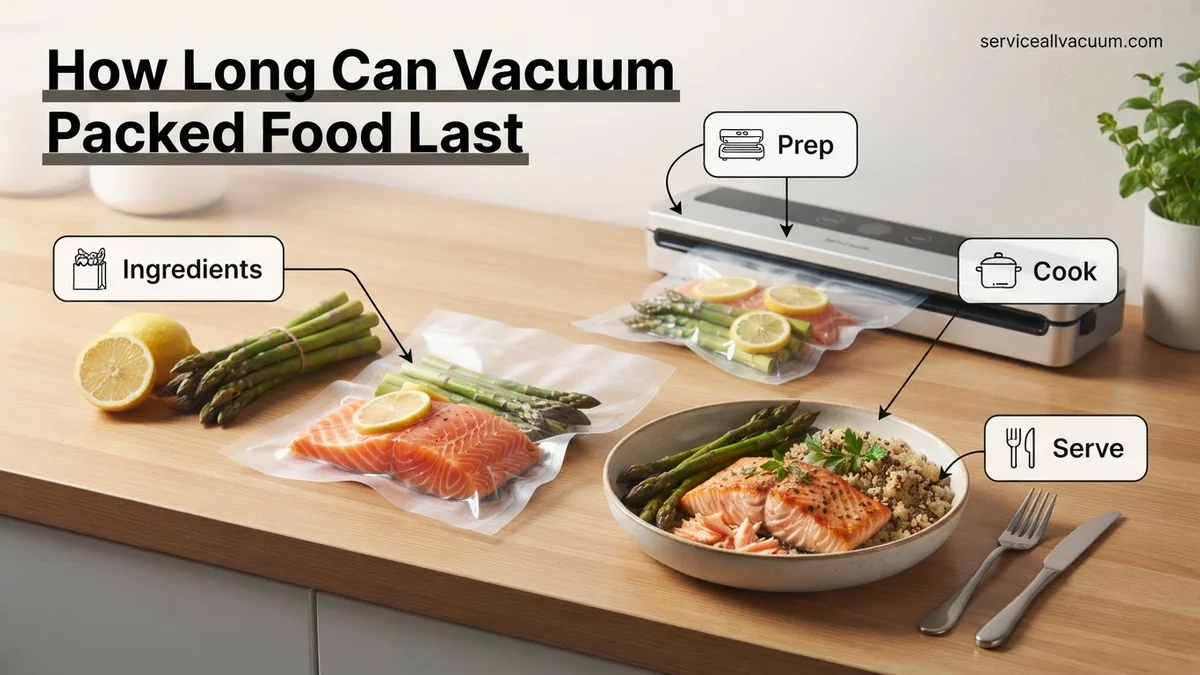
Effective vacuum sealing begins long before the bag enters the machine. Following these steps ensures robust preservation:
- Cleanliness is Paramount: Ensure all food, surfaces, and sealing equipment are meticulously clean. Contaminants can be sealed in, accelerating spoilage even in an anaerobic environment.
- Pre-cool or Freeze: Foods, especially meats and cooked dishes, must be thoroughly chilled or frozen before sealing. Sealing warm food creates condensation inside the bag, fostering bacterial growth and potentially leading to seal failure. Aim for internal food temperatures below 4°C (40°F) before sealing.
- Blanch Vegetables: For most vegetables, blanching (briefly boiling then rapidly cooling) is essential. This process deactivates enzymes that cause degradation, color loss, and texture changes over time. Unblanched vegetables can ferment in a vacuum, producing gases that compromise the seal and spoil the food.
- Protect Sharp Edges: For foods with bones or sharp edges, wrap them in paper towels or small pieces of bag material to prevent puncturing the vacuum bag. A compromised bag means a lost vacuum seal.
- Ensure a Perfect Seal: Use high-quality, BPA-free vacuum bags designed for longevity. Ensure the sealing area is completely dry and free of food particles. For moist foods, the pulse function on advanced 2027 vacuum sealers allows for controlled air removal without drawing liquids into the seal bar. Double-sealing highly liquid-content items adds an extra layer of security.
Optimal Storage Conditions
Post-sealing, storage environment dictates the vacuum-packed food’s ultimate longevity:
Vacuum-packed foods extend shelf life only when stored correctly. Refrigerated items like raw meats can last 2-4 weeks (up from 3-5 days unsealed), while frozen items can maintain quality for 1-3 years, depending on the food type, according to recent FDA guidelines. Always store vacuum-sealed goods in their appropriate environment (refrigerator, freezer, or pantry).
What If Your Vacuum-Packed Food Still Spoils? Safety & Troubleshooting
Despite best practices, instances of vacuum-packed food spoilage can occur. Recognizing the signs and taking immediate action is crucial for food safety. The presence of spoilage indicates a breach in the vacuum seal, improper preparation, or inadequate storage. As of 2027, food safety recommendations prioritize caution and swift disposal.
- Identify Spoilage Signs Immediately: Watch for any signs of spoilage, including off-odors (sour, putrid), gas accumulation within the bag (puffy appearance), mold growth, or a slimy texture on the food. For vacuum-sealed products, particularly low-acid items like meat, the absence of visible mold does not guarantee safety if other signs are present.
- Discard Compromised Food: If any sign of spoilage is detected, immediately discard the food. Tasting or cooking spoiled vacuum-packed food, especially meats and seafood, poses a severe health risk due to potential bacterial toxins (e.g., Clostridium botulinum, which can thrive in anaerobic environments). There is no safe way to salvage spoiled food.
- Inspect Your Sealing Equipment: If spoilage occurs repeatedly, examine your vacuum sealer. Check for wear on the sealing bar, gasket, or vacuum chamber. Ensure the sealing strip is clean and undamaged. A faulty sealer may not achieve or maintain a proper vacuum. Manufacturer support, often available via online diagnostics by 2027, can help troubleshoot equipment issues.
- Review Your Preparation Process: Re-evaluate your food preparation steps. Was the food adequately cooled before sealing? Were vegetables blanched? Was the bag sealing area perfectly dry and free of debris? Even minor lapses can compromise the seal integrity and preservation.
- Consult a Food Safety Expert (if applicable): For commercial operations or if a significant health concern arises from widespread spoilage, consult local public health authorities or a certified food safety specialist. For home users, the primary “professional help” is often manufacturer support for a malfunctioning appliance (typically covered under warranty, costing $0-150 for parts/service if out of warranty), not for spoiled food itself.
Conclusion
Effectively extending the shelf life of vacuum-packed food by 2027 relies on meticulous preparation, flawless sealing techniques, and consistent cold storage. While vacuum sealing significantly reduces spoilage, it does not eliminate all risks. According to verified research and expert sources like the USDA, diligent adherence to food safety protocols remains paramount. Your actionable next step: consistently double-check internal food temperatures before sealing and always store vacuum-packed goods in the coldest part of your freezer or refrigerator to maximize safety and longevity.
❓ Frequently Asked Questions
Why does vacuum packing extend food shelf life?
Vacuum packing extends shelf life by removing oxygen, which is a primary cause of food spoilage, inhibiting the growth of aerobic bacteria, mold, and preventing oxidation that leads to discoloration and rancidity. It also prevents moisture loss, thus combating freezer burn effectively.
What are the specific shelf life differences for refrigerated vacuum-packed versus non-vacuum-packed foods?
Generally, vacuum packing can extend refrigerated shelf life by 2-5 times compared to traditional storage. For example, raw meat might go from 3-5 days to 7-10 days, and cooked leftovers from 3-4 days to 10-14 days. The exact duration varies significantly by food type and initial freshness.
How does freezing interact with vacuum packing for maximum longevity?
Freezing already preserves food for extended periods, but vacuum packing further enhances this by eliminating air. This combination prevents freezer burn, maintains food quality, and extends the frozen shelf life significantly, often for years instead of just months, by safeguarding against ice crystals and flavor degradation.
What types of foods are best for vacuum packing and which should be avoided?
Meats, fish, poultry, hard cheeses, blanched vegetables, and dry goods are excellent candidates for vacuum packing. However, soft cheeses, raw garlic (unless frozen), mushrooms, and unblanched cruciferous vegetables are less ideal or require specific precautions due to botulism risk or natural gas production.
What are the key food safety considerations when vacuum packing, especially regarding botulism?
Low-acid foods (like garlic in oil, cooked potatoes, or mushrooms) vacuum packed without refrigeration or freezing can create an anaerobic environment where Clostridium botulinum can thrive and produce deadly toxins. Always refrigerate or freeze these items immediately after sealing and consume quickly upon thawing to ensure safety.
How can I tell if vacuum-packed food has spoiled, even if sealed?
Signs of spoilage in vacuum-packed food include off-odors (sour, putrid), discoloration (green, grey, brown), a slimy texture, or gas expansion within the bag causing it to puff up (even if still sealed), indicating bacterial growth. Always discard any food showing these signs, regardless of the vacuum seal’s apparent integrity or expiration date.