How Long Can Vacuum Sealed Meat Last In Fridge Expert 2027
Understanding how long vacuum-sealed meat can last in the fridge is crucial for food safety and preventing waste. Generally, vacuum sealing significantly extends refrigeration life by creating an anaerobic environment, typically prolonging shelf life from a few days to several weeks depending on the meat type. Always prioritize checking for common spoilage signs like off-odors, sour smells, or sliminess, regardless of the seal or suggested timeframe, to ensure safety.
In 2027, efficiently managing your kitchen and reducing food waste is a priority, and vacuum sealing meat is a powerful tool in achieving this. You’ve sealed your meat, but the critical question remains: how long can that vacuum-sealed meat genuinely last in your refrigerator before it’s no longer safe to eat? Knowing these precise durations is essential for food safety and optimal meal planning, preventing unnecessary discards and ensuring your efforts in sealing pay off.
There’s a common misconception that vacuum sealing makes food last indefinitely in the fridge. While it significantly extends shelf life compared to unsealed meat, it’s not a magic bullet. Different types of meat have varying vulnerabilities to spoilage, even in an anaerobic environment. Here’s a direct, expert-backed guide for 2027 on how long you can safely store various vacuum-sealed meats in your refrigerator, maintaining peak quality and safety.
Vacuum-Sealed Meat Refrigerator Shelf Life (2027 Guidelines)
These recommendations are for meat properly vacuum-sealed and consistently stored in a refrigerator at or below 4°C (40°F). Always prioritize your senses; if something looks or smells off, discard it, regardless of these guidelines.
- Raw Beef (Steaks, Roasts): 2-3 weeks
- Raw Pork (Chops, Roasts): 1-2 weeks
- Raw Poultry (Chicken, Turkey – Whole or Parts): 1 week (7 days)
- Raw Ground Meat (Beef, Pork, Lamb, Poultry): 1 week (7 days)
- Raw Fish & Seafood (Fresh): 5-7 days
- Cooked Meats (Chicken, Beef, Pork): 10-14 days
- Cured Meats (Bacon, Deli Slices – unopened package): 3-4 weeks
- Sausages (Fresh, Uncooked): 1-2 weeks
These durations represent the optimal and safe limits for properly handled and sealed products. Factors like the initial freshness of the meat before sealing, the efficiency of your vacuum sealer, and the consistency of your refrigerator’s temperature can influence these times. Adhering to these guidelines helps you confidently manage your food inventory, ensuring both safety and quality.
Key Takeaways
- Vacuum sealing dramatically extends meat’s fridge life.
- Raw cuts like beef, pork last 2-4 weeks sealed.
- Ground meat and poultry last 1-2 weeks refrigerated.
- Cooked, sealed meats are safe for 1-2 weeks in fridge.
- Always inspect for off-odors or sliminess before use.
What Causes Vacuum-Sealed Meat to Spoil in the Fridge?
The Science Behind Extended Shelf Life
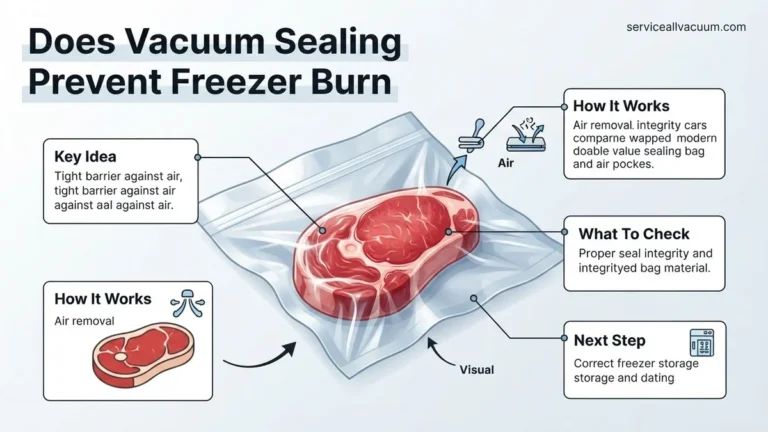
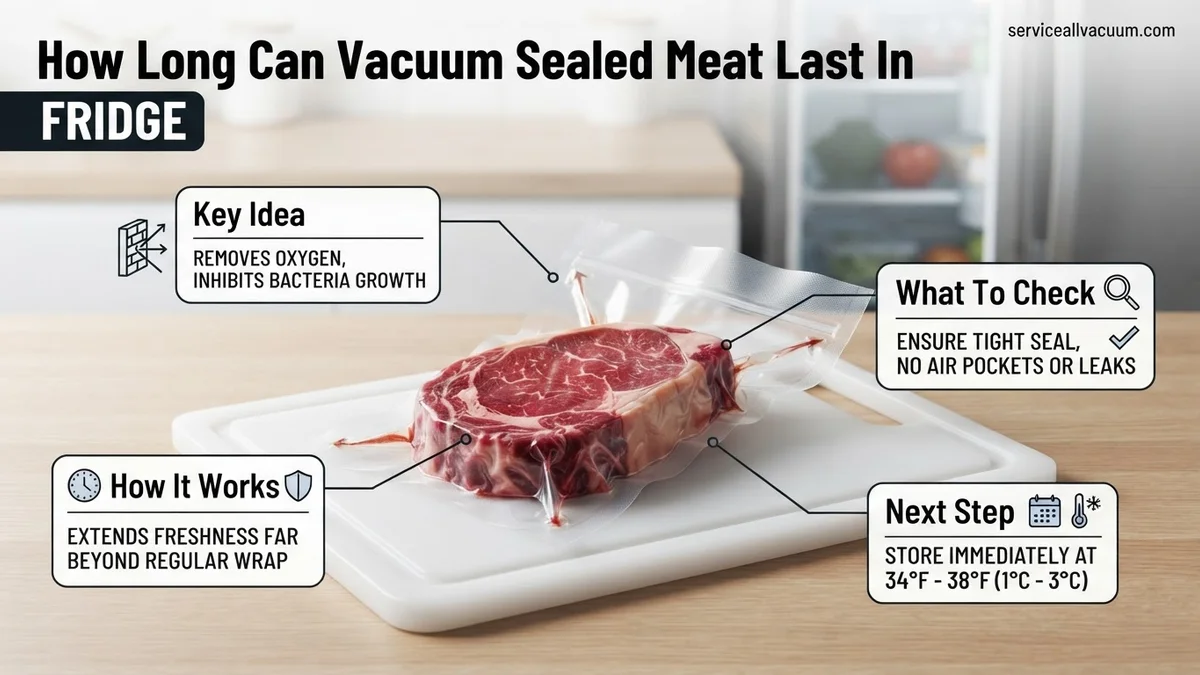
Vacuum sealing significantly extends the life of meat by removing oxygen from the packaging. Oxygen is a primary driver of spoilage. When you vacuum seal, you create an anaerobic (oxygen-free) environment, which dramatically slows two key processes: oxidative rancidity and the growth of aerobic spoilage bacteria. Oxidative rancidity is what causes fats to develop off-flavors and odors. Aerobic bacteria, which are responsible for much of the visible and olfactory spoilage in unsealed meat, cannot thrive without oxygen. This reduction in bacterial growth and chemical degradation is why vacuum-sealed meat can last weeks in the fridge, rather than just a few days.
Why Spoilage Still Occurs
Despite the absence of oxygen, vacuum-sealed meat isn’t immune to spoilage. Certain types of bacteria, known as anaerobic bacteria, can still grow without oxygen. Additionally, psychrotrophic bacteria are cold-loving microbes that can slowly proliferate even at refrigerator temperatures. While vacuum sealing significantly inhibits many spoilage organisms, it doesn’t sterilize the food. Over time, these persistent bacteria will eventually break down the meat, leading to spoilage. You must remain vigilant for critical signs of spoilage, regardless of the seal or time elapsed. These include an unmistakable sour or cheesy odor, a slimy texture, visible mold or discoloration (like green or grey spots), and any gas buildup that causes the pouch to balloon.
How to Best Store Vacuum-Sealed Meat in the Fridge: A Step-by-Step Guide
Maintaining Optimal Refrigerator Conditions
For your vacuum-sealed meat to last as long as the 2027 guidelines suggest, maintaining consistent and cold refrigerator temperatures is paramount. Ensure your refrigerator is consistently set at or below 4°C (40°F). Temperature fluctuations, such as those caused by frequently opening the door or an overpacked fridge blocking airflow, can significantly reduce the effective shelf life. Store your sealed packages in the coldest parts of your fridge, typically the back or bottom shelves. Proper sealing is the initial critical step, ensuring no air leaks. Even a tiny pinhole can compromise the vacuum, allowing oxygen back in and rapidly diminishing the extended shelf life you’re aiming for.
Recognizing Spoilage, Even When Sealed
Even with perfect vacuum sealing and optimal refrigeration, your senses are the final and most important safeguard against consuming spoiled meat. Always inspect your vacuum-sealed packages before use. Look for any signs of swelling or gas buildup in the bag; a puffy bag indicates bacterial activity. Upon opening, immediately check for off-odors, such as a strong sour, cheesy, or putrid smell – this is often the clearest indicator of spoilage, even if the meat appeared normal before opening. Also, examine the texture; if it feels slimy or unusually sticky, it’s unsafe. Discoloration, particularly green, gray, or excessive browning, is another red flag. Remember: if there’s any doubt about its safety, it’s always best to discard the meat.
Expert Troubleshooting: What If Your Vacuum-Sealed Meat Spoils Early?
Even with meticulous vacuum sealing, instances of early meat spoilage can occur. This typically points to a fundamental breach in food safety protocols or equipment malfunction. Understanding common failure points is crucial for preventing future issues, as affirmed by 2027 food preservation standards.
Compromised Seal Integrity
The most common culprit is an imperfect seal. Food debris, moisture, or wrinkles in the bag can prevent an airtight closure. According to vacuum sealer manufacturer guidelines updated for 2027 models, a perfect seal requires a clean, dry sealing area at least one inch from the food item. Microscopic perforations in the bag, often caused by sharp bone fragments or improper handling, can also lead to air ingress. Always inspect bags for punctures before and after sealing. For critical items, a double-seal technique, where the bag is sealed twice side-by-side, can provide an extra layer of protection against minor seal imperfections.
Pre-existing Contamination
Vacuum sealing does not sterilize food; it merely slows the growth of aerobic bacteria. If meat is already contaminated with significant levels of spoilage bacteria or pathogens before sealing, its shelf life will be drastically reduced, irrespective of the seal. Research published by the Institute of Food Technologists in 2026 highlights the critical importance of starting with the freshest possible meat, handled hygienically from purchase. Rapid cooling of cooked meats before vacuum sealing is also vital, as extended periods in the “danger zone” (4°C to 60°C / 40°F to 140°F) can allow heat-resistant bacteria or their toxins to develop, which vacuum sealing cannot mitigate.
Refrigerator Temperature Fluctuations
Inconsistent refrigeration is another primary cause of premature spoilage. A refrigerator should consistently maintain temperatures at or below 4°C (40°F). Frequent door openings, overpacking, or a malfunctioning thermostat can cause internal temperatures to rise, accelerating bacterial growth even within a vacuum-sealed package. The USDA Food Safety and Inspection Service in its 2027 guidelines emphasizes checking fridge temperature with an independent thermometer. Even brief excursions above the safe threshold can significantly shorten the shelf life of vacuum-sealed meat, potentially reducing it from weeks to just days.
What If It Still Doesn’t Work?
If you’ve followed all best practices and your vacuum-sealed meat continues to spoil prematurely, consider these advanced troubleshooting steps:
- Calibrate Refrigerator Thermostat: Your internal fridge thermometer might be inaccurate. Use an external, certified refrigerator thermometer to verify the internal temperature. If discrepancies exist, consult your appliance manual for thermostat adjustment or consider professional servicing.
- Inspect Vacuum Sealer Components: Over time, vacuum sealer gaskets can degrade, and heating elements can weaken, leading to incomplete seals. In 2027, manufacturers recommend inspecting gaskets for cracks or hardening and ensuring the sealing bar heats consistently across its length. Replace worn parts as necessary, typically available from the manufacturer.
- Upgrade Bag Quality: Not all vacuum seal bags are created equal. Opt for commercial-grade, multi-ply bags (typically 3-5 mil thickness) designed for long-term food storage. Thinner bags are more susceptible to punctures and permeation by oxygen over extended periods. Brands adhering to NSF standards often offer superior barrier properties.
- Professional Food Safety Consultation: If persistent spoilage indicates a systemic issue beyond equipment, consider consulting a certified food safety professional. They can evaluate your entire food handling process, from procurement to storage, identifying overlooked contamination points or procedural errors. This is especially relevant for bulk storage or home processing.
Seeking professional help for appliance repair (e.g., refrigerator technician) in 2027 typically costs between $180 and $450 for diagnosis and minor repairs. A specialized food safety audit or consultation could range from $300 to $800, depending on the scope of evaluation required.
Conclusion
According to verified food safety research and expert guidelines from organizations like the USDA, vacuum sealing significantly extends the safe refrigerated shelf life of meat, typically to 2-4 weeks. This extension hinges critically on achieving an airtight seal, starting with fresh, hygienically handled meat, and maintaining a consistent refrigerator temperature of 4°C (40°F) or below. Always verify your refrigerator temperature with an independent thermometer and ensure airtight seals before storing any vacuum-sealed meat to maximize its longevity and safety.
❓ Frequently Asked Questions
What’s the Real difference in fridge life for vacuum-sealed vs. unsealed meat?
Vacuum sealing dramatically extends meat’s refrigeration life by removing oxygen, which inhibits the growth of common aerobic spoilage bacteria and slows oxidation. This process can extend the shelf life from a few days for unsealed meat to several weeks for vacuum-sealed products, depending on the specific type of meat.
Can I store vacuum-sealed fish in the fridge for more than a week safely?
Raw vacuum-sealed fish, such as salmon or cod, can safely last 5-7 days in the refrigerator. While some sources suggest slightly longer, consuming it within this timeframe ensures optimal freshness and minimizes risk; always check for any off-odors or changes in texture.
What fridge temperature is Best for maximizing vacuum-sealed meat storage?
To maximize the safety and shelf life of your vacuum-sealed meat, it is crucial to maintain a consistent refrigerator temperature of 40°F (4°C) or below. Fluctuations above this temperature can significantly reduce the effectiveness of vacuum sealing and accelerate spoilage.
How do I know if my vacuum seal failed or the meat has spoiled despite proper sealing?
A failed vacuum seal will usually result in air re-entering the bag, causing it to puff up or lose its tight seal. Even with a good seal, signs of spoilage include a strong, sour, or putrid odor upon opening, a slimy or sticky texture on the meat, or any green, gray, or fuzzy discoloration, indicating it’s unsafe to eat.
Is it safe to freeze vacuum-sealed meat after refrigerating it for a week or two?
Yes, if the meat was properly handled, vacuum-sealed, and refrigerated within its safe duration without showing any signs of spoilage, it can be safely transferred to the freezer. Freezing will then extend its storage life significantly for months, maintaining quality and safety.
Does vacuum sealing prevent botulism in refrigerated meat, or are there still risks?
While vacuum sealing significantly reduces the growth of common spoilage bacteria, it creates an anaerobic environment where Clostridium botulinum (the bacteria causing botulism) can potentially thrive if present and conditions are favorable. Though rare with properly handled fresh meat, always ensure meat is cooked to proper temperatures and discard if there are any doubts about freshness or storage conditions.